Ventless Propane Heaters: Indoor Air, CO and Altitude
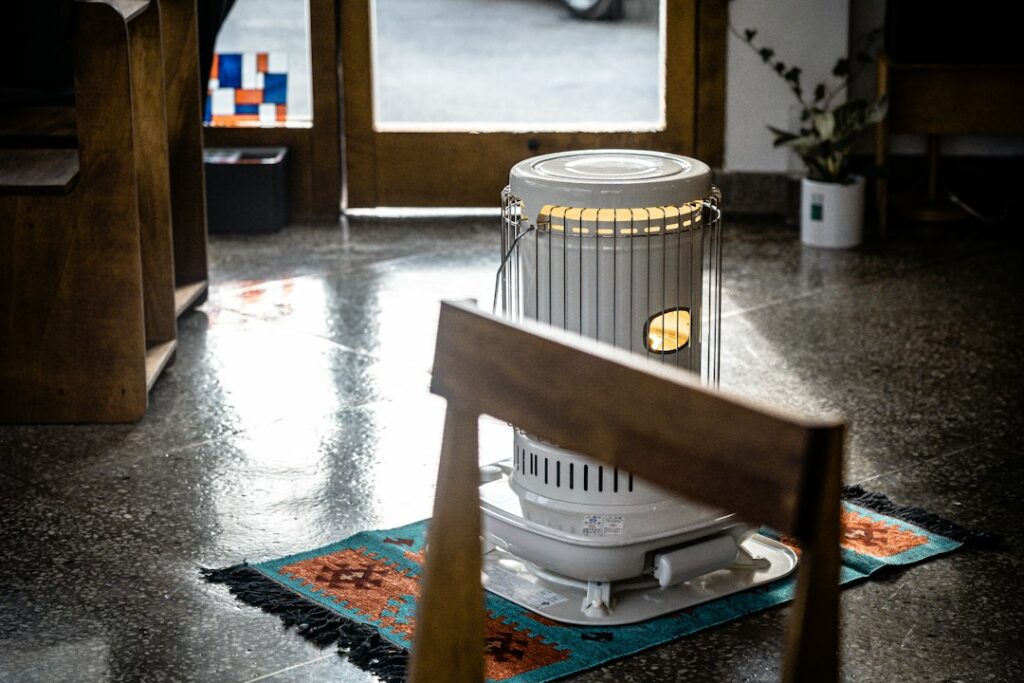
A ventless propane heater is appealing on paper. It mounts on a wall or sits on the floor, needs no chimney or flue, and puts nearly all of its heat into the room. For garages, cabins, basements and drafty additions on the Front Range, that sounds ideal. The trade-off is that everything the burner produces stays indoors: carbon monoxide in small amounts when the burner is well adjusted, nitrogen dioxide, and a surprising quantity of water vapor. These heaters rely on a clean burn, a safety sensor and adequate fresh air to keep those byproducts at acceptable levels. This guide summarizes EPA, CDC and CPSC guidance on combustion byproducts and carbon monoxide, explains how oxygen depletion sensors work, discusses altitude and local restrictions, and compares vented alternatives. It is general information; follow your heater’s manual and talk with a licensed gas fitter or HVAC contractor about your specific installation.
Part of our Heating, Cooling & Ventilation guide — start there for the full picture →
What a Ventless Propane Heater Releases Indoors
Every flame produces combustion products. A vented appliance sends them outside through a flue or a sealed pipe; an unvented one releases them into the living space. The EPA’s indoor air quality guidance names unvented kerosene and gas space heaters as sources of combustion pollutants, and its publication The Inside Story: A Guide to Indoor Air Quality lists carbon monoxide, nitrogen dioxide and particles as the major pollutants released by those heaters, wood stoves, fireplaces and gas stoves.
Carbon monoxide
Carbon monoxide is the main concern. CDC describes it as an odorless, colorless gas that can cause sudden illness and death, and notes that more than 400 Americans die each year from unintentional CO poisoning not linked to fires. A properly adjusted ventless burner is designed to produce very little CO, but output can rise when the burner is dirty, the fuel pressure is wrong, the flame is disturbed, or the oxygen level in the room drops. EPA’s guidance notes that a persistent yellow-tipped flame generally indicates maladjustment and increased pollutant emissions.
Nitrogen dioxide
EPA’s page on nitrogen dioxide identifies unvented combustion appliances as primary indoor sources and states that in homes with gas stoves, kerosene heaters or unvented gas space heaters, indoor NO2 levels often exceed outdoor levels. EPA describes NO2 as an irritant affecting the eyes, nose, throat and respiratory tract, and lists effects of low-level exposure such as increased bronchial reactivity in some people with asthma and increased risk of respiratory infections, especially in young children. EPA also notes that no standards have been agreed upon for nitrogen oxides in indoor air.
Water vapor
Burning propane produces water as a byproduct. EPA’s brief guide to mold and moisture notes that combustion appliances such as stoves and kerosene heaters produce water vapor and will increase humidity unless vented to the outside. The same principle applies to propane. In a tight room, a ventless heater running for hours can produce visible condensation on windows. In the dry Colorado climate some owners welcome that at first, but persistent condensation on cold windows, sills and exterior walls can feed mold and wood damage over a season.
How Oxygen Depletion Sensors Work
Ventless gas heaters sold in the U.S. are generally equipped with an oxygen depletion sensor, or ODS. The ODS is a precisely calibrated pilot assembly. As oxygen in the room declines, the pilot flame changes shape and lifts away from the thermocouple that holds the gas valve open. When the thermocouple cools, the valve closes and the heater shuts off.
That design addresses one specific failure: a room running low on oxygen. It is a valuable safeguard, but it has limits that owners should understand:
- An ODS is not a CO detector. It responds to oxygen level, not to carbon monoxide. A heater with a dirty or damaged burner can produce elevated CO before oxygen drops enough to trip the sensor.
- Dirt and drafts affect it. Dust, lint and spider webs in the pilot assembly can cause nuisance shutoffs, and some owners respond by tampering with the sensor or replacing parts with non-original components.
- Calibration is altitude-sensitive. The sensor depends on flame characteristics that change with air density, which is one reason manufacturers publish altitude limits.
Annual cleaning and service by a qualified technician, following the manufacturer’s instructions, help keep the ODS and burner working as designed.
Altitude Limits on the Front Range
Air at Front Range elevations is thinner than at sea level. Denver sits at roughly a mile above sea level, and foothill communities are higher still. Combustion appliances behave differently in thinner air: there is less oxygen per cubic foot, flame characteristics shift, and gas input may need adjustment.
Many ventless heater manufacturers state a maximum installation altitude in the manual or on the rating plate, and some models have limits below typical Front Range elevations. Some manufacturers offer high-altitude versions or kits, while others simply do not support installation above a certain elevation. Altitude ratings vary by brand and model, so the only reliable answer comes from the specific heater’s documentation. Before buying, check that the listed altitude range covers your home’s elevation. If a heater already installed exceeds its listed altitude, a gas fitter or HVAC contractor can advise whether it can be converted or whether it should be removed.
CPSC’s guidance on portable heaters and camping equipment notes that the risk of carbon monoxide poisoning is increased at high altitudes. That page addresses camping heaters used in tents, campers and vehicles, not wall-mounted ventless heaters in homes, but the underlying point about combustion in thin air is worth keeping in mind.
Local Codes and Restrictions
Rules for unvented room heaters vary widely. Some jurisdictions restrict or prohibit them; many codes limit them in bedrooms and bathrooms or cap their input relative to room size; and some homeowners’ associations and insurers have their own rules. Requirements can also differ between propane and natural gas and between new installations and existing ones.
Because adopted codes and local amendments change, a ventless propane heater project should start with a call to the local building department in your city or county. A permit is commonly required for new gas piping, and a licensed gas fitter will typically know local rules. Buyers who find an unvented heater in a home under contract should ask whether it was permitted and whether its size and room location comply with local requirements.
Room size and fresh air
Manufacturers generally specify minimum room volumes relative to the heater’s BTU rating and may require additional ventilation openings for smaller spaces. EPA’s Inside Story recommends that while a space heater is in use, occupants open a door from the room where the heater is located to the rest of the house and open a window slightly. Opening a window costs some heat, which is part of the trade-off of an unvented design.
CO Alarms Are Not Optional
Any home with a fuel-burning appliance needs working carbon monoxide alarms. CDC recommends installing battery-operated or battery back-up CO detectors near every sleeping area and replacing detectors according to the manufacturer’s instructions or every five years. CPSC recommends CO alarms on every level of the home and outside sleeping areas, and notes that interconnected alarms are best because when one sounds, they all sound.
For a room with a ventless propane heater, that baseline is a minimum. Many owners add an alarm in the same room or adjacent area, following the alarm manufacturer’s placement guidance. A model with a digital display can show low-level readings that would not trigger an alarm, which CDC mentions as a consideration. Our guide to carbon monoxide detector installation covers placement, power options and testing.
CDC lists the most common symptoms of CO poisoning as headache, dizziness, weakness, upset stomach, vomiting, chest pain and confusion, often described as flu-like. If an alarm sounds or anyone in the home has those symptoms while a heater is running, get everyone outside to fresh air and call 911 or the fire department from outdoors.
Propane Supply and Installation Details
Ventless heaters connected to a propane tank depend on correct pressure. The tank’s regulator reduces pressure for household appliances, and an incorrectly set or failing regulator can change burner performance. Our guide to the propane regulator explains the components and warning signs. Other installation details that affect safety:
- Proper gas piping, a manual shutoff valve near the appliance and leak testing after installation.
- Clearances to combustibles such as curtains, furniture and shelving, as specified by the manufacturer.
- Correct mounting height and floor clearance for wall-mounted units.
- Using only the fuel the heater is rated for; propane and natural gas versions are not interchangeable without a factory-approved conversion.
- Not installing in a bedroom or bathroom unless the model and local code clearly allow it.
USFA recommends keeping anything that can burn at least 3 feet from all heat sources and having heating equipment cleaned and inspected each year by a professional. Those general heating-safety messages apply to ventless units as well.
Vented Alternatives
EPA’s guidance suggests considering a vented space heater when replacing an unvented one. Several options can deliver similar zone heat without releasing combustion byproducts into the room:
- Direct-vent wall heaters. These draw combustion air from outside and exhaust through a sealed wall vent. They cost more up front but keep combustion products out of the home. See our wall heater guide for vented gas and electric options.
- Direct-vent gas fireplaces. For living spaces, a sealed-combustion fireplace provides heat and ambiance. Our ventless gas fireplace guide compares unvented and vented fireplace designs.
- Electric heat. Electric baseboard, wall-mounted fan heaters and ductless mini-split heat pumps produce no combustion byproducts in the home. Portable electric units come with their own fire risks; the space heater guide covers safe use.
- Extending central heat. In some additions or basements, adding a duct run or zone may be practical.
Warning Signs a Ventless Heater Needs Attention
Ventless heaters tend to give clues before they become dangerous. Shut the heater off and have it serviced by a qualified technician if any of the following show up:
- Yellow or orange flames. Blue-flame burners should burn mostly blue. EPA’s guidance links a persistent yellow-tipped flame to maladjustment and higher pollutant emissions.
- Soot or dark staining. Black marks on the wall or ceiling above the heater, or on the logs or grille, suggest incomplete combustion.
- Strong or unusual odors. A brief smell at startup is common with some models, but a persistent odor, burning smell or sharp, irritating air is not normal. A rotten-egg smell suggests a propane leak; leave the building and call the propane supplier or 911 from outside.
- Frequent shutoffs. Repeated ODS trips can mean a dirty pilot, a draft, low oxygen in the room or a failing component. They should be diagnosed rather than bypassed.
- Headaches or stuffiness that improve outdoors. CDC describes CO symptoms as often flu-like. Symptoms that ease after leaving the house are a reason to stop using the heater and check CO levels.
- Heavy condensation or mold. Water streaming down windows, damp sills or musty smells near the heater point to more moisture than the room can handle.
Using a Ventless Heater More Carefully
Owners who decide to keep a ventless propane heater can reduce risk with some practical habits drawn from the manufacturer’s manual and the agency guidance above:
- Size the heater to the room. An oversized unit runs at high output in a small space and concentrates byproducts.
- Use it as supplemental heat for limited periods rather than as the sole heat source running all night.
- Keep a door open to the rest of the house and crack a window while it runs, consistent with EPA’s Inside Story recommendation.
- Do not sleep in a room with an unvented heater running.
- Keep pets, children, furniture and drapes away from the front of the unit.
- Vacuum dust from the grille and burner area as the manual directs, and schedule professional service before each heating season.
- Test CO and smoke alarms monthly and replace batteries on schedule.
In Front Range garages and workshops, owners sometimes run a ventless heater with the overhead door shut while working with paints, solvents or sawdust. Combining an open flame with flammable vapors or fine dust adds a fire hazard on top of the air-quality concerns, so manufacturer restrictions on garage and workshop use deserve a careful read.
What an Inspection May Cover
A general home inspection includes installed heating equipment. The ASHI Standard of Practice directs inspectors to inspect installed heating equipment and vent systems, though it does not require them to determine the adequacy of combustion air. An inspector may note an unvented heater, its location, the condition of the burner and pilot, nearby combustibles and whether CO alarms are present. A detailed evaluation of gas pressure, burner adjustment and local code compliance is typically outside a general inspection and belongs with a licensed gas fitter or HVAC technician. Our heating and cooling hub and the broader hiring process guide help sort out which professional to call.
Typical Costs
Prices vary by BTU rating, brand, and how far gas has to be run. The ranges below are rough and informal; get written local quotes.
- Ventless propane heater unit: commonly a few hundred dollars for wall-mount blue-flame or infrared models, more for higher outputs or decorative designs.
- Gas line and installation: often several hundred dollars to over a thousand, depending on pipe length, permit fees and whether a new tank connection is needed.
- Annual service: usually a modest service-call fee for cleaning the burner and ODS and checking operation.
- Direct-vent wall heater installed: typically higher than a ventless unit, often in the low thousands including venting and gas work.
- Ductless mini-split: generally a larger investment, though it provides heating and cooling and avoids combustion indoors.
The lower installed cost of a ventless unit is real, but it should be weighed against indoor air quality, moisture, altitude limits and local rules.
More Questions About Ventless Propane Heaters
How much propane does a ventless heater use?
A ventless propane heater uses roughly 1 gallon of propane per 91,500 BTUs of output, so a 20,000 BTU heater on high burns a little over one-fifth of a gallon per hour.
Actual use depends on the heater’s setting, thermostat and how many hours it runs. A 20-pound portable cylinder holds roughly 4.7 gallons, which may last about 20 hours on that heater at full output. Larger heaters and colder weather increase consumption. Propane prices vary widely by region and season, so tracking usage over a few weeks gives a better cost picture.
Can a ventless propane heater be used in a garage or workshop?
Yes, ventless propane heaters are often used in garages and workshops, but the space needs ventilation, fuel and chemicals should be stored away from the heater, and carbon monoxide alarms should be installed.
Garages contain gasoline vapors, solvents and dust that can ignite near open flames. Manufacturers specify clearances to combustibles that must be followed. Some codes restrict unvented heaters in certain spaces, so checking local rules matters. Vented or direct-vent garage heaters avoid many indoor air concerns and may be a better long-term choice for frequent use in cold climates.
How much does it cost to install a ventless propane heater?
Installing a wall-mounted ventless propane heater typically costs about $200 to $800 in labor, plus the heater itself, with higher costs when new gas lines must be run.
A licensed gas fitter usually installs the heater, connects it to the propane supply, pressure tests the line and checks for leaks. Permits may be required. If the propane tank or regulator needs work, costs rise. Portable propane heaters cost less but are typically intended for temporary use. Homeowners should confirm the unit is approved for indoor use and local codes allow it.
Do ventless propane heaters need electricity?
Most ventless propane heaters do not need electricity, which makes them popular for backup heat during power outages, though some models use batteries for ignition or blowers.
Models with built-in fans or electronic thermostats may require power to run those features. During outages, the same safety rules apply: ventilate the space, keep a battery-powered carbon monoxide alarm nearby, and follow the manufacturer’s run-time guidance. Heaters should never be used in sealed rooms or while sleeping unless the manufacturer explicitly allows it and local codes permit it.
References
- The Inside Story: A Guide to Indoor Air Quality — U.S. Environmental Protection Agency
- Nitrogen Dioxide’s Impact on Indoor Air Quality — U.S. Environmental Protection Agency
- A Brief Guide to Mold, Moisture and Your Home — U.S. Environmental Protection Agency
- Carbon Monoxide Poisoning Basics — Centers for Disease Control and Prevention
- Carbon Monoxide Information Center — U.S. Consumer Product Safety Commission
Frequently asked questions
Are ventless propane heaters safe to use indoors?
They are designed for indoor use when installed and maintained per the manufacturer's instructions, but they release combustion byproducts, including carbon monoxide, nitrogen dioxide and water vapor, into the room. Proper sizing, ventilation, annual service and working CO alarms are essential.
Does the oxygen depletion sensor detect carbon monoxide?
No. An ODS shuts the heater off when oxygen in the room drops, but it does not measure carbon monoxide. A separate CO alarm is still needed.
Can a ventless propane heater be used at high altitude in Colorado?
It depends on the model. Many manufacturers list a maximum installation altitude, and some are below typical Front Range elevations. Check the manual and rating plate before buying or installing.
Why do my windows fog up when the ventless heater runs?
Burning propane produces water vapor, and an unvented heater releases it into the room. EPA notes that combustion appliances increase humidity unless vented outside. Persistent condensation can lead to mold or wood damage.
Can I put a ventless propane heater in a bedroom?
Many codes and manufacturers restrict unvented heaters in bedrooms and bathrooms, and some jurisdictions restrict them entirely. Check your local building department and the heater's instructions before installing one.
How long do ventless propane heaters last?
Ventless propane heaters often last 10 to 20 years with proper care, though oxygen depletion sensors, thermocouples and igniters may need replacement sooner. Annual cleaning and inspection help prevent nuisance shutdowns. Replace units that show heavy corrosion or damaged burners.
Can a ventless propane heater run on natural gas?
No, a ventless propane heater should not run on natural gas unless the manufacturer offers an approved conversion kit installed by a qualified technician. The fuels use different pressures and orifices. Using the wrong fuel can cause poor combustion and safety hazards.
Is it normal for a ventless propane heater to smell?
A faint odor is common when a ventless propane heater first runs or after storage, as dust burns off. Strong or persistent smells may indicate incomplete combustion or a gas leak. Turn off the heater and call a qualified technician.
Have an unvented heater in a home you are buying or a room you want to heat more safely? Get in touch with Inspect and Test to have the heating setup and CO alarm coverage reviewed.