Tub Drain Stoppers: Types, Removal and Fixing Slow Drains
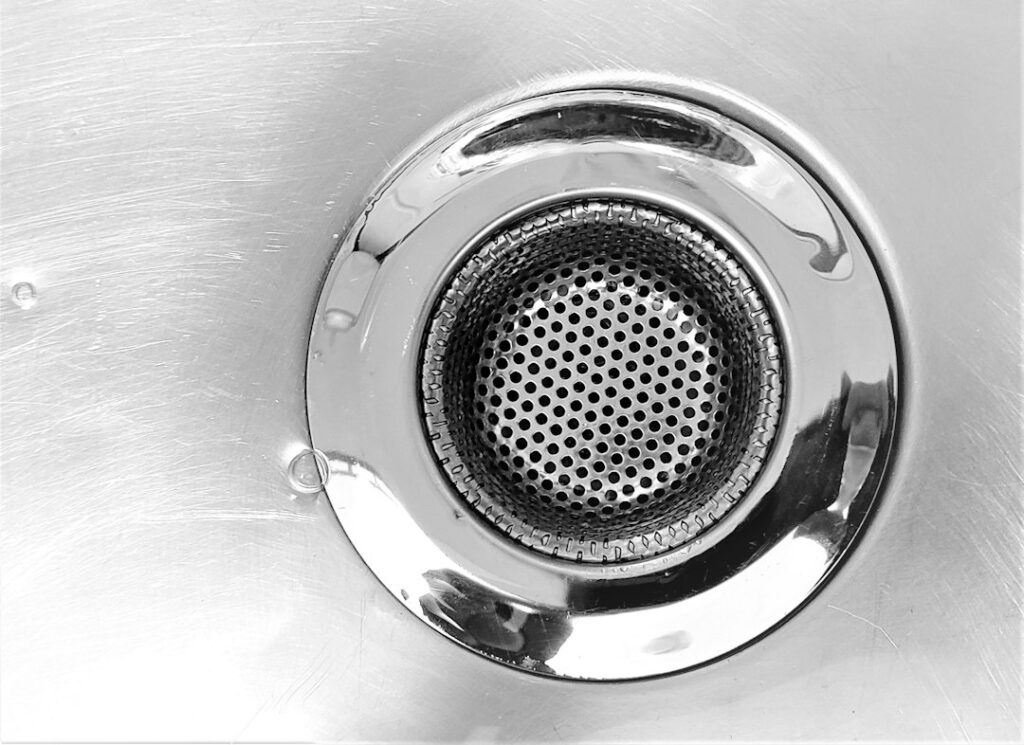
Most people never think about the tub drain stopper until the bath will not hold water or the shower leaves an ankle-deep puddle. The stopper is a small part, but it sits at the center of a surprising number of bathroom complaints: slow drains, hair clogs, water that leaks past the plug, and ceiling stains in the room below that trace back to the overflow plate rather than the faucet. This guide explains how the common stopper styles work, how each one comes out, how to tell a simple hair clog from a deeper drain problem, why the overflow gasket deserves attention, which chemical habits to avoid and what repairs typically cost. Anything involving the drain shoe, the waste-and-overflow assembly behind the tub or water damage in a ceiling is usually work for a licensed plumber.
Part of our Plumbing & Water guide — start there for the full picture →
Plumbing problem? Talk to a local plumber now.
📞 Call (877) 637-1527What a Tub Drain Stopper Does and Why It Fails
A tub drain stopper is the plug or valve that closes the tub’s drain opening so the bath can fill, then opens to let water out. It sits in the drain body, the threaded fitting at the bottom of the tub, which connects through a short tailpiece to a tee below the floor. A second opening, the overflow, sits high on the end wall of the tub behind a round or oval cover plate. The overflow and the drain join behind the tub in an assembly plumbers call the waste and overflow, and from there water runs through a trap and into the home’s drain system.
Stoppers fail in three predictable ways. Hair and soap scum wrap around the stopper’s post or linkage and slow the drain. Seals and rubber gaskets harden, crack or shift so water seeps out while the tub is supposed to be holding it. And the mechanism itself wears: springs weaken, set screws loosen, cables stretch and linkages slip out of adjustment. Each style of stopper has its own weak point, so identifying the type is the first step.
Common Types of Tub Drain Stoppers
Bathtubs in Front Range homes span decades of styles. A 1960s ranch in Lakewood may still have a trip-lever assembly, while a 2015 build in Castle Rock is more likely to have a toe-touch or lift-and-turn stopper. The visible part at the drain usually reveals which mechanism is installed.
Lift-and-turn
A lift-and-turn stopper has a small knob on top of the cap. The user lifts the stopper and twists it to lock it open or closed. Underneath, the stopper threads onto a post, and that post either threads into a crossbar in the drain body or is held by a set screw. Removal usually means opening the stopper, holding the body still and unscrewing the knob, then unscrewing the stopper itself counterclockwise. Some versions hide a set screw under the knob that has to be loosened with a small hex key or screwdriver first.
Toe-touch (foot-actuated)
The toe-touch stopper, also sold as a foot-lock or click stopper, is pushed down with a toe to close and pushed again to pop open. A spring cartridge inside the cap does the work. These are popular because there is nothing to grab, but the spring cartridge is the usual failure point: it can stick, stop latching or let the stopper sit too low. On most models the cap unscrews counterclockwise, revealing a threaded shaft that unscrews from the crossbar. Replacement cartridges and whole stopper kits are inexpensive.
Push-pull
A push-pull stopper looks similar to a lift-and-turn but has no twisting action. The knob is pulled up to open the drain and pushed down to seal it. Most push-pull stoppers unscrew from a post in the crossbar, though some have a set screw below the knob. Over time the internal O-ring wears and the stopper stops staying in the open position, sliding down and partially blocking the drain during a shower.
Trip-lever (plunger style)
Trip-lever assemblies are operated by a small lever on the overflow plate instead of anything at the drain. In the plunger version, flipping the lever lowers a brass plunger inside the overflow pipe until it blocks the flow, so the drain opening itself usually has only a fixed strainer. Two screws hold the overflow plate to the tub; removing them lets the whole linkage and plunger slide up and out. Hair collects on the linkage and plunger, and the linkage length can be adjusted to fix a tub that will not hold water or will not drain fully.
Pop-up (rocker arm)
A pop-up tub stopper also uses a lever on the overflow plate, but the lever connects to a spring and a rocker arm that pushes a visible metal stopper up and down at the drain. To remove it, the stopper is lifted while being wiggled so the rocker arm comes out through the drain opening, and the overflow plate screws are removed to pull out the lever linkage. Because the rocker arm sits directly in the drain path, this style tends to catch more hair than any other.
Tools and Steps for Removing a Stopper
For most stoppers, the toolkit is modest: a flat and a Phillips screwdriver, a small set of hex keys, needle-nose pliers, a flashlight, rubber gloves and a rag to protect the tub finish. A plastic hair-snare tool, the barbed strip sold at hardware stores for a few dollars, handles most hair clogs. For the drain body itself, plumbers use a drain key or tub drain wrench that fits into the crossbar; homeowners sometimes improvise with pliers, which can break the crossbar or chip the finish.
A practical sequence looks like this:
- Identify the type. Look for a knob, a toe cap, or a lever on the overflow plate.
- Lay down a towel. Small screws and set screws fall into the drain easily, so closing the drain opening with a rag first is a common precaution.
- Remove the stopper. Unscrew the cap or knob, loosen any set screw, or pull the rocker arm or plunger linkage out through its opening.
- Clean the hardware. Remove hair from the post, crossbar, spring or linkage, and soak mineral deposits in a mild vinegar solution if needed.
- Pull hair from the drain. Feed the hair-snare tool down past the crossbar and pull it out slowly.
- Test and reassemble. Run water to confirm flow, then reinstall the stopper and fill the tub a few inches to check that it holds.
Old chrome or brass parts can be seized with corrosion and mineral scale, which is common in areas with hard water. Forcing a stuck post can strip threads or crack the drain body. If the stopper refuses to budge, a plumber can usually remove it without damaging the tub, and the cost of that visit is often lower than replacing a cracked drain shoe.
Hair Clogs vs Deeper Drain Problems
Most slow tub drains are local. Hair combined with soap residue forms a mat around the stopper hardware or just below the crossbar, and cleaning the stopper restores normal flow. There are a few signs, though, that the problem is farther down the line:
- The tub is still slow after the stopper is removed and the opening is clear. The blockage may be in the trap or the branch line.
- Several fixtures are slow at once. If the bathroom sink, tub and toilet all drain sluggishly, a shared branch or the main line may be the issue. Our guide to the bathroom sink drain covers the sink side of that diagnosis.
- Gurgling. Gurgling from the tub when a toilet is flushed, or from the toilet when the tub drains, can point to a partial blockage or a venting problem.
- Water backs up into the tub from elsewhere. Water rising in the tub when a washing machine or another fixture drains is a strong sign of a downstream blockage that needs a plumber.
- Sewer odor. A persistent sewer smell may indicate a dried trap, a failed seal or a venting defect.
Hand snakes, also called drum augers, can reach a trap and the first few feet of pipe through the overflow opening or the drain. Plumbers typically go through the overflow because the path is straighter. Deeper clogs, particularly in older homes with galvanized or cast-iron drains, may need a powered auger or a camera inspection. A drain that clogs repeatedly despite regular cleaning is worth having inspected rather than repeatedly attacked with chemicals.
Overflow Gasket Leaks and Ceilings Below
The overflow is one of the least visible leak points in a bathroom. Behind the cover plate, a foam or rubber gasket seals the overflow pipe against the back of the tub wall. When that gasket compresses, dries out or was never seated correctly, water can escape every time the bath is filled above the overflow opening, or whenever a child splashes water against the end wall. The water runs down the outside of the tub, soaks the subfloor and often shows up first as a stain on the ceiling of the room below.
The same happens at the drain shoe. The drain body is sealed to the tub with plumber’s putty or a gasket, and if that seal fails, water leaks at the bottom of the tub during every shower, not just during baths. A useful clue: a ceiling stain that appears only after baths points toward the overflow gasket, while a stain that grows after every shower suggests the drain seal, the shower valve or the wall tile and grout. Our guide to the shower valve covers leaks that start higher in the wall.
Moisture inside a ceiling or floor cavity is the setup for mold. EPA’s guidance on mold and moisture emphasizes fixing plumbing leaks as soon as possible and drying water-damaged materials within 24 to 48 hours, noting that in most cases mold will not grow when wet materials are dried within that window. EPA also lists areas inside walls around leaking pipes and the top side of ceiling tiles among common locations for hidden mold. A stain below a tub should therefore be traced and fixed quickly, not just painted over. For signs that moisture has already caused growth, see our page on mold stains, and for locating the source, our guide to plumbing leak detection explains the tools professionals use.
Simple tests for an overflow leak
Many plumbers recommend a staged test. First, fill the tub to just below the overflow and leave it, checking the ceiling below and any access panel for drips. Then raise the level until water just enters the overflow. If dripping starts only after water reaches the overflow, the gasket or the overflow pipe joint is the likely culprit. If there is no access panel, a small inspection hole cut by a contractor is cheaper than a ceiling repair.
Drain Chemicals: What to Avoid
Chemical drain openers are tempting for a slow tub, but they come with real trade-offs. Many contain strong caustics or acids. They can splash, generate heat, and sit in a stopped-up tub where they become a hazard to anyone who reaches into the water or later works on the drain.
The biggest risk is mixing. Pouring one product after another, or following a drain opener with bleach or another cleaner, can cause a dangerous reaction. EPA’s mold guidance warns never to mix chlorine bleach with cleaning solutions or detergents that contain ammonia because toxic fumes could be produced, and the same caution applies to any combination of household chemicals in a closed drain. Product labels typically warn against mixing with other cleaners and specify ventilation and protective equipment.
Storage matters too. The U.S. Consumer Product Safety Commission advises keeping chemicals and cleaning supplies in a locked cabinet or box, out of the reach of children, and in their original child-resistant containers. A half-used bottle of drain opener on the edge of a tub is exactly the kind of hazard CPSC describes.
For routine maintenance, mechanical methods are usually safer and more effective on hair clogs: a drain strainer or hair catcher, periodic stopper cleaning, a plastic snare tool, or a plunger with the overflow opening covered by a wet rag so the plunger can build pressure.
Replacing a Stopper or the Whole Drain Assembly
When a stopper mechanism is worn out, replacement is usually simple. Most toe-touch, lift-and-turn and push-pull stoppers screw into a standard crossbar, and universal conversion kits let homeowners swap a trip-lever or pop-up system for a simpler cap-style stopper while blocking off the overflow lever with a solid faceplate. Kits typically include a new overflow gasket, which is a good reason to replace it at the same time.
Replacing the drain body, the drain shoe or the whole waste-and-overflow assembly is a bigger job. Access from behind or below the tub is often needed, and on tubs without an access panel that can mean opening a wall or ceiling. This is a reasonable point to bring in a plumber, especially on second-floor bathrooms where a mistake can soak the room below.
Costs and Hiring
Prices vary with the region, the tub style, access and the age of the plumbing. As a rough 2026 guide:
- DIY stopper cleaning: often a few dollars for a hair-snare tool and some time.
- Replacement stopper or conversion kit: commonly in the range of tens of dollars, more for designer finishes or full trim kits.
- Plumber to clear a clog or replace a stopper: frequently a minimum service charge, often around one to a few hundred dollars depending on the market and time of day.
- Overflow gasket or drain shoe repair with good access: commonly a few hundred dollars.
- Full waste-and-overflow replacement without access: can run higher, especially once drywall, ceiling repair and painting are included.
- Water damage and mold remediation: highly variable, and the main reason to address a leak early.
Ask for written quotes that state whether drywall or ceiling repair, gasket replacement and finish-matched trim are included.
What a home inspector checks
Under the ASHI Standard of Practice, inspectors inspect interior drain, waste and vent systems including fixtures, and describe drain piping materials. In practice that usually means running water in the tub, watching for functional drainage, checking whether the stopper operates and looking for stains, soft spots or damage around the tub and on ceilings below. The same standard lists filling shower pans and fixtures to test for leaks among things inspectors are not required to do, so a full flood test of the overflow is generally outside a standard inspection. A suspicious ceiling stain below a bathroom typically leads to a recommendation for a plumber to investigate. Our plumbing and water inspections section covers the rest of the plumbing walk-through, and the main guide to hiring a home inspector explains how to choose a qualified inspector.
More Questions About Tub Drain Stoppers
How do you unclog a bathtub drain without chemicals?
A bathtub drain can usually be unclogged without chemicals by removing the stopper and pulling out the hair clog with a plastic drain snake or needle-nose pliers. Most tub clogs sit just below the stopper or around the linkage in the overflow.
If that does not clear it, a cup plunger with the overflow plate covered by a wet rag can push the clog through. A small hand auger can reach deeper. Boiling water and baking soda work poorly on hair clogs and can stress older plastic drain fittings.
How often should a bathtub drain be cleaned?
Cleaning a bathtub drain every few months prevents most slow drains, especially in tubs used daily or by people with long hair. Pull and rinse the stopper, remove visible hair, and flush the drain with hot tap water.
A simple hair catcher over the drain cuts down on clogs considerably. Tubs with trip-lever stoppers benefit from occasionally pulling the linkage through the overflow and cleaning the plunger, since hair and soap wrap around it and slow drainage.
Can you replace a tub stopper without replacing the drain?
Yes, most tub stoppers can be replaced without replacing the drain, as long as the new stopper matches the drain’s thread size or uses a universal adapter. Lift-and-turn, toe-touch, and push-pull stoppers usually unscrew from a crossbar or post.
Bring the old stopper to the store to match it, or measure the thread. If the drain body is corroded, cracked, or leaking at the tub, replacing the shoe and flange may be needed, which is a bigger job that often requires access from below.
Why does my bathtub gurgle when draining?
A gurgling bathtub drain usually means air is being pulled through the trap because of a partial clog or a venting problem. As water rushes past a restriction, it creates suction that pulls air through the drain.
Clear the drain first, since hair clogs are the most common cause. If gurgling continues after cleaning, or other fixtures gurgle too, the plumbing vent may be blocked or the main line partially clogged. A plumber can check the vent and run a camera if needed.
References
- A Brief Guide to Mold, Moisture and Your Home — U.S. Environmental Protection Agency
- Poison Prevention Information Center — U.S. Consumer Product Safety Commission
- Fix a Leak Week — U.S. Environmental Protection Agency WaterSense
- ASHI Standard of Practice for Home Inspections — American Society of Home Inspectors
Frequently asked questions
How do I know what type of tub drain stopper I have?
Look at the drain and the overflow plate. A knob on the stopper suggests lift-and-turn or push-pull, a smooth cap you press with your foot is a toe-touch, and a lever on the overflow plate means a trip-lever or pop-up assembly.
Why won't my bathtub hold water?
The stopper seal may be worn, the stopper may be sitting too high, or a trip-lever or pop-up linkage may be out of adjustment. Cleaning the hardware and adjusting or replacing the stopper fixes most cases.
Can a tub overflow leak cause a ceiling stain?
Yes. A failed overflow gasket can leak whenever the water level reaches the overflow, and the water often shows up on the ceiling below. EPA advises fixing leaks and drying wet materials within 24 to 48 hours to limit mold growth.
Are chemical drain cleaners safe for a tub drain?
They can splash, generate heat and react dangerously with other cleaners. Never mix products. Mechanical methods such as a hair-snare tool, plunger or auger are usually safer for hair clogs.
How much does it cost to fix a tub drain stopper?
A replacement stopper is often in the tens of dollars, and a plumber visit commonly starts around one to a few hundred dollars. Overflow or drain shoe repairs without access cost more. These are general 2026 ranges.
Are toe-touch tub stoppers reliable?
Toe-touch tub stoppers are convenient but tend to wear out faster than lift-and-turn styles because the spring mechanism collects hair and soap scum. Regular cleaning keeps them working. When the spring weakens and the stopper will not stay open or closed, replacing the stopper cartridge is an easy, inexpensive fix.
What size is a standard bathtub drain stopper?
Many tub drain stoppers use a 3/8-inch or 5/16-inch thread on the crossbar post, but sizes vary by manufacturer and age. Unscrew the old stopper and bring it to a hardware store, or buy a replacement kit with multiple adapters. Measuring the drain opening alone will not confirm the thread.
Should a bathtub drain stopper be left open or closed?
A bathtub drain stopper should usually be left open between uses so the tub dries and the drain does not hold stagnant water. A closed stopper can trap moisture and soap residue, which encourages odors and mildew. Close it only when filling the tub or when keeping small items from falling in.
Seeing a stain under the bathroom or a tub that never drains right? Reach out to us to connect with a Front Range inspector who can check fixtures, drains and the ceilings below them.