Spray That Kills Mold and Mildew: Buyer Guide
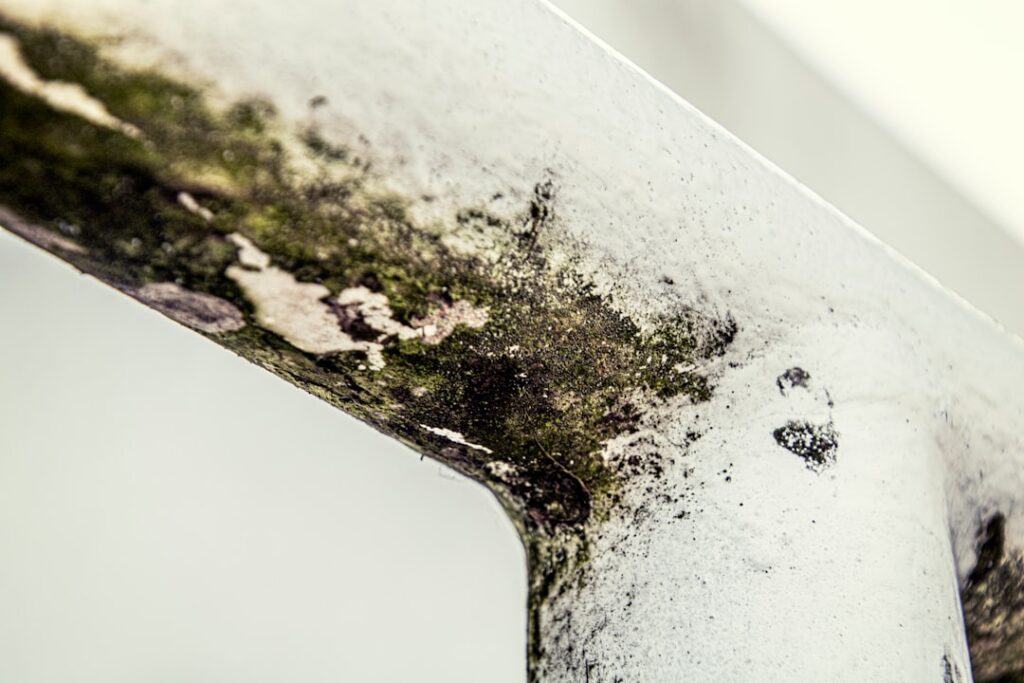
Reaching for a spray that kills mold and mildew is most homeowners’ first move when they spot dark speckling along a bathroom ceiling or a damp basement wall. The aerosol or trigger bottle promises to wipe the problem away in minutes, and on a hard, non-porous surface it often does. The catch is that a chemical only handles what you can see and reach today. Mold is a symptom of excess moisture, and spraying without correcting the water source leaves the colony free to return within weeks. This guide summarizes EPA and CDC guidance current as of 2026, and it is general information, not medical advice or a substitute for a certified mold professional’s judgment.
Part of our Mold Removal & Remediation guide — start there for the full picture →
Is this mold, asbestos, or water damage? Get a free instant screen
Upload a clear photo of the suspect area. You'll get an instant AI screening opinion and what to do next. This is screening guidance, not a professional determination.
Screening guidance only. AI can be wrong. Confirm asbestos, mold type, or lead with lab testing or a licensed professional before acting.
What “Kills Mold” Actually Means on a Label
Marketing language blurs three different actions: killing, removing, and inhibiting. A product can claim to kill mold if it disrupts the living cells of the fungus, but dead mold can still discolor a surface and still contain proteins that trigger allergic reactions. The EPA stresses that whether mold is alive or dead, the goal is physical removal, not just chemical deactivation. That distinction matters when you read a can that boasts a high kill rate but leaves a gray stain behind.
Sprays fall into a few chemistry families. Sodium hypochlorite, the active ingredient in chlorine bleach, oxidizes mold pigments and is the basis of many bathroom mold-and-mildew sprays. Quaternary ammonium compounds, often shortened to “quats,” act as broad disinfectants and appear in many commercial formulas. Hydrogen peroxide products oxidize without chlorine fumes, and they tend to be gentler on colored grout. Each of these works best on sealed, non-porous materials where the spray sits on the surface rather than soaking in.
Active Ingredients and Where Each One Fits
Choosing among sprays comes down to the surface and your tolerance for fumes. The most common options each have a clear lane.
Chlorine Bleach Formulas
Diluted sodium hypochlorite removes staining fast and is cheap. It struggles on porous surfaces because the water carries chlorine away while the active ingredient stays on top. Bleach also gives off chlorine gas, so ventilation is non-negotiable, and it must never be mixed with ammonia-based cleaners, which produces toxic chloramine vapor.
Hydrogen Peroxide and Oxygen Sprays
A three to ten percent hydrogen peroxide solution kills many mold species and breaks down into water and oxygen, leaving no chlorine residue. It is a reasonable pick for grout and tile where color-safe action matters. It still does not penetrate deeply, so it shares the same porous-material limit as bleach.
EPA-Registered Disinfectant Sprays
Some sprays carry an EPA registration number, which means the manufacturer submitted efficacy data for specific organisms. A registration is not a license to skip moisture control. The EPA is explicit that biocides and sanitizers are not a substitute for fixing the underlying water problem, and routine use of a disinfectant to control mold is not recommended for most household situations.
The Caveat Every Spray Hides: Moisture Control
This is the part the bottle will not tell you. Mold grows because spores, which are everywhere indoors and out, found a wet surface and food. Drywall paper, wood, dust, and soap film all feed it. Kill the visible patch with a spray and the spores remain in the air; the moment humidity climbs again, a new colony seeds itself on the same damp spot. The EPA’s mold guidance puts moisture control at the center of every recommendation, ahead of any product choice.
Practically, that means tracing the water. A bathroom ceiling that keeps molding usually needs a working exhaust fan vented outdoors, not a stronger spray. A basement corner that returns each spring points to a grading or foundation drainage issue. Indoor humidity above roughly 60 percent lets mold thrive on many surfaces, so the CDC recommends keeping indoor relative humidity between 30 and 50 percent, often with a dehumidifier in damp Front Range basements. Until the moisture is handled, you are buying a temporary cosmetic result. Our overview of how moisture and mold connect is covered in the plain-language mold inspection hub, which frames spraying as one step inside a larger plan.
Porous vs. Non-Porous: Why the Same Spray Fails Twice
The single biggest predictor of whether a spray will work long-term is what it is sprayed on. Hard, sealed surfaces, such as glazed tile, glass, metal, sealed countertops, and finished trim, let the chemical sit on top, do its work, and wipe clean. Mold on these materials is usually surface staining and responds well to a spray-and-wipe routine.
Porous and semi-porous materials behave differently. Drywall, bare wood, ceiling tile, carpet, and insulation absorb water and let mold roots, called hyphae, grow below the surface. A spray reaches the top layer but cannot follow the growth into the material. The EPA generally recommends discarding and replacing porous items that have absorbed mold and moisture rather than trying to disinfect them in place. So a spray that looks like it “won” on a painted drywall wall may have only bleached the visible bloom while living mold persists inside the gypsum.
Using a Mold-and-Mildew Spray Safely
Even routine cleaning carries exposure risks worth managing. OSHA and the CDC both note that disturbing mold releases spores, and chlorine and ammonia products produce respiratory irritants. A few habits keep the job low-risk.
Ventilate the room first by opening windows and running an exhaust fan. Wear an N95 respirator, not a loose dust mask, plus gloves and eye protection, because splashes and airborne spores are the main hazards. Never combine cleaners; the bleach-plus-ammonia reaction is a recurring cause of household poisonings. Limit how much you scrub, since aggressive dry brushing aerosolizes more spores than a damp wipe. If the moldy area is larger than about ten square feet, the EPA suggests considering professional remediation rather than a consumer spray, because containment and air management start to matter at that scale.
People with asthma, allergies, or weakened immune systems should let someone else do the spraying or step out of the home while it is done. For symptoms that may be tied to mold exposure, a physician is the right resource, not a cleaning product label.
When a Spray Is the Right Tool and When It Is Not
A spray earns its place on small, fresh, surface-level growth on a material you can clean and keep dry. A few square inches of mildew on shower grout, a film on a window sill, or a spot on a sealed cabinet are all good candidates for a spray-and-wipe approach followed by better ventilation. In those cases the chemistry and the prevention work together.
The tool stops being appropriate when the growth is widespread, recurs after cleaning, sits on saturated drywall or carpet, follows a flood or sewage backup, or comes with a persistent musty odor that suggests hidden colonies. Recurrence is the clearest signal that the real problem is water, not a weak product. Homeowners weighing products against a deeper fix will find the trade-offs laid out in our guide to mold killing products and what they can and cannot do, and the broader removal workflow in the complete mold remover guide.
Treat any spray as the last five percent of a project that is ninety-five percent about keeping the surface dry. The bottle handles the bloom; your dehumidifier, fan, and drainage repair handle the cause.
How Mold and Mildew Sprays Compare to Plain Cleaning
Many homeowners assume a dedicated mold-and-mildew spray must outperform basic cleaning, but the EPA’s guidance complicates that assumption. For most hard-surface mold, the agency states that scrubbing with detergent and water is sufficient, because the work that matters is mechanical removal rather than chemical kill rate. A spray adds disinfection and stain bleaching, which can be convenient, yet neither of those is what stops mold from returning.
The practical difference shows up in three areas. Speed and staining favor a chemical spray, especially a bleach-based one, which lifts discoloration faster than detergent alone. Cost and safety favor detergent and water, which carries no fumes and costs almost nothing. Long-term outcome favors neither, because both depend entirely on the moisture fix that follows. A homeowner who understands this stops overspending on premium sprays and starts spending on the dehumidifier or fan repair that actually changes the outcome.
There is also a residue consideration. Bleach sprays can leave a chlorine smell and may lighten grout and fabric, while detergent rinses clean. For households sensitive to chemical odors, the gentler route often makes more sense, particularly because the cleaning power difference is modest on small, fresh growth.
Common Mistakes That Make Sprays Fail
Most spray disappointments trace to a handful of repeated errors rather than a weak product. The first is spraying and walking away without wiping, which leaves dead-but-staining mold and allergenic residue on the surface. The EPA’s emphasis on physical removal means the wipe is not optional.
The second mistake is using a spray on porous material and judging success by the clean-looking face. A painted drywall wall can look spotless after spraying while living mold continues inside the gypsum, ready to bloom again. The third is ignoring the moisture source entirely, treating the spray as a cure rather than a cleanup step. The fourth is over-applying in poorly ventilated spaces, which raises fume exposure without improving results. The fifth, and most dangerous, is mixing products; combining a bleach spray with an ammonia cleaner produces toxic chloramine gas.
Avoiding these five errors converts a spray from a temporary cosmetic fix into a genuine part of a working plan. The pattern across all of them is the same: the spray is a tool for the surface, and it has to be paired with removal and a moisture correction to mean anything lasting. The pattern across all of them is the same: the spray cleans the surface, while removal and a moisture correction do the work that lasts.
Preventing Regrowth After You Spray
Once the visible growth is cleaned and the surface is dry, the work that actually keeps mold away is environmental, and it is worth treating as the main event rather than the cleanup’s afterthought. Mold needs moisture, so denying it moisture is the whole strategy. The CDC’s recommended indoor humidity range of 30 to 50 percent is the benchmark, and an inexpensive hygrometer lets a homeowner see whether a room is in that range or drifting into mold territory.
Ventilation does much of the heavy lifting. Bathrooms need an exhaust fan that vents outdoors and runs during and after showers, sized to the room rather than left undersized from the builder. Kitchens benefit from running the range hood while cooking. Dryer vents must terminate outside, never into a crawl space or attic, where they dump moisture that feeds mold. In damp basements along the Front Range, a dehumidifier is frequently the single most effective regrowth-prevention tool a home can have.
Beyond mechanical systems, ordinary habits matter. Wiping down shower walls after use, fixing small leaks promptly rather than letting them linger, and addressing condensation on cold windows and walls all remove the small, repeated wettings that seed new growth. A surface dried within a day or two rarely grows mold; one left damp for a week often does.
Monitoring the previously affected spot ties the effort together. If it stays clean and dry over the following weeks, the moisture fix worked and the spray will not be needed again. If mold returns, that is direct evidence the water source remains, and it points toward a deeper repair or a professional assessment rather than another round of spraying. Framed this way, the spray is the smallest part of a plan whose real substance is keeping surfaces dry.
References
- Mold Cleanup in Your Home — U.S. Environmental Protection Agency
- About Mold and Your Health — Centers for Disease Control and Prevention
- A Brief Guide to Mold, Moisture and Your Home — U.S. Environmental Protection Agency
Frequently asked questions
Does a spray that kills mold actually remove the stain?
Not always. A spray can deactivate living mold while leaving discoloration behind, because dead mold pigments and proteins remain on the surface. The EPA emphasizes physical removal, so plan to wipe or scrub the area after the chemical has worked.
Will spraying mold stop it from coming back?
No, not on its own. Mold returns whenever the surface gets damp again. Lasting control requires fixing the moisture source and keeping indoor humidity between 30 and 50 percent, which the spray alone cannot do.
Is it safe to spray mold on drywall?
A spray only treats the surface, and drywall is porous, so mold can keep growing inside the gypsum. The EPA generally recommends replacing absorbent materials that have soaked up mold and moisture rather than spraying them.
What size of mold problem is too big for a spray?
The EPA suggests considering professional remediation when the moldy area is larger than about ten square feet, or when it follows flooding or sewage. At that scale, containment and air management matter more than any consumer product.
Front Range homeowners who keep re-cleaning the same moldy spot can connect with a vetted local inspector through our contact page to find the moisture source a spray will never fix.