Shower Diverters: Tub Spout Leaks and Valve Diverters
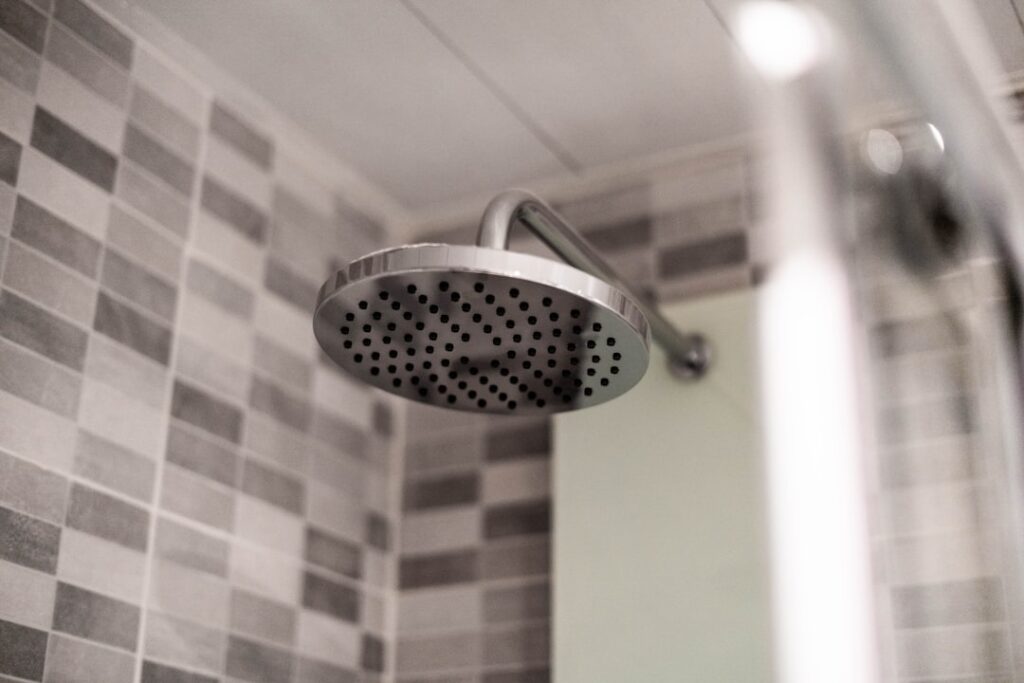
In a tub-and-shower combination, the same hot and cold water feeds two outlets: the tub spout near the floor and the showerhead overhead. Something has to decide where the water goes, and that something is the diverter. When it works, a pull of a knob or a turn of a handle sends the full flow up to the showerhead. When it wears out, water keeps pouring from the spout during a shower, pressure at the showerhead drops and the knob may stick or refuse to stay up. A failing shower diverter wastes water and hot water energy, and it is one of the more common small findings inspectors note in bathrooms. This guide explains the three main diverter designs, the symptoms of each kind of failure, how diverters relate to valve cartridges and anti-scald protection, what a home inspector looks for and what repairs commonly cost.
Part of our Plumbing & Water guide — start there for the full picture →
What a Shower Diverter Does
A diverter is a valve that redirects water from one outlet to another. In most tub-shower combinations, water from the mixing valve flows down to the tub spout by default. The diverter blocks that path, and the water, now with nowhere else to go, rises through the riser pipe to the showerhead. Turn the diverter off or shut the water off and the system returns to its default, with water flowing to the spout.
The basic job is simple, but diverters are built in several ways. The design determines how they fail, how they are repaired and whether the fix involves the spout, the valve behind the wall or a separate control. There are three main types in homes along the Front Range and across the country.
The Three Types of Shower Diverters
Tub spout diverters (lift-gate or pull-up)
The most common type in single-handle tub-showers. The diverter is a gate built into the tub spout itself, operated by a knob or lever on top or front of the spout. Pulling up the knob closes a gate inside the spout, and water pressure holds it closed until the water is turned off, when the gate drops back down. Because the mechanism is inside the spout, the fix for a worn tub spout diverter is usually replacing the whole spout, which is an inexpensive part.
Tub spouts attach to the pipe stub in one of three ways: threaded onto a threaded nipple, slipped over a copper stub and fastened with a set screw underneath, or, on some newer systems, a proprietary connection. The replacement spout has to match the connection type and the length of the pipe stub coming out of the wall. The tub spout replacement guide walks through identifying the connection type and measuring the stub before buying a new spout.
Two-handle and three-handle valve diverters
Older tub-showers, particularly in homes built before the 1990s, often have separate hot and cold handles. In a three-handle setup, the middle handle is the diverter, a stem valve with its own washer or cartridge that routes water to the showerhead or the spout. Some two-handle valves place the diverter function in a separate stem as well. When this kind of diverter wears, the fix is typically replacing the diverter stem, its washer, seat or cartridge, which requires matching parts from the original valve manufacturer.
Separate diverter valves and transfer valves
Larger custom showers with multiple outlets, such as a fixed head, handheld wand and body sprays, often use a dedicated diverter or transfer valve with its own trim. These may route water to two, three or more outlets and may allow two to run at once. Some single-handle valves also integrate a diverter position into the main valve body, where turning or pushing a control selects the outlet. These designs are serviced through the valve’s own cartridge or diverter insert.
Symptoms of a Failing Diverter
Diverter problems tend to show up in a few recognizable ways.
Water from both spout and showerhead
The most common complaint. With the diverter engaged, some water still runs from the tub spout while the shower is on. On a lift-gate spout, the internal gate or its seal has worn, been scored by mineral deposits or is not seating fully. On a three-handle valve, the diverter washer or cartridge is leaking past its seat. A small trickle may seem harmless, but every gallon that goes to the drain instead of the showerhead is heated water wasted, and a heavy leak can cut showerhead flow noticeably.
A diverter that will not stay up or is stuck
A lift-gate knob that drops during a shower, or one that will not lift at all, often points to scale or a broken internal part. Hard water deposits can build up on the gate and in the spout. Some homeowners clean the spout with a descaling solution, but a worn gate usually means replacement. A three-handle diverter that is hard to turn or will not turn fully may have a corroded stem or seized cartridge.
Low showerhead pressure
Weak flow at the showerhead with strong flow at the spout has several possible causes. A partly leaking diverter is one. A clogged showerhead or flow restrictor is another, and that is easy to check by removing the head. The valve cartridge, which controls volume and temperature, can also restrict flow as it scales up. Pressure-balancing valves can reduce flow if one supply side is restricted, which can mimic a diverter problem. Working through the simplest causes first saves money.
Water dripping from the spout when the shower is off
Dripping from the spout with the valve fully closed is usually not a diverter problem. It typically means the main valve cartridge or washers are not shutting off completely. EPA WaterSense notes that for shower valves that drip when not in use, homeowners should contact an experienced handyperson or licensed plumber. The shower cartridge replacement guide explains how to identify the cartridge and what replacement involves.
How Diverters Relate to Valves, Cartridges and Anti-Scald Protection
The diverter does not control temperature or volume. That job belongs to the mixing valve, which in most modern single-handle showers is a pressure-balancing or thermostatic valve with a replaceable cartridge. The shower valve guide explains how those valves work and why the brand and model matter for repairs.
Anti-scald protection is part of the valve, not the diverter. Pressure-balancing valves adjust for sudden changes in hot or cold supply pressure, such as a toilet flushing elsewhere, while thermostatic valves respond to outlet temperature. Many single-handle valves also have a rotational limit stop that caps how far the handle turns toward hot. Plumbing codes in most jurisdictions call for anti-scald shower valves in new installations, but older showers may lack them. A thermostatic mixing valve is another layer of protection that can be installed at the water heater or at a fixture group.
There is one practical connection between diverters and valves. On some valves, a stuck diverter or partially closed outlet can change flow in a way that affects how the anti-scald mechanism responds. If temperature becomes unstable after a diverter or showerhead change, a plumber may need to check the valve.
Showerheads and diverters together
When a diverter leaks, homeowners sometimes blame the showerhead. Removing the head and checking the flow from the shower arm can help separate the two. If the arm flow is strong, the head or its restrictor is the problem. Our guide to shower head replacement covers removing old heads, cleaning or replacing restrictors and sealing threads. EPA WaterSense notes that some leaky showerheads can be fixed by making sure there is a tight connection between the head and the pipe stem, using pipe tape, and suggests checking and replacing the washer or O-ring inside the head during the repair.
Water Waste and Efficiency
A leaking diverter is a direct water and energy loss, since the water escaping through the spout has usually been heated. EPA WaterSense says showering accounts for nearly 17 percent of residential indoor water use, nearly 40 gallons per day for the average family. Standard showerheads use 2.5 gallons per minute, while WaterSense-labeled models must use no more than 2.0 gallons per minute and are independently certified to meet spray force and coverage criteria.
WaterSense estimates that the average family could save 2,700 gallons per year by installing WaterSense-labeled showerheads, and that the savings reduce demand on water heaters as well. Its statistics page adds that replacing showerheads with WaterSense-labeled models can cut the average family’s water and electricity costs by $70 per year. A diverter that sends part of the flow down the drain undercuts those gains, so fixing a leaky diverter and upgrading the showerhead often make sense as one project.
Leaks at shower fixtures add up quietly. WaterSense notes that a showerhead leaking at 10 drips per minute wastes more than 500 gallons per year. A spout that keeps running during every shower in a busy household can waste considerably more, though the exact amount depends on the size of the leak and how long showers run.
Choosing the Right Replacement Part
Most failed diverter repairs come down to the wrong part rather than a difficult job. A few details make the difference.
Matching a tub spout
Before buying a spout, look underneath the old one. A small hex set screw means a slip-on spout that clamps to a smooth copper stub; loosening the screw lets the spout slide off. No set screw usually means a threaded spout that unscrews counterclockwise from a threaded nipple. With the old spout off, measure how far the pipe stub projects from the finished wall. Slip-on spouts accept a limited range of stub lengths, and threaded spouts need the nipple to reach the internal threads without bottoming out. A stub that is too short or too long can leave a gap at the wall, a crooked spout or a diverter that does not seal. Many replacement spouts include adapters for both connection types.
When a threaded spout is reinstalled, the nipple threads are usually wrapped with thread tape or sealant, and the gap between the spout and the wall is sealed with a bead of silicone or a gasket so shower water cannot run behind the tub surround.
Matching valve diverter parts
For three-handle and integrated diverters, the valve brand and model drive everything. The brand name is often on the handle cap, escutcheon or trim plate. Taking the old stem or cartridge to a plumbing supply house is often the fastest way to match it, especially for older valves whose original maker has been acquired or discontinued parts. Universal diverter stems exist for some common valve families, but fit and seal quality vary. If parts are unavailable, a valve replacement or a conversion kit that covers the old openings may be the realistic option.
Shut the water off first
Spout replacement can usually be done with the shower valve closed, since the spout sits downstream of the valve. Diverter stem or cartridge work requires shutting off the supply to the shower, either at local stops behind an access panel or at the home’s main shutoff.
What a Home Inspector Checks
The ASHI Standard of Practice requires inspectors to inspect interior water supply and distribution systems, including fixtures and faucets, and interior drain, waste and vent systems, including fixtures. Inspectors are not required to fill shower pans and fixtures to test for leaks, or to measure water supply flow and pressure. In a bathroom, a typical inspection includes operating the shower and tub controls in normal use and noting:
- Water running from the tub spout while the diverter is engaged.
- A diverter knob or handle that is stuck, broken or will not stay in position.
- Noticeably weak showerhead flow compared with the spout.
- Dripping from the spout or showerhead with the valve closed.
- Loose tub spouts, gaps between spout and wall or missing escutcheons that could let water behind the wall.
- Handles that are loose, hard to operate or missing trim.
Inspectors do not open walls to look at valve bodies, and they generally do not test anti-scald performance with instruments, though some note very hot water at fixtures. A diverter finding is usually a minor repair recommendation, but a loose spout or gap at the wall deserves prompt sealing because water can get behind the tile or surround. The plumbing and water inspection section covers the plumbing portion of an inspection in more detail, and the home inspector hiring guide explains how to choose an inspector.
Repair Options and Typical Costs
Most diverter repairs are modest. The right fix depends on the type:
- Tub spout diverter: replace the spout. Retail spouts with diverters are often inexpensive, roughly in the range of twenty to fifty dollars for basic models, more for designer finishes. A handy homeowner can often do the job in under an hour if the connection type and stub length are matched correctly.
- Three-handle or two-handle diverter stem: replace the diverter stem, washer or cartridge. Parts cost varies widely by brand and age. A plumber visit commonly runs in the low hundreds of dollars, more if parts are hard to source.
- Integrated single-handle diverter or separate transfer valve: replace the cartridge or diverter insert. Parts for major brands are often available, and labor is similar to a cartridge replacement.
- Valve replacement: if the old valve is obsolete, parts are unavailable or the owner wants anti-scald protection, replacing the valve body behind the wall may be needed. That often means opening the wall or working through an access panel and can run into the mid hundreds to over a thousand dollars, depending on tile and access.
These are rough 2026 ranges. Ask for written quotes that identify the valve brand and model, the parts being replaced and whether wall or tile repair is included. Valve replacement in Colorado may require a plumbing permit in some jurisdictions.
Quick checks before calling a plumber
- Remove the showerhead and check flow from the shower arm.
- Check whether the spout drips with the valve fully off, which points to the cartridge rather than the diverter.
- Look under the spout for a set screw to identify a slip-on spout.
- Note the valve brand from the handle or trim to simplify parts sourcing.
References
- Showerheads — U.S. EPA WaterSense
- Fix a Leak Week — U.S. EPA WaterSense
- WaterSense Statistics and Facts — U.S. EPA WaterSense
- ASHI Standard of Practice for Home Inspections — American Society of Home Inspectors
Frequently asked questions
Why does water come out of the tub spout and showerhead at the same time?
Usually the diverter is worn. On a lift-gate spout, the internal gate or seal is not sealing fully, often from wear or mineral buildup. On a three-handle valve, the diverter washer or cartridge is leaking past its seat.
How do I fix a shower diverter that will not stay up?
On a tub spout diverter, scale or a broken gate is the usual cause, and replacing the spout is typically the fix. Match the connection type, threaded or slip-on with a set screw, and the length of the pipe stub.
Is a dripping tub spout a diverter problem?
If the spout drips with the shower valve fully off, the main valve cartridge or washers are usually at fault, not the diverter. EPA WaterSense suggests contacting a handyperson or licensed plumber for shower valves that drip when not in use.
Can a bad diverter cause low shower pressure?
Yes. If part of the flow escapes through the spout, less reaches the showerhead. A clogged showerhead, flow restrictor or scaled valve cartridge can cause similar symptoms, so check those too.
How much does shower diverter repair cost?
A replacement tub spout with a diverter often costs roughly twenty to fifty dollars for basic models. A plumber repairing a valve-type diverter commonly charges in the low hundreds of dollars. Full valve replacement costs more. These are rough 2026 ranges.
Planning a purchase and want someone to run every shower and tub before closing? Send us a note and we will connect you with a Front Range inspector who checks fixtures room by room.