Shower Head Replacement: Flow Rates, Threads and Leaks
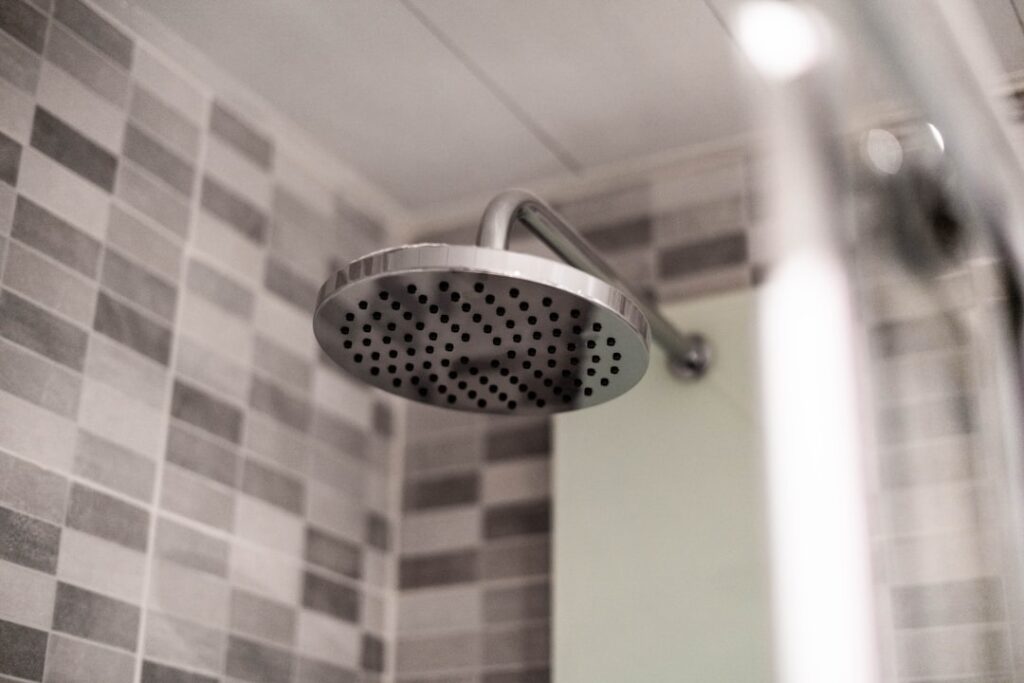
A shower head is one of the few plumbing fixtures most homeowners will change themselves, and for good reason: on a standard shower arm, the job usually takes a wrench, a roll of thread tape and a few minutes. Problems start when the new head does not solve the complaint that prompted the change. Weak spray, sputtering, temperature swings and drips can come from the head, but they can also come from the valve behind the wall, mineral scale, a flow restrictor, low household pressure or a loose shower arm. Knowing which is which saves money and avoids replacing the wrong part. This guide covers how shower heads connect, thread tape technique, flow restrictors and WaterSense flow rates, low-pressure diagnosis, mineral clogs, filters, handheld and rain heads, arm leaks, valve cartridge versus head problems, scald safety and typical costs.
Part of our Plumbing & Water guide — start there for the full picture →
How a Shower Head Connects
In most North American showers, the head threads onto a shower arm, the short bent pipe that comes out of the wall. The arm itself threads into a drop-ear elbow (often called a shower ell) fastened to framing behind the wall, which is fed by a pipe from the shower valve. A decorative flange, or escutcheon, slides over the arm to cover the hole in the wall tile.
Shower arms and heads typically use standard 1/2-inch pipe threads. Most heads seal with a rubber washer or O-ring inside the connector, and thread tape helps seal the threads and makes later removal easier. Rain heads may mount on longer arms from the wall or on ceiling-drop arms, and handheld units connect through a diverter or holder bracket.
Parts worth knowing
- Shower arm: The bent pipe from the wall. Usually inexpensive and replaceable.
- Escutcheon: The trim flange at the wall. Gaps here let water into the wall cavity.
- Head connector and washer: The swivel ball or straight fitting on the head, with its sealing washer.
- Flow restrictor: A small disk or insert inside the head’s inlet that limits gallons per minute.
- Valve and cartridge: Behind the handle in the wall, controlling temperature and volume.
Thread Tape and Installation
A basic shower head replacement follows a simple sequence:
- Turn the head counterclockwise to remove it. If it is stuck, grip the head with a wrench or pliers padded by a cloth, and hold the shower arm steady with a second wrench or a hand so the arm does not twist inside the wall.
- Clean old tape, scale and debris from the arm threads with a cloth or soft brush.
- Wrap new thread tape (PTFE tape) clockwise around the arm threads, as seen looking at the end of the arm, usually two or three wraps. Wrapping in the wrong direction lets the tape unravel as the head is threaded on.
- Check that the new head’s washer is seated in the connector.
- Thread the head on by hand, then snug it gently with a padded wrench if needed. Overtightening can crack plastic connectors or distort the washer.
- Run the water and check for drips at the connector and around the escutcheon.
Holding the arm while turning the head matters more than many people expect. An arm that twists can loosen at the drop-ear elbow inside the wall, creating a hidden leak that may not show up until drywall on the other side of the wall gets stained. If the arm feels loose or wobbly, the fastening at the elbow should be checked before installing a heavy head.
Flow Restrictors and WaterSense Showerheads
Showerheads sold in the United States have a federal maximum flow rate, and EPA notes that standard showerheads use 2.5 gallons per minute. EPA’s WaterSense program sets a lower bar: according to EPA, WaterSense labeled showerheads must demonstrate that they use no more than 2.0 gallons per minute, and the label also indicates the products provide a satisfactory shower equal to or better than conventional models. EPA says it developed criteria for water coverage and spray intensity with stakeholders, including consumers who tested showerheads, and that labeled products must be independently certified.
EPA estimates that the average family could save 2,700 gallons per year by installing WaterSense labeled showerheads, and that because less hot water is used, the energy savings follow as well. Some states and utilities set stricter limits or offer rebates, so local rules and programs are worth checking.
Removing flow restrictors
Some homeowners remove the flow restrictor to get more flow. This can increase water and energy use, may void the warranty, and in many cases does not fix the underlying complaint, which is often low household pressure or scale. Modern efficient heads use spray design and air induction to make lower flow feel stronger, so a different model may do more than removing the restrictor. Where restrictors clog with debris, cleaning them is a better first step.
Heads and water heater capacity
High-flow rain heads, body sprays and multi-head systems can use far more hot water than a single standard head. A tank water heater may run out partway through a shower, and a tankless unit may not keep up with the flow at the desired temperature in cold months. Anyone planning a multi-head shower should have the valve, piping and water heater sized for it.
Choosing a Replacement Head
Shower heads differ in more ways than flow rate. Matching the head to the household, the water and the existing plumbing avoids a second trip to the store.
Spray patterns and settings
Fixed single-setting heads are simple and have fewer internal parts to clog. Multi-function heads offer several patterns, such as a full spray, a concentrated massage jet and a gentle mist, selected by rotating the face or a lever. More settings mean more internal channels, which can be more sensitive to scale in hard-water areas. Air-induction heads mix air into the stream to make lower flow feel fuller, while laminar or rain designs produce larger droplets.
Materials and build
Plastic heads with chrome or other finishes are light and inexpensive, and most perform well. All-metal heads are heavier and often more durable, but their weight puts more load on the arm and the elbow behind the wall. Swivel ball connectors let the head be angled; a stiff or leaking swivel usually means a worn internal washer.
Height, reach and accessibility
Tall household members may want an extension or adjustable arm that raises the head without moving the plumbing. Handhelds on slide bars accommodate users of different heights and people who need to sit, and lever-style controls on the handheld are easier to use with limited grip. For households with young children or older adults, combining a handheld with a properly adjusted temperature limit on the valve is a sensible pairing.
Matching the existing finish
Swapping only the head can leave mismatched finishes between the head, arm, escutcheon and valve trim. Many manufacturers sell matching arm and flange kits, and replacing the arm at the same time is an inexpensive way to refresh the look and check the arm’s condition.
Low Pressure: Head, Valve or House?
Weak spray is the most common reason people replace a shower head. Before buying a new one, it helps to narrow down where the restriction is.
A quick diagnostic sequence
- Remove the head and run the arm alone. If flow from the bare arm is strong, the problem is in the head: a clogged face, aerator screen or flow restrictor.
- Check other fixtures. If the bathroom sink, kitchen faucet and other showers are also weak, the issue is likely household pressure, a partially closed valve, a failing pressure regulator or a supply problem.
- Compare hot and cold. If only hot is weak, the water heater outlet, a mixing valve or the hot side of the shower cartridge may be restricted.
- Watch for changes over time. Pressure that drops gradually across the house can point to scale buildup or aging galvanized pipe.
Measuring household pressure with a hose-bib gauge gives a clear starting number. The water pressure test guide explains how to take and interpret that reading.
Mineral Clogs and Shower Filters
Hard water leaves calcium and magnesium deposits in the small nozzles of the shower head face. As nozzles clog, the spray becomes uneven, jets shoot sideways, and overall flow drops. Many heads have flexible rubber nozzles that can be rubbed clean with a finger. For stubborn scale, soaking the head in white vinegar for a few hours, or tying a bag of vinegar around it, often dissolves the buildup. Checking the inlet screen and restrictor at the same time catches debris trapped behind the face.
Heavy scale on the head often means scale elsewhere too: on glass, tile, the valve cartridge and the water heater. The hard water stains guide explains how to clean fixtures and glass without damaging finishes.
Shower filters
Inline shower filters screw between the arm and head, and some heads include built-in filter cartridges. Depending on the media, they may reduce chlorine or some other constituents. They add length and weight to the arm, may reduce flow somewhat, and need cartridge replacement on a schedule. Claims vary widely by product, so looking for independent certification for the specific contaminants of concern is worthwhile. The shower filter guide covers filter types and limits.
Handheld, Rain Heads and Arm Leaks
Handheld showers
Handheld shower heads attach to the arm through a holder or diverter and connect with a flexible hose. They are useful for bathing children or pets, cleaning the shower and for people who prefer to sit while showering. Common issues include hose leaks at either end, cracked holders, and diverters that drip from the fixed head while the handheld is in use. Handhelds with a slide bar may require drilling into tile, which should be done carefully to avoid cracking it or hitting pipes in the wall.
Rain heads
Large rain heads provide a soft, wide spray but can feel weak at low pressure or efficient flow rates. They often need a longer arm or a ceiling drop to sit above the user’s head. Their weight can strain an arm or elbow that was never secured well, so a quick check of how firmly the arm is anchored is wise.
Arm and wall leaks
Water dripping from behind the escutcheon or running down the wall when the shower is on can come from the arm threads at the elbow, a cracked arm, or a loose head connection that sends water back along the arm. Stains or soft drywall on the other side of the shower wall, or on a ceiling below, deserve attention. Replacing the arm is usually simple; a leak at the drop-ear elbow inside the wall may require access from behind or removal of tile.
Valve Cartridge vs Shower Head Problems
Many complaints blamed on the head start in the valve. The shower valve and its cartridge control temperature and volume, and in many homes they also include pressure-balancing or thermostatic features that limit sudden temperature changes.
Signs the problem is in the valve
- Water continues to drip from the head long after the handle is turned off, beyond the normal drain-down of water left in the arm.
- The handle is stiff, loose or will not reach full hot.
- Temperature swings when another fixture runs, which can mean the pressure-balancing part of the cartridge is worn or clogged.
- Flow is weak with a new head and a clean restrictor.
A cartridge replacement is often the fix. The shower cartridge replacement guide explains how cartridges fail, how to identify the right part and when to call a plumber. Some homes also have a separate tub spout and diverter; leaks there are covered in the sibling guide to tub spout replacement.
Scald Safety and Water Temperature
A shower head swap does not change the hot water temperature, but it is a good time to check it. CPSC’s publication on avoiding tap water scalds states that the majority of injuries and deaths from tap water scalds involve the elderly and children under the age of five, and urges users to lower water heaters to 120 degrees Fahrenheit. CPSC notes that most adults will suffer third-degree burns from two seconds of exposure to 150-degree water, six seconds at 140 degrees or thirty seconds at 130 degrees, and that even 120-degree water could cause third-degree burns with a five-minute exposure.
CPSC suggests checking tap water temperature with a candy or meat thermometer and always hand-testing water before use, especially when bathing infants and young children. Pressure-balancing and thermostatic shower valves add a further layer of protection by limiting sudden temperature swings, and many valves include an adjustable stop that limits how far the handle can rotate toward hot.
Costs and Who to Call
Shower head prices range from basic fixed heads to premium handheld, rain and multi-function units costing many times more. Most replacements on an existing arm are do-it-yourself jobs. A plumber’s visit for a simple head swap is usually driven by the service-call minimum, so it makes more sense to bundle it with other work such as a cartridge replacement or arm repair. Costs rise for ceiling rain heads that need new piping, slide bars that require tile drilling, valve replacements behind tile, and multi-head systems that need larger valves or water heater upgrades.
When to call a plumber
- The arm is loose in the wall or leaks behind the escutcheon.
- Dripping continues after the valve is shut off.
- Temperature swings or scald risk suggest a worn pressure-balancing cartridge.
- Low pressure affects the whole house.
What a home inspection covers
The ASHI Standard of Practice directs inspectors to inspect interior water supply and distribution systems, including fixtures and faucets, and interior drain, waste and vent systems, including fixtures. Inspectors usually run showers, note functional flow and drainage, and look for leaks, loose fixtures and damaged tile or grout. They do not disassemble valves, and the standard does not require them to determine water quality. The plumbing and water hiring guide explains who to call for follow-up work, and the main home inspector hiring guide covers how to choose an inspector.
References
- Showerheads — U.S. EPA WaterSense
- Avoiding Tap Water Scalds (Publication 5098) — U.S. Consumer Product Safety Commission
- ASHI Standard of Practice for Home Inspections — American Society of Home Inspectors
Frequently asked questions
Do I need thread tape on a new shower head?
It is usually recommended. Most heads seal with a rubber washer, but two or three clockwise wraps of thread tape on the shower arm help seal the threads and make future removal easier. Always confirm the head's washer is in place.
What is the WaterSense flow rate for shower heads?
EPA states that WaterSense labeled showerheads must use no more than 2.0 gallons per minute, compared with 2.5 gallons per minute for standard showerheads, while still meeting performance criteria for spray coverage and intensity.
Why is my new shower head still weak?
The problem may not be the head. Remove it and run the bare arm. If flow is still weak, the valve cartridge, a partially closed valve, scale in the piping or low household pressure is the likely cause.
Why does my shower drip after the water is off?
A short drip is normal as water drains from the arm and head. Steady dripping usually means a worn valve cartridge or seals in the shower valve, not a bad shower head.
How much does shower head replacement cost?
The head itself can range from inexpensive to premium. Most swaps are simple DIY jobs; hiring a plumber for just a head usually costs about a service-call minimum, so it is often bundled with cartridge or arm repairs.
Showers can hide slow leaks behind tile and worn valves that affect safety. Contact us to set up an inspection that runs every fixture before closing.