Removing White Mold: Differentiate Then Remediate
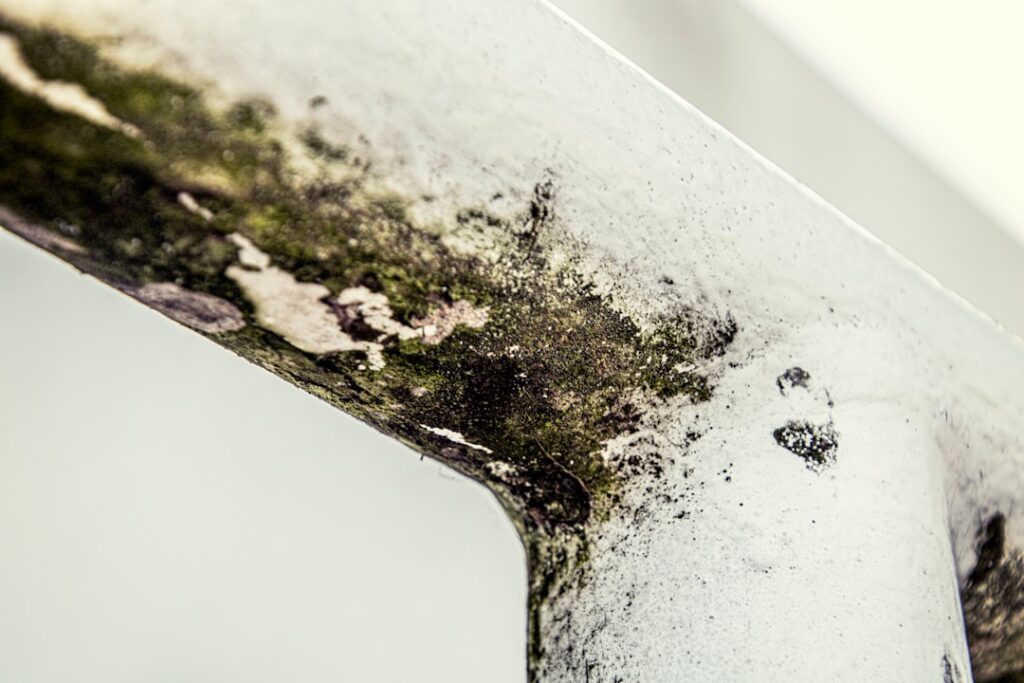
Removing white mold begins with a question most homeowners never think to ask: is the white substance actually mold? White, fuzzy or powdery deposits on basement walls, the underside of furniture, and around foundation cracks are sometimes early-stage Aspergillus or Penicillium colonies — and sometimes efflorescence, the mineral salt that water carries to the surface as it dries through concrete or masonry. The remediation answer changes completely depending on which one you have. This guide summarizes EPA and CDC guidance current as of 2026, and consulting a certified mold professional remains the right call for confirmed colonies above the homeowner-scale threshold.
Part of our Mold Removal & Remediation guide — start there for the full picture →
Is this mold, asbestos, or water damage? Get a free instant screen
Upload a clear photo of the suspect area. You'll get an instant AI screening opinion and what to do next. This is screening guidance, not a professional determination.
Screening guidance only. AI can be wrong. Confirm asbestos, mold type, or lead with lab testing or a licensed professional before acting.
The spray-water test: how to tell them apart in 30 seconds
Mist the white deposit with plain water from a spray bottle. Wait 60 seconds. Look at the result.
- If the white material dissolves or visibly softens — efflorescence (mineral salts)
- If the deposit remains intact, possibly turning slightly translucent or yellowing — white mold
That single test settles the diagnosis for most homeowners. Efflorescence is the white powdery crust common on poured-concrete basement walls, cinder block, and brick. It is harmless from a respiratory standpoint, though it does signal water migration through the masonry. Mold, by contrast, will not dissolve in water and represents an actual microbial colony that needs remediation.
What efflorescence actually is
Efflorescence is the powdery white deposit left behind when moisture migrates through porous masonry, dissolves calcium and sodium salts, and evaporates at the surface. The salts crystallize where the water leaves. The deposit looks like mold to homeowners encountering it for the first time, but the chemistry is mineral, not biological.
The fix for efflorescence is moisture control, not microbial treatment. The surface can be brushed off with a stiff bristle brush, vacuumed, or rinsed with a dilute acid (white vinegar diluted with water). The deposit will return if the underlying water source is not addressed — exterior grading, foundation waterproofing, or interior dehumidification depending on the path.
What white mold actually is
The species most often appearing as white surface growth in residential homes are early-stage Aspergillus (which darkens to yellow-green as it matures), Penicillium (which darkens to blue-green), and several Fusarium species that can stay white or pink. White growth on raw wood — joists, floor framing, attic sheathing — is often Trichoderma or early-stage decay fungi, which carry their own structural concerns beyond the indoor-air-quality question.
White mold is the same biological problem as any other color of mold. The color comes from the maturity of the colony and the pigment production of the species — it does not reliably predict toxicity. The CDC’s residential guidance is consistent that color is not a useful indicator of health risk; the assessment that matters is species identification (if needed) plus colony size and substrate.
Remediation: same as any other species
Once you have confirmed white mold rather than efflorescence, the remediation workflow does not differ from any other species. The same EPA and IICRC frameworks apply:
- Patches under ten square feet on hard surfaces — homeowner work with N95 PPE
- Larger patches or porous substrates — professional remediation with containment
- Source moisture identification and control before any cleanup begins
- HEPA vacuuming, wet-cleaning, antimicrobial treatment as warranted
- Verification at 24 hours, 72 hours, and one week
The cleanup sequence detailed in our white-mold differentiation guide applies directly, and our surface mold cleaning walkthrough covers the wet-cleaning steps in more detail.
Where white mold tends to appear
White-growing species favor specific environments. Knowing the typical locations helps homeowners look in the right places after a water event.
Basement walls and corners
Basement concrete and cinder block walls accumulate either efflorescence (from groundwater migration) or white mold (from interior humidity above 60 percent). The spray-water test distinguishes them. Mold here is usually Aspergillus, Penicillium, or Cladosporium in its early light-pigmented stage.
Attic sheathing and rafters
White-staining on the underside of attic sheathing typically comes from Trichoderma or other early decay fungi feeding on the wood. Common moisture sources are bathroom exhaust fans venting into the attic instead of to the exterior, missing or damaged vapor retarders, and ice dam recurrence in mountain or Front Range climates.
Crawlspaces and floor framing
Crawlspace humidity routinely exceeds 60 percent in homes without vapor barriers or encapsulation. White growth on floor joists is one of the most common findings during inspection of older Front Range homes. The cleanup is straightforward; the prevention is encapsulation plus dehumidification.
Stored items in damp rooms
Leather goods, cardboard boxes, books, and stored furniture in basements develop powdery white surface films from Aspergillus and Penicillium species when ambient humidity stays above 60 percent. The items themselves can usually be cleaned (HEPA vacuum plus damp wipe), but storing them again in the same conditions guarantees recurrence.
The moisture diagnosis
Whether the deposit is efflorescence or mold, the underlying issue is the same: water is getting somewhere it should not be. The fixes overlap heavily:
- Exterior grading sloped away from the foundation at 6 inches per 10 feet minimum
- Downspouts extended at least 6 feet from the foundation
- Foundation cracks sealed from the exterior where accessible
- Interior basement humidity below 50 percent year-round
- Crawlspace encapsulation with sealed vapor barrier and dehumidification
- Bathroom and dryer exhaust vented to the exterior, never to attics
On the Front Range specifically, summer monsoon moisture and winter ice-dam runoff are the two seasonal drivers most often behind basement and attic findings. A $200 basement dehumidifier and a $30 attic vent fan replacement are frequently the highest-ROI moisture control improvements for the typical Denver-area home.
When white growth is structural, not just IAQ
White growth on framing lumber sometimes indicates more than an indoor-air-quality issue. Wood-decay fungi — Serpula, Coniophora, and others — feed on the cellulose in structural lumber and can compromise load-bearing capacity over years of activity. Surface treatment removes the visible colony but does not restore wood that has lost structural integrity.
The flag is wood that feels soft to a screwdriver probe or shows visible cubical cracking. A structural inspection from a licensed engineer, not just a mold assessment, is warranted at that point. Our mold inspection and testing hub covers when to bring in additional building-science expertise.
Distinguishing common white substances
Beyond efflorescence and biological mold, several other white substances appear in residential settings and get misidentified as mold during homeowner investigations.
Calcium deposits from hard water
Hard-water mineral deposits on faucets, shower walls, and around drains look chalky-white but are mineral, not biological. They dissolve in dilute acid (vinegar or commercial lime cleaner) similar to efflorescence. No remediation is needed beyond cosmetic cleanup.
Cobweb residue and dust
Aged cobweb residue in basements and attics develops a chalky appearance over years. The mass is organic debris, not active mold growth. HEPA vacuum handles it without further treatment.
Insulation fiber spread
Disturbed fiberglass insulation deposits white fibers on surfaces below the disturbance. Looks like a fine powder coating. The material is not biological and does not require mold treatment, but the fibers can be respiratory irritants and warrant cleanup.
Drywall dust from settling or vibration
White drywall dust collects on horizontal surfaces near construction work, vibrating equipment, or settled walls. Mineral, not biological. Simple vacuum and wipe-down.
Salt spray from de-icing chemicals
In garages and entryways during winter, road salt residue produces white deposits on concrete, masonry, and floor mats. The material is sodium chloride and related compounds, not mold.
Sampling and identification when uncertainty matters
For most homeowner findings, visual differentiation plus the spray-water test is sufficient. When the diagnosis matters more — insurance claims, sale-related disclosures, occupant health concerns — laboratory identification provides definitive answers.
Two sampling approaches are common. Tape-lift sampling presses adhesive tape against the visible growth and the lab examines the tape under microscopy to identify species. Swab sampling collects material directly from the surface for similar microscopy. Both are inexpensive ($50 to $150 per sample at accredited labs) and provide species-level identification within a few days.
The cluster overview at our mold inspection and testing hub covers when laboratory sampling adds value versus when visual assessment is sufficient.
White mold cleanup specifics
Once confirmed as biological growth rather than efflorescence, white mold cleanup follows the standard protocol with a few species-specific considerations.
Aspergillus and Penicillium species
These genera include species ranging from harmless to opportunistically pathogenic. Cleanup follows standard surface-mold protocol on hard, non-porous surfaces. On porous substrates, removal is preferred to in-place cleaning. PPE during disturbance is standard N95 plus gloves; immunocompromised occupants warrant professional involvement regardless of patch size.
Trichoderma on raw wood
Common on framing lumber in damp crawlspaces and attics. Cleanup uses HEPA vacuum followed by an antimicrobial wipe specifically labeled for wood. Sanding may be needed for deep pigment staining, but sanding raw wood with active growth requires containment and PPE due to spore aerosolization.
Early-stage Cladosporium
Some Cladosporium colonies appear white in early growth before darkening as they mature. The cleanup is the same as for mature Cladosporium — standard surface protocol on hard substrates, removal for porous substrates.
Crawlspace-specific white mold patterns
Crawlspaces present the most common location for white-mold findings in residential homes. The conditions that drive growth — ambient humidity above 60 percent, organic substrate (wood joists, subfloor), limited ventilation — are present in most unencapsulated crawlspaces.
The remediation approach has two layers. Immediate: clean visible growth from joists and subfloor with HEPA vacuum and antimicrobial wash specific to wood substrates. Long-term: encapsulate the crawlspace with sealed vapor barrier, install dehumidification, and address any standing water or grading issues that drive moisture into the space.
For Colorado Front Range homes with crawlspaces, the seasonal pattern is consistent: humidity rises in spring with snow melt, peaks in summer with monsoon weather, and decreases through fall and winter. Annual inspection in late spring catches developing colonies before they expand significantly. Our get rid of white mold guide covers crawlspace remediation in detail.
Documentation for white-mold findings
For homeowners dealing with white-mold findings tied to home sales, insurance, or rental property concerns, documentation matters. The minimum file:
- Photographs of the visible growth with reference scale
- Note on the spray-water test result (dissolved or did not)
- Moisture readings from substrate if available
- Description of any cleanup performed and the products used
- Photographs after cleanup showing the area’s condition
- Verification at 24-hour, 72-hour, and 168-hour intervals
- Lab sample results if sampling was done
This file supports disclosure during real estate transactions, claim documentation if the moisture source was a covered loss, and the homeowner’s own records for future reference.
References
- A Brief Guide to Mold, Moisture, and Your Home — U.S. Environmental Protection Agency
- Mold Cleanup Guidance — Centers for Disease Control and Prevention
- Residential Mold Inspection Reference — InterNACHI
- Mold, Moisture and Your Home Guidance — Colorado Department of Public Health and Environment
Frequently asked questions
How do I tell white mold from efflorescence?
Spray plain water on the deposit and wait 60 seconds. Efflorescence (mineral salt) dissolves or visibly softens; white mold remains intact. The test takes 30 seconds and settles the diagnosis for most basement and masonry findings.
Is white mold less dangerous than black mold?
Color is not a reliable indicator of risk. White growth is often early-stage Aspergillus or Penicillium that darkens with maturity, and the CDC's guidance treats remediation requirements as substrate-and-size dependent rather than color-dependent. Treat white mold with the same caution as any other visible colony.
Can I clean white mold off basement walls myself?
Yes, for patches under ten square feet on hard or sealed masonry surfaces with PPE, HEPA vacuuming, and an EPA-registered antimicrobial labeled for masonry. Above ten square feet, on porous substrates, or with health-sensitive occupants, the work needs professional remediation.
Why does white mold keep coming back after cleanup?
The cleanup addresses the visible colony but not the moisture source that fed it. Basement humidity above 50 percent, foundation water migration, or exhaust fans venting into wall cavities will regrow the colony within weeks. The actual fix is moisture control, not repeated cleaning.
Front Range homeowners encountering recurring white deposits in basements or crawlspaces can reach out through our contact page to be connected with a vetted local inspector who can run the differentiation and moisture diagnosis.
Mold removal & cleanup picks
For a small, contained patch (under ~10 sq ft) these EPA-friendly removers handle surface mold. Larger or recurring growth warrants a professional assessment first.
| Product | Why | Buy |
|---|---|---|
 RMR-86 Instant Mold Stain Remover RMR-86 Instant Mold Stain Remover | Fast-acting on stains; ventilate and wear PPE. | Amazon — $29.99 |
 Concrobium Mold Control Concrobium Mold Control | No-bleach formula that also helps prevent regrowth. | Amazon — $11.26 |
 Mold Armor Mold & Mildew Remover Mold Armor Mold & Mildew Remover | Widely stocked bathroom/surface remover. | Amazon — $22.98 |