Radon Testing in Colorado: A Plain-Language Guide for Front Range Homeowners

Explore by topic
Radon is a colorless, odorless, naturally occurring radioactive gas — a decay product of uranium in soil and rock — that seeps into homes through foundation cracks, basement floor joints, sumps, and slab penetrations. It is the second leading cause of lung cancer in the United States behind smoking, and the leading cause among non-smokers. For Colorado homeowners specifically, the geology beneath the Front Range produces some of the highest indoor radon levels in the country: every county we serve is designated EPA Radon Zone 1 (the highest predicted indoor levels). This pillar walks through what radon is, how to test for it, what the numbers mean, and what mitigation actually looks like.
InspectandTest is an independent editorial team. We are not licensed radon measurement professionals or radon mitigation specialists. This hub synthesizes guidance from the U.S. Environmental Protection Agency, the Colorado Department of Public Health and Environment, the American Association of Radon Scientists and Technologists (AARST), and the National Radon Proficiency Program (NRPP). For any decision involving radon mitigation in your home, follow your state’s licensure rules and engage a certified professional.
What radon is
Radon-222 is a radioactive gas produced by the decay of radium-226, which itself comes from the decay of uranium-238 in soil, rock, and groundwater. Both are ubiquitous in trace amounts across most U.S. geology. Radon’s half-life is 3.8 days; it decays into a series of short-lived radioactive solids called “radon progeny” or “radon daughters” — polonium-218, lead-214, bismuth-214, and polonium-214. The progeny attach to airborne dust particles, are inhaled, and lodge in lung tissue, where they continue to emit alpha radiation and damage cellular DNA. Cumulative damage over years of exposure is what produces the cancer risk.
The gas itself does not accumulate dangerously outdoors — air dilutes it. Indoors, in a sealed building with negative pressure relative to the soil beneath it (a normal condition during heating season), radon migrates from the soil into the lowest occupied levels of the home and accumulates to concentrations that can be hundreds of times higher than outdoor air. The lower the indoor air pressure relative to soil, the higher the indoor radon level — which is why winter readings in heated, tightly sealed Colorado homes are typically the worst-case scenario.
The Colorado context
Colorado sits on top of geology that produces elevated radon almost everywhere. The Pikes Peak granite of the Front Range, uranium-bearing sedimentary formations across much of the state, and the high-elevation atmospheric conditions that exaggerate stack-effect pressure differentials all contribute. The EPA’s Map of Radon Zones places the following Colorado counties in Zone 1 (highest predicted average indoor radon, above 4 pCi/L): Adams, Arapahoe, Boulder, Broomfield, Denver, Douglas, Elbert, El Paso, and Jefferson — which together cover essentially the entire Front Range population center.
The Colorado Department of Public Health and Environment estimates that roughly half of all Colorado homes have indoor radon levels above the EPA action level. The state has subsidy programs for low-income radon mitigation in some counties; check the CDPHE website or your county environmental health office for current eligibility.
What the numbers mean
Radon concentrations are reported in picocuries per liter (pCi/L). The relevant thresholds:
- 0.0 to 2.0 pCi/L: Below the EPA action level. The WHO and some state guidance recommend mitigation above 2.7 pCi/L. No level is technically risk-free.
- 2.0 to 4.0 pCi/L: EPA suggests “consider mitigation.” Reasonable threshold to act on, especially for homes with children, elderly residents, or smokers (radon and smoking interact multiplicatively).
- 4.0+ pCi/L: EPA action level. Mitigation strongly recommended.
- 10+ pCi/L: Substantially elevated. Mitigation should be a priority and may justify expedited testing of any short-term measurement.
- 20+ pCi/L: Very high. Move quickly to mitigation; consider basement sleeping arrangements as a temporary measure.
For comparison, average outdoor radon is about 0.4 pCi/L. Average U.S. indoor radon is about 1.3 pCi/L. Colorado averages run several times that — frequently 4 to 8 pCi/L, with individual homes regularly testing well into double digits.
Testing methods
Three categories of test cover the range of homeowner needs.
Short-term tests (2 to 7 days) are the workhorse for real-estate transactions and quick screening. Charcoal canisters and short-term continuous monitors are both common. Pros: fast, inexpensive ($15 to $30 for a charcoal canister with lab fee, $50 to $150 for a one-time-use continuous monitor). Cons: a single short-term reading captures one slice of conditions and can miss seasonal variation. EPA recommends short-term tests primarily as a screening step.
Long-term tests (90+ days) use alpha-track detectors that integrate exposure over months. They produce more representative averages but take longer to deliver results. Pros: most accurate single result. Cons: slow. Cost: $25 to $50.
Continuous radon monitors are reusable digital devices (AirThings, Corentium, RadonEye) that report rolling averages and let homeowners watch trends in real time. They have transformed the practical conversation: instead of testing every two years and forgetting, owners can see daily radon levels and notice when conditions change (a renovation, a new furnace, a sump pump failure). Cost: $130 to $250 one-time. For homeowners in high-radon regions like Colorado, a continuous monitor is the single best home-safety purchase under $300.
Test placement matters. Place the test in the lowest occupied level of the home — basement if it is finished living space, otherwise main floor. Keep windows and exterior doors closed for 12 hours before and during the test (closed-house conditions). Place the device away from drafts, exterior walls, and HVAC supply registers. Read the lab kit’s specific instructions and follow them — accurate placement is what makes the result meaningful.
What mitigation actually looks like
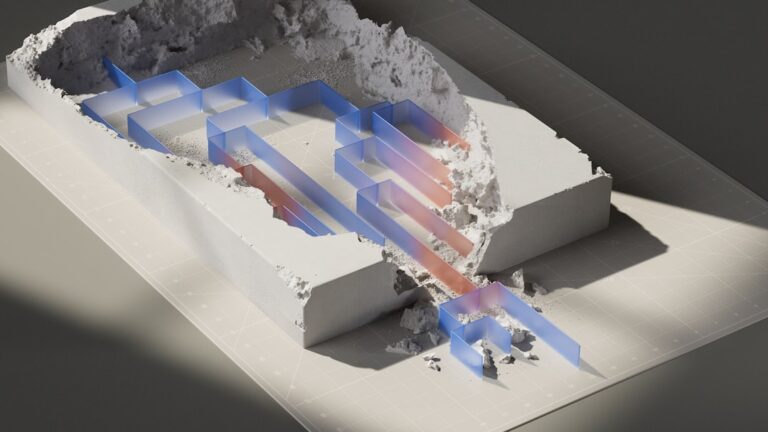
Active sub-slab depressurization (ASD) is the dominant mitigation technique for residential radon. The system works by drawing soil gas from beneath the foundation through a pipe network, a continuous-running fan, and an exhaust point above the roofline — creating slight negative pressure under the slab so soil gas exits through the system rather than diffusing into the home. A typical ASD installation:
- A core hole through the basement slab or crawl space membrane, often into the gravel layer below.
- A 3-inch or 4-inch PVC pipe routed up through the home (typically through a closet or utility chase) to attic level.
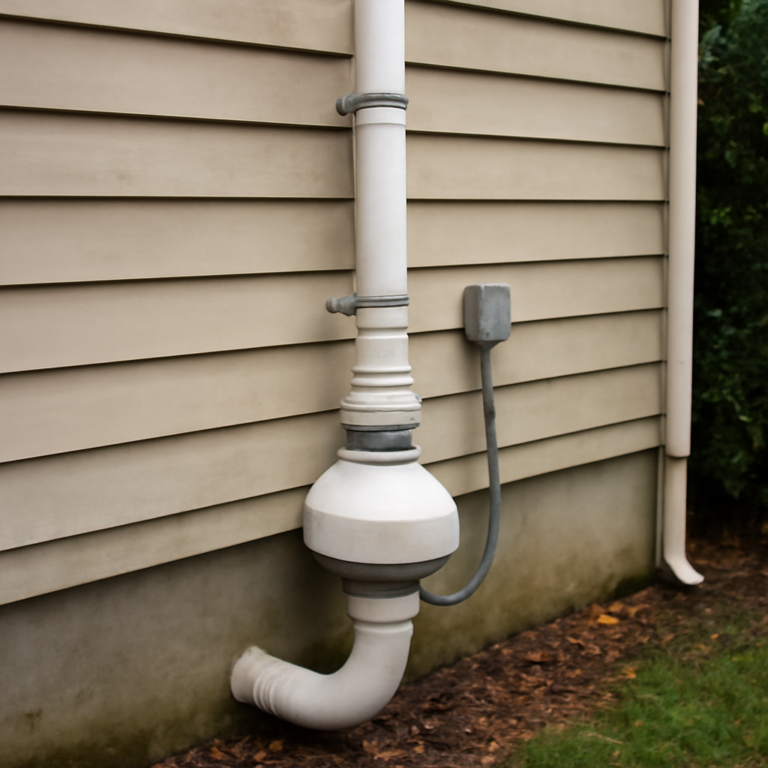
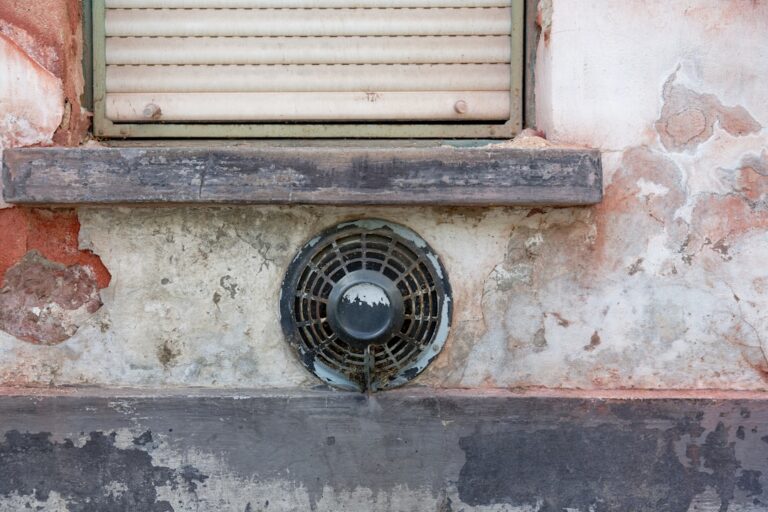
- A radon mitigation fan in the attic or on the exterior, sized for the home’s slab area and soil permeability.
- Pipe continues up through the roof, with a vent cap above the roofline.
- A manometer (U-tube pressure gauge) installed near the slab penetration to verify the system is running.
- Post-mitigation radon testing 24 to 48 hours after activation to confirm effectiveness.
Variants exist for slab-on-grade construction (sub-membrane depressurization), homes with crawl spaces (encapsulated crawl space depressurization), and homes with significant water entry (combined radon and moisture mitigation). A state-certified radon mitigator chooses the system based on the home’s foundation type, slab penetrations, soil conditions, and existing HVAC.
Mitigation costs in 2026
- Standard residential ASD system, basement-foundation home: $1,500 to $2,500.
- Slab-on-grade or crawl space: $2,000 to $3,500.
- Multiple suction points (large or split foundation): $2,500 to $4,500.
- Combined radon and moisture system in a wet crawl space: $3,500 to $6,000.
- Annual electricity cost of mitigation fan: $75 to $200 (running 24/7).
- Mitigation fan replacement (every 8 to 12 years): $300 to $600 installed.
- Post-mitigation verification test: $15 to $30 (DIY) or $150 (continuous monitor).
Vetting a mitigator
Hire only certified mitigators. Two parallel certification paths exist in the U.S.:
NRPP — National Radon Proficiency Program. Run by AARST. Listings searchable on the NRPP website by state.
NRSB — National Radon Safety Board. Independent certification body covering measurement and mitigation specialists.
Colorado does not currently require a state license for radon mitigation, but real estate professionals and home inspectors expect NRPP or NRSB certification on any work that will appear in a sale’s chain of disclosure. Ask for the certification number, verify it on the issuing organization’s directory, and pass on contractors who cannot or will not provide one.
Standard warranty terms in 2026: most reputable mitigators warranty their systems for 5 years on workmanship and guarantee that post-mitigation radon levels will be below 4.0 pCi/L. A mitigator unwilling to put that guarantee in writing is the wrong choice.
Real-estate transactions and disclosure
Colorado real estate transactions almost universally include a radon test as part of the inspection contingency period. The buyer pays for the test, the seller is bound by the result if the contract specifies (most do), and the path forward is one of: seller mitigates and re-tests, seller credits the buyer for mitigation, buyer accepts the result and proceeds, or buyer terminates within the contingency window. Federal disclosure requirements include radon in the standard real estate disclosure form for homes built before 1978; Colorado state disclosure forms ask about known radon test results regardless of build year.
For sellers in Colorado: a current radon test (within 12 months) and, if elevated, a mitigation system with documentation, simplifies the transaction substantially. For buyers: never skip the radon test on a Colorado property.
The homeowner sequence
- Test the home — short-term test ($15 to $30) for a first read, or buy a continuous monitor ($130 to $250) for ongoing visibility.
- Place the test correctly — lowest occupied level, closed-house conditions, away from drafts and HVAC registers.
- If results exceed 4.0 pCi/L (or 2.0 pCi/L if you are using the more conservative threshold), follow up with a second short-term or a long-term test to confirm.
- If confirmed elevated, get three quotes from NRPP- or NRSB-certified mitigators.
- Verify certification numbers before signing.
- Confirm the warranty includes a written guarantee of below 4.0 pCi/L post-mitigation.
- Re-test 24 to 48 hours after the system activates, then annually thereafter.
Frequently asked questions
Is radon really a serious risk?
Yes. The EPA estimates radon causes about 21,000 lung cancer deaths in the United States each year, making it the second leading cause of lung cancer behind smoking and the leading cause among non-smokers. The risk is dose-dependent — short exposures at low concentrations are not the issue, but long-term exposure to elevated levels accumulates. The good news is that radon is straightforward to test for and the engineering solution (sub-slab depressurization mitigation) is well-established and effective.
What's the EPA action level for radon?
The EPA recommends mitigation when long-term average levels reach or exceed 4.0 picocuries per liter (pCi/L). Levels between 2.0 and 4.0 pCi/L are also considered worth addressing — the EPA notes that no level is risk-free, and the action level is a practical threshold rather than a safety floor. The World Health Organization recommends a lower action level of about 2.7 pCi/L. For Colorado homeowners, where Zone 1 designation predicts elevated levels, treating 2.0 pCi/L as the practical action level is reasonable.
How often should I test for radon?
The EPA recommends testing every two years for any home, every year if your home has been mitigated (to verify the mitigation system is still working), and after any major renovation that affects the foundation, basement, or HVAC system. Real-estate transactions in many states (Colorado included) effectively require a fresh test as part of the inspection contingency. Continuous radon monitors that report month-by-month averages have made ongoing monitoring practical for engaged homeowners.
Can a homeowner install their own radon mitigation system?
Some states allow homeowner installation of radon mitigation systems on owner-occupied single-family homes; others restrict installation to certified Radon Mitigation Specialists. Even where homeowner installation is legal, the system requires correct sub-slab pipe placement, proper fan sizing, electrical work, and post-mitigation testing to confirm effectiveness — a competent professional installation in 2026 runs $1,500 to $2,500 for a typical residential system, and a poorly installed homeowner system can spend the difference and still leave radon levels elevated. Hiring a state-certified mitigator is the standard recommendation.
Why is Colorado a high-radon state?
Colorado's underlying geology — Pikes Peak granite in the Front Range, uranium-bearing sedimentary formations across much of the state, and the elevation that drives both winter air-tightness and stack-effect pressure differentials — produces some of the highest indoor radon concentrations in the country. The EPA's Map of Radon Zones places Boulder, Jefferson, Adams, Arapahoe, Denver, Douglas, Elbert, El Paso, and Broomfield counties in Zone 1 (the highest predicted indoor radon levels). Colorado's own Department of Public Health and Environment estimates roughly half of Colorado homes have radon above the EPA action level.
References
- A Citizen’s Guide to Radon — U.S. Environmental Protection Agency
- EPA Map of Radon Zones
- Radon in Colorado — Colorado Department of Public Health and Environment
- American Association of Radon Scientists and Technologists (AARST)
- National Radon Proficiency Program (NRPP)
- National Radon Safety Board (NRSB)
- Radon and Health — World Health Organization
Test your home for radon
Radon is invisible and odorless, so a test is the only way to know your level. A short-term kit gives a first reading in days; a digital monitor tracks it over time.
| Product | Why | Buy |
|---|---|---|
 AirChek Charcoal Radon Test Kit AirChek Charcoal Radon Test Kit | Lab fee usually included; EPA short-term protocol. | Amazon — $21.95 |
 First Alert RD1 Radon Test Kit First Alert RD1 Radon Test Kit | Widely stocked; 48-hour charcoal test. | Amazon — $16.98 |
 Airthings Corentium Home Airthings Corentium Home | Digital monitor with a long-term average. | Amazon — $142.99 |
Explore all guides in this topic
What Is an Acceptable Radon Level? EPA and CDC Answer
What is an acceptable radon level? EPA says fix at 4 pCi/L and consider fixing at 2 to 4, while CDC says no le…
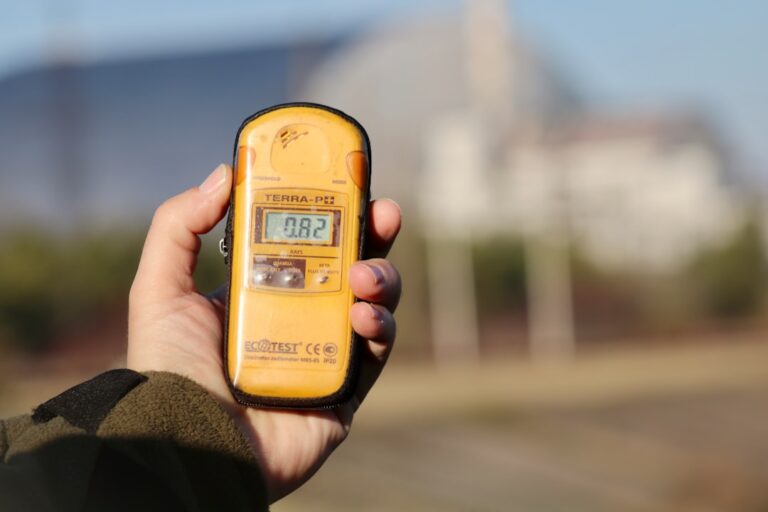
Commercial Radon Testing: How Buildings Are Tested
How commercial radon testing works for offices, schools and multifamily buildings: rooms to test, HVAC conditi…
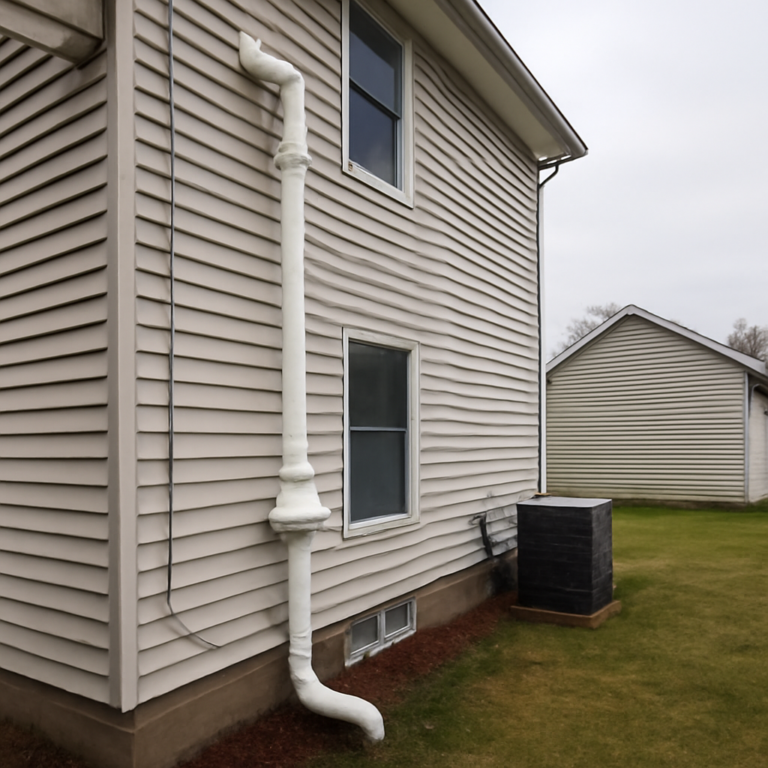
Radon Mitigation in Commercial Buildings: How It Differs
Radon mitigation commercial buildings need goes beyond a house fan: larger slabs, several suction points, HVAC…

Radon Levels by Zip Code in Colorado: What Maps Show
Radon levels by zip code Colorado data explained: what EPA zone maps and county figures can and cannot show, w…
Radon Monitor Guide: Consumer vs Professional Continuous
How a radon monitor works: consumer digital units vs professional continuous monitors, short and long-term ave…
Radon Rock: Which Rocks Release Radon Into Homes
Radon rock explained: how granite, dark shale and phosphate rocks feed radon into soil gas, what Colorado geol…
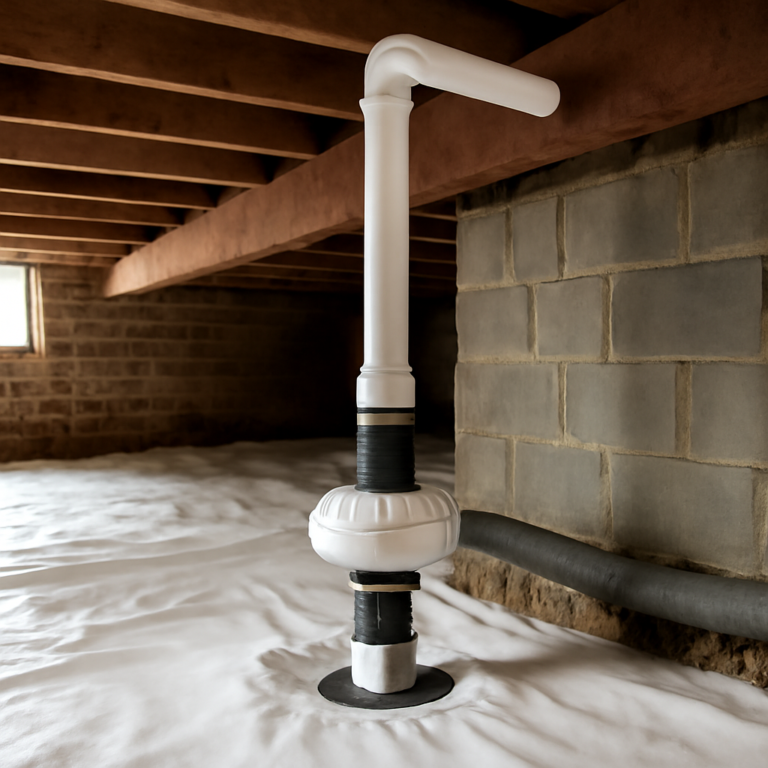
Radon Mitigation System for Crawl Space: How It Works
How a radon mitigation system for crawl space homes works: sealed membrane, pipe and fan, how it beats ventila…
Radon in an Apartment: Risk by Floor, Testing and Next Steps
Radon apartment risk explained: how floor level changes exposure, how renters can test, Colorado lease disclos…
Radon Test Time: How Long Short and Long-Term Tests Take
Radon test time explained: short-term tests run 2 to 90 days, long-term tests over 90 days, plus closed-house…

Radon Test Cost: DIY Kits, Monitors and Professional Tests
Compare radon test cost for charcoal and alpha-track kits, digital monitors and professional tests, plus what…
Radon Mitigation System Diagram: Slab to Roof, Explained
A radon mitigation system diagram in words: suction pit, pipe, seals, gauge, fan and roof vent, plus sump and…

What Does a Radon Detector Look Like? A Visual Guide
What does a radon detector look like? Charcoal tins, alpha-track discs, electret chambers and digital monitors…
Radon System Service: What a Maintenance Visit Covers
What radon system service covers: manometer, fan, pipe joints, seals, sump lid and discharge, plus EPA fan-lif…

Radon Pipe in Basement: What It Is and How to Live With It
A radon pipe in basement space is a mitigation system's suction stack. What the labels, gauge and fan rules me…
Exterior Radon Fan: Placement, Weather and Upkeep
An exterior radon fan mounts on the outside wall, not the attic. EPA placement and discharge rules, Colorado w…

AirThings vs Corentium: Which Continuous Radon Monitor Should You Buy?
AirThings and Corentium are the same company since 2017, but the product lines differ. Here's how to choose be…

DIY Radon Test Accuracy: Are Consumer Kits Reliable?
How accurate are DIY radon test kits compared to professional measurements? An evidence-based look at charcoal…

Radon Mitigation Cost: What Homeowners Actually Pay in 2026
Real 2026 pricing for radon mitigation systems by foundation type, by region, and by complexity. What is inclu…

2.5 Radon Level: What the Reading Means and What to Do
A 2.5 radon level is below EPA's 4 pCi/L action level but inside the 2 to 4 consider-fixing band. Learn how to…

Mold and Radon Testing: How Buyers Should Plan Both
Mold and radon testing for home buyers: EPA radon protocols, the 4 pCi/L action level, when mold sampling help…
Radon Exhaust System: Parts, Venting and Inspection Checks
How a radon exhaust system works: suction point, vent pipe, fan, roof discharge, gauge and labels, plus Colora…

Radon Levels Chart: pCi/L, Bq/m³ and What Each Range Means
A radon levels chart in pCi/L and Bq/m³ with EPA's 4 pCi/L action level, the 2 to 4 consider-fixing band, typi…

Radon Fans: Sizing, Placement, Lifespan and Failure Signs
How radon fans are sized and placed, how long they last, what failure looks like on the manometer, and how Col…

Radon Mitigation Systems Cost: Prices by System Type
What radon mitigation systems cost by type, from sub-slab and sump suction to crawlspace membranes, plus fan p…