Radon Testing in Federal Heights, Colorado
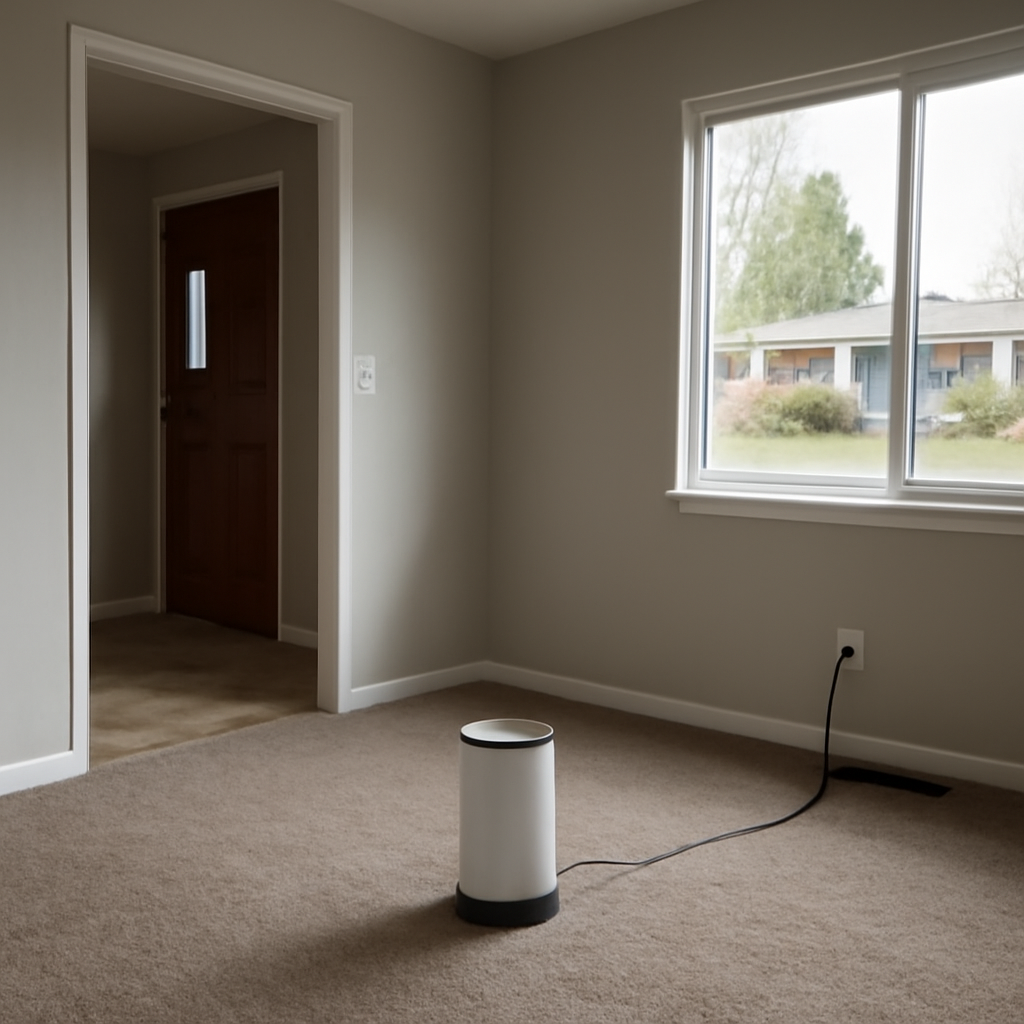
Federal Heights sits in Adams County, which the EPA places in Radon Zone 1, its highest-risk category, where the predicted average indoor level meets or exceeds the 4 pCi/L action threshold. This dense, older north-metro city, built largely in the 1960s through 1980s, has basements, slab-on-grade homes, and stacked condos where radon can collect. Radon is a colorless, odorless radioactive gas and the second-leading cause of lung cancer after smoking. Radon testing federal heights homeowners arrange is the only way to learn a home’s number. This page reflects EPA and CDPHE guidance current as of 2026; consult a certified professional for testing decisions.
Part of our Radon Levels guide — start there for the full picture →
Radon testing in Federal Heights: what to know
Radon testing measures the gas accumulated inside a home in picocuries per liter (pCi/L). The EPA recommends action at or above 4 pCi/L, and because Adams County lies in Zone 1, a meaningful share of Federal Heights homes test at or above that line. Two homes on the same block can read very differently depending on foundation cracks, soil contact, and how the house is heated and sealed, so the only way to know your number is to test.
Short-term tests run 2 to 7 days and suit real-estate timelines; long-term tests of 90 days or more average seasonal swings for a fuller exposure picture. For the underlying science and device types, our plain-language radon guide for Front Range homeowners walks through both approaches.
The plains soil beneath Federal Heights carries uranium that decays into radon, which is why the whole county sits in Zone 1, and a clean neighbor’s result tells you nothing about your own home. Radon depends on the specific soil under each foundation and the specific openings in each slab. A new furnace, a finished-basement remodel, or foundation settling can change a home’s number over time, so the EPA recommends re-testing every couple of years and after any major change, advice that applies to the city’s aging homes as systems get replaced.
Why Federal Heights homes need radon testing
Geology drives it. Radon comes from the natural decay of uranium in soil and rock, and the plains soils across Adams County release it readily, which is why the county carries the Zone 1 designation. Federal Heights’s homes sit on this radon-prone ground regardless of their age or style.
Foundation type shapes the entry path. The city’s older single-family homes often have basements where slab cracks, control joints, and sump openings let soil gas in, and a finished basement used as living space seals occupants directly over that pathway. Slab-on-grade homes and ground-floor condo units also draw radon through slab penetrations. Even in stacked multifamily buildings, ground-contact units face the entry routes that drive exposure.
Climate and a common cooling choice add their own factors. Colorado winters are cold, so Federal Heights homes stay sealed for months while furnaces create slight negative pressure that pulls soil gas indoors. Many homes here use evaporative swamp coolers in summer rather than central air, but during the heating season the home is closed up tight, which is exactly when radon concentrates. The EPA links thousands of lung-cancer deaths a year to radon, and in a Zone 1 city with older basements where families spend time, testing the lowest livable level is the conservative, correct step.
What a Federal Heights radon test covers
A professional test places a calibrated continuous radon monitor or passive device in the lowest livable level, typically a basement or ground-floor room, under closed-house conditions. The tester documents placement and the closed-house window so the result holds up if it feeds a real-estate negotiation.
Closed-house conditions
For at least 12 hours before and throughout a short-term test, windows and exterior doors stay closed except for normal entry. This keeps a breezy Colorado day from artificially lowering the reading, and it matters in homes where a swamp cooler might otherwise be drawing outside air. If a test comes back at or above 4 pCi/L, the next step is mitigation, covered in our guide to radon mitigation in Federal Heights.
Continuous monitors versus passive kits
A continuous radon monitor logs hourly readings, so it can show whether a window was opened mid-test or whether levels spiked overnight, evidence that protects a buyer from a tampered result. Passive devices like charcoal canisters average exposure and mail to a lab at lower cost. For a Federal Heights home sale, the continuous monitor’s tamper detection and hour-by-hour record make it the preferred tool, while a passive kit left in place for months gives a homeowner a representative annual average.
Radon testing cost in Federal Heights
A professional short-term radon test in the Federal Heights market typically runs about $135 to $250. A do-it-yourself kit costs roughly $15 to $40 plus lab fees, and CDPHE periodically offers discounted kits to Colorado residents, a useful option for budget-conscious homeowners in this working-class city. Bundled into a pre-purchase home inspection, radon testing often adds just $100 to $175 instead of a separate trip charge.
Long-term kits sit at the low end on price but tie up months, so for a transaction the documented short-term professional test is standard because it fits inspection deadlines and produces a defensible closed-house result.
Weigh the cost against the protection. A $200 test that catches a 7 pCi/L basement reading lets a family install a mitigation system, often $1,000 to $2,000 in this market, and cut exposure by 90 percent or more. For a Federal Heights homeowner, the CDPHE discounted kit makes initial testing accessible for a few dollars, and a professional follow-up confirms any concerning result. Skipping the test leaves the risk invisible for as long as the family lives there, which in a Zone 1 county is a meaningful gamble against a known, fixable hazard.
Colorado regulations and disclosure
Colorado requires radon disclosure in residential real-estate transactions, and the Seller’s Property Disclosure asks sellers to report known radon results and any existing mitigation system. CDPHE runs the state radon program, references the 4 pCi/L EPA action level, and offers discounted kits to residents. Colorado does not license home inspectors, so for any test tied to a sale, confirm the tester follows recognized national measurement protocols.
Disclosure shapes negotiations both ways in Federal Heights. A seller who has tested and mitigated can present a clean post-mitigation result as reassurance, while a seller who has never tested leaves the buyer to discover the number during the contingency, often resulting in a mitigation credit. In a condo, radon results for ground-contact units are particularly relevant, and a buyer should not waive radon testing to strengthen an offer in a Zone 1 county.
What affects radon test results in Federal Heights
Two Federal Heights homes on the same block can return very different radon numbers, and understanding why helps a homeowner read a result correctly. The plains soil beneath the city carries uranium that decays into radon across all of Adams County’s Zone 1 footprint, but the exact uranium content and permeability under one foundation differ from the next, so the gas available to enter varies house by house. Each foundation then offers its own entry paths, slab cracks, control joints, plumbing penetrations, and sump openings in the older basements, plus slab penetrations in the city’s slab-on-grade homes and ground-floor condo units.
How the home is operated shapes the reading just as much. Through the cold Colorado heating season the furnace creates slight negative pressure that draws soil gas upward through those openings, which is why winter readings typically run higher than summer ones. A finished older basement used as living space holds that gas because the sealed winter envelope limits air exchange. The city’s common evaporative swamp coolers complicate the picture slightly, since they run in summer and draw outside air, but they are off during the heating season when radon concentrates most, so they have little effect on a properly conducted test.
Test conditions are the variable a homeowner controls. A short-term test demands genuine closed-house conditions, windows and exterior doors kept shut except for normal entry for at least 12 hours beforehand and throughout, because a breezy day or a running swamp cooler drawing outside air can artificially depress the reading and produce a falsely reassuring number. This is why a tester-administered continuous monitor, which logs hourly data and flags any mid-test disturbance, carries more weight than an unattended kit, especially when the result will feed a sale.
Radon testing on a budget in Federal Heights
Federal Heights is a working-class city, and cost-conscious homeowners have a sensible path to managing radon without overspending. CDPHE periodically offers discounted radon kits to Colorado residents, which makes an initial test accessible for just a few dollars, and a long-term kit left in the lowest livable level for 90 days or more gives a representative annual average that smooths out the seasonal swings between sealed winters and ventilated summers. For an owner not in the middle of a transaction, this low-cost first step is a practical way to learn whether a home has a radon problem at all.
If that initial kit returns a concerning number, the next step is a professional follow-up to confirm it before committing to mitigation, since a defensible closed-house result is what justifies the expense of a system. For a home sale, the calculus shifts toward the documented short-term professional test from the start, because it fits the inspection deadline and produces a result a buyer can rely on, but for a resident simply checking an older basement, the discounted kit followed by professional confirmation keeps the total spend low while still answering the question. Either path beats not testing at all in a Zone 1 county, where a roughly $200 professional test that catches a 7 pCi/L basement reading lets a family install a mitigation system and cut exposure by 90 percent or more, a strong return against a known, fixable hazard.
Neighborhoods and areas served
Radon turns up across Federal Heights regardless of neighborhood: the original Federal Heights single-family homes, the Hidden Lake area, and the dense housing along the Federal Boulevard corridor. The shared factor, plains-soil geology in a Zone 1 county, means elevated readings are common citywide, in basements and ground-floor units alike.
Service typically extends to adjacent Westminster, Thornton, Northglenn, and Denver, all within the same Zone 1 footprint. Homeowners researching the wider county picture can review our Adams County radon testing guide, which explains why the county’s geology places it in the EPA’s highest radon-risk category.
How to choose a Federal Heights radon testing provider
Ask whether the provider uses a calibrated continuous radon monitor and follows EPA or AARST protocols. A good tester documents closed-house conditions, device placement, and test duration so the result stands up in a sale. Bundling radon with a full home inspection in Federal Heights is efficient and gives buyers one coordinated report on both the structure and the soil-gas risk.
Confirm the monitor’s calibration is current and, for a purchase, ask the provider to place and retrieve the device themselves rather than handing you a kit, since a tester-administered continuous monitor carries more weight in a negotiation. For a homeowner not in a transaction, the CDPHE discounted long-term kit is a low-cost first step, and a professional follow-up confirms any concerning result before committing to mitigation. Either path beats not testing at all in a Zone 1 county.
References
- Radon risk and EPA zone maps — U.S. Environmental Protection Agency
- Colorado radon program and kits — Colorado Department of Public Health and Environment
- Radon and lung cancer — Centers for Disease Control and Prevention
Frequently asked questions
Is Federal Heights in a high radon zone?
Yes. Federal Heights is in Adams County, which the EPA places in Radon Zone 1, the highest-risk category. The county's plains-soil geology releases radon readily, so every home, especially those with basements, should be tested.
What radon level requires action in Federal Heights?
The EPA action level is 4 pCi/L. At or above that reading, EPA and CDPHE recommend mitigation. Levels between 2 and 4 pCi/L are still worth considering for reduction.
How much does a radon test cost in Federal Heights?
A professional short-term test typically runs $135 to $250, while DIY kits cost about $15 to $40 plus lab fees. CDPHE periodically offers discounted kits to Colorado residents, a useful low-cost option.
Do swamp coolers affect radon testing?
Indirectly. A short-term test requires closed-house conditions, so a swamp cooler drawing outside air should not run during the test. Radon concentrates most in the sealed heating season, when coolers are off anyway.
Can two neighboring Federal Heights homes have different radon levels?
Yes. Radon depends on the soil beneath each foundation, the cracks and openings in each slab, and how the home is heated and sealed. Identical homes on the same block can read very differently, so a neighbor's clean test does not predict yours.
Every Federal Heights home sits in EPA Zone 1, so radon testing is basic due diligence, not optional. To connect with a vetted local tester before your purchase deadline or this heating season, get in touch through our contact page.
Test your home for radon
Radon is invisible and odorless, so a test is the only way to know your level. A short-term kit gives a first reading in days; a digital monitor tracks it over time.
| Product | Why | Buy |
|---|---|---|
 AirChek Charcoal Radon Test Kit AirChek Charcoal Radon Test Kit | Lab fee usually included; EPA short-term protocol. | Amazon — $21.95 |
 First Alert RD1 Radon Test Kit First Alert RD1 Radon Test Kit | Widely stocked; 48-hour charcoal test. | Amazon — $17.95 |
 Airthings Corentium Home Airthings Corentium Home | Digital monitor with a long-term average. | Amazon — $142.50 |