Radon Mitigation in Nederland, Colorado | InspectandTest

When a radon test in Nederland comes back at or above the EPA action level of 4 pCi/L, mitigation is the permanent fix: a system that vents soil and rock gas to the outdoors before it builds up inside, and, where the well is the source, a system that strips radon from the water. Nederland, the historic mining town at about 8,200 feet in the Boulder County mountains, sits in EPA Radon Zone 1, and its fractured granite geology and near-universal private wells make elevated readings common. Radon is a colorless, odorless radioactive gas and the second-leading cause of lung cancer after smoking. This page explains how radon mitigation nederland homeowners should approach the work, what the systems involve, and what they cost. This summary reflects EPA and CDPHE guidance current as of 2026; consult a certified mitigation professional for your home.
Part of our Radon Mitigation Systems guide — start there for the full picture →
Radon mitigation in Nederland: what to know
Radon mitigation is the engineering response to a high reading. The most common fix is an active sub-slab depressurization system that draws gas from beneath the foundation and exhausts it above the roofline, routinely bringing a home from well above 4 pCi/L down to 2 pCi/L or lower. In Nederland, a second system type can be necessary: if a private well carries high radon, a water treatment unit removes it before the water reaches the taps. If you have not yet measured, start with our guide to radon testing in Nederland.
The soil-gas principle is straightforward: a sealed fan creates suction under the slab so radon flows into a pipe rather than into living space. For the broader science and the range of system types, our plain-language radon guide for Front Range homeowners explains the physics and options.
Mitigation is permanent, not a one-time service. The fan runs continuously and the system stays with the house, so a post-mitigation test confirms the fix worked and a periodic re-test confirms it keeps working. EPA guidance is to re-test every couple of years even after installation, since a tripped fan or a new foundation crack can let levels creep back up.
What makes Nederland mitigation more involved than a typical suburban job is the need to think about the home as a whole system. The fractured granite, the crawl-space construction, and the private well can each contribute to the indoor radon load, so a fix that addresses only one of them may fall short. The best mitigators approach a high reading by asking which pathways are active in this particular home, then design a system, soil-gas, water treatment, or both, that closes all the open doors rather than just the obvious one.
Why Nederland homes need radon mitigation
The fractured granite that produces high readings also makes a thorough fix necessary. Mountain rock channels radon through cracks and fissures straight to a home’s foundation, so the gas can arrive in concentrated paths rather than diffusing slowly as it would through flat sedimentary soil. A high reading in Nederland reflects the rock the town is built on, which means mitigation has to contend with a strong, geologically driven source.
Housing style shapes the system. Nederland’s rustic cabins and miners’ cottages often have crawl spaces, partial basements, and dirt-floor areas that breathe radon directly, while newer mountain homes are built tight and trap whatever enters. The long, sealed heating season at 8,200 feet, with wood stoves, propane heaters, and furnaces pulling air, is exactly when radon concentrates indoors. A mitigation system is sized for that winter-sealed condition because that is when exposure peaks.
The well-water pathway is the factor that distinguishes Nederland mitigation from a typical suburban fix. If a radon-in-water test shows the well is a significant source, a sub-slab system alone will not fully solve the problem, because waterborne radon keeps releasing into the air during everyday use. Addressing both the soil-gas and the water pathways is what brings a Nederland home reliably below the action level.
What a radon mitigation system covers
The standard fix is active sub-slab depressurization. A technician cores through the slab, runs PVC pipe from a suction point under the foundation up through the home or along an exterior wall, and installs an inline fan that exhausts the gas above the roofline. Where the well is a source, a separate water treatment system is added.
Sub-slab depressurization and crawl spaces
The fan creates a low-pressure field under the slab so soil and rock gas is drawn into the pipe rather than seeping through cracks. For Nederland’s many crawl-space and partial-basement cabins, the technician installs a sealed membrane over the soil and depressurizes beneath it, turning a leaky crawl space into a sealed surface the fan can draw on. Sealing cracks, the sump cover, and utility penetrations improves the suction field, and a manometer lets the homeowner see the system is running.
Radon in water treatment
When a well carries high radon, the two common treatments are aeration, which bubbles air through the water to release radon before it reaches the taps and vents it outside, and granular activated carbon, which adsorbs radon from the water. Aeration is generally preferred for high concentrations. Adding the right water treatment is what completes the fix for a Nederland home whose well, not just its foundation, is feeding the indoor air.
Radon mitigation cost in Nederland
A typical residential sub-slab mitigation system in the Boulder County mountain market runs about $1,300 to $3,000, with mountain access, crawl-space membranes, and complex pipe routing pushing the upper end. The rustic, multi-foundation construction common in Nederland cabins can raise the cost because a home may combine a crawl space, a partial basement, and an addition that each need attention.
Water treatment, when needed, is a separate cost. An aeration system for radon in well water typically runs $3,000 to $5,000 or more, while a granular activated carbon unit is generally less, depending on the water’s radon level and flow demands. A home that needs both soil-gas and water mitigation is a larger investment, but it addresses a compounded exposure that a single system would leave partly unsolved.
Against these costs, the benefit is a permanent reduction in a genuine health hazard. The EPA ties thousands of lung-cancer deaths a year to radon, and in Zone 1 Nederland the exposure risk is among the highest in the state. Nederland sits within the broader picture our Boulder County radon testing hub documents, and a properly designed system, soil-gas plus water where warranted, cuts that risk for as long as the family lives there.
Colorado regulations and disclosure
Colorado requires radon disclosure in residential real-estate transactions, and the Seller’s Property Disclosure asks sellers to report known radon results and any existing mitigation system. A documented, professionally installed system, soil-gas and water where relevant, is therefore an asset at sale. CDPHE runs the state radon program and references the 4 pCi/L EPA action level. Colorado does not license home inspectors or mitigators, so confirm your installer follows recognized national standards such as those from AARST and the EPA.
For a buyer, seeing a mitigation system with a current post-install test, a working manometer, and, where applicable, a water treatment unit provides real reassurance in a fractured-granite town. A seller who installs proactively often smooths the transaction and avoids a last-minute credit negotiation, since the radon question is one buyers in this area know to ask.
Neighborhoods and areas served
Mitigation needs turn up across Nederland: the rustic cabins and miners’ cottages around downtown and Big Springs, the forest-shaded homes toward Eldora and the ski area, and the well-served properties near Barker Reservoir and the Caribou and Sundance areas, all on the same fractured granite. Service typically extends to adjacent Boulder, Ward, Rollinsville, and Eldora, all within the same Zone 1 footprint. Homeowners comparing options can also review our radon mitigation in Boulder page.
Because the granite geology is consistent across the area and most homes rely on wells, the deciding factor in a mitigation design is the individual home: its foundation type, whether its well carries radon, and how it is heated and sealed. A crawl-space cabin and a slab-built newer home need different systems, which is why a site visit and the test results, both air and water, precede any firm quote.
Maintaining a mitigation system at altitude
A mitigation system in Nederland needs the same routine attention as any other, with a few mountain-specific considerations. The manometer on the pipe is the homeowner’s at-a-glance health check: as long as the fluid columns sit at different levels, the fan is pulling suction and the system is working. If they equalize, the fan has likely failed or the pipe is blocked, and service is needed before radon can climb back. A monthly glance is enough to catch most problems early.
Snow and cold are the local variables. The exhaust point has to discharge well above the roofline and clear of windows, and in a heavy-snow town the routing should avoid spots where drifting snow could obstruct the outlet. Freezing can occasionally affect condensation inside the exhaust pipe, so a proper slope that drains moisture back down rather than letting it pool and freeze is part of a sound mountain installation. These details are easy to handle at install time and awkward to fix later.
For homes with a water treatment system, maintenance extends to that unit as well. An aeration system has a small blower and a tank that benefit from periodic inspection, and a granular activated carbon unit needs its media replaced on a schedule because the carbon eventually saturates with radon. Skipping that replacement quietly lets radon back into the water, so a Nederland homeowner who relies on water treatment should keep to the service interval the installer recommends.
Both system types also benefit from periodic re-testing. EPA guidance is to re-test radon every couple of years even with a working system, and on a well-served mountain home that means checking both air and, where relevant, water. A fan that quietly fails, a carbon unit past its replacement date, or a new foundation crack opened by freeze-thaw can all let levels rise without obvious symptoms, and a re-test is the only way to confirm the home is still protected.
How to choose a Nederland radon mitigation provider
Ask whether the installer follows EPA and AARST mitigation standards and includes a post-mitigation test to confirm the system brought the home below 4 pCi/L. A reputable mitigator guarantees a result, mounts a visible manometer, and puts the suction point, fan model, and exhaust routing in writing. For Nederland, ask specifically how they handle crawl spaces and stone or rustic foundations, which need membrane work and extra sealing.
Confirm the provider can address the water pathway when a radon-in-water test shows it matters. A mitigator who installs sub-slab depressurization but ignores a radon-bearing well may leave the home above the action level despite the new system. The right provider evaluates both pathways and recommends water treatment, aeration or carbon, when the well demands it.
Finally, choose an installer who re-tests after the work and provides the documentation a future buyer will want. Pairing mitigation with a fresh radon test, both air and, where relevant, water, gives one coordinated picture of the fix. For the testing side that drives the design, see our radon testing in Nederland companion page.
References
- Consumer’s guide to radon reduction — U.S. Environmental Protection Agency
- Colorado radon program — Colorado Department of Public Health and Environment
- Radon and lung cancer — Centers for Disease Control and Prevention
Frequently asked questions
When does a Nederland home need radon mitigation?
When a test reads at or above the EPA action level of 4 pCi/L. Because Nederland sits in Zone 1 on fractured granite, elevated readings are common, and mitigation is the standard permanent fix.
How much does radon mitigation cost in Nederland?
A sub-slab system typically runs $1,300 to $3,000, with mountain access and crawl-space work at the upper end. Well-water radon treatment is a separate cost, often $3,000 to $5,000 for aeration.
Does a sub-slab system fix radon in well water?
No. A radon-bearing well needs separate water treatment, usually aeration or granular activated carbon, since waterborne radon keeps releasing into the air during everyday use.
Do rustic Nederland cabins need a special system?
Often yes. Crawl spaces, partial basements, and stone or rustic foundations need a sealed membrane and extra sealing so the fan can build suction, beyond a basic slab system.
Does a mitigation system need re-testing?
Yes. EPA recommends a post-install test to confirm the fix and a re-test every couple of years, since a tripped fan or new crack can let levels rise again.
If your Nederland home tested above 4 pCi/L, a properly designed system, soil-gas and well-water where needed, is a permanent, documented fix. To connect with a vetted local mitigator, get in touch through our contact page.
Test your home for radon
Radon is invisible and odorless, so a test is the only way to know your level. A short-term kit gives a first reading in days; a digital monitor tracks it over time.
| Product | Why | Buy |
|---|---|---|
 AirChek Charcoal Radon Test Kit | Lab fee usually included; EPA short-term protocol. | Amazon — $21.95 |
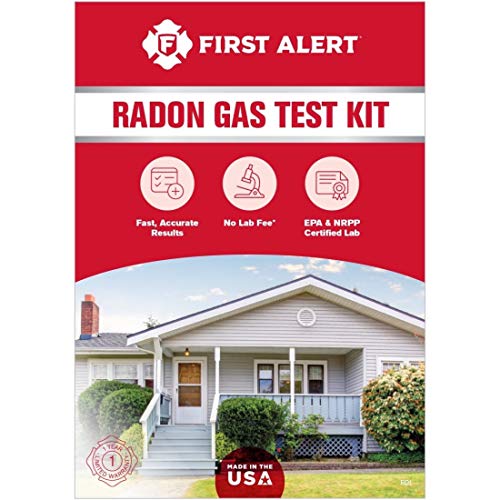 First Alert RD1 Radon Test Kit | Widely stocked; 48-hour charcoal test. | Amazon — $17.95 |
 Airthings Corentium Home | Digital monitor with a long-term average. | Amazon — $142.99 |