Radon Mitigation in Lafayette, CO | InspectandTest
When a radon test in Lafayette comes back at or above the EPA action level of 4 pCi/L, mitigation is the fix. Lafayette sits in EPA Radon Zone 1, and Boulder County’s coal-seam geology drives some of the highest readings in the metro, so elevated results are common in both Old Town cellars and Coal Creek basements. Radon mitigation lafayette contractors install reduces the gas by venting it from beneath the foundation before it enters living space. This page explains how mitigation systems work, what they cost locally, and what results to expect. This summary reflects EPA and CDPHE guidance current as of 2026; consult a certified professional for mitigation decisions.
Part of our Radon Mitigation Systems guide — start there for the full picture →
Radon mitigation in Lafayette: what to know
Radon mitigation lowers indoor radon by drawing soil gas out from under the foundation and venting it above the roofline before it can enter the home. The most common method, active sub-slab depressurization, uses a fan and a sealed pipe to create suction under the slab. A properly designed system routinely brings a home from well above 4 pCi/L down to 2 pCi/L or lower.
Mitigation follows testing. If you have not confirmed a number yet, our page on radon testing in Lafayette covers how to get a defensible reading first. For the broader science of how reduction works, our radon guide for Front Range homeowners explains the system types in plain language.
Why a fan and not just sealing cracks? Sealing alone rarely solves a Zone 1 home because radon finds every gap, and Lafayette’s coal-seam soil pushes it hard. Active depressurization changes the pressure under the whole foundation so soil gas flows to the vent pipe rather than into the basement or cellar, which is why the EPA considers it the reliable approach for elevated homes.
That distinction matters because homeowners sometimes try the cheap fix first and are disappointed. Caulking visible cracks, sealing a sump lid, or adding a dehumidifier can nibble at the edges, but in a Lafayette home over coal-seam geology, radon enters through dozens of openings no one can see or seal. The fan-driven system works precisely because it does not rely on finding every gap; it reverses the pressure so the soil gas is pulled out before it can enter. Understanding that up front saves money on half-measures that do not bring a high-radon home below the action level.
Why Lafayette homes need radon mitigation
The geology sets a high baseline. Lafayette’s coal-seam formations drive some of the metro’s higher radon, so a home reading 8, 10, or more pCi/L is not unusual, and that level calls for mitigation under EPA guidance. The whole town sits in Zone 1, so elevated results are the rule rather than the exception.
The housing makes the gas easy to enter, across eras. Old Town Lafayette’s pre-1900 cottages have stone foundations and hand-dug cellars in direct soil contact, while Indian Peaks and Coal Creek homes have finished basements over slabs that have settled and cracked. Both put occupied space where radon collects.
Climate concentrates it. Cold Colorado winters keep Lafayette homes sealed for months while furnaces pull air, creating the negative pressure that draws soil gas indoors. A finished basement bedroom or a converted cellar room becomes the highest-exposure space because it combines maximum soil contact with the hours a family spends there. The EPA links long-term radon exposure to lung cancer, which is why a confirmed elevated reading in an occupied lower level warrants a fix rather than a wait-and-see.
The case for acting rather than waiting is strongest when the exposure is daily. Radon risk accumulates with time, so the harm comes from years of breathing elevated levels in a room used every day, not from a single high reading. A Lafayette family that sleeps or works in a finished basement testing at 10 pCi/L is exactly the situation the EPA’s guidance addresses. Mitigation is a one-time project that ends that ongoing exposure, which is why a confirmed number above the action level is usually treated as a reason to install a system rather than to keep monitoring, especially given how high coal-seam readings can run.
What a Lafayette radon mitigation system covers
A standard active sub-slab depressurization system is the workhorse for Lafayette’s slab-and-basement homes, with adaptations for older cellar and crawlspace foundations.
Sub-slab depressurization
The installer cores a hole through the slab, often in a basement utility area, and runs a sealed PVC pipe up through the house or along an exterior wall to a vent above the roof. An inline fan draws soil gas continuously into the pipe and out, so it never reaches living space. Slab cracks and the sump are sealed to help the fan work efficiently.
Older foundations and verification
For an Old Town cottage with a stone cellar or a crawlspace, the contractor may use a sub-membrane system, sealing a heavy plastic sheet over the soil and depressurizing beneath it. After any install, a follow-up radon test confirms the system brought levels below 4 pCi/L, and a manometer on the vent pipe gives an at-a-glance check that the fan is pulling. The EPA recommends re-testing every couple of years.
Living with the system
Once installed, a radon system asks little of a homeowner. The fan runs continuously and quietly, usually mounted in an attic, garage, or on an exterior wall, and the only routine task is glancing at the manometer now and then to confirm the fan is pulling suction. Fans last several years and are inexpensive to replace. Because the system is largely invisible in daily life, the main thing a Lafayette owner needs to remember is to re-test periodically so a failed fan does not go unnoticed, which matters more in a high-radon area where a lapse returns levels quickly.
Radon mitigation cost in Lafayette
A typical residential radon mitigation system in the Lafayette market runs about $1,200 to $2,500 installed, with most standard basement homes landing near the middle of that range. An older Old Town cellar or crawlspace that needs a sub-membrane approach, or a complex layout with a long vent run, pushes toward the higher end.
The annual operating cost is modest: the fan draws a small amount of electricity, and the only routine maintenance is replacing the fan every several years. A post-installation verification test is sometimes included and sometimes a small add-on. Against the lifetime exposure it eliminates in a coal-seam home, that ongoing cost is trivial.
It is worth getting more than one quote, because price differences often reflect design choices rather than markup, and they vary more for older homes. One contractor may propose a sub-membrane approach for an Old Town cellar while another routes a slab system, and fan sizing varies with the foundation. A quote that spells out the method, the fan rating, the routing, and the expected post-mitigation level lets a Lafayette homeowner compare on substance. The cheapest bid that skips the verification test or undersizes the fan can cost more if it fails to bring a high-radon home below the action level on the first try.
Weigh that against the benefit. A roughly $1,800 system that takes a home from 10 pCi/L to under 2 pCi/L cuts radon exposure by 90 percent or more for everyone who lives there, for the life of the home. In a coal-seam Zone 1 town where high readings are common, that is a strong return for a one-time cost, and a labeled, verified system also reassures buyers when the home eventually sells.
Colorado regulations and disclosure
Colorado requires radon disclosure in residential real-estate transactions, and the Seller’s Property Disclosure asks sellers to report known radon results and any existing mitigation system. A documented, verified mitigation system is a selling point because it answers the buyer’s radon question up front. CDPHE runs the state radon program and references the 4 pCi/L action level.
Colorado does not license radon contractors, but national certification through AARST-NRPP or NRSB signals a contractor follows recognized installation standards. For a system that may be inspected during a future sale, ask whether the installer certifies the work and provides the post-mitigation test result, since that paperwork is what a buyer’s inspector will look for.
Neighborhoods and areas served
Mitigation work spans Lafayette: stone-cellar cottages in Old Town Lafayette and East Simpson, finished basements in Indian Peaks and Coal Creek, and the Centaur Village area all sit over the same coal-seam geology and commonly need a fan-and-vent system. Service typically extends to adjacent Louisville, Erie, Boulder, Broomfield, and Superior.
The variety of foundations is what makes contractor experience matter in Lafayette. A modern Coal Creek slab is a straightforward install, but an Old Town cottage with a stone cellar, a dirt-floor crawlspace, or an addition built over a different foundation calls for a tailored design, sometimes combining a sub-slab and a sub-membrane approach in one home. An installer who has worked across the town’s housing eras can adapt the system to the structure rather than forcing a one-size template onto a century-old building.
Because the regional radon source is consistent across Boulder County, a system designed for the foundation type works whether the home is a century old or twenty years old. Owners weighing the wider picture can read our overview of radon mitigation across Boulder County or compare a neighboring city through radon mitigation in Longmont.
How to choose a Lafayette radon mitigation contractor
Ask whether the contractor holds AARST-NRPP or NRSB certification, designs the system to the home rather than a one-size template, and provides a post-installation verification test. A good installer guarantees the system will bring levels below 4 pCi/L and labels the work so it is visible during a future sale.
Get a written scope that covers the fan rating, vent routing, slab or sub-membrane sealing, and the warranty on both the fan and the result. For an Old Town cottage, ask how the installer will adapt to a stone cellar or crawlspace, since these need a different approach than a modern slab. A contractor who explains the design, verifies the outcome, and stands behind the number is the kind worth hiring in a coal-seam Zone 1 town.
A guarantee tied to a number is the clearest sign of a confident installer. Reputable contractors commit in writing to bringing the home below 4 pCi/L, and many aim for 2 or lower, returning to adjust the system at no charge if the first verification test falls short, which can matter on the high readings coal-seam homes produce. Ask what the warranty covers and for how long, both the fan hardware and the radon result. That accountability is what a Lafayette homeowner is really buying, since the point is a measured, lasting reduction rather than just a pipe and a fan.
References
- Consumer’s guide to radon reduction — U.S. Environmental Protection Agency
- Colorado radon program — Colorado Department of Public Health and Environment
- Radon health risk — Centers for Disease Control and Prevention
Frequently asked questions
How much does radon mitigation cost in Lafayette?
A typical system runs $1,200 to $2,500 installed, with most basement homes near the middle. An Old Town cellar or crawlspace needing a sub-membrane system, or a long vent run, costs more.
What radon level requires mitigation in Lafayette?
The EPA action level is 4 pCi/L. At or above that reading, EPA and CDPHE recommend a mitigation system. Lafayette's coal-seam Zone 1 geology makes high readings common.
How does a radon mitigation system work?
Active sub-slab depressurization uses a fan and sealed pipe to draw soil gas from under the foundation and vent it above the roof. It routinely brings levels well below 4 pCi/L.
Can old Lafayette cellars be mitigated?
Yes. For a stone cellar or crawlspace, a contractor may use a sub-membrane system, sealing a plastic sheet over the soil and depressurizing beneath it. A follow-up test confirms it worked.
Is a radon system a selling point in Lafayette?
Yes. Colorado requires radon disclosure, and a labeled, verified system answers a buyer's radon question up front, which matters in a coal-seam Zone 1 market.
A confirmed high radon reading in a Lafayette cellar or basement calls for a fix, and a verified mitigation system protects your household for the life of the home. To connect with a vetted local contractor, get in touch through our contact page.
Test your home for radon
Radon is invisible and odorless, so a test is the only way to know your level. A short-term kit gives a first reading in days; a digital monitor tracks it over time.
| Product | Why | Buy |
|---|---|---|
 AirChek Charcoal Radon Test Kit | Lab fee usually included; EPA short-term protocol. | Amazon — $21.95 |
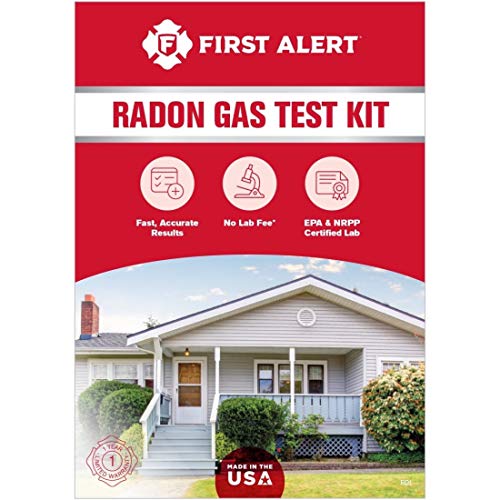 First Alert RD1 Radon Test Kit | Widely stocked; 48-hour charcoal test. | Amazon — $17.95 |
 Airthings Corentium Home | Digital monitor with a long-term average. | Amazon — $99.99 |