Radon Mitigation in Longmont, CO | InspectandTest
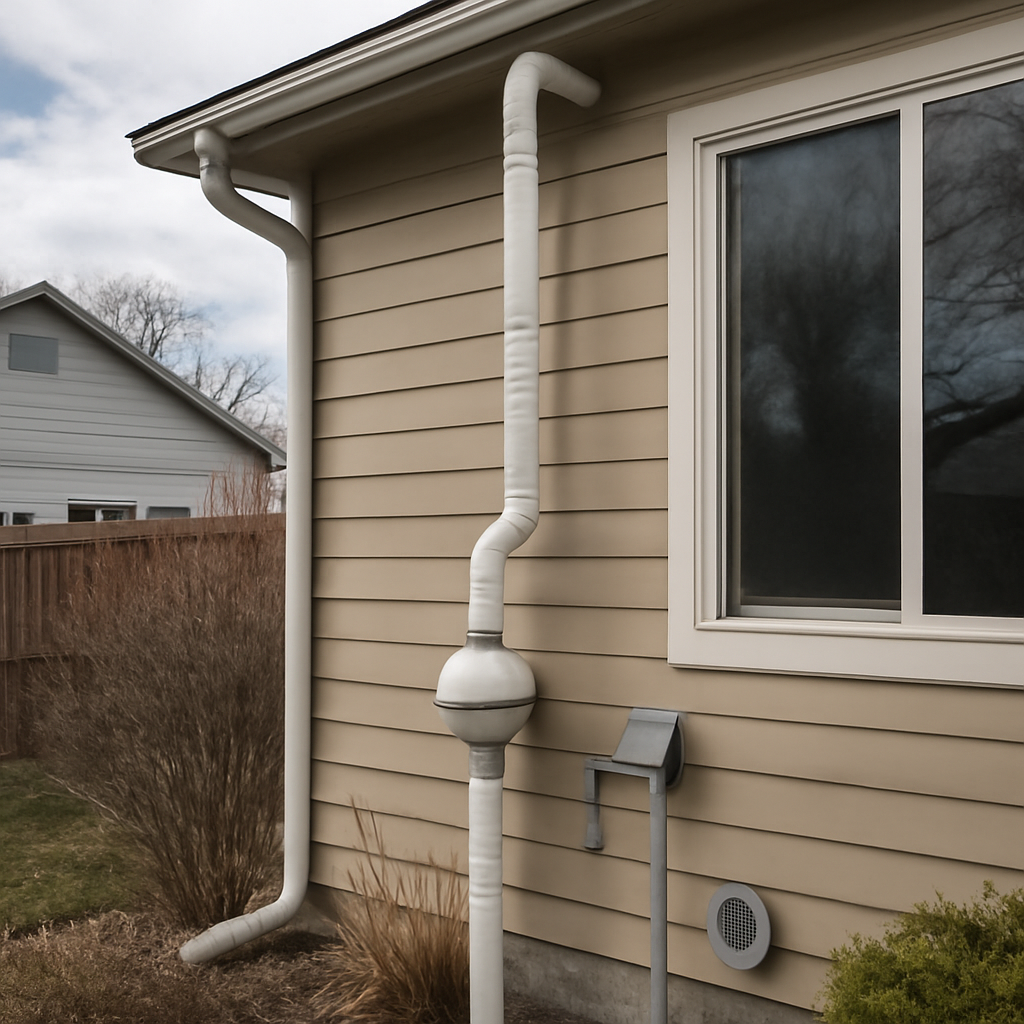
When a Longmont radon test comes back above the 4 pCi/L action level, the next step is mitigation. Radon mitigation in Longmont installs a system that draws the radioactive gas out from under the foundation and vents it safely above the roofline, lowering indoor levels to a safe range. It matters here because Longmont sits in Boulder County, an EPA Radon Zone 1 area with the highest-risk designation, and many local homes test high enough to warrant a fix. This guide explains how mitigation systems work, why local housing and geology make them common, what installation costs, and how to choose a qualified installer. This summarizes EPA and CDPHE guidance current as of 2026; use a certified professional for installation.
Part of our Radon Mitigation Systems guide — start there for the full picture →
Radon mitigation in Longmont: what to know
The most common and effective system is active sub-slab depressurization. An installer cuts a hole through the basement slab, runs a pipe into the soil beneath the foundation, and connects it to a continuously running fan. The fan creates suction under the slab, capturing radon before it enters the home and venting it through a pipe that exits above the roof.
A well-designed system reliably brings most homes below the 4 pCi/L action level, and a follow-up test confirms it is working. CDPHE administers Colorado’s radon program and directs homeowners to certified mitigation professionals; EPA guidance recognizes the sub-slab approach as the standard method.
No two Longmont homes are identical, and the right design follows the foundation. A home on a solid slab with good gravel beneath it is the most straightforward, because the fan can pull suction evenly across the whole footprint from one point. A home with a crawlspace, a poured basement with little sub-slab gravel, or several foundation types from additions over the years may need multiple suction points or a sealed membrane. Longmont’s flood history adds another wrinkle: a basement with a sump or a history of water intrusion needs a system that handles both radon and the moisture, which an experienced installer plans for from the start.
Types of radon systems used in Longmont
Active sub-slab depressurization is the standard, with a few common variations. The vent pipe can be routed through the interior of the home, concealed in a closet or mechanical chase and exiting through the roof, which many Longmont homeowners prefer for appearance. Alternatively it runs along the exterior wall to a point above the eave, often cheaper and easier to install. Both configurations work; the choice comes down to cost and looks.
Homes with a crawlspace typically need a sub-membrane system, where a heavy plastic sheet is sealed over the crawlspace floor and the fan draws radon from beneath it. Homes with a sump pit, common in flood-affected Longmont neighborhoods, can have the pit sealed and tied into the suction, addressing radon and the moisture the sump manages at once. Passive systems, sometimes roughed into newer subdivision builds, rely on natural stack effect without a fan; if a passive system tests high, adding an inline fan converts it to a reliable active system. For the mechanics of the core approach, see our guide to sub-slab radon mitigation systems.
Why Longmont homes need mitigation
The uranium-bearing soils of the Front Range give Boulder County its Zone 1 status, so elevated radon is widespread rather than rare. Because levels vary house to house, a home can test high even when neighbors test low.
Longmont’s housing patterns concentrate the issue. The older downtown core, including Old Town Longmont, has pre-WWII homes with foundations that crack and open over time, and retrofitting mitigation into older construction takes experience. The large newer subdivisions from the 1990s through the 2010s, around Prospect and Southmoor Park, are sealed tightly for energy efficiency, which reduces the air exchange that would dilute radon and lets it build up. Finished basements, common across Longmont, put living space in the lowest, highest-radon level of the home. Winter compounds the problem, since closed-up homes trap radon at peak concentrations during the heating season.
Some Longmont homes have a damp basement from the area’s flood history, and a wet sump can complicate a radon system, which is why installers often address moisture and radon together. Mitigation only follows a confirmed high reading, so if you have not measured yet, start with our guide to radon testing in Longmont.
What a Longmont mitigation system covers
A typical active sub-slab installation includes:
- A suction point cut through the basement slab into the soil or gravel below.
- PVC piping routed from the suction point up through the home or along the exterior to a point above the roofline.
- An inline radon fan, usually mounted in the attic or outside, running continuously.
- A manometer, a U-tube gauge that shows the system is pulling suction.
- Sealing of foundation cracks, sump pits, and other openings to improve performance.
- A post-installation radon test to confirm levels dropped below 4 pCi/L.
Homes with a sump pit or crawlspace, common given Longmont’s flood history along St. Vrain Creek, need a tailored approach such as a sealed sump lid or a crawlspace membrane connected to the suction. For the bigger picture on radon and how testing leads to a fix, see our radon testing guide for Front Range homeowners.
Radon mitigation cost in Longmont
A standard active sub-slab system in the Longmont area generally runs from about $1,200 to $2,500 installed. Simple basements with an easy interior pipe route sit at the lower end. Homes that need exterior routing, multiple suction points, crawlspace work, or sealing of a wet sump cost more.
Ongoing cost is modest: the fan uses a small amount of electricity and may need replacement every 5 to 10 years, typically a few hundred dollars. Ask whether the quote includes the confirmation test and a warranty guaranteeing the system reaches below 4 pCi/L.
Mitigation is a one-time investment that pays off twice over. It removes a documented health risk the EPA links to lung cancer, and in a Zone 1 county where buyers increasingly expect radon to be handled, an installed system can be a selling point rather than a liability at resale. Be wary of a quote far below the others, since an underpriced job often skimps on sealing or undersizes the fan, leaving a system that runs without actually lowering levels enough, a particular concern in a flood-affected basement with extra openings to seal. The benchmark to look for is not the lowest price but a properly sized, thoroughly sealed system with an included confirmation test and a warranty, installed by a certified professional.
What to expect during installation in Longmont
A typical residential installation takes most of a day. The crew identifies the best suction point, often a basement corner, cores a hole through the slab, and excavates a small pit beneath it to improve airflow under the foundation. They run the PVC pipe up through the home or out the wall, mount the inline fan in the attic or outside, and seal the slab penetration along with any visible foundation cracks and the sump pit. The manometer goes on the pipe so you can confirm at a glance that the fan is pulling suction.
After installation, the system runs continuously and a confirmation radon test follows, usually once the home has been closed up for the required period. A reputable Longmont installer will not call the job done until that test shows a level below 4 pCi/L, and a solid warranty backs that promise. In a home with flood history, the installer should also confirm that sealing the sump did not compromise its drainage function. Maintenance afterward is minimal: glance at the manometer now and then, and plan to replace the fan once a decade. If you later remodel the basement, tell your contractor about the radon system so the work does not disturb it. To understand the cost drivers in advance, our guide to basement radon mitigation system cost breaks them down.
Longmont regulations and disclosure
Colorado requires radon disclosure in residential real-estate transactions and lists radon on the Seller’s Property Disclosure, so an installed mitigation system must be disclosed to a buyer, generally as a selling point. Colorado does not license home inspectors, and radon mitigation professionals should hold certification through a recognized national radon program.
In pre-WWII Old Town Longmont homes, cutting into a slab or routing pipe can disturb older materials, so be aware of lead-paint and asbestos considerations; CDPHE Regulation 8 governs asbestos before renovation. A good installer notes these older-home factors when planning the route.
For a seller, the disclosure requirement turns a mitigation system into an asset rather than a red flag. A buyer in a Zone 1 county increasingly expects radon to be addressed, so an installed system with a clean confirmation test reassures rather than alarms. Keep the post-installation test result, the system specifications, and any warranty paperwork together, since a buyer’s agent will ask for them. For an owner staying put, that same documentation is useful if you ever sell, and it confirms the level the system achieved, which is worth rechecking every couple of years to make sure the fan is still doing its job.
Neighborhoods and areas served
Mitigation installers serving Longmont commonly cover Old Town Longmont, Prospect, Southmoor Park, and the newer subdivisions across the city. Service usually extends to Boulder, Loveland, Firestone, and Frederick in the surrounding area. An installer who knows the local stock can plan a clean pipe route through a sealed newer build or work carefully around an older downtown foundation and a flood-prone basement.
Local experience shows in the details. In a pre-WWII Old Town home, the installer has to find a workable suction point and seal an imperfect slab, which takes more skill than a clean modern basement. In a Prospect or Southmoor Park subdivision build, the installer may be able to convert a passive vent pipe the builder roughed in into an active system with a fan, at lower cost. In a home that took on water during the 2013 St. Vrain flood, the installer plans for the sump and any waterproofing so the radon system and the moisture control work together rather than against each other. An installer who works Longmont regularly has handled all of these and can quote a realistic price rather than uncovering complications mid-job.
How to choose a Longmont mitigation installer
Hire a certified radon mitigation professional and ask to see proof of certification. Confirm the system is active sub-slab depressurization with a continuously running fan and a manometer, the configuration EPA recognizes as standard.
Ask whether the installer guarantees a post-installation level below 4 pCi/L and includes the confirmation test in the price. Request references for homes similar to yours, since a finished basement, a crawlspace, and a flood-affected basement each call for different techniques.
References
- Consumer’s Guide to Radon Reduction — U.S. Environmental Protection Agency
- Colorado Radon Program — Colorado Department of Public Health and Environment
- EPA Map of Radon Zones — U.S. Environmental Protection Agency
- About Radon and Health — Centers for Disease Control and Prevention
Frequently asked questions
What radon level requires mitigation in Longmont?
The EPA action level is 4 pCi/L, and CDPHE uses the same threshold. A confirmed test at or above 4 pCi/L warrants a system. Because Longmont is in Boulder County's EPA Radon Zone 1, many homes test high enough to need mitigation.
How does a radon mitigation system work?
The standard system is active sub-slab depressurization. A pipe runs from beneath the basement slab to above the roofline, and a continuously running fan pulls radon out of the soil before it enters the home. A follow-up test confirms levels dropped below 4 pCi/L.
How much does radon mitigation cost in Longmont?
A standard active sub-slab system generally runs about $1,200 to $2,500 installed. Exterior routing, multiple suction points, crawlspace work, or sealing a flood-prone sump raise the cost. The fan uses little electricity and may need replacement every 5 to 10 years.
Does Longmont's flood history affect radon mitigation?
It can. Homes with a wet sump or crawlspace from St. Vrain Creek flooding need extra sealing, such as a sealed sump lid or a crawlspace membrane tied into the suction. Installers often address basement moisture and radon together for a system that performs reliably.
If a Longmont radon test came back high and you want a certified installer who guarantees results below the action level, get in touch through our contact page and we will connect you with a vetted Boulder County professional.
Test your home for radon
Radon is invisible and odorless, so a test is the only way to know your level. A short-term kit gives a first reading in days; a digital monitor tracks it over time.
| Product | Why | Buy |
|---|---|---|
 AirChek Charcoal Radon Test Kit AirChek Charcoal Radon Test Kit | Lab fee usually included; EPA short-term protocol. | Amazon — $21.95 |
 First Alert RD1 Radon Test Kit First Alert RD1 Radon Test Kit | Widely stocked; 48-hour charcoal test. | Amazon — $16.98 |
 Airthings Corentium Home Airthings Corentium Home | Digital monitor with a long-term average. | Amazon — $142.99 |