Mold Inspection in Longmont, CO | InspectandTest
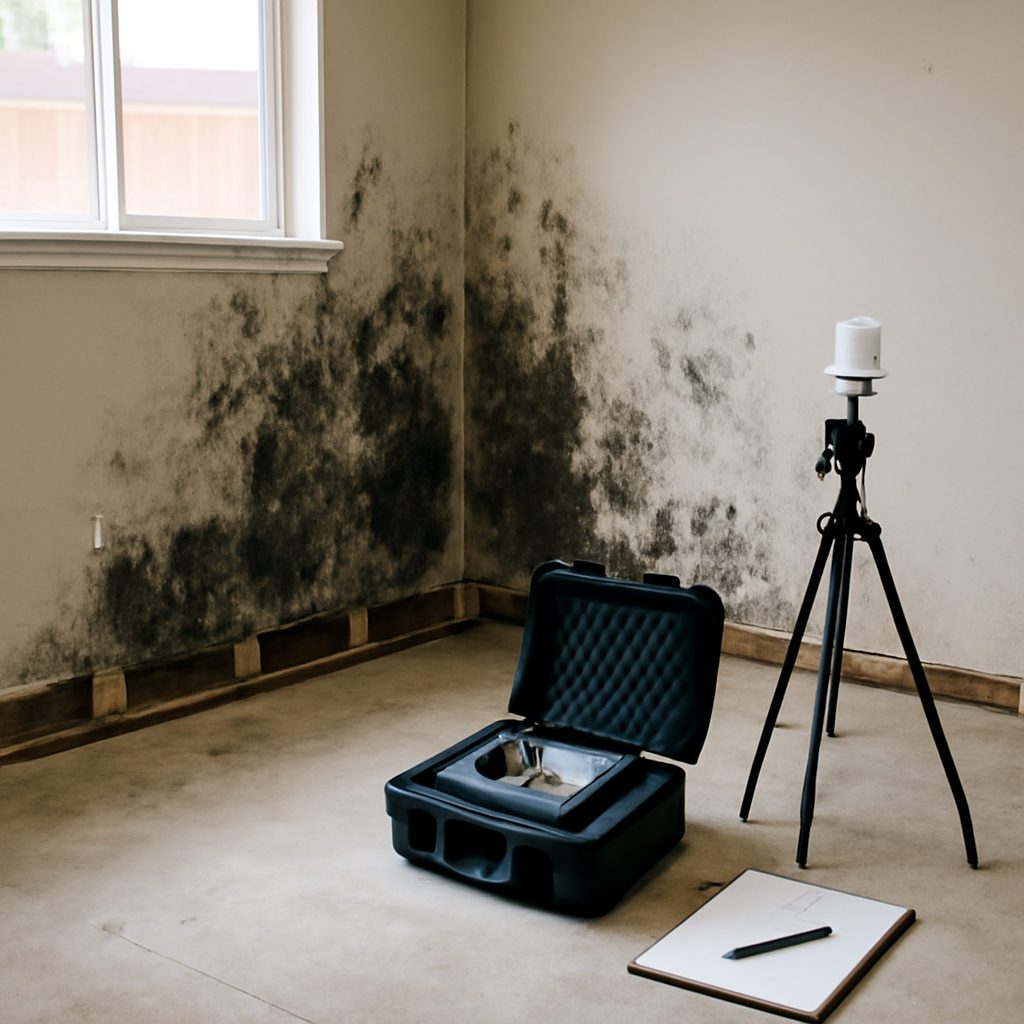
Longmont’s dry climate hides a real mold risk, and much of it traces back to one event. A mold inspection in Longmont is a structured search for active growth and the moisture sources that feed it, performed by a professional using moisture meters and visual assessment. It matters here because Longmont sits in Boulder County along St. Vrain Creek, where the September 2013 flood caused widespread basement water intrusion that left lingering moisture and mold concerns in homes across the city. This guide explains what the inspection covers, why local conditions create mold despite the semi-arid climate, what it costs, and how to vet an inspector. Mold inspection is an assessment, not medical advice; consult a physician about symptoms and a certified professional for testing decisions.
Is this mold, asbestos, or water damage? Get a free instant screen
Upload a clear photo of the suspect area. You'll get an instant AI screening opinion and what to do next. This is screening guidance, not a professional determination.
Screening guidance only. AI can be wrong. Confirm asbestos, mold type, or lead with lab testing or a licensed professional before acting.
Mold inspection in Longmont: what to know
A mold inspection is a methodical look for visible growth and the dampness behind it. An inspector checks basements, crawlspaces, bathrooms, and around windows and plumbing, using moisture meters and sometimes infrared cameras to find water hidden behind finishes. Where visible growth or a musty odor exists, the inspector may recommend lab sampling to identify the mold type and concentration.
In Longmont, the inspection focuses heavily on basements, for a clear local reason. The 2013 flood pushed water into hundreds of basements, and some were dried and refinished quickly, sealing moisture behind new drywall. Even more than a decade later, an inspector can find leftover dampness or recurring intrusion in homes near St. Vrain Creek and across older low-lying areas.
A mold inspection earns its cost at specific moments: before buying a home, after a basement leak or plumbing failure, when a musty smell will not clear, or when a family member has unexplained respiratory symptoms. In each case the inspector answers two questions: is there active growth, and what moisture source is feeding it. The second question is the one that prevents recurrence. A Longmont inspector who knows the area will look past the visible stain to the grading, the sump, the gutters, and the flood history that let moisture accumulate in the first place.
Signs you need a mold inspection in Longmont
Mold usually signals its presence before you see it. A persistent musty or earthy smell, strongest in the basement or after the furnace runs, is one of the most reliable early signs. Visible discoloration on drywall, baseboards, or the underside of carpet pad points to a moisture problem even when the patch looks small, since what shows on the surface is often a fraction of what grows behind it.
Other clues are physical and seasonal. Condensation on basement windows, a damp feel to finished basement carpet in spring, or peeling paint and warped trim near the floor all suggest moisture. Allergy-like symptoms that ease when you leave the house and return when you come back are worth taking seriously, though only a physician can connect symptoms to a cause. In homes that flooded in 2013, any of these signs deserves prompt attention, because a basement that was refinished quickly after the flood may have been hiding moisture behind the new finish ever since.
Why Longmont homes get mold
The semi-arid climate hides several moisture drivers. The dominant one is flood history. St. Vrain Creek’s major September 2013 flooding caused widespread basement water intrusion in Longmont, and the path of past flooding remains a higher-risk corridor for moisture. Spring snowmelt and a high water table can keep a basement damp for weeks at a time.
Housing patterns add to the problem in different ways. The older downtown core, including Old Town Longmont, has pre-WWII homes with stone or block foundations that wick moisture from the soil. The large newer subdivisions from the 1990s through the 2010s, around Prospect and Southmoor Park, are sealed tightly for energy efficiency, which traps interior humidity from cooking, showering, and breathing when ventilation is poor. Finished basements in both eras create warm, enclosed spaces where moisture turns into mold along the base of walls.
Because the same damp basements that grow mold also concentrate radon, many owners test for both at once, since Boulder County’s Zone 1 status makes elevated radon common in exactly these below-grade spaces.
What a Longmont mold inspection covers
A thorough visit generally includes:
- Visual assessment of basements, crawlspaces, bathrooms, attics, and around plumbing for visible growth and water staining.
- Moisture readings on drywall, framing, and subfloor to find dampness behind finishes, especially in flood-affected basements.
- Humidity measurement, important in tightly sealed newer subdivisions.
- Source identification, tracing growth to flood intrusion, snowmelt seepage, a plumbing leak, poor grading, or weak ventilation.
- Optional sampling, air or surface samples sent to a lab to identify species and compare indoor to outdoor spore counts.
Fixing the water source matters more than the cleanup itself; remediating mold without correcting a recurring basement leak guarantees a repeat. For background on what labs commonly find in Front Range basements, see our guide to basement mold types, and the broader mold inspection and testing hub.
What happens after a Longmont mold inspection
The deliverable is a written report describing what was found, where, and the suspected moisture source, along with recommendations. If the inspection found only minor surface growth tied to an obvious, fixable cause, the report may simply recommend cleaning and a small repair you can manage yourself. If it found widespread growth, hidden moisture behind walls, or signs of a structural water problem, it will recommend professional remediation plus the corrective work needed to keep it from returning.
Remediation in Longmont typically means containing the affected area, removing porous materials that cannot be cleaned, treating salvageable surfaces, and drying the space thoroughly before rebuilding. The decisive step, though, is the repair that stops the water: regrading soil away from the foundation, fixing gutters and downspouts, sealing or waterproofing a flood-prone basement, repairing a plumbing leak, or addressing the sump. After remediation, a clearance test confirms the cleanup worked. An owner who skips the moisture repair will be calling another inspector within a year or two, especially in a home along the St. Vrain corridor where spring snowmelt returns every season. Because the same damp basements concentrate radon, pairing the work with radon testing is sensible; see our guide to radon testing in Longmont.
Mold inspection cost in Longmont
A visual mold inspection in the Longmont area typically runs from about $200 to $450, depending on home size and the number of problem areas. Adding lab sampling usually costs an extra $50 to $150 per sample. A larger home with a finished, flood-affected basement and multiple suspect areas lands at the higher end.
Be cautious with companies that offer a free inspection but also sell remediation, since the incentive runs toward finding work. An independent assessment with a written report gives you a cleaner basis for deciding what, if anything, to remediate.
Weigh the inspection fee against what mold costs when ignored. A small, caught-early moisture problem in a Longmont basement might be resolved for the price of regrading and a dehumidifier. Left alone, especially in a flood-corridor home where water keeps returning, the same problem can rot framing, ruin finished basement walls, and trigger a remediation bill in the thousands plus the disruption of tearing out and rebuilding. For a buyer, an inspection before closing can surface a moisture problem the seller should address or credit, which often more than covers the fee. For a home with 2013 flood history, a clear assessment also gives you documentation that matters for disclosure and resale. A few hundred dollars for a neutral inspection is one of the cheaper forms of protection a Longmont homeowner can buy.
Longmont regulations and disclosure
Colorado has no state mold inspector license, so credentials and lab accreditation carry the weight. Colorado does require a Seller’s Property Disclosure in residential sales, and known moisture or mold, including flood history, should be disclosed. For homes affected by the 2013 flood, documented water history is something a buyer will want to see.
For pre-WWII Old Town homes, remember that disturbing materials during mold cleanup can expose lead paint or asbestos; CDPHE Regulation 8 governs asbestos handling before renovation. A good inspector flags these overlapping older-home concerns rather than treating mold in isolation.
Disclosure cuts both ways in a Longmont sale. If you are buying a home in a flood-affected part of the city, ask directly about the property’s 2013 flood history and any basement water intrusion since, and use the inspection to verify the answer. If you are selling, documenting a known moisture issue and its repair is generally smoother than leaving it for a buyer’s inspector to uncover mid-transaction. A written mold inspection report, paired with honest disclosure of flood history, gives both sides a factual basis for the deal and reduces the chance of a dispute after closing.
Neighborhoods and areas served
Inspectors serving Longmont commonly cover Old Town Longmont, Prospect, Southmoor Park, and the newer subdivisions across the city, with extra attention to the corridors affected by the 2013 St. Vrain flood. Service usually extends to Boulder, Loveland, Firestone, and Frederick. An inspector who knows the area understands that an Old Town stone foundation, a flood-affected basement, and a sealed newer build each develop mold for different reasons and need different fixes.
That local knowledge shapes the whole visit. In Old Town, the inspector expects stone or block foundations that wick groundwater and examines the base of basement walls and old window wells closely. In a home along the St. Vrain flood corridor, the inspector treats the basement as the priority, probing behind finished walls for moisture that may have been sealed in during a quick post-flood rebuild. In a Prospect or Southmoor Park subdivision build, the focus shifts to bathroom and kitchen exhaust, crawlspace conditions, and whether the tight envelope is trapping humidity. Matching the inspection to the neighborhood and the home’s flood history is what separates a useful visit from a generic checklist, which is why hiring someone who works Longmont regularly pays off.
How to choose a Longmont mold inspector
Favor an inspector who is independent of any remediation company, so the assessment is not a sales pitch. Ask whether any samples go to an accredited lab and request a sample report to see how findings and recommendations are documented.
Confirm the inspector uses moisture meters and ideally infrared imaging, not just a visual once-over, since the worst mold hides behind walls in flood-affected basements. Ask how they trace the moisture source, because that prevents recurrence. For renters dealing with a landlord who will not act on a damp basement, our guide on suing a landlord for mold explains the options. Ask too whether the inspector is independent of remediation work, so the assessment stays neutral rather than becoming a sales pitch.
References
- Mold Cleanup in Your Home — U.S. Environmental Protection Agency
- About Mold and Health — Centers for Disease Control and Prevention
- Indoor Air Quality Program — Colorado Department of Public Health and Environment
- Mold and Health Research — National Institute of Environmental Health Sciences
Longmont homeowners and renters who want a neutral mold assessment, especially in a flood-affected basement, can get in touch through our contact page and we will connect you with a vetted Boulder County professional.