Radon in Home Symptoms: Why There Are None and What to Do

Radon in home symptoms is one of the most-searched phrases by people newly aware that radon exists. The frustrating answer for anyone hoping for a diagnostic shortcut: radon exposure does not produce acute symptoms. There is no rash, no cough, no nausea, no headache, no dizziness, no telltale anything. Radon is colorless, odorless, tasteless, and undetectable by human senses. Its only health effect — lung cancer — manifests decades after exposure begins. This guide explains why radon is asymptomatic, what symptoms might prompt the search, when to consult a physician for respiratory concerns, and the role testing plays as the only meaningful diagnosis. Information reflects EPA, CDC, lung.org, and CDPHE guidance current as of 2026; consult your physician for any persistent respiratory symptom, regardless of radon-test results.
Part of our Radon Levels guide — start there for the full picture →
Why radon exposure has no acute symptoms
Radon’s health effect operates through a single mechanism: alpha-particle radiation damage to bronchial epithelial cells from inhaled radon and its short-lived progeny (Po-218, Po-214). Alpha particles travel a few centimeters through air and a fraction of a millimeter through tissue, depositing their energy in the immediate vicinity of where the particles emit. Inhaled radon progeny attach to airway surfaces and deliver alpha radiation directly to the underlying epithelial cells.
The damage is cumulative and probabilistic — each alpha particle has a small probability of causing a DNA mutation in a vulnerable cell. Over years and decades, mutations accumulate. Some mutations may eventually combine in ways that produce lung cancer. The pathway is slow, silent, and bears no resemblance to the acute respiratory irritation that occupants might mistakenly associate with environmental exposure.
Radon does not trigger inflammation acutely. It does not cause asthma symptoms, sinus congestion, headaches, or fatigue. The American Lung Association is explicit: “Radon does not produce symptoms before the development of lung cancer.” If you are experiencing acute respiratory symptoms in your home, radon is not the cause and you should investigate other possibilities.
What symptoms might prompt the search
People searching for “radon in home symptoms” usually have one of three triggers:
1. Persistent respiratory symptoms they cannot explain
Chronic cough, shortness of breath, recurrent chest infections, or wheezing that won’t clear up. These symptoms are not radon-related but warrant medical evaluation regardless. The likely candidates for environmental respiratory symptoms are mold, dust mites, pet dander, volatile organic compounds (VOCs) from new construction materials, formaldehyde from particleboard, combustion byproducts from gas appliances, or pollen and outdoor pollutants drawn indoors.
2. Awareness of a high radon test result
A recent radon test came back above the EPA action level and the homeowner is now looking for confirming symptoms. There will be none. The right response is mitigation, not symptom-watching.
3. Real-estate concerns
A buyer or seller is researching whether radon could be causing or has caused harm in the home. Without long-term exposure history and medical evaluation, this question is unanswerable from external sources alone.
The only “symptom” — lung cancer detected years later
Radon-induced lung cancer is biologically identical to lung cancer from other causes. It produces the same eventual symptoms — persistent cough, hemoptysis (blood in sputum), chest pain, unexplained weight loss, recurrent pneumonia. By the time those symptoms appear, the cancer is established and treatment is significantly more difficult than if caught at an earlier stage.
The CDC and American Lung Association recommend annual low-dose CT screening for current and former heavy smokers, which catches lung cancer earlier than symptom-driven detection. Non-smokers exposed to radon do not have a specific screening protocol because absolute risk in non-smokers remains relatively low at concentrations slightly above the EPA action level. Heavy smokers exposed to elevated radon face multiplicatively higher risk and should discuss screening with their physicians.
When to consult a physician
Any persistent respiratory symptom warrants medical evaluation regardless of radon-test results. Specific reasons to call your doctor:
Chronic cough lasting more than three weeks
Could be many things — post-nasal drip, asthma, GERD, environmental allergy, infection. Lung cancer is on the differential diagnosis list for any chronic cough and a physician can rule it out.
Hemoptysis (coughing up blood)
Always warrants prompt medical attention regardless of cause.
Unexplained shortness of breath
Could be cardiac, pulmonary, or hematologic. Needs evaluation.
Persistent chest pain
Could be musculoskeletal, cardiac, pulmonary, or gastrointestinal. Needs evaluation.
Unexplained weight loss with respiratory symptoms
The combination raises concern for serious underlying conditions including cancer. Evaluate.
Your physician — not a radon test result — is the appropriate diagnostic resource for these symptoms. If radon exposure history is relevant context, share it during the appointment, but do not delay medical care while you wait for a radon test result.
How to actually detect radon: testing
Since radon produces no symptoms, the only way to know whether your home has elevated radon is to test. Three test types cover the residential market:
Short-term charcoal canister
$15 to $30 consumer kits, 2 to 7 day exposure, lab-analyzed gamma spectroscopy, results in 7 to 10 days. Appropriate for initial screening. The how do you do a radon test guide walks the procedure.
Continuous radon monitor
Professional-grade electronic device with hour-by-hour data, 48-hour standard test. $150 to $300 by a state-certified professional. Appropriate for real-estate transactions and post-mitigation clearance.
Long-term alpha-track detector
$20 to $50 kits, 90 days to one year exposure, captures seasonal variation. Appropriate for definitive year-round average exposure assessment.
EPA action level and what it means
EPA’s 4.0 pCi/L action level is a public-health threshold above which mitigation is recommended. The level was set as a balance between achievable indoor concentrations through reasonable mitigation and the slope of the lung-cancer risk curve. Risk is not zero below 4.0 pCi/L — EPA notes any radon exposure carries some risk — but the marginal benefit of pushing below 2.0 pCi/L becomes difficult to achieve in homes with substantial soil-gas pressure.
Colorado sits in EPA Radon Zone 1. CDPHE estimates roughly half of Colorado homes exceed 4.0 pCi/L. The Colorado radon testing pillar covers the state context.
Mitigation as the response to elevated radon
Confirmed elevated radon (typically two tests above 4.0 pCi/L, or one test substantially above 4.0 pCi/L) calls for a sub-slab depressurization system. A PVC pipe extends from below the foundation slab, runs through an unobtrusive interior or exterior path, and exits above the roof. An inline fan creates suction that diverts soil gas before it can enter the home. Front Range mitigation system installations run $1,200 to $2,500 typical.
Mitigation is not a household repair project. Engage a state-certified radon mitigation professional through the CDPHE or NRPP database. Post-mitigation testing within 30 days confirms the system reduced concentrations below 4.0 pCi/L.
Other indoor air-quality concerns to investigate
Homeowners experiencing respiratory symptoms should consider candidates that actually cause acute symptoms:
Mold
Visible water damage, musty odors, or chronic respiratory symptoms in some occupants but not others suggest mold investigation. Allergic responses and asthma triggers commonly link to mold exposure.
Combustion appliances
Gas furnaces, water heaters, fireplaces, and stoves can leak combustion byproducts including carbon monoxide. A CO detector is critical, and any symptoms that improve when away from home warrant combustion-appliance inspection.
VOCs and formaldehyde
New construction, recent renovations, new furniture (especially particleboard), and recently installed flooring can off-gas VOCs and formaldehyde. Symptoms typically resolve as off-gassing decreases over weeks to months.
Particulate pollution
Outdoor wildfire smoke (a recurring Front Range concern in summer), dust mites, and pet dander all cause respiratory symptoms in sensitive individuals.
When to call a professional
For symptoms, call your physician — symptoms are a medical concern, not a testing concern. For radon testing, engage a state-certified radon measurement professional for any consequential measurement (real-estate, post-mitigation clearance) or use a properly executed DIY kit for routine screening. For confirmed elevated radon, engage a state-certified mitigation professional through CDPHE or NRPP databases. The takeaway is simple: respiratory symptoms warrant medical evaluation, and radon presence warrants testing — and the two pathways do not overlap diagnostically.
References
- EPA Health Risk of Radon — U.S. Environmental Protection Agency
- American Lung Association Radon Resource — Lung.org
- CDC Radon Health Information — Centers for Disease Control and Prevention
- CDPHE Radon Program — Colorado Department of Public Health and Environment
Frequently asked questions
Are there any symptoms of radon exposure?
No. Radon does not produce acute symptoms. It is colorless, odorless, and tasteless. The only health effect is lung cancer, which develops decades after exposure begins. If you are experiencing acute respiratory symptoms, investigate other causes and consult your physician.
Can radon cause headaches or fatigue?
No. Radon does not cause headaches, fatigue, nausea, dizziness, or any other acute symptom. Symptoms attributed to radon are almost always caused by something else — mold, combustion byproducts, VOCs, particulates, or unrelated medical conditions. See your physician for persistent symptoms.
How would I know if I have been exposed to radon?
You would not know without testing. Radon exposure produces no symptoms until lung cancer develops decades later. Test your home to know whether you have current exposure, and discuss lung cancer screening with your physician if you have substantial prior exposure plus other risk factors like smoking.
Should I see a doctor if I am worried about radon exposure?
Yes — for any persistent respiratory symptom or significant exposure history with risk factors like smoking. The physician's role is medical evaluation and screening, not radon testing. Test your home through a state-certified radon professional or a properly executed DIY kit to address the testing side.
Front Range homeowners with confirmed elevated radon or those planning testing for peace of mind can reach out through our contact page for a connection to a state-certified Colorado radon professional.
Test your home for radon
Radon is invisible and odorless, so a test is the only way to know your level. A short-term kit gives a first reading in days; a digital monitor tracks it over time.
| Product | Why | Buy |
|---|---|---|
 AirChek Charcoal Radon Test Kit | Lab fee usually included; EPA short-term protocol. | Amazon |
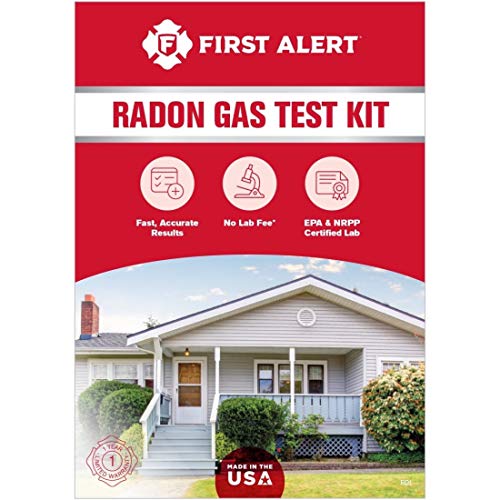 First Alert RD1 Radon Test Kit | Widely stocked; 48-hour charcoal test. | Amazon — $17.95 |
 Airthings Corentium Home | Digital monitor with a long-term average. | Amazon — $142.99 |