Mold Removal San Marcos: What Homeowners Need to Know
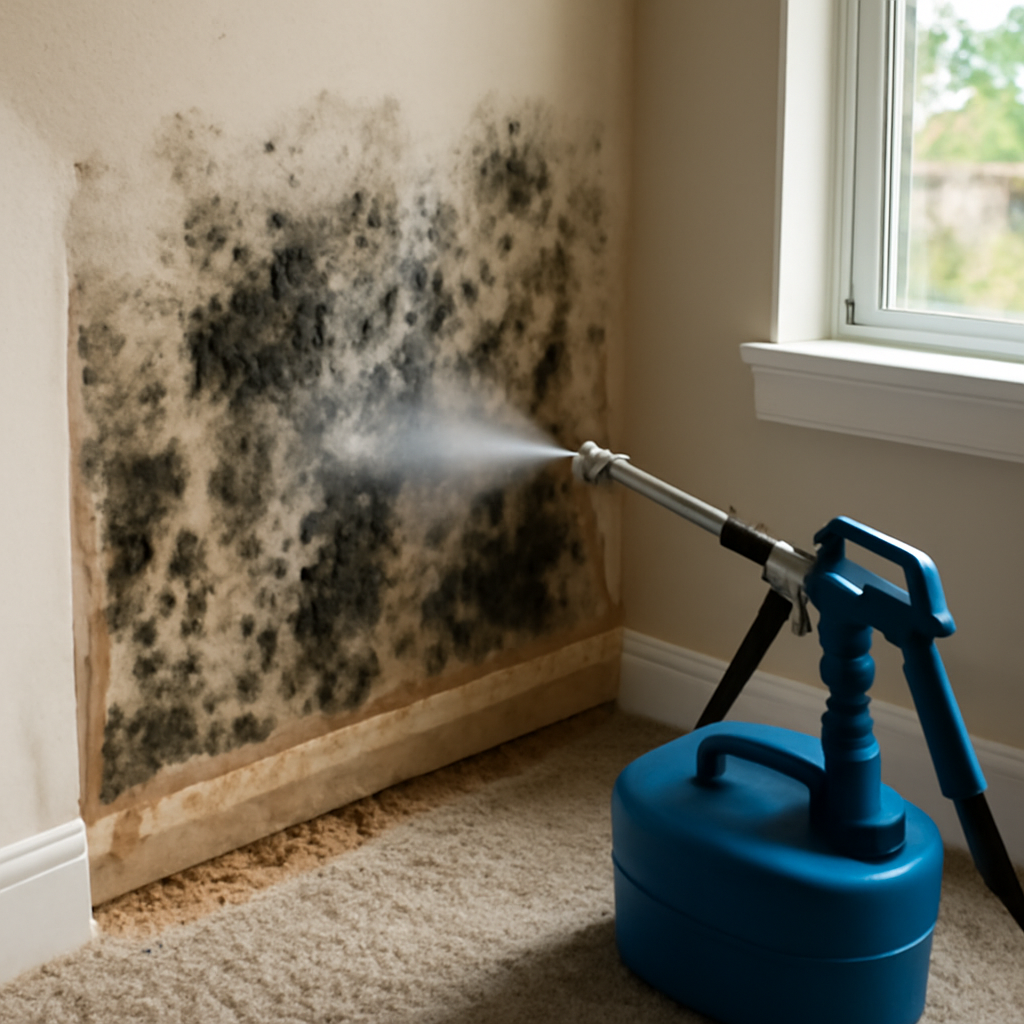
San Marcos, Texas sits in the Hill Country between Austin and San Antonio, where a humid subtropical climate meets the spring-fed San Marcos River and a flood-prone stretch of the Blanco. Hot, sticky summers run air conditioners hard, sudden heavy rains test foundations and roofs, and the area’s history of flash flooding makes fast water response part of life. Knowing how mold removal San Marcos projects work helps homeowners act quickly and avoid paying for the same problem twice. This guide summarizes EPA and CDC guidance current as of 2026 and is educational only; consult a physician about health symptoms and a certified professional for testing and removal decisions.
Part of our Mold Removal & Remediation guide — start there for the full picture →
Is this mold, asbestos, or water damage? Get a free instant screen
Upload a clear photo of the suspect area. You'll get an instant AI screening opinion and what to do next. This is screening guidance, not a professional determination.
Screening guidance only. AI can be wrong. Confirm asbestos, mold type, or lead with lab testing or a licensed professional before acting.
What Mold Removal in San Marcos Actually Means
Mold removal is the physical elimination of active growth combined with correcting the moisture that allowed it to take hold. The EPA stresses that cleaning alone is not enough; if the water source remains, mold returns within days. In San Marcos that source is frequently HVAC condensation, a slab plumbing leak, or floodwater from a heavy rain event.
A proper job removes saturated porous materials, cleans salvageable surfaces, dries the structure to a measurable baseline, and verifies the result. The aim is to bring indoor spore levels back in line with outdoor background levels, not to sterilize the home.
Why San Marcos Homes Develop Mold
Central Texas weather is the major factor. Summers are long and humid, air conditioners run nearly nonstop, and sudden downpours can dump several inches in an hour. Several local conditions stand out:
- Flash flooding. San Marcos and the surrounding Hill Country are part of “Flash Flood Alley,” and homes near the rivers and low crossings face real flood risk that introduces large volumes of water fast.
- Slab plumbing leaks. Many homes are slab-on-grade, and shifting soils can crack supply lines beneath the slab, releasing water into flooring.
- HVAC condensation. Oversized or poorly maintained systems sweat in attics and closets, and clogged condensate lines drip onto ceilings and walls.
The student rental market around Texas State adds another wrinkle: deferred maintenance and quick tenant turnover can leave small leaks unaddressed long enough to feed hidden mold.
Warning Signs of a Mold Problem
The most reliable early signal is smell. The CDC notes that a musty, earthy odor often points to hidden growth even when surfaces look clean. Visible cues include discoloration on ceilings and baseboards, bubbling paint, and warped flooring near plumbing fixtures.
Health symptoms can accompany exposure. Coughing, congestion, and eye irritation that improve when occupants leave the home may suggest indoor air quality issues, though only a physician can connect symptoms to a cause. For a deeper look at detection, the guide on checking for black mold walks through what inspectors evaluate.
Common Mold Types in Central Texas Homes
The CDC advises that identifying a mold’s exact species is generally unnecessary, because every visible indoor mold gets the same response. A few types recur in San Marcos’s warm, humid conditions.
Cladosporium appears as dark green or brown patches on damp drywall, around windows, and on HVAC surfaces. Aspergillus and Penicillium thrive on water-damaged paper, dust, and cellulose, driving much of the musty odor. Stachybotrys, the greenish-black mold associated with the “toxic black mold” label, requires prolonged saturation and tends to grow on the paper face of drywall after a flood or a slow leak that went unnoticed. Color is not a reliable hazard gauge, and the EPA recommends removing all indoor mold.
The Mold Removal Process
Reputable San Marcos contractors follow a documented sequence rather than improvising.
Inspection and Moisture Tracing
Technicians locate the water source using moisture meters and infrared imaging. In slab homes, leak detection equipment may be needed to pinpoint a sub-slab break.
Containment
Plastic sheeting and HEPA-filtered negative air machines isolate the work zone so spores do not migrate through the home’s ductwork.
Removal and Cleaning
Saturated drywall, carpet padding, and insulation are bagged and discarded. Framing and hard surfaces are HEPA-vacuumed and wiped with detergent. The EPA generally discourages routine biocide use indoors.
Drying and Verification
Air movers and dehumidifiers dry the structure, and a clearance check confirms the area is ready to rebuild. Independent verification carries more weight than a self-check by the removal crew.
Flooding and the 24-to-48-Hour Window
Flash flooding is the defining mold risk in San Marcos, and it changes the math. When a home takes on floodwater, the EPA’s guidance is to dry wet materials within 24 to 48 hours to prevent mold, because in the Texas heat saturated drywall and carpet colonize fast. Floodwater also often counts as contaminated, especially when it carries sewage or runoff, which pushes the cleanup into professional territory regardless of the affected area.
Homeowners in flood-prone neighborhoods benefit from a plan made before the water arrives: knowing how to shut off utilities, having a way to extract water quickly, and understanding that porous materials touched by floodwater usually have to be discarded rather than dried. Acting in the first day or two is the single biggest factor in keeping a flood from becoming a mold remediation.
How Much Does Mold Removal Cost in San Marcos?
Pricing scales with the affected area and the difficulty of reaching it. Industry estimates put small contained jobs in the low four figures, while whole-room, slab-leak, or flood projects climb higher once plumbing repair and rebuild are added. San Marcos labor rates track the broader Austin-San Antonio corridor, which is moderate compared with the coasts.
Key cost drivers include:
- Volume of contaminated material to remove
- Whether full containment is required
- The cost of the underlying plumbing, roof, or flood repair
- Rebuild scope after removal
Before accepting the lowest bid, homeowners should review how affordable mold removal is priced, since underbid jobs that skip containment frequently fail clearance and cost more in the end.
When to DIY and When to Hire a Pro
The EPA’s general guidance: homeowners can usually clean mold under about 10 square feet, roughly a 3-by-3-foot area, with gloves, an N95 respirator, and standard cleaners. Larger growth, flood or sewage contamination, or mold inside HVAC systems calls for professionals.
San Marcos’s flood and slab risks complicate DIY work. A surface patch on a baseboard may sit above a hidden sub-slab leak, and floodwater contamination is rarely a job for a homeowner. Professionals bring leak detection, containment, and the judgment to know which materials must be discarded.
Texas Mold Licensing and What It Means
Texas licenses mold assessment consultants and mold remediation contractors, and for projects above a defined size threshold the law requires the assessor and remediator to be separate firms. That separation removes the incentive to inflate scope. For San Marcos homeowners, the licensing system is a screening tool: a licensed remediator must follow a written protocol, document the work, and provide a certificate of mold remediation on qualifying projects. Verify the license number with the state regulator before signing, and keep every document.
Health Considerations for San Marcos Households
The CDC reports that mold-sensitive people may experience nasal stuffiness, throat irritation, coughing, or itchy eyes, and that those with asthma or weakened immune systems can react more severely. This is general health information, not a diagnosis. A homeowner whose symptoms ease away from the house should describe that pattern to a physician.
The student-rental concentration around Texas State adds a practical wrinkle. Tenants in older or deferred-maintenance rentals may live with a slow leak and its resulting mold for an entire lease before anyone addresses it, and roommates with asthma or allergies bear the brunt. Renters who notice persistent musty odors should document the problem in writing to the landlord, and households with vulnerable members anywhere in San Marcos have reason to act on hidden-moisture signs quickly.
Insurance and Documentation for Texas Homeowners
Coverage depends on cause and timeline. Sudden, accidental water damage such as a burst pipe is often covered, while mold from chronic humidity, a slow slab leak, or surface flooding is usually excluded; flood damage typically requires separate flood insurance, which matters in a flash-flood-prone area like San Marcos. Many Texas policies also carry a mold sublimit.
Document early. Photograph the water and affected area, record the date, keep the leak-detection report and water bills, and retain the licensed remediator’s scope tying the mold to a covered event. In flood-prone neighborhoods, confirm whether a separate flood policy applies before assuming coverage, and act fast, prompt mitigation both limits the loss and strengthens any claim.
Preventing Mold From Returning
Long-term control is a humidity and water-management game. The CDC recommends keeping indoor relative humidity below 50 percent, which in a San Marcos summer means a well-sized, well-maintained air conditioner and possibly a dehumidifier.
Other durable steps include flushing HVAC condensate lines each spring, monitoring water bills for unexplained spikes that signal slab leaks, extending gutter downspouts, and improving drainage on flood-prone lots. The broader mold inspection and testing resource hub offers prevention checklists for warm, humid homes.
How Long Mold Removal Takes
Timeline depends on scope, the moisture source, and drying. A small, single-room cleanup with light containment often runs two to four days. A slab-leak project that includes locating and repairing a sub-slab break, then removing and rebuilding flooring, takes longer because the plumbing repair is its own job. A flood cleanup that touches multiple rooms and discards large volumes of porous material can run a week or more.
Drying is the step homeowners underestimate, and in Central Texas it cuts both ways. The summer heat speeds drying once the source is stopped, but high humidity during a wet stretch slows it. A credible crew dries to a measurable moisture target rather than to a fixed date. After a flood, the initial 24-to-48-hour drying window the EPA describes is about preventing mold from starting; full structural drying after significant water can take several additional days.
Rebuild adds time on top. New flooring, drywall, and finishes follow the cleanup, and on a slab-leak job the plumbing repair has to be verified before anything is closed up. Homeowners coordinating around a displacement or a sale should plan for both the removal and the reconstruction phases.
What Happens After Removal: Verification and Rebuild
Removal is only part of the job. Once contaminated material is out and the structure is dry, a clearance check confirms the area is visibly free of mold, dry to a measurable moisture content, and back to airborne spore levels comparable to the outdoors. On licensed Texas projects, an independent assessor performs this verification separately from the remediation crew, which is the structure the state’s licensing framework is built around.
The rebuild is a chance to reduce future risk: sealing the slab penetration properly, choosing flooring that tolerates incidental moisture, and confirming the plumbing repair held. Keep the certificate of mold remediation, the written scope, photos, and the clearance documentation, since Texas regulates how soon a property can be represented as remediated and a buyer’s inspector may ask about a past water event.
Choosing a Qualified Removal Company
Confirm the company holds the appropriate Texas license for the project size, carries liability insurance, and provides a written scope of work. For projects above the state threshold, an independent assessor should write the protocol and verify the result separately from the remediation crew.
Collect at least two itemized estimates, ask how clearance failures are handled, and avoid any contractor who pressures you to sign before the moisture source is identified. After a flood, be wary of out-of-town crews offering cash work without proper licensing.
References
- Mold Cleanup in Your Home — U.S. Environmental Protection Agency
- About Mold and Your Health — Centers for Disease Control and Prevention
- Mold and Indoor Air Quality — American Lung Association
Frequently asked questions
How quickly should I address water in a San Marcos home?
Within 24 to 48 hours. The EPA advises drying wet materials in that window to prevent mold, and in the Central Texas heat saturated drywall and carpet colonize fast. After a flash flood, removing water immediately is the biggest factor in avoiding remediation.
Does Texas require a license for mold removal?
Texas licenses mold assessors and remediators for projects above a defined size threshold and requires them to be separate firms. Smaller cleanups may fall below the threshold, but hiring a licensed firm still gives you accountability and proof of training.
Is floodwater-soaked drywall safe to keep?
Usually not. Floodwater is often contaminated, and porous materials like drywall and carpet that absorb it generally must be removed rather than dried. A professional can assess what is salvageable and what must be discarded.
Can a slab leak cause hidden mold?
Yes. A sub-slab plumbing leak can wick moisture into flooring and lower drywall, feeding mold inside walls before any stain appears. A musty odor with no visible source and a rising water bill are common warning signs.
Front Range homeowners who want help finding a qualified local inspector before a purchase or after a water event can get in touch through our contact page.
Mold removal & cleanup picks
For a small, contained patch (under ~10 sq ft) these EPA-friendly removers handle surface mold. Larger or recurring growth warrants a professional assessment first.
| Product | Why | Buy |
|---|---|---|
 RMR-86 Instant Mold Stain Remover RMR-86 Instant Mold Stain Remover | Fast-acting on stains; ventilate and wear PPE. | Amazon — $29.99 |
 Concrobium Mold Control Concrobium Mold Control | No-bleach formula that also helps prevent regrowth. | Amazon — $11.26 |
 Mold Armor Mold & Mildew Remover Mold Armor Mold & Mildew Remover | Widely stocked bathroom/surface remover. | Amazon — $22.98 |