Mold Removal San Diego: What Homeowners Need to Know

San Diego’s coastal climate, marine layer humidity, mild temperatures, and aging stucco and slab homes, creates mold conditions that differ from the dry interior West. Mold removal in San Diego means addressing those region-specific moisture drivers, not just scrubbing a stain. This guide explains how removal works, what it typically costs, and how to choose a contractor without overpaying. It summarizes EPA and CDC guidance current as of 2026 and general industry practice; consult your physician about health symptoms and a certified professional before making removal decisions for your specific home.
Part of our Mold Removal & Remediation guide — start there for the full picture →
Is this mold, asbestos, or water damage? Get a free instant screen
Upload a clear photo of the suspect area. You'll get an instant AI screening opinion and what to do next. This is screening guidance, not a professional determination.
Screening guidance only. AI can be wrong. Confirm asbestos, mold type, or lead with lab testing or a licensed professional before acting.
What Mold Removal in San Diego Involves
Mold removal follows the same core sequence everywhere: assess the problem, contain the work area, remove contaminated porous materials, clean non-porous surfaces, dry the structure, and fix the moisture source. The EPA’s practical threshold applies, growth larger than roughly 10 contiguous square feet generally warrants professional remediation rather than DIY. What changes by region is the moisture diagnosis. In San Diego, that often means coastal humidity, condensation, slow plumbing leaks, and water intrusion in older slab-foundation and stucco homes.
A competent local contractor seals the area with plastic and negative-air HEPA machines, tears out soaked drywall and carpet padding, HEPA-vacuums and wipes hard surfaces, and runs dehumidifiers to dry the structure. The step that prevents recurrence is correcting the water source, whether that’s a roof leak, failed window flashing, or chronic condensation from humid marine air. Our overview of mold removal and remediation walks through each stage.
How Mold Removal Differs by Climate
It helps to understand why a coastal removal job isn’t quite the same as an inland one. In a dry interior climate, mold almost always requires a discrete water event, a leak, a flood, a plumbing failure, so removal centers on finding and fixing that single source, after which the dry ambient air helps keep surfaces from recolonizing. In coastal San Diego, ambient humidity alone can sustain growth on cool surfaces, which means removal must pair the cleanup with ongoing humidity management rather than assuming a one-time repair will hold.
This shapes both the diagnosis and the aftercare. A coastal contractor should evaluate not just the immediate source but the home’s overall humidity, ventilation, and envelope, because a cleaned surface in marine air can recolonize without those controls. It also means homeowners shouldn’t expect a single removal to be permanent unless the underlying humidity is addressed. The work itself, containment, removal of porous materials, cleaning, drying, follows the same EPA-aligned sequence everywhere; what changes is the weight placed on humidity control to keep the result from reversing.
Why San Diego Homes Get Mold
The marine layer keeps coastal humidity elevated for much of the year, and mild temperatures mean surfaces rarely get hot enough to dry quickly. That combination favors mold on bathroom ceilings, behind furniture against exterior walls, and in closets with poor airflow. Older homes with single-pane windows develop condensation, and stucco that has cracked or lost its weather barrier lets water wick into wall cavities. Slab foundations can transmit ground moisture if the vapor barrier is compromised.
Unlike Colorado’s dry interior, where mold clusters around specific leaks, San Diego’s ambient humidity can support growth more broadly, which raises the importance of ventilation and humidity control. The CDC and EPA both stress keeping indoor humidity below 60 percent, ideally 30 to 50 percent, as a baseline defense. For the broader framework, see the mold inspection and testing hub.
What Mold Removal Costs in San Diego
Costs scale with the size of the affected area, accessibility, and how much material must be removed. Industry estimates put small jobs, a single bathroom or closet, in the few-hundred to roughly $1,500 range. Mid-size projects involving a wall, multiple rooms, or a section of flooring often run $2,000 to $6,000. Extensive contamination, slab moisture issues, or projects requiring structural drying and rebuild can exceed $10,000. San Diego’s higher regional labor costs can push figures toward the upper end of national ranges.
Always request an itemized written estimate separating containment, removal, cleaning, drying, moisture repair, and any rebuild. Avoid flat-rate quotes that hide what you’re paying for, and get at least three bids for anything beyond a minor job.
Does Insurance Help?
Homeowners insurance may cover mold cleanup when it stems from sudden, accidental water damage, such as a burst pipe, but typically excludes damage from long-term leaks, poor maintenance, or flooding, and many policies cap mold payouts. In a humid coastal market, slow condensation-driven mold is often deemed a maintenance issue and denied. Review your policy’s mold endorsement and document the damage with photos before any work begins.
The Step-by-Step Removal Process
Knowing the sequence a contractor should follow helps you judge whether a San Diego company is doing the job right. The work begins with assessment: identifying the moisture source and mapping the affected square footage. Next comes containment, sealing the work zone with plastic sheeting and running HEPA-filtered negative-air machines that exhaust outdoors, so spores don’t migrate into clean rooms during demolition.
Then comes removal of unsalvageable porous materials, soaked drywall, carpet padding, insulation, bagged and sealed inside the containment before disposal. Hard surfaces are HEPA-vacuumed and wiped, and the structure is dried with commercial dehumidifiers and air movers to a verified low moisture content. The final phase is correcting the water source and verifying the result, ideally through an independent post-remediation check combining a visual inspection, moisture readings, and sometimes air sampling against an outdoor baseline. In a humid coastal market, that drying and verification step matters especially, because surfaces that feel dry can still hold enough moisture to support regrowth.
What to Keep for Your Records
Documentation protects you at resale and with insurance. Keep the written scope of work, before-and-after photos, the moisture logs, and the clearance report. California disclosure expectations and a future buyer’s inspector will raise any mold history, and a clean paper trail showing the problem was found, scoped, remediated, and verified clean reassures everyone far more than a verbal account. In a region where humidity-driven mold is common, that record can be the difference between a smooth sale and a stalled one.
How to Choose a San Diego Mold Contractor
California regulates some mold-related work and requires contractors performing certain remediation to hold appropriate licensing; verify current licensing through the state contractors’ board and confirm the company carries liability insurance and workers’ compensation. Beyond licensing, favor firms with IICRC certification and a clear, written process that includes containment, moisture repair, and post-remediation verification, ideally by an independent third party.
Ask each bidder how they’ll find and fix the moisture source, what’s included versus extra, and what happens if mold returns. Be wary of pressure to sign same-day, quotes given before a site visit, or proposals to demolish without diagnosing the water source. Local references and recent reviews carry more weight than national advertising.
Common Trouble Spots in San Diego Homes
Knowing where mold tends to surface locally helps homeowners catch it early. Bathrooms top the list: mild temperatures and marine humidity slow the drying of shower walls, grout, and ceilings, especially in homes with weak or absent exhaust fans. Closets and rooms along exterior north-facing walls stay cool and damp, so growth appears behind furniture and stored clothing. Single-pane and older aluminum-frame windows sweat with condensation, feeding mold on sills and adjacent drywall.
Below the surface, slab foundations can wick ground moisture upward where the vapor barrier has failed, and cracked or unsealed stucco lets wind-driven rain into wall cavities, a slow leak that shows up as interior staining months later. Crawl spaces in older coastal neighborhoods trap humid air. Each of these is a moisture problem first and a mold problem second, which is why a thorough removal job traces the water before it touches the stain.
Why Humidity Control Matters More on the Coast
In a dry interior climate like Colorado’s, mold usually requires a discrete leak. In coastal San Diego, ambient humidity alone can sustain growth on cool surfaces, which raises the importance of mechanical humidity control. The EPA and CDC both recommend keeping indoor relative humidity below 60 percent, ideally 30 to 50 percent. Running air conditioning, using bathroom and kitchen exhaust fans, and adding a dehumidifier in chronically damp rooms do more to prevent recurrence than any single cleaning. A removal contractor who doesn’t discuss ongoing humidity management is leaving the door open for the mold to return.
Preventing Mold in a Coastal Climate
Prevention does more for a San Diego homeowner than any single cleanup, because the marine climate constantly nudges conditions toward growth. The foundation is humidity control: keep indoor relative humidity below 60 percent, ideally 30 to 50 percent, using air conditioning and dehumidifiers in chronically damp rooms. Run bathroom and kitchen exhaust fans during and after use, and confirm they vent outdoors rather than into an attic or wall.
Beyond humidity, address the building envelope. Reseal cracked stucco and maintain the weather barrier so wind-driven rain stays out of wall cavities. Service single-pane and aging windows that sweat, or manage their condensation with wiping and better airflow. Improve crawl-space ventilation or add a vapor barrier where ground moisture rises. Keep furniture slightly off exterior north-facing walls so air can circulate behind it. None of these steps is dramatic, but together they deprive mold of the steady moisture the coastal climate would otherwise supply, which is far cheaper than repeated removal.
When DIY Is Enough vs. When to Call a Pro
Small surface mold under about 10 square feet on a hard, non-porous surface is often a reasonable DIY cleanup: ventilate, wear an N95 respirator and gloves, scrub with detergent and water, and dry thoroughly. Call a professional when the area is large, when mold is hidden inside walls or HVAC, when there’s been significant water intrusion, when it keeps returning, or when a household member has asthma or a weakened immune system, groups the CDC identifies as higher-risk. If you can’t locate the moisture source, an independent inspection defines the scope before you spend on removal.
For DIY cleanups in a humid coastal home, the drying step deserves extra emphasis. In a dry interior climate a scrubbed surface air-dries quickly, but in San Diego’s marine air it may stay damp long enough for mold to return, so running a fan or dehumidifier on the cleaned area, and keeping the room ventilated afterward, matters more than it would inland. Don’t reseal or repaint until the surface is genuinely dry, since trapping residual moisture under a coating restarts the problem.
Whether you’re in coastal San Diego or the Colorado Front Range, the principle is identical: removing visible mold without fixing the water that feeds it just buys time until it returns. The moisture sources differ by climate, marine humidity on the coast, discrete leaks and seasonal seepage in the dry interior, but the rule that the water must be corrected does not. Matching your response to the local moisture driver is what makes a removal stick. A homeowner who pairs every cleanup with a humidity fix, ventilation, dehumidification, or sealing the envelope, spends far less over time than one who repeatedly scrubs the same returning spot.
References
- Mold Cleanup in Your Home — U.S. Environmental Protection Agency
- About Mold and Your Health — Centers for Disease Control and Prevention
- A Brief Guide to Mold, Moisture and Your Home — U.S. Environmental Protection Agency
Frequently asked questions
Why is mold common in San Diego homes?
The coastal marine layer keeps humidity elevated and mild temperatures slow drying, favoring mold in bathrooms, closets, and against exterior walls. Older single-pane windows, cracked stucco, and slab vapor-barrier issues add moisture. Controlling indoor humidity below 60 percent is a key defense.
How much does mold removal cost in San Diego?
Small jobs often run a few hundred to about $1,500, mid-size projects $2,000 to $6,000, and extensive contamination above $10,000. San Diego's higher labor costs can push figures toward the upper end. Get itemized written estimates and at least three bids.
Is mold remediation licensed in California?
California regulates certain remediation work and requires appropriate contractor licensing for some jobs. Verify current licensing through the state contractors' board, and confirm liability insurance, workers' compensation, and IICRC certification.
When should I hire a pro instead of cleaning mold myself?
Hire a professional when the area exceeds about 10 square feet, when mold is hidden in walls or HVAC, after major water intrusion, when it keeps returning, or when a household member has asthma or weakened immunity. Otherwise small surface mold is often DIY-friendly.
Colorado Front Range homeowners weighing a mold problem can reach out through our contact page to connect with a vetted local inspector before committing to removal.
Mold removal & cleanup picks
For a small, contained patch (under ~10 sq ft) these EPA-friendly removers handle surface mold. Larger or recurring growth warrants a professional assessment first.
| Product | Why | Buy |
|---|---|---|
 RMR-86 Instant Mold Stain Remover | Fast-acting on stains; ventilate and wear PPE. | Amazon — $29.99 |
 Concrobium Mold Control | No-bleach formula that also helps prevent regrowth. | Amazon — $11.26 |
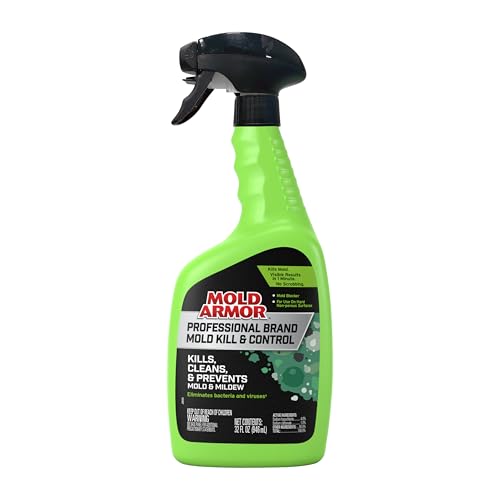 Mold Armor Mold & Mildew Remover | Widely stocked bathroom/surface remover. | Amazon — $22.98 |