Mold Removal San Antonio: A Homeowner Guide

San Antonio’s humid summers, frequent slab-on-grade construction, and afternoon thunderstorms create conditions that let mold establish quickly inside walls, under flooring, and around HVAC condensate lines. Homeowners searching for mold removal San Antonio services usually have already seen a stain, smelled a musty odor, or had a plumbing leak. This guide explains how professional remediation works in South Texas, what it typically costs, and how to separate qualified contractors from companies that overpromise. This guide summarizes EPA and CDC guidance current as of 2026; it is educational only, and you should consult a physician for health symptoms and a certified professional for testing and removal decisions.
Part of our Mold Removal & Remediation guide — start there for the full picture →
Is this mold, asbestos, or water damage? Get a free instant screen
Upload a clear photo of the suspect area. You'll get an instant AI screening opinion and what to do next. This is screening guidance, not a professional determination.
Screening guidance only. AI can be wrong. Confirm asbestos, mold type, or lead with lab testing or a licensed professional before acting.
What Mold Removal in San Antonio Actually Involves
Mold removal, more accurately called remediation, is the process of correcting the moisture problem, removing contaminated materials, and cleaning surfaces so spore counts return to normal indoor levels. The EPA is clear that you cannot eliminate every mold spore from a building; spores exist everywhere outdoors and drift indoors continuously. The realistic goal is to remove visible growth, fix the water source, and restore the affected area.
In San Antonio specifically, the moisture sources tend to fall into a few patterns. Slab foundations wick groundwater when grading slopes toward the house. Older homes in neighborhoods like Monte Vista and Alamo Heights have pier-and-beam crawl spaces that trap humidity. Newer subdivisions on the far north and west sides rely heavily on air conditioning, and oversized or poorly maintained units leave ducts and registers damp. Any of these can feed a chronic mold problem that no amount of surface scrubbing will fix permanently.
A legitimate remediation follows a sequence: contain the work area with plastic sheeting and negative air pressure, remove porous materials that cannot be cleaned (drywall, insulation, carpet padding), HEPA-vacuum and damp-wipe salvageable surfaces, and run air scrubbers before clearing the containment. Reputable firms in Texas generally reference the IICRC S520 standard, which is the industry reference document for mold remediation.
How Much Does Mold Removal Cost in San Antonio?
Pricing varies with the size of the affected area and how deep the moisture damage runs. National figures published by consumer cost trackers put most residential mold remediation projects between roughly $1,200 and $3,500, with small isolated jobs sometimes finishing under $600 and whole-house or HVAC-system contamination climbing past $6,000. San Antonio pricing tends to sit near or slightly below national averages because labor costs in the metro are moderate.
Several local factors push the number up or down:
- Square footage of growth. A 10-square-foot patch on bathroom drywall is a different job from mold spreading across a 200-square-foot bedroom ceiling.
- Location. Mold inside an attic with blown-in insulation or under a slab requires more demolition and labor than a surface stain on tile grout.
- Material removal and rebuild. The remediation price often excludes reconstruction. Replacing drywall, texture, and paint to match San Antonio’s common knockdown finishes is a separate cost.
- Testing. Pre- and post-remediation air sampling adds a few hundred dollars but documents that the work succeeded.
Get at least three written estimates. Be wary of any company that quotes a flat price over the phone without inspecting the property, and be equally cautious of free inspections that conveniently always find a large, expensive problem.
Do You Need a Mold Test First?
If you can see mold and know where the water came from, the EPA notes that testing is often unnecessary before cleanup; the response is the same regardless of the species. Testing earns its keep in three situations: when occupants have unexplained health complaints, when mold is suspected but hidden, and when you want independent documentation for a real estate transaction or insurance claim.
For an independent assessment, hire an assessor who does not also perform the remediation. In Texas, mold assessment and mold remediation are licensed activities regulated by the Texas Department of Licensing and Regulation, and a conflict of interest exists when one company both diagnoses and profits from the cure. Homeowners weighing this can review our overview of the mold inspection and testing process to understand what an assessment should cover. If a contractor pushes you toward a costly air-quality test before they have even looked at the leak, treat that as a signal to slow down.
Reading a Remediation Scope
A clear scope of work names the rooms, lists the materials to be removed, specifies containment and air-filtration methods, and states whether a third party will perform clearance testing. Vague language such as “treat affected areas” gives the contractor room to do as little as they choose. Texas-licensed remediators above a certain project size are required to provide a written remediation protocol and a certificate of completion.
How to Vet a San Antonio Mold Remediation Company
The remediation industry attracts both careful professionals and opportunists, especially after storms. Use this checklist before signing anything:
- Verify Texas licensing. Mold remediation contractors and assessors must hold a TDLR license. Ask for the license number and confirm it online.
- Confirm liability insurance. Mold work carries real risk; the company should carry general liability and pollution coverage.
- Check IICRC certification. Technicians certified in applied microbial remediation have completed standardized training.
- Read the contract. The price, scope, timeline, and any warranty should be in writing before work starts.
- Ask about moisture correction. A company that talks only about killing mold and never about fixing the leak does not understand the problem.
Crawl-space and basement-style moisture issues are common in older San Antonio homes; our guide on getting rid of mold in a crawl space walks through the moisture-control steps a good contractor should follow. For surface growth on painted walls, the same principles in our piece on cleaning mold on walls apply.
Health Considerations and When to Call a Professional
The CDC notes that mold exposure can trigger nasal congestion, throat irritation, coughing, and wheezing, and that people with asthma, allergies, or compromised immune systems may react more strongly. There is no medical test that proves a specific illness came from a specific building’s mold, so the CDC and EPA both emphasize controlling moisture rather than chasing a diagnosis through the home.
The EPA’s general rule of thumb is that homeowners can usually handle mold covering less than about 10 square feet on hard, non-porous surfaces using proper protective equipment. Larger areas, mold from sewage or contaminated water, growth inside HVAC systems, and any situation where occupants are symptomatic warrant a professional. In San Antonio’s climate, recurring growth after cleaning almost always points to an unresolved moisture source that a qualified contractor should diagnose.
Common Places Mold Hides in San Antonio Homes
Because the visible patch is often only part of the story, it helps to know where mold tends to establish in South Texas homes so a remediation scope covers the real extent. The most frequent locations include the following.
Behind bathroom walls and under vanities. Showers, tubs, and supply lines leak slowly into the cavity behind tile and drywall, where growth spreads unseen for months. A musty smell that intensifies after a shower is a common clue.
Around windows. Single-pane and aluminum-frame windows common in older San Antonio homes sweat heavily when humid outdoor air meets cool, air-conditioned interiors, feeding mold on sills, frames, and adjacent drywall.
Inside the HVAC system. The long cooling season means air handlers, evaporator coils, and supply ducts stay cold and damp for months. Condensate that overflows a clogged drain pan into the air handler or surrounding framing is a frequent and easily missed source. Mold in ductwork can distribute spores throughout the house, which is why HVAC contamination usually pushes a job into professional territory.
Slab perimeters and base plates. When grading slopes toward the house or a slab cracks, moisture wicks up into the bottom plates of exterior walls and the drywall above, producing growth low on the wall that is easy to overlook behind furniture.
Crawl spaces and pier-and-beam subfloors. Older neighborhoods with pier-and-beam construction trap ground moisture under the floor, where it condenses on joists and subflooring. A reputable assessor checks these concealed spaces rather than judging only what is visible in living areas.
The Mold Removal Process Step by Step
Knowing the sequence a professional follows helps a homeowner judge whether a contractor is doing thorough work or cutting corners. A typical San Antonio remediation moves through these stages.
Inspection and moisture diagnosis. Before any demolition, the source of water must be identified, whether a plumbing leak, roof penetration, condensation, or drainage problem. Skipping this step guarantees the mold returns.
Containment. The work area is sealed with plastic sheeting and put under negative air pressure using a HEPA-filtered air mover, so spores disturbed during removal cannot drift into clean parts of the house. Doorways and HVAC registers in the zone are sealed.
Removal of contaminated materials. Porous materials with embedded growth, such as saturated drywall, insulation, and carpet padding, are cut out and bagged. Salvageable hard surfaces are HEPA-vacuumed and damp-wiped.
Cleaning and drying. Air scrubbers run while the area is cleaned, then the structure is dried completely with fans and, when needed, dehumidifiers, because residual moisture invites regrowth.
Verification and rebuild. On larger jobs, independent clearance testing confirms the area is clean before reconstruction. Drywall, texture, and paint are then restored, usually as a separate billable phase. A contractor who proposes to spray a chemical and call it done, without containment or material removal, is not performing genuine remediation.
Insurance and Mold in Texas
Homeowners often ask whether insurance covers mold removal. The answer in Texas depends heavily on the cause and the policy. Many standard policies cover mold remediation only when it results from a covered “sudden and accidental” event, such as a burst pipe, while excluding mold from long-term leaks, humidity, or deferred maintenance. Some policies cap mold coverage at a specific dollar limit or require an add-on endorsement.
Document everything from the start: photograph the growth and the water source, keep records of when you discovered the problem, and report covered water events promptly, since delay can be grounds for denial. A licensed assessor’s written report strengthens a claim by tying the mold to a specific cause. Review your policy’s mold provisions before assuming a claim will be paid, and ask your remediation contractor whether they have experience documenting work for insurance purposes.
Preventing Mold After Removal
Remediation fails when the underlying humidity returns. Keep indoor relative humidity below 50 percent, which often means running air conditioning consistently through the long South Texas cooling season and adding a dehumidifier in problem rooms. Fix plumbing drips promptly, ensure bathroom and kitchen exhaust fans vent outdoors, and grade soil so it slopes away from the slab. Have the HVAC system serviced annually so condensate drains stay clear; a clogged drain pan is a frequent hidden mold source in San Antonio homes. Monitor the previously affected area after the next heavy rain and after the cooling season begins, since those are the moments a missed moisture source reveals itself.
DIY Versus Professional in San Antonio
Not every mold spot requires a remediation company. The EPA’s general guideline is that a homeowner using an N95 respirator, gloves, and eye protection can handle growth under roughly 10 square feet on hard, non-porous surfaces. A patch of surface mold on bathroom tile or a painted wall, with the moisture source identified and fixed, is a reasonable do-it-yourself task. Above that threshold, or with porous materials, contaminated water, HVAC contamination, or symptomatic occupants, the professional path is prudent. The honest middle ground many San Antonio homeowners overlook is that even a small DIY cleanup is wasted effort if the underlying leak or humidity is not corrected first, so the moisture diagnosis matters regardless of who does the work. When in doubt about the extent of hidden growth, an independent assessment costs far less than redoing a failed cleanup.
References
- Mold Cleanup in Your Home — U.S. Environmental Protection Agency
- About Mold and Your Health — Centers for Disease Control and Prevention
- Mold Remediation Guidance — U.S. Environmental Protection Agency
Frequently asked questions
How much does mold removal cost in San Antonio?
Most residential remediation projects run between about $1,200 and $3,500, with small isolated jobs finishing lower and whole-house or HVAC contamination running higher. Reconstruction after removal is usually a separate cost. Always get at least three written, on-site estimates.
Do I need a mold test before removal in San Antonio?
Not always. The EPA notes that if you can see mold and know the water source, cleanup is the same regardless of species. Testing helps when mold is hidden, occupants are symptomatic, or you need documentation for insurance or a sale.
Is mold remediation licensed in Texas?
Yes. The Texas Department of Licensing and Regulation oversees mold assessment and remediation. Larger projects require a written protocol and certificate of completion, and the assessor should be independent from the remediator.
Why does mold keep coming back after removal?
Recurring mold almost always means the moisture source was never fixed. In San Antonio that often involves slab drainage, crawl-space humidity, or a clogged HVAC condensate line. Effective remediation always corrects the water problem first.
If you are in the Front Range and want guidance connecting with a vetted local inspector before a mold problem affects your purchase, reach out through our contact page and we will point you in the right direction.
Mold removal & cleanup picks
For a small, contained patch (under ~10 sq ft) these EPA-friendly removers handle surface mold. Larger or recurring growth warrants a professional assessment first.
| Product | Why | Buy |
|---|---|---|
 RMR-86 Instant Mold Stain Remover | Fast-acting on stains; ventilate and wear PPE. | Amazon — $29.99 |
 Concrobium Mold Control | No-bleach formula that also helps prevent regrowth. | Amazon — $11.26 |
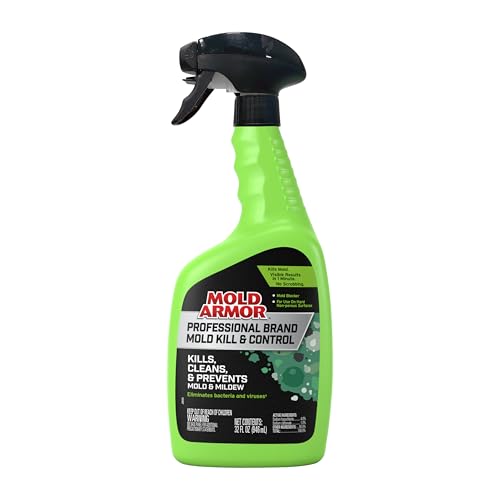 Mold Armor Mold & Mildew Remover | Widely stocked bathroom/surface remover. | Amazon — $22.98 |