San Antonio Mold Inspection: Texas Rules and Real Costs
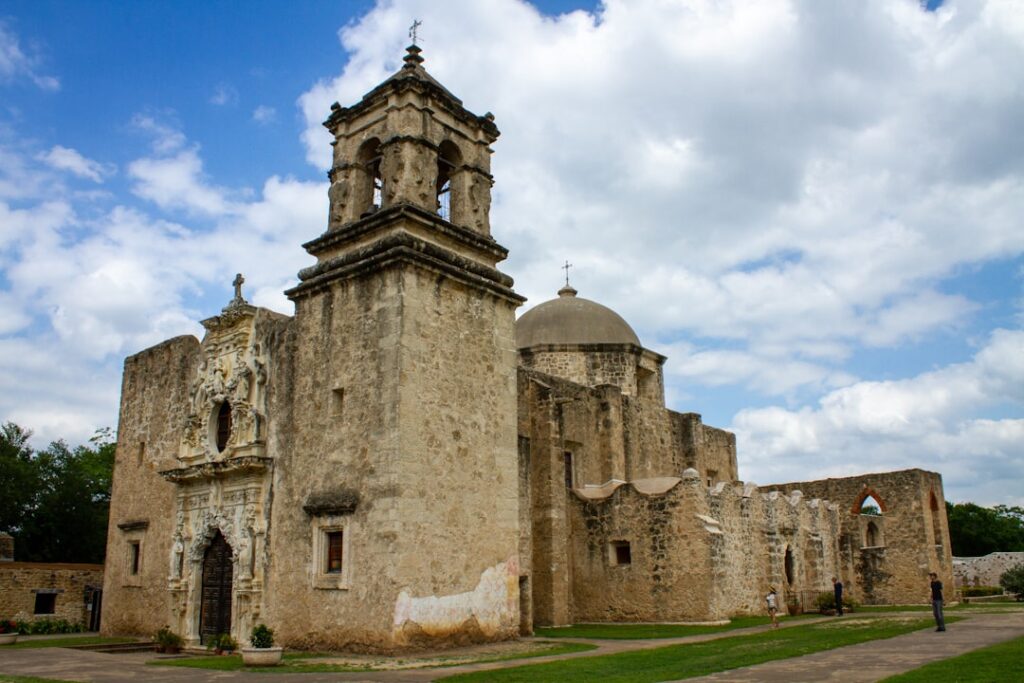
If you searched for a mold inspection in San Antonio, you probably have one of three situations: visible staining or a musty smell you can’t clear, a recent leak, or a real-estate deal where the general inspector flagged moisture. This page explains what a San Antonio inspection covers, who is legally allowed to perform it under Texas rules, what it costs, and where Bexar County homes actually grow mold. InspectandTest works the Colorado Front Range, so we don’t inspect Texas homes ourselves, but the process and the state rules below are what a competent local assessor should follow.
Part of our Mold Testing & Inspection guide — start there for the full picture →
Is this mold, asbestos, or water damage? Get a free instant screen
Upload a clear photo of the suspect area. You'll get an instant AI screening opinion and what to do next. This is screening guidance, not a professional determination.
Screening guidance only. AI can be wrong. Confirm asbestos, mold type, or lead with lab testing or a licensed professional before acting.
What the inspector is actually looking at
A mold inspection is a non-invasive assessment of moisture, not a lab test of the air. The inspector walks the exterior and every interior room, checks the attic and any crawlspace, and uses a moisture meter plus infrared thermal imaging to find water behind finishes before it becomes visible growth. Thermal imaging doesn’t “see mold” — it reads temperature differences where evaporating moisture cools a surface, which then guides where the moisture meter probes. Expect two to four hours for a single-family home and a written report with photos and readings.
The goal is to answer two questions: is there active moisture, and where is it coming from. That matters because the EPA’s mold cleanup guidance is blunt that cleaning mold without fixing the water source guarantees it returns. An inspection that names the source is worth far more than one that just confirms mold exists. If you’re weighing an inspection against a mail-order air test, our explainer on mold inspection versus testing covers why the two aren’t interchangeable.
Texas licenses your inspector — and bars them from selling you the cleanup
Texas is one of the few states that licenses mold professionals directly. The Mold Assessors and Remediators program moved from the Department of State Health Services to the Texas Department of Licensing and Regulation (TDLR) in 2017, and the rules live in Texas Administrative Code Title 16, Chapter 78. Any paid mold assessment requires a licensed Mold Assessment Consultant (MAC) or, working under a consultant, a Mold Assessment Technician (MAT). Confirm the license number on TDLR’s public license search before you schedule — an unlicensed “inspector” can’t legally write an assessment report for compensation in Texas.
Two protections in the Texas rules are worth knowing. First, the assessor who inspects your home generally cannot also perform the remediation on that same project — the state separates the person diagnosing the problem from the person paid to fix it, which removes the obvious incentive to over-scope the cleanup. Second, remediation only triggers the full licensed-remediator requirement once a project exceeds 25 contiguous square feet of mold; smaller patches can be handled without a licensed remediation contractor, though the moisture source still has to be corrected. The verification habit is the same one we recommend nationally in the Texas license-lookup guide: get the license number, check it yourself, don’t take a business card at face value.
What it costs in San Antonio
Price tracks scope, not square footage alone. A visual moisture assessment is the base; each lab sample adds cost because someone pays a mold laboratory to culture or count it.
| Scope | Typical San Antonio range |
|---|---|
| Visual inspection with moisture meter and thermal imaging | $300–$500 |
| Visual inspection plus 2–3 air samples (indoor + outdoor reference) | $450–$800 |
| Larger home or multiple surface/bulk samples with a written protocol | $800–$1,200+ |
Ask for a written scope of work before booking so you know how many samples are included and whether the lab fee is bundled. For a national baseline and what drives the number up or down, see our breakdown of mold inspection cost.
Where San Antonio homes actually grow mold
San Antonio’s humid subtropical climate keeps outdoor humidity high for much of the year, and air conditioning runs from spring into fall. That combination matters because the CDC notes mold can begin growing on a wet surface within 24 to 48 hours, so a small undetected leak colonizes fast. The EPA target is keeping indoor relative humidity below 60 percent — ideally 30 to 50 percent — and an oversized AC unit is a common local culprit: it cools the air quickly, shuts off before it has pulled out enough moisture, and leaves indoor humidity sitting in the high 60s.
Local inspectors weight a few areas heavily:
- Slab leaks. Most of the metro is slab-on-grade. Warm floor spots, a jump in the water bill, or the sound of running water with every fixture off point to a hot-water slab leak feeding growth along baseboards.
- Older central-neighborhood foundations. Homes in areas like Monte Vista, King William, and Alamo Heights predate modern poured slabs; their pier-and-beam or masonry foundations wick ground moisture during wet spells, so inspectors check the wall-to-floor joint and look for efflorescence.
- Air handler closets and under-sink cabinets. Condensate line clogs and slow supply-line drips are the two most repeatable findings in any Texas cooling climate.
- Attic decking. Bath and dryer exhausts that dump into a 140-plus-degree attic instead of venting through the roof cause condensation staining near eaves and penetrations.
When paying for lab samples is worth it
The EPA’s position is that visible mold should be removed regardless of what species it is, which means you usually don’t need a lab test to justify cleanup you can already see. Neither the EPA nor the CDC has set a numeric “safe” spore count, so a lab number alone doesn’t tell you whether a home is safe. Sampling earns its cost when it answers a specific question: comparing an indoor air sample against an outdoor reference to judge whether a closed-up room is elevated, confirming that a post-cleanup clearance test passed, or documenting conditions for a dispute. If nobody can state the question the sample will answer, skip it.
What Texas insurance will and won’t cover
Texas homeowner policies typically cover mold remediation only when it results from a sudden, accidental, covered water event — a burst pipe, not years of a slow drip — and many policies cap mold claims at $5,000 to $10,000 regardless of the actual remediation bill. A thorough inspection report helps a claim by dating the findings and identifying the moisture source, so document conditions before any cleanup begins. One Texas-specific wrinkle in your favor: once remediation is done and a licensed assessor issues a Certificate of Mold Damage Remediation, the Texas Insurance Code bars an insurer from raising your premium or denying coverage based on that certified, remediated damage.
Health context, briefly
Damp indoor environments are linked to respiratory symptoms, and the health effect comes from the dampness and mold together rather than one “toxic” species. The National Institute of Environmental Health Sciences and the American Lung Association both frame the fix the same way an inspector should: control moisture, remove the growth, and stop treating a spore count as the whole story. Anyone with asthma or a compromised immune system should talk to a physician before re-entering a known mold-affected space.
Frequently asked questions
Frequently asked questions
Do I need a licensed inspector for a mold inspection in San Antonio?
Yes. Texas requires a licensed Mold Assessment Consultant (MAC) or Mold Assessment Technician (MAT) for any paid mold assessment. The program is run by the Texas Department of Licensing and Regulation, and you can verify the license number on TDLR's public search before you schedule.
Can the same company inspect and then remediate?
Generally no. Texas rules separate the assessor who diagnoses the mold from the remediator who is paid to remove it on the same project, which removes the incentive to over-scope the cleanup. Get separate bids and confirm the remediator's own license.
How much does a mold inspection cost in San Antonio?
A visual inspection with moisture metering and thermal imaging typically runs $300 to $500. Adding two or three air samples with an outdoor reference brings it to roughly $450 to $800, and larger homes or multi-sample protocols can exceed $1,200.
Do I need lab testing if I can already see mold?
Usually not. The EPA says visible mold should be removed regardless of species, and no agency has set a safe spore count. Pay for samples only when they answer a specific question, such as a post-cleanup clearance test or a comparison against outdoor air.
Start with our guide to finding a qualified mold inspector or the broader mold inspection resource hub. This page summarizes current EPA and CDC guidance and Texas licensing rules as of 2026; it is not medical or legal advice.