Mold Remediation Arlington: A Homeowner Guide
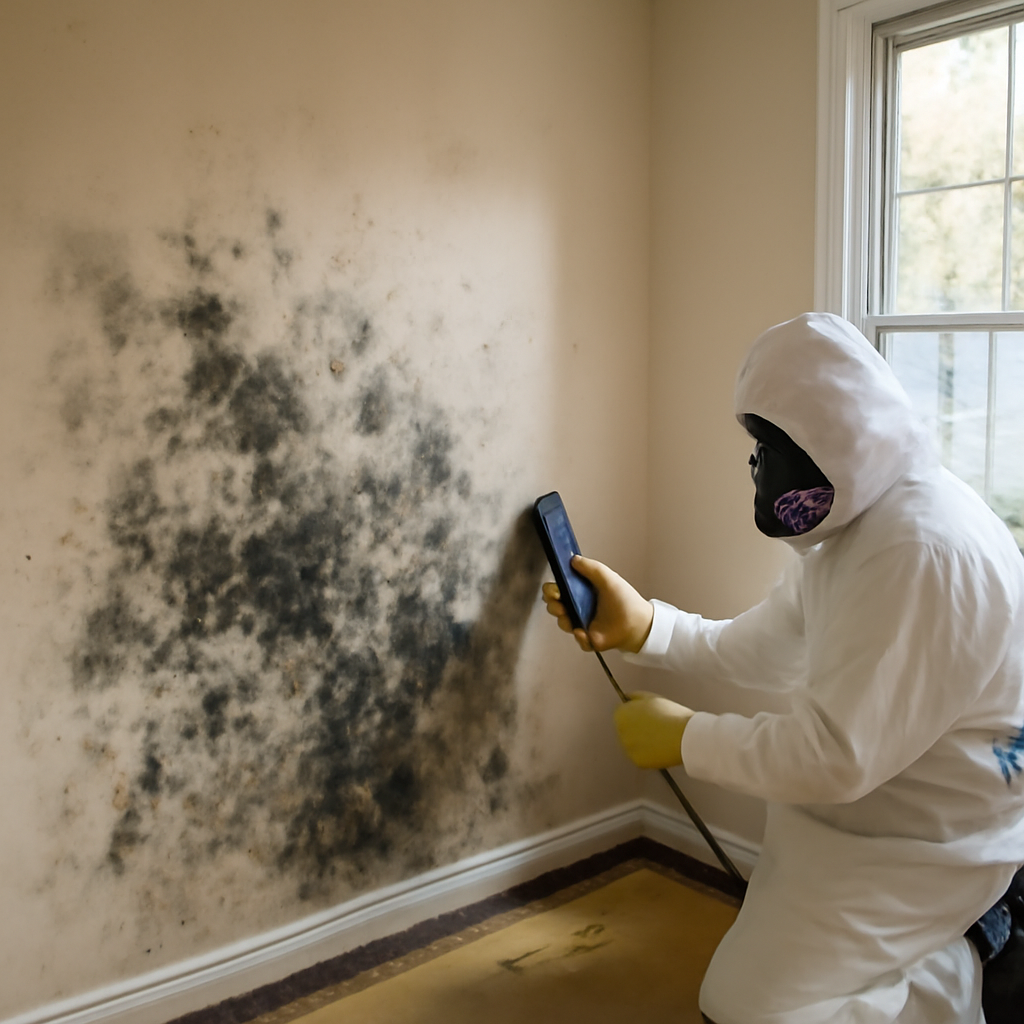
Discovering mold in an Arlington home raises immediate, practical worries: how serious is it, what will the cleanup involve, and who should do the work. For homeowners researching mold remediation in Arlington, understanding the process and the local moisture conditions makes it far easier to judge bids and avoid overpaying. This guide summarizes EPA and CDC guidance current as of 2026 and is educational only; consult a physician about symptoms and a certified professional for testing and remediation decisions.
Part of our Mold Removal & Remediation guide — start there for the full picture →
Remediation is more than spraying a cleaner. Done correctly, it removes growth, eliminates the moisture source feeding it, and verifies the space is dry, which is the only durable way to keep mold from returning.
Is this mold, asbestos, or water damage? Get a free instant screen
Upload a clear photo of the suspect area. You'll get an instant AI screening opinion and what to do next. This is screening guidance, not a professional determination.
Screening guidance only. AI can be wrong. Confirm asbestos, mold type, or lead with lab testing or a licensed professional before acting.
What does mold remediation in Arlington involve?
The remediation sequence is consistent across regions: locate and stop the moisture source, contain the work area to prevent spore spread, remove or clean affected materials, dry the space, and verify results. The process begins with an assessment in which the remediator uses a moisture meter to map how far dampness reaches, including hidden growth behind walls or under floors.
Porous materials with active growth, such as wet drywall, carpet padding, and insulation, are typically removed and discarded because surface cleaning cannot reach mold rooted inside them. Hard, non-porous surfaces are HEPA-vacuumed and cleaned. Air movers and dehumidifiers dry the structure, and the remediator re-checks moisture before closing up. The EPA stresses that correcting the moisture problem is what prevents regrowth, a theme covered throughout our hub on mold inspection and testing.
What causes mold in Arlington homes?
Humidity and water intrusion drive most indoor mold. Common sources include plumbing leaks under sinks and behind appliances, roof leaks that soak ceilings and attic decking, basement or crawl-space seepage, poorly ventilated bathrooms, and condensation on cold surfaces during temperature swings. Bath fans that vent into an attic instead of outdoors are a frequent hidden culprit, saturating the roof structure over time.
Seasonal weather adds pressure. Heavy rain can overwhelm gutters and pool water against foundations, and humid stretches raise indoor moisture if ventilation and dehumidification are inadequate. The combination of a damp, cool space and an undetected water source creates exactly the sustained moisture mold needs. If you are unsure how serious a discovery is, our guide on judging basement mold severity helps you assess it.
Why hidden moisture matters
Mold often grows where you cannot see it: inside wall cavities, under flooring, and behind cabinets. A small surface stain can mark a much larger colony in the framing behind it. This is why thorough remediators measure moisture rather than rely on appearance alone, and why growth that keeps returning after cleaning signals an unresolved water source.
What does mold remediation cost in Arlington?
Costs scale with scope, so any single number would mislead. Commonly cited residential ranges run from a few hundred dollars for a small, contained patch to several thousand dollars for whole-room or multi-room projects involving demolition and reconstruction. The primary cost drivers are the affected square footage, whether materials must be removed and rebuilt, how accessible the area is, and whether contaminated water such as sewage was involved.
A small bathroom or window-area cleanup sits at the low end. A finished basement with widespread growth requiring containment, material removal, drying, and rebuild sits much higher. Costs rise further when the moisture source needs correction, such as foundation sealing, regrading, or sump-pump repair. Request two or three written estimates that itemize moisture correction, containment, removal, and verification so you can compare bids fairly rather than reacting to a single lump sum.
How do you choose an Arlington remediation contractor?
Vet contractors on process. A qualified remediator inspects and explains the moisture source before quoting, carries liability insurance, follows a recognized remediation standard, contains the work area, and provides written scope plus post-remediation verification. Be skeptical of one-visit “test and treat” pitches, because remediation without correcting the water source guarantees the mold returns.
Ask how they will contain the area, which materials they plan to remove versus clean, and how they will confirm the space is dry afterward. On larger jobs, independent verification by a separate party adds confidence that the cleanup succeeded. The vetting mindset parallels hiring any qualified inspector, and our coverage of how to find and vet the right inspector applies the same principles.
Can Arlington homeowners handle mold removal themselves?
The EPA’s guideline draws the line around 10 square feet. Growth smaller than that on hard, non-porous surfaces can often be cleaned by a homeowner wearing an N95 respirator, gloves, and eye protection, with good ventilation and detergent with water. Larger areas, recurring growth, HVAC contamination, or sewage involvement call for a professional with containment and air-management equipment.
Bleach is not required on hard surfaces and will not penetrate porous materials, so soaked drywall with growth should be removed rather than bleached. The largest DIY risk is disturbing a sizable colony without containment, which can scatter spores throughout the home and turn a localized problem into a whole-house one.
The DIY cleanup process step by step
For a qualifying small patch on a hard surface, work methodically. Put on an N95 respirator, gloves, and eye protection, and open windows or run a fan that exhausts outdoors. Lightly dampen the growth to keep spores from going airborne, scrub with detergent and water, and wipe the area clean. Dry the surface completely with airflow and a dehumidifier, since residual moisture invites regrowth within days. Bag and discard sponges and rags rather than reusing them elsewhere. Avoid dry-brushing active mold, which releases large numbers of spores into the air you breathe.
What does the remediation timeline look like?
Project length tracks with scope. A small contained patch may be resolved in a day. A finished basement or multi-room project involving demolition, drying, and rebuild can take a week or more. The drying phase often runs several days as air movers and dehumidifiers pull moisture out of framing and subfloor, and a careful contractor will not begin reconstruction until moisture readings confirm the structure is dry. Rebuilding over damp framing simply seals a new mold problem inside the wall, so the verification step is worth waiting for.
When should you act?
Move quickly when you notice persistent mustiness without an obvious source, visible growth over a large area, mold returning after cleaning, unexplained respiratory symptoms among household members, or any growth following a flood or sewage backup. The CDC links damp indoor environments to respiratory irritation and aggravated asthma in sensitive people, so symptomatic homes should not delay.
Early action consistently costs less. A leak caught in its first week is routine cleanup; the same leak left to feed a wall for months becomes a demolition-and-rebuild project. The most valuable habit any homeowner can build is responding to water fast and confirming that materials are truly dry before assuming the problem is solved.
How do you prevent mold from returning?
After remediation, prevention keeps the problem from recurring, and it is fundamentally about controlling moisture. Hold indoor relative humidity between 30 and 50 percent, the EPA’s recommended range, using a dehumidifier in damp or below-grade spaces. Vent bathroom and kitchen exhaust outdoors rather than into the attic, repair plumbing and roof leaks promptly, and dry any future water intrusion within 24 to 48 hours before mold can establish.
On the exterior, grade soil to slope away from the foundation, extend downspouts past the foundation, keep gutters clear, and seal foundation cracks. Inside, watch the common trouble spots: under sinks, behind appliances, around water heaters, and at window condensation points. Addressing small leaks the moment they appear, rather than monitoring them, is the single most effective habit for keeping a home mold-free after a remediation project, and it costs a fraction of repeat cleanup.
References
- Mold Cleanup in Your Home — U.S. Environmental Protection Agency
- About Mold and Health — Centers for Disease Control and Prevention
- Mold and Indoor Air Quality — National Institute of Environmental Health Sciences
- Mold and Indoor Air — American Lung Association
Frequently asked questions
What causes mold in Arlington homes?
Plumbing leaks, roof leaks, basement or crawl-space seepage, poorly vented bathrooms, and condensation are the common sources. Bath fans venting into attics and gutters that pool water against foundations are frequent hidden culprits.
How much does mold remediation cost in Arlington?
It varies with scope. Small contained patches can run a few hundred dollars, while whole-room projects with demolition and rebuild reach several thousand. Get two or three itemized written estimates that include fixing the moisture source.
Can I do mold remediation myself?
The EPA suggests homeowners can clean growth under about 10 square feet on hard surfaces with proper protection and ventilation. Larger areas, recurring growth, HVAC contamination, or sewage involvement should go to a professional.
How do I choose a good remediation contractor?
Pick one who identifies and explains the moisture source before quoting, carries insurance, follows a recognized standard, contains the work area, and provides written scope and post-remediation verification. Avoid one-visit test-and-treat pitches.
Homeowners who want a connection to a vetted local inspector before scheduling remediation can reach out through our contact page.