Home Inspection Arlington: What Buyers Need to Know
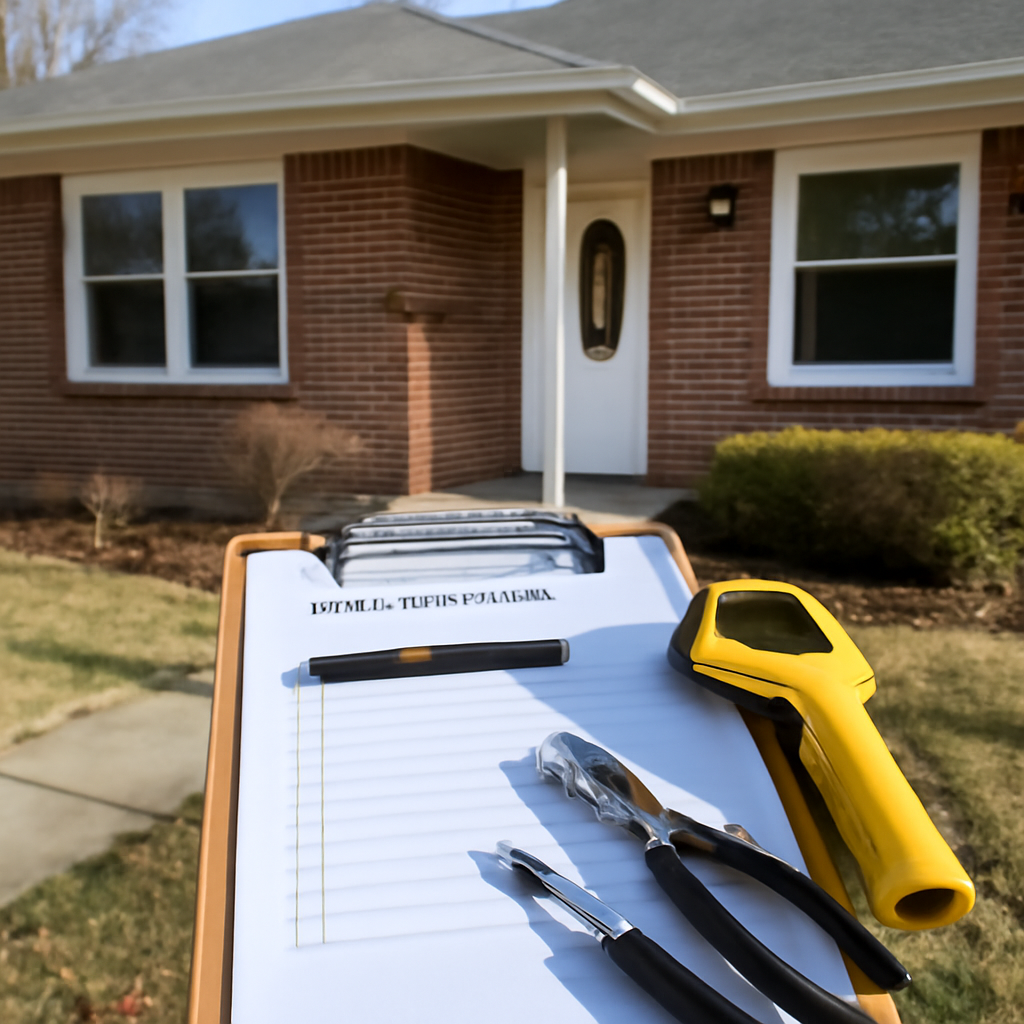
Arlington is a name shared by several places, most notably the dense, close-in suburbs of Arlington, Virginia, across the river from Washington, D.C., and Arlington, Texas, in the Dallas-Fort Worth metroplex. Wherever a buyer is purchasing, a home inspection in Arlington follows the same fundamentals: an independent professional examines the home’s major systems and reports defects before closing. This guide explains what a buyer in an Arlington market should expect, what local housing stock means for the inspection, and how to choose an inspector who knows the territory.
Part of our Home Inspections Explained guide — start there for the full picture →
What does a home inspection in Arlington cover?
A home inspection in Arlington is a visual, non-invasive examination of a property’s condition, conducted by a licensed or certified inspector. The inspector evaluates the roof, foundation and structure, electrical system, plumbing, heating and cooling, insulation and ventilation, and the interior, then delivers a written report, usually with photographs, summarizing defects and safety concerns.
The scope follows recognized standards of practice, such as those published by ASHI or InterNACHI, which define what an inspector must examine and what falls outside the inspection. The inspection is a snapshot of conditions on the day, not a warranty or a guarantee against future failure. Buyers typically schedule it during the inspection contingency period so any findings can inform negotiations. The general framework for what to expect is laid out in our house inspection checklist.
How local housing stock shapes the inspection
Arlington markets differ, and the housing stock drives what an inspection emphasizes. In the Virginia suburbs, much of the inventory is older brick colonials, mid-century homes, and a growing stock of condos and townhomes near transit. Older homes raise questions about original wiring, aging plumbing, and foundation settlement, while condos shift much of the structural responsibility to the association.
In the Texas market, newer construction is more common, along with slab-on-grade foundations that behave differently from the basements and crawl spaces typical farther north. Expansive clay soils in parts of Texas make foundation movement a frequent inspection focus. Climate matters as well: humid regions raise moisture and mold concerns, while hot climates put extra stress on cooling systems. A good inspector tailors attention to the local conditions, the same principle our guide to choosing a home inspection company stresses.
What an Arlington home inspection typically costs
Inspection pricing tracks home size, age, and the local cost of living. In higher-cost metro areas like the D.C. region, a standard single-family inspection often runs $400 to $700, while the Dallas-Fort Worth market tends to fall a bit lower, often $300 to $500 for a typical home. Condos and smaller homes cost less; large or older properties cost more.
Add-on tests increase the total. A sewer scope, radon test where relevant, termite or wood-destroying-insect inspection (common and sometimes required in southern markets), and mold sampling each add to the base fee. Buyers should confirm what is included and what is extra. For a deeper look at the variables behind the number, see our guide to the cost for house inspection.
What the inspection report includes
The deliverable from any Arlington inspection is the written report, and knowing what to expect helps a buyer use it well. A modern report is typically a digital document with photographs, organized by system, that describes the condition of each area examined and flags defects, safety concerns, and items needing further evaluation.
A good report distinguishes between major issues and minor maintenance items. A failing furnace, active roof leak, or foundation movement is a major finding that affects value and safety. A loose handrail, a worn caulk line, or a missing outlet cover is routine maintenance that appears on nearly every report. Buyers who fixate on the length of a report often miss this distinction; a long report is normal, and most items are minor.
Reports also note the limits of the inspection. Areas that were inaccessible, systems that could not be tested because utilities were off, and conditions outside the standard scope are documented so the buyer understands what was and was not evaluated. Reading these limitations matters, because they may point to follow-up evaluations worth ordering. The systems a report should cover mirror those in our property inspection checklist.
Timing the inspection in the transaction
In most purchases, the inspection happens during a defined contingency period after the offer is accepted. This window, often a week to ten days, gives the buyer time to inspect, review the report, and decide how to proceed before the contingency expires. Booking the inspection early in that window is wise, because it leaves room to order specialist follow-ups or renegotiate if something significant turns up.
A buyer who waits until the last day of the contingency to inspect leaves no time to react to the findings. In competitive Arlington markets, some buyers feel pressure to shorten or waive the inspection contingency to make an offer more attractive. That is a real risk: waiving inspection means buying without knowing the home’s condition, and a major undetected defect can far outweigh the competitive edge. An information-only inspection, where the buyer inspects but cannot renegotiate, is a middle path some use to stay informed while keeping a strong offer.
Choosing a qualified inspector in Arlington
The strongest signal of quality is certification combined with local experience. Membership in ASHI or InterNACHI indicates the inspector follows a recognized standard of practice and carries continuing education. In states that license home inspectors, confirm the inspector holds a current license; in states that do not, certification and insurance carry more weight.
Buyers should ask for a sample report, confirm errors-and-omissions and general liability insurance, and read recent reviews. An inspector familiar with Arlington’s specific housing, whether older Virginia colonials or Texas slab homes, will catch issues a generalist might miss. Requesting quotes from two or three certified inspectors produces both a fair price and a sense of who communicates clearly. Communication matters because the report is only useful if the buyer understands it.
What to do with the inspection report
Once the report arrives, the buyer reviews findings with their agent and decides how to proceed. Minor, expected wear is normal in any home and rarely a dealbreaker. Significant items, such as a failing roof, foundation movement, electrical hazards, or major plumbing problems, become the basis for negotiation: a price reduction, a repair credit, or a seller-completed repair.
In some cases the report recommends a specialist follow-up, for example a structural engineer for foundation concerns or an HVAC technician for a questionable furnace. Ordering those evaluations within the contingency window protects the buyer’s options. The inspection’s value is in converting unknowns into informed decisions before the purchase is final.
Preparing for the inspection day
A smooth inspection starts with preparation, much of which falls to the seller but matters to the buyer too. Utilities should be on, gas, water, and electricity, so the inspector can test every system. An inspection of a vacant home with the power shut off leaves major systems unevaluated, which weakens the report and may force a costly return visit.
Access is the other key. The inspector needs to reach the attic, crawl space or basement, electrical panel, water heater, furnace, and every room. Stored belongings blocking a panel or an attic hatch, a locked gate, or a pet that cannot be secured all limit what gets inspected. In an occupied Arlington home, the seller is usually asked to clear access and be away during the inspection so the inspector and buyer can work freely.
Buyers preparing for the day should plan to attend if possible, bring a list of any concerns about the property, and allow two to four hours for a typical home. Arriving with questions and an open mind turns the inspection into a learning experience rather than just a transaction. Understanding the home’s condition firsthand is the entire point, and it positions the buyer to make a confident decision. The wider context of selecting and working with an inspector is covered in our buyer’s guide to hiring a home inspector.
When to bring in a specialist
A general inspector flags problems but does not always diagnose their full extent. When the report notes foundation cracking, repeated water intrusion, or a system near the end of its life, a specialist provides the detailed assessment and repair estimate a negotiation needs. This is especially true in markets with known regional issues, expansive soils in Texas, older infrastructure in the Virginia suburbs.
Buyers should treat specialist referrals as a normal part of due diligence rather than a sign the deal is bad. A modest additional spend on a targeted evaluation can prevent a far larger surprise after closing, and it strengthens the buyer’s position when asking the seller to address a defect.
Common specialist follow-ups include a structural engineer for foundation cracks or movement, a licensed HVAC technician for an aging or questionable heating and cooling system, a roofer for a roof near the end of its life, and a plumber for recurring leaks or outdated supply lines. In some Arlington markets, a wood-destroying-insect inspection by a licensed pest professional is standard and sometimes lender-required. Each specialist provides a level of diagnosis and a repair estimate that a general inspector, who reports conditions rather than diagnosing them in depth, is not expected to provide.
Attending the inspection in person, when possible, adds value beyond the report. Walking the home with the inspector lets a buyer ask questions, see issues firsthand, and understand which findings are serious and which are routine. Many Arlington inspectors welcome the buyer’s presence and use the walkthrough to explain the home’s condition in plain terms, turning the report from a document into a genuine understanding of the property.
Common findings in Arlington homes
While every home is unique, certain findings recur in Arlington markets and are worth anticipating. In older Virginia housing stock, inspectors frequently note aging electrical systems, original or partially updated plumbing, settling-related cracks, and roofs nearing the end of their service life. None of these is necessarily a dealbreaker, but each carries a repair or replacement cost the buyer should factor into the purchase.
Moisture is a perennial concern in humid climates. Inspectors look for signs of water intrusion in basements, around windows, and in crawl spaces, since persistent moisture leads to wood rot and mold. Grading that slopes toward the foundation, clogged gutters, and poor drainage are common contributors that a report often flags with recommendations to redirect water away from the house.
In newer Texas-market homes, findings skew toward foundation movement on expansive soils, HVAC systems stressed by heat, and builder-grade components that may show early wear. The pattern of findings reflects the local climate, soil, and construction era, which is why an inspector experienced in the specific Arlington market reads a home more accurately than a generalist. Recognizing which findings are routine for the area and which are unusual helps a buyer respond proportionately rather than overreacting to a normal maintenance item or overlooking a regional red flag.
An experienced local inspector also brings perspective on what is typical for a home’s age and price point in the Arlington market. A century-old Virginia colonial will show different wear than a five-year-old Texas build, and a seasoned inspector frames findings against those expectations. That context turns a list of observations into actionable guidance, helping the buyer understand not just what is wrong but how concerning each item really is for a home of that vintage in that market.
A home inspection in Arlington, in either the Virginia or Texas sense of the name, is the buyer’s best tool for understanding a property before the purchase becomes final. Matching a certified, locally experienced inspector to the home, attending the inspection, reading the report carefully, and ordering specialist follow-ups where warranted together turn an unfamiliar house into a known quantity. That knowledge, more than the modest fee, is what makes the inspection one of the most worthwhile steps in the entire buying process.
References
- Home Buyers and Sellers Resources — American Society of Home Inspectors
- Residential Standards of Practice — InterNACHI
- Buying a Home Resources — U.S. Department of Housing and Urban Development
Frequently asked questions
What does a home inspection in Arlington cover?
A visual, non-invasive exam of the roof, foundation, structure, electrical, plumbing, HVAC, insulation, and interior, followed by a written report. It follows ASHI or InterNACHI standards and reflects conditions on the day, not a warranty.
How much does a home inspection cost in Arlington?
In the higher-cost D.C. region, expect roughly $400 to $700 for a standard home; the Dallas-Fort Worth market often runs $300 to $500. Add-ons like sewer scopes, termite inspections, and radon tests increase the total.
How do I choose a good Arlington inspector?
Look for ASHI or InterNACHI certification, a current license where required, and errors-and-omissions insurance. Ask for a sample report, read recent reviews, and favor an inspector experienced with local housing stock.
What should I do with the inspection report?
Review it with your agent, separate minor wear from significant defects, and use major findings to negotiate a price cut, credit, or repair. Order specialist follow-ups, such as a structural engineer, within your contingency window if needed.