Mold Mitigation Near Me: Find and Vet a Local Pro
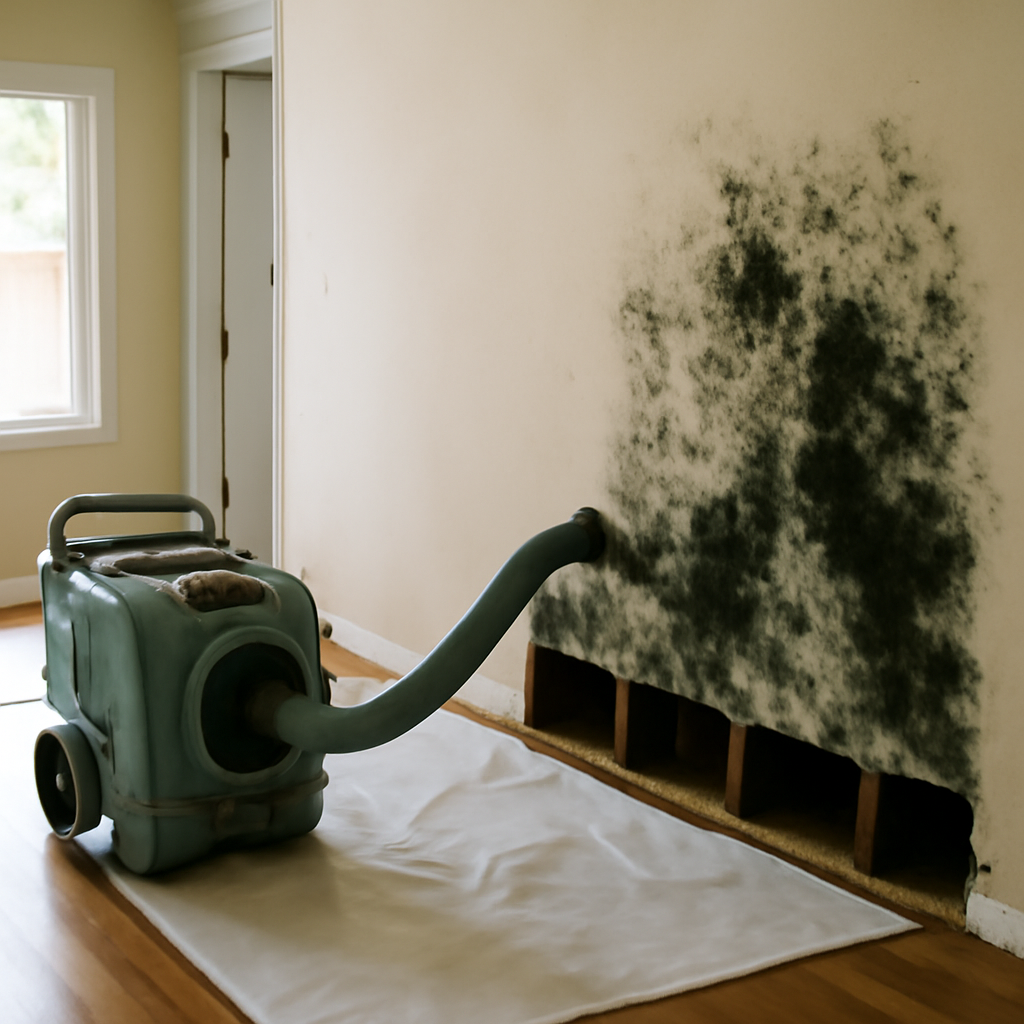
Typing “mold mitigation near me” usually happens at a stressful moment, often right after a leak, a real estate inspection, or the discovery of a spreading stain behind a wall. The results that come back are a mix of genuine specialists, general restoration franchises, and lead-generation sites that sell your phone number to whoever pays most. Choosing well matters, because mitigation done poorly spreads spores through the house and wastes thousands of dollars. This guide explains what mitigation actually involves, which credentials carry weight, and how to vet a local company before you sign anything. It summarizes EPA and CDC guidance current as of 2026; consult your physician about health symptoms and a certified professional for testing and remediation decisions.
Part of our Types of Mold guide — start there for the full picture →
Is this mold, asbestos, or water damage? Get a free instant screen
Upload a clear photo of the suspect area. You'll get an instant AI screening opinion and what to do next. This is screening guidance, not a professional determination.
Screening guidance only. AI can be wrong. Confirm asbestos, mold type, or lead with lab testing or a licensed professional before acting.
What “Mold Mitigation” Actually Means
Mitigation, remediation, and abatement get used interchangeably in marketing, but the work behind the words is consistent. Mold mitigation is the process of removing or cleaning mold-contaminated material, controlling the spread of spores during the work, and addressing the moisture that caused the growth. It is not simply spraying a wall and leaving. A legitimate mitigation job follows a sequence: assess the extent, contain the work area, control airflow with negative air pressure and HEPA filtration, remove contaminated porous materials, clean salvageable surfaces, dry everything thoroughly, and verify the result.
The EPA’s guidance frames the goal clearly: remove the mold and fix the moisture problem, because cleaning without addressing water guarantees recurrence. Any contractor who skips the moisture conversation is treating a symptom and ignoring the cause.
Why “Near Me” Searches Need Extra Scrutiny
A local search for mitigation help returns a deceptive mix of result types, and sorting them is the first real task. Some results are genuine local contractors with a verifiable address and certified staff. Others are national franchises that subcontract the actual work, where quality varies by the crew dispatched. And a large share are lead-generation sites that own no equipment and employ no technicians; they collect your contact information and sell it to whichever contractor pays for the lead, often several at once, which is why one form submission can trigger a flood of calls.
Telling them apart protects you from both poor work and a privacy headache. Genuine contractors can be identified by a real local address, named technicians with stated certifications, and a willingness to inspect in person before quoting. Lead-generation sites tend to use generic copy, promise to “match you with a pro,” and avoid naming any actual company. Before engaging any result, confirm you are talking to the firm that will do the work, not a broker reselling your inquiry. That single check filters out a surprising number of the listings a “near me” search surfaces.
Credentials to Look For
Colorado does not license mold remediation contractors statewide the way some states do, which puts the burden of vetting on you. Industry certifications fill that gap and are the clearest signal that a company follows recognized methods.
IICRC Certification
The Institute of Inspection, Cleaning and Restoration Certification (IICRC) sets the widely referenced S520 standard for mold remediation. A firm with IICRC-certified technicians has trained to a documented standard for containment, removal, and clearance. Ask which specific technicians on your job hold the certification, not just whether the company name appears in a directory.
ACAC and Inspector Credentials
For the assessment side, the American Council for Accredited Certification (ACAC) issues respected credentials such as the Council-certified Microbial Investigator. These apply to the inspector who diagnoses the problem rather than the crew that removes it, and that distinction leads to the single most important vetting question below.
The Conflict of Interest You Must Avoid
The biggest pitfall in hiring is letting the same company both test for mold and perform the removal. A firm that profits from remediation has an incentive to find more mold and recommend more work. The independent path is to use one professional to assess and write the scope, and a separate contractor to do the removal, then have the original inspector verify the result with post-remediation clearance testing.
This independence protects your wallet and your home. Our guide to finding a certified mold inspector near you explains the credentials that matter on the assessment side, and why separating inspection from remediation is the homeowner’s best safeguard.
How to Vet a Local Company
Treat the hiring decision like any major contract. Work through these checks before committing.
Ask for a Written Scope of Work
A credible mitigation company inspects in person and provides a written scope that names the affected areas, the materials to be removed, the containment method, and the moisture source to be corrected. Vague verbal estimates are a warning sign.
Confirm Containment and Air Control
Ask how they will keep spores from spreading. The answer should include physical containment barriers, negative air pressure, and HEPA-filtered air scrubbers. A company that plans to tear out moldy drywall with no containment will contaminate the rest of the home.
Verify Insurance and References
Request proof of general liability insurance and recent local references. A real company will provide both without friction. Check that the business has a physical local presence rather than a national call center routing to subcontractors.
Beware Lead-Generation Traps
Many “near me” results are aggregator sites, not contractors. They collect your information and sell it. You can recognize them by generic copy, no local address, and a rush to “match you with a pro.” Prefer companies you can identify by name, address, and verifiable certification.
What a Mitigation Job Looks Like Step by Step
Understanding the workflow helps you judge whether a bid is complete. A standard job starts with assessment and moisture mapping to define the boundary of the affected area. Next comes containment, sealing the work zone and setting up negative air pressure so contaminated air flows out through HEPA filtration rather than into living spaces. The crew then removes contaminated porous materials such as drywall, insulation, and carpet, following the EPA’s guidance that porous materials which stay contaminated should be discarded. Salvageable hard surfaces are HEPA-vacuumed and wiped. Everything is dried below the moisture threshold that supports growth. Finally, an independent clearance test confirms the air and surfaces meet a normal baseline.
Front Range Context
Colorado’s dry climate leads many homeowners to assume mold is a coastal problem. The reality is that Front Range homes generate moisture internally, and that moisture concentrates in predictable places. Finished basements in Denver, Aurora, and Colorado Springs trap humidity below grade. Winter condensation forms on cold exterior walls and around windows. Swamp coolers and humidifiers, common in the arid climate, can push indoor humidity past the 60 percent threshold the EPA flags as risky. A local mitigation pro who understands these regional patterns will look for the right moisture sources rather than applying a generic coastal playbook.
If you are still at the diagnosis stage and unsure whether you even need mitigation, the broader mold inspection and testing resource walks through how a professional assessment confirms whether a problem warrants full remediation or a contained DIY cleanup.
Questions to Ask Before You Sign
A short list of questions separates a credible mitigation company from a sales operation. Ask who will perform the work and what certifications those specific technicians hold, not just whether the company name appears in a directory. Ask how they will contain the work area and control the air, expecting an answer that includes physical barriers, negative air pressure, and HEPA filtration. Ask what moisture source they identified and how the scope addresses it, since a bid that ignores the water is treating a symptom.
Ask whether the same firm will also verify the result, and prefer independent clearance testing by a separate party. Ask for proof of liability insurance and recent local references you can actually call. Ask how they will protect the rest of the home and dispose of contaminated material. A reputable company answers these without hesitation and in writing; a company that deflects, rushes, or cannot name its own technicians’ credentials is telling you something. The few minutes these questions take can save thousands of dollars and prevent a botched job that spreads the problem.
Understanding the Estimate and What Drives Cost
Mitigation estimates vary widely, and knowing what drives the number helps you read a bid critically. The size of the affected area is the baseline, but the bigger cost drivers are often the type of material involved, the difficulty of access, the extent of containment required, and the moisture remediation. Tearing out and replacing porous materials such as drywall, insulation, and carpet adds labor and materials. Hidden growth inside cavities or HVAC systems expands the scope. Sewage or flood involvement raises the protective requirements.
A complete estimate itemizes these elements rather than offering a single round number. Be cautious of bids that are dramatically lower than others, since they may omit containment or moisture repair, and of bids that are dramatically higher without explaining the added scope. The most useful comparison is not price alone but what each bid actually includes: containment method, materials removed, moisture source addressed, and whether independent verification is part of the package. A mid-range bid with a complete, itemized scope usually beats both the suspiciously cheap and the unexplained premium.
What Happens After Mitigation
The job is not finished when the visible mold is gone. Proper mitigation ends with verification and a clear handoff. Independent clearance testing confirms that air and surface conditions have returned to a normal baseline, which is the objective evidence that the work succeeded. You should receive documentation of what was removed, how the area was treated, and what moisture source was corrected, which is valuable for your records and for any future real estate disclosure.
Reconstruction follows: replacing the drywall, insulation, and finishes that were removed. Some homeowners use a separate contractor for this stage. Finally, the long-term responsibility shifts to maintaining the moisture control that prevents recurrence, holding indoor humidity between 30 and 50 percent and addressing leaks within 24 to 48 hours per EPA guidance. A good mitigation company explains this aftercare rather than leaving you to guess, because the durability of their work depends on the conditions you maintain afterward. Our overview of mold removal solutions by severity shows how the mitigation tier fits alongside DIY and minor cleanup.
When You Can Handle It Yourself
Not every mold spot needs a mitigation crew. The EPA’s general threshold is about 10 square feet: below that, a homeowner using proper protective equipment can usually manage a contained patch on a cleanable surface. Above that area, or any time mold is hidden in cavities, tied to sewage or flooding, or affecting someone with a health condition, professional mitigation is the safer call. Knowing where that line sits keeps you from overpaying for small jobs and from under-treating large ones.
References
- Mold Cleanup in Your Home — U.S. Environmental Protection Agency
- About Mold — Centers for Disease Control and Prevention
- Mold Remediation Guidance — U.S. Environmental Protection Agency
Front Range homeowners weighing a mitigation bid can reach out through our contact page to connect with a vetted, independent local inspector before signing with a removal contractor.