Mold Mitigation Cost: What Homeowners Should Budget
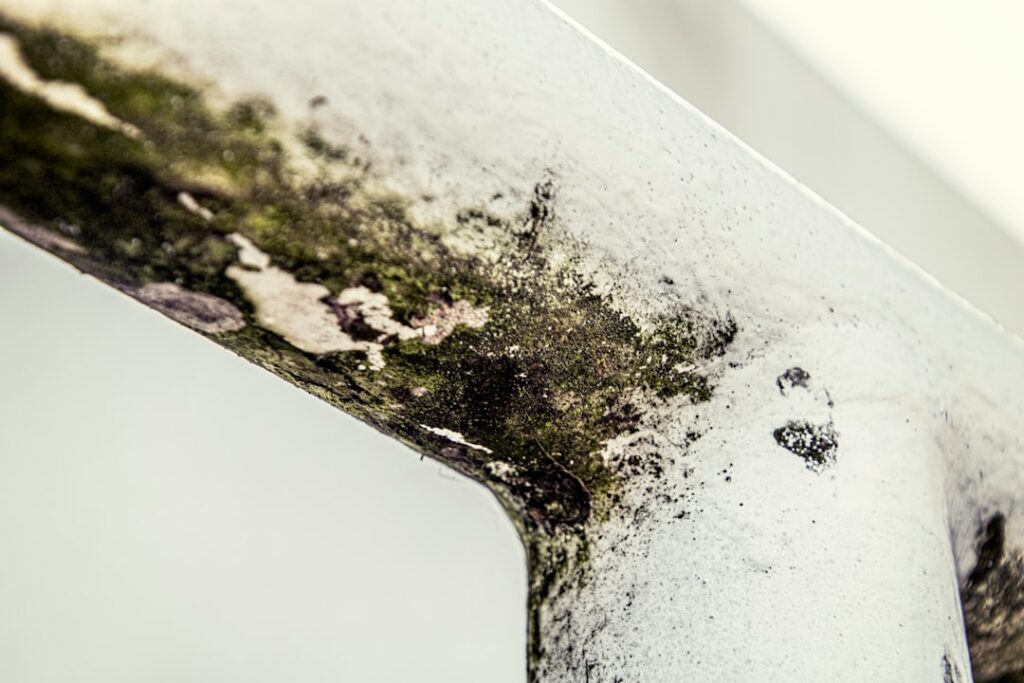
When a contractor hands over a mold mitigation quote, the number can land anywhere from a few hundred dollars to five figures, and the word “mitigation” itself is often used loosely. Understanding mold mitigation cost — what the term covers, what moves the price, and how it relates to full remediation — lets homeowners judge whether a quote is fair and complete. This guide summarizes EPA and CDC guidance current as of 2026 and is educational only; consult a physician about symptoms and a certified professional for testing and mitigation decisions.
Part of our Types of Mold guide — start there for the full picture →
Is this mold, asbestos, or water damage? Get a free instant screen
Upload a clear photo of the suspect area. You'll get an instant AI screening opinion and what to do next. This is screening guidance, not a professional determination.
Screening guidance only. AI can be wrong. Confirm asbestos, mold type, or lead with lab testing or a licensed professional before acting.
What Does Mold Mitigation Cost?
Industry estimates commonly place mold mitigation in the $1,500 to $6,000 range for a typical residential project, with small contained jobs as low as $500 and large or structural work exceeding $10,000 to $15,000. “Mitigation” generally refers to controlling and reducing the mold problem and the moisture driving it — containing the spread, removing affected materials, drying, and addressing the water source — which overlaps heavily with remediation.
Because the term spans everything from a containment-and-dry-out after a leak to a full material removal, treat any single figure as a planning range rather than a quote. The only reliable number is an itemized written estimate for your specific situation. For how mitigation fits into the larger inspection-and-remediation picture, see our mold inspection and testing hub.
Mitigation vs. Remediation: What You’re Paying For
The two words are often used interchangeably, and the distinction matters less to your wallet than the scope of work does. Broadly, mitigation emphasizes stopping the problem from worsening — containment, moisture control, and drying — while remediation emphasizes removing and cleaning the existing growth. In practice most professional jobs include both, because you cannot durably mitigate without removing the colony, and you cannot durably remediate without mitigating the moisture.
What you should pay attention to is whether the quote covers the full cycle: containing the area, removing or cleaning affected materials, drying, and correcting the moisture source. The EPA is clear that any approach fails if the water problem is left in place. A bid labeled “mitigation” that skips the moisture fix is incomplete regardless of price. Our breakdown of the average cost of mold remediation covers the closely related pricing of the cleanup side.
Mold Mitigation Cost by Project Size
Small Jobs ($500–$1,500)
A contained patch under 10 square feet — the EPA’s threshold for typical homeowner-scale cleanup — on accessible surfaces. Often involves surface cleaning, light containment, and drying.
Mid-Size Jobs ($2,000–$6,000)
A basement room, a section of wall with material removal, or HVAC involvement. Requires containment, negative air, partial material removal, drying equipment, and a moisture repair.
Large and Structural Jobs ($10,000+)
Extensive contamination, crawl-space encapsulation, whole-area material removal, or structural repair where mold has degraded framing or subfloor. Costs climb quickly when rebuilding follows the mitigation.
Cost by Location in the Home
Where the mold is shapes the mitigation bill as much as how big it is, because access and the type of moisture differ by location.
Bathrooms and kitchens tend toward the lower end when growth is on accessible surfaces, though hidden plumbing leaks can push them higher. Basements run higher because of below-grade moisture, finished framing that traps dampness, and the frequent need for drainage or foundation work. Crawl spaces add the challenge of tight, low access and an ongoing ground-moisture source, often requiring a vapor barrier or encapsulation. Attics bring hot, cramped working conditions and usually a ventilation fix to stop condensation from returning. HVAC systems are among the costliest, since contaminated ductwork can distribute spores throughout the house and may need professional cleaning or component replacement.
Because these locations involve such different access and moisture conditions, the same square footage of mold can cost very differently depending on where it sits. A patch on an open bathroom wall is a simpler job than the same patch inside a crawl space or an attic, and the estimate should reflect that.
What Drives Mold Mitigation Costs
Several factors push a mitigation quote up or down.
Square footage and saturation. The larger and wetter the affected area, the more material must be removed and the more containment and drying equipment is needed.
Material type. Nonporous surfaces are cleaned cheaply; saturated porous materials like drywall, insulation, and carpet usually must be removed and replaced.
Accessibility. Tight crawl spaces, attics, and behind-wall locations slow the work and raise labor.
The moisture source. The water problem must be repaired for mitigation to last. A simple gutter fix is cheap; a foundation seal, roof repair, or plumbing replacement is a significant separate cost. Our guidance on crawl space mold removal services shows how location and moisture work reshape a budget.
Equipment and containment. Negative-air machines, HEPA filtration, dehumidifiers, and protective gear add to larger jobs.
Optional testing. Lab testing adds a few hundred dollars and, per the EPA, is usually unnecessary when mold is visible.
Does Insurance Help With Mold Mitigation?
Insurance coverage for mold mitigation hinges on the cause. Standard homeowners policies often cover mold only when it results from a sudden, accidental “covered peril” such as a burst pipe, and many exclude or cap mold from gradual issues like long-term leaks, humidity, or deferred maintenance. Policies frequently carry a mold sublimit — often a few thousand dollars — even when coverage applies.
The takeaway is to document and act fast. Mold from a sudden discharge that was reported and dried quickly is treated very differently than mold from a leak left for weeks. Photograph the damage, report covered events promptly, and read your policy’s mold provisions before assuming the mitigation will be paid. Our guide to whether insurance covers mold removal details the common scenarios.
What Mitigation Cost Per Square Foot Looks Like
Many mitigation contractors price by the affected area rather than the whole room, and putting the job into a per-square-foot frame helps homeowners sanity-check a bid. Industry estimates for the mitigation portion — containment, removal of affected surface material, drying, and cleaning — typically run somewhere between $10 and $25 per square foot of treated area, with simpler surface work at the low end and saturated, hard-to-reach material at the high end. A 100-square-foot section of contaminated basement wall, then, often falls in the low four figures for mitigation alone, before any rebuild.
That figure climbs once specialized conditions enter the picture. Below-grade work, crawl-space access, and HVAC involvement carry surcharges that a flat square-foot number hides. Per-square-foot pricing is most useful as a comparison tool across bids: if three contractors are looking at the same wall and one is priced at double the per-foot rate of the others, that gap deserves an explanation. It is less useful as a standalone budgeting figure, because two jobs of identical square footage can differ sharply in saturation, material type, and the scope of the moisture repair behind them.
Mobilization and minimum charges also distort the per-foot math on small jobs. A contained 15-square-foot patch will not cost 15 times the per-foot rate, because the crew still has to set up containment, run equipment, and dispose of waste. Most firms apply a minimum service charge — frequently a few hundred dollars — that makes very small professional jobs feel expensive per foot while remaining cheap in absolute terms.
The Drying and Containment Phase Most Quotes Bury
The line items that separate a thorough mitigation from a cosmetic one usually sit under drying and containment, and homeowners reviewing a quote should look for them by name. Containment means sealing the work area with plastic sheeting and maintaining negative air pressure so spores are not pushed into clean parts of the house during demolition. The EPA emphasizes containment and protective measures whenever cleanup goes beyond a small, accessible patch, and a quote that omits it on a mid-size job is cutting a corner that matters.
Drying is where mitigation earns its name. After affected material is removed, the cavity, framing, and adjacent assemblies still hold moisture, and air movers plus dehumidifiers run for several days to bring materials back to a normal moisture content. Equipment rental, the days of monitoring, and the moisture readings that confirm the assembly is dry all belong in the estimate. Pulling drywall and walking away the same afternoon is not mitigation; the moisture that fed the growth is still in the structure.
HEPA vacuuming and a final wipe-down of nonporous surfaces close out the phase. These steps are inexpensive relative to demolition but easy to skip, and skipping them leaves settled spores behind. When comparing bids, a homeowner who sees containment, documented drying, moisture verification, and HEPA cleaning spelled out is looking at a more complete — and more honestly priced — scope than one that lists only “remove mold.”
DIY Mitigation Versus Hiring a Pro
The EPA’s own guidance draws a workable line for cost decisions: a contained area under roughly 10 square feet on hard, accessible surfaces is generally within homeowner reach, while anything larger, hidden inside walls, tied to sewage or contaminated water, or accompanied by health concerns warrants a professional. That threshold is also where the DIY-versus-pro cost tradeoff turns.
A DIY job on a small bathroom or window-sill patch might cost $50 to $150 in detergent, plastic, an N-95 respirator, gloves, and a moisture meter — a fraction of a professional minimum charge. The catch is that DIY only saves money when the moisture source is obvious and fixable and the growth is genuinely surface-level. Cleaning visible mold while leaving a slow leak behind the wall simply schedules a larger, more expensive job later.
Hiring a professional buys containment, drying equipment, proper disposal, and — importantly — the diagnostic experience to find why the mold grew. For mid-size and larger jobs the professional route is usually the cheaper outcome over time, because incomplete DIY work that lets growth return turns one bill into two. The honest cost comparison is not “DIY versus pro for the same result”; it is a small, simple, surface job that a homeowner can finish properly versus a job whose hidden moisture or scale makes amateur work a false economy.
Reading and Comparing Mitigation Quotes
A useful estimate separates its costs into distinct buckets: assessment, containment and setup, material removal, drying and equipment, cleaning, the moisture-source repair, and any optional testing. When all of that is rolled into a single lump sum, a homeowner cannot tell whether the low bid is efficient or simply leaving work out. Asking each contractor to itemize along these lines makes three quotes genuinely comparable instead of three numbers in isolation.
Watch for the moisture repair specifically. It is the line most often missing from the cheapest bid, and its absence is not a discount — it is the part of the job that determines whether the mold returns. A quote that addresses gutters, grading, a roof detail, or a failed seal as part of the work is more likely to hold than one that quietly assumes someone else will handle the water.
Hidden costs round out the comparison. Post-mitigation clearance testing, when a homeowner or buyer wants documented proof the area is clean, typically adds a few hundred dollars and is usually billed separately. Disposal fees for contaminated material, permits on larger structural work, and the eventual cosmetic rebuild — repainting, new trim, new flooring — are frequently outside the mitigation number entirely. Confirming what is and is not included up front prevents a “completed” job from arriving with a second invoice.
How to Control Mold Mitigation Cost
The lowest mitigation cost is the one you prevent. Mold can begin growing within 24 to 48 hours of a surface getting wet, so drying water events fast is the single most effective cost control. Catching mold while small keeps it in the low-cost or DIY range. And fixing moisture sources — gutters, grading, ventilation, leaks — before they cause growth avoids the expensive jobs entirely.
Front Range conditions add their own wrinkle. The region’s dry climate keeps ambient humidity low much of the year, which slows surface growth, but swamp coolers, sealed modern homes, and snowmelt against foundations create concentrated moisture pockets that grow mold quietly. A finished basement that takes on water during a heavy spring melt is a classic local mitigation scenario, and one where acting within the first day or two keeps the job small.
When a job is genuinely needed, get two or three itemized estimates and compare scopes rather than just totals; a low bid that omits the moisture repair is not a saving. Verify the contractor follows IICRC S520 standards and carries liability insurance, and be cautious of pressure toward expensive testing before the water source is identified. The EPA’s principle that controlling moisture controls mold is also the best long-term strategy for controlling its cost.
References
- Mold Cleanup in Your Home — U.S. Environmental Protection Agency
- About Mold and Your Health — Centers for Disease Control and Prevention
- A Brief Guide to Mold, Moisture and Your Home — U.S. Environmental Protection Agency
Frequently asked questions
How much does mold mitigation cost?
Typical residential projects run about $1,500 to $6,000, with small contained jobs as low as $500 and large or structural work over $10,000 to $15,000. Square footage, material saturation, accessibility, and the moisture-source repair are the main drivers.
What's the difference between mold mitigation and remediation?
Mitigation emphasizes stopping the problem from worsening through containment, moisture control, and drying, while remediation emphasizes removing the growth. Most professional jobs include both, and either fails if the moisture source is not corrected.
Does insurance cover mold mitigation?
Often only when mold results from a sudden covered peril like a burst pipe, and frequently with a sublimit of a few thousand dollars. Gradual leaks, humidity, and neglect are commonly excluded. Document damage and report covered events quickly.
How can I reduce mold mitigation costs?
Act early. Drying water events within 24 to 48 hours prevents most growth, catching mold while small keeps it cheap, and comparing itemized estimates avoids overpaying. Never skip the moisture-source repair to save money, since the problem will return.
If you’re reviewing a mold mitigation quote and want an objective opinion, Front Range homeowners can reach out through our contact page to connect with a vetted local inspector.