Does Insurance Cover Mold Removal? What to Know
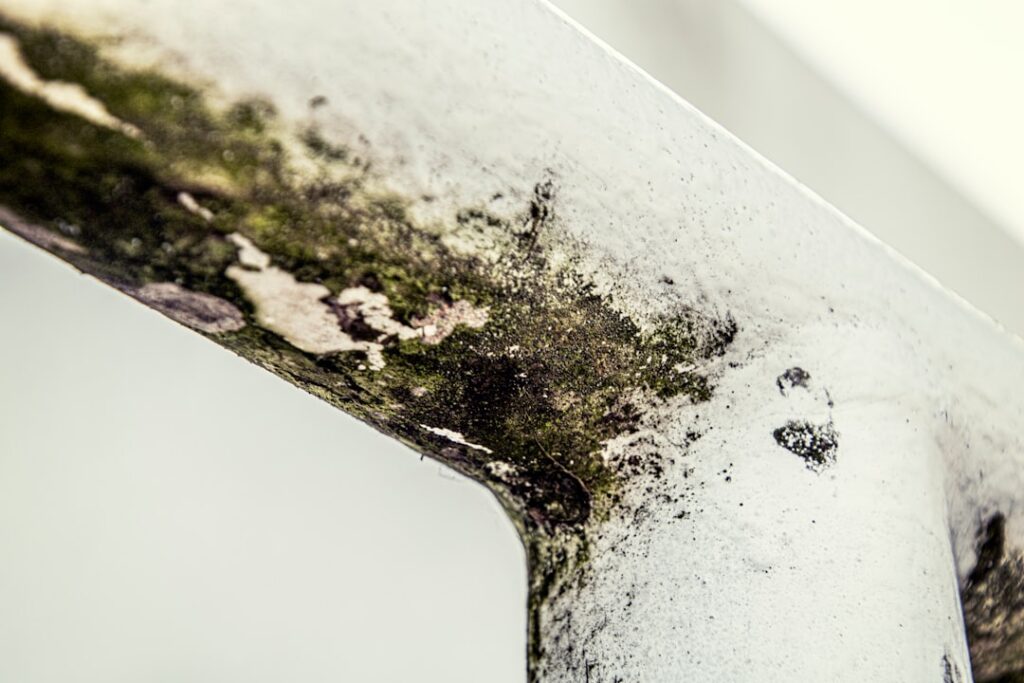
When mold appears after a burst pipe or a roof leak, one of the first questions homeowners ask is whether insurance will pay for the cleanup. The honest answer is “sometimes, and usually with limits.” Coverage hinges on what caused the moisture, how quickly it was addressed, and the specific language in your policy. This guide explains how homeowners insurance generally treats mold, where the common exclusions sit, and how to approach a claim. It summarizes general industry and consumer-protection guidance current as of 2026 and is informational only; read your own policy and talk to your insurer for binding answers.
Part of our Mold Removal & Remediation guide — start there for the full picture →
Is this mold, asbestos, or water damage? Get a free instant screen
Upload a clear photo of the suspect area. You'll get an instant AI screening opinion and what to do next. This is screening guidance, not a professional determination.
Screening guidance only. AI can be wrong. Confirm asbestos, mold type, or lead with lab testing or a licensed professional before acting.
Does Homeowners Insurance Cover Mold Removal?
Most standard homeowners policies cover mold removal only when the mold results directly from a “covered peril” — a sudden, accidental event the policy already insures, such as a burst pipe, an overflowing appliance, or storm damage that lets water in. In those cases, mold cleanup is often treated as part of the water-damage claim. What standard policies generally do not cover is mold caused by long-term neglect, deferred maintenance, chronic humidity, or flooding, which is excluded from typical homeowners coverage entirely and requires separate flood insurance.
The distinction the insurer cares about is sudden versus gradual. A pipe that bursts overnight is sudden; a slow drip under a sink that you ignored for two years is gradual and usually excluded. Because mold itself takes time to grow, adjusters scrutinize how long the underlying moisture was present. Documenting that you acted quickly is often the difference between a paid and denied claim. Our broader mold inspection and testing hub explains how moisture timelines are assessed.
Common Mold Coverage Limits and Sublimits
Even when mold is covered, many policies cap how much they will pay for it specifically. Mold sublimits commonly fall in a range like $1,000 to $10,000, well below the dwelling coverage that applies to fire or structural loss. Some insurers offer a higher mold endorsement for an added premium, which can be worth considering in damp climates or older homes. Read your declarations page for any line labeled “fungi,” “mold,” or “wet or dry rot” — that is where the sublimit usually lives.
Because remediation plus rebuild can exceed those caps quickly, a homeowner with a covered claim may still face significant out-of-pocket costs. Understanding what the work actually runs helps set expectations; our guide on typical mold removal costs covers the variables that push a project past a policy’s mold limit.
When Mold Claims Get Denied
The most frequent denial reasons trace back to the cause and timeline of the moisture.
Long-term leaks and neglect. If an adjuster concludes the water intrusion was ongoing and preventable, the claim is usually denied as a maintenance issue. Flooding. Rising surface water and storm surge are excluded from standard homeowners policies; mold from a flood is only covered if you carry separate flood insurance that addresses it. High humidity and condensation. Mold from chronic dampness rather than a discrete event is generally not covered. Failure to mitigate. Policies require homeowners to take reasonable steps to limit damage after a loss; letting a wet area sit can void coverage for the resulting mold.
Knowing these triggers in advance helps. If you have a sudden leak, drying the area fast and keeping records is both good practice and protective of your claim.
How to File a Mold Claim
Document before you clean
Photograph the water source and the mold before any cleanup, and keep the damaged materials if practical. Note the date you discovered the problem and what you did in response.
Report promptly
Contact your insurer as soon as you find the damage. Prompt reporting supports the “sudden and accidental” framing and satisfies the duty to mitigate.
Stop the source and dry out
Shut off the water, extract standing water, and start drying. Save receipts for emergency mitigation — those costs are frequently reimbursable.
Get professional estimates
An independent remediation estimate gives you a number to compare against the insurer’s offer. If the cause is contested, an inspector’s moisture findings can support your position. Our overview of finding a mold detection service explains what that assessment includes.
Renters, Landlords, and Condos
Responsibility splits differently outside a single-family home. Renters insurance typically covers a tenant’s personal property from covered perils but not building remediation, which falls to the landlord. Landlords carry their own policy for the structure. In condominiums, the line between the association’s master policy and the unit owner’s HO-6 policy depends on the bylaws — generally the association covers common elements and the owner covers the interior “walls in.” If mold appears in a rental or condo, identify who owns the affected component before assuming who pays.
Reducing Risk and Strengthening Future Claims
Prevention is cheaper than any claim. Keep indoor humidity below about 50%, fix leaks within 24 to 48 hours, and maintain appliances and plumbing so a “gradual” label can’t be applied. The Federal Trade Commission’s consumer guidance encourages keeping a home inventory and policy records in an accessible place. Photograph the condition of bathrooms, basements, and under-sink areas periodically; that record can rebut a claim that damage was long-standing. If you live somewhere damp or in an older home, ask your agent about a mold endorsement before you need it.
Does Insurance Cover Testing and Inspection?
Homeowners often ask whether the cost of mold testing or an inspection is reimbursable. The answer tracks the same logic as the remediation itself: if the testing is part of a covered loss — for instance, confirming the extent of mold after a covered pipe burst, or clearance testing after covered remediation — it may be folded into the claim. Testing performed purely out of general concern, with no covered water event behind it, is typically the homeowner’s own expense.
This matters for sequencing. If you have a sudden water event, document it and contact your insurer before commissioning extensive independent testing, so you understand what they’ll cover and avoid duplicating costs. That said, an independent moisture assessment can be money well spent even if not reimbursed, because it can establish that damage is recent rather than chronic — the very distinction that determines whether the larger remediation claim is paid. Weighing a modest out-of-pocket inspection against a potentially denied five-figure claim often favors getting the documentation.
Reading Your Policy’s Mold Language
The answer to whether you’re covered lives in the policy itself, and the relevant language is more readable than people expect. Start with the declarations page, which lists your coverages and any sublimits — look for a line referencing “fungi,” “mold,” “wet or dry rot,” or “microorganisms.” That line states the most the insurer will pay for mold specifically, separate from your dwelling limit. Then read the perils section to see what causes of loss are covered, and the exclusions section, where you’ll typically find language carving out gradual leaks, seepage over time, and flooding.
Pay attention to the difference between “named peril” and “open peril” coverage. Open-peril (often called all-risk) dwelling coverage insures against any cause not specifically excluded, while named-peril coverage only insures the causes listed. Mold tied to a covered water event is generally folded into the water-damage claim either way, but the exclusions are what most often decide the outcome. If the language is ambiguous, your agent or a licensed public adjuster can interpret it, and getting that clarity before a loss is far less stressful than discovering it during a claim. The Federal Trade Commission encourages consumers to read and keep their policy documents for exactly this reason.
Examples of Covered vs Excluded Scenarios
Concrete examples make the sudden-versus-gradual rule clearer. A washing-machine supply hose bursts while you are at work, soaking a laundry-room wall, and mold appears within days — this is typically covered as part of the water-damage claim, assuming you reported it promptly and dried the area. A pipe inside a wall freezes and splits during a Front Range cold snap, with mold following the water damage — generally covered, since freezing is a recognized peril in many policies.
Now the excluded cases. A shower has leaked slowly behind tile for two years, and mold has spread through the wall cavity — almost always denied as a maintenance issue. A creek overflows and floods the basement, leaving mold behind — excluded under standard homeowners coverage and payable only if you carry separate flood insurance addressing it. A poorly ventilated bathroom grows mold from years of steam — denied as chronic humidity. The pattern is consistent: a single discrete accident tends to be covered, while ongoing conditions are not.
How Adjusters Investigate a Mold Claim
When you file, the insurer assigns an adjuster who investigates the cause and timeline. They may inspect the damage, review photos, interview you about when and how you discovered the problem, and sometimes bring in a specialist to assess how long moisture was present. Water-staining patterns, the extent of mold growth, and the condition of surrounding materials all give the adjuster clues about duration. Mold that has spread extensively or shows old, layered staining suggests a long-term problem, which works against coverage.
This is why your own documentation matters so much. Dated photos of the dry, undamaged condition of a space, maintenance records showing you serviced plumbing and appliances, and a prompt report after discovery all support the “sudden and accidental” narrative. An independent inspection that establishes moisture is recent rather than chronic can directly counter an adjuster’s gradual-damage conclusion. Our guide on arranging a mold detection service explains what that assessment documents.
Adding Mold Coverage Before You Need It
If you live in a damp climate, an older home, or a region prone to plumbing freezes, talk to your agent about a mold endorsement that raises the sublimit. The added premium is usually modest relative to the gap it closes. Ask specifically what causes are covered, what the mold sublimit is, whether water backup and sump-overflow coverage is included, and whether you need separate flood insurance for your area. Reading these answers before a loss occurs puts you in a far stronger position than discovering a $1,000 cap after a $12,000 remediation. The Federal Trade Commission encourages consumers to understand policy terms and keep records in advance precisely for moments like these.
When to Call a Professional
Call a remediation professional for any mold tied to a significant water event, growth larger than about 10 square feet, HVAC involvement, or sewage and flood contamination. For coverage disputes, a licensed public adjuster or an attorney can help interpret policy language and negotiate. The combination of an independent remediation estimate and clear documentation of a sudden cause gives homeowners the strongest position when an insurer’s first answer is no.
What to Do If Your Claim Is Denied
A denial isn’t always the final word. Start by requesting the denial in writing with the specific policy language the insurer relied on, then compare it against your own reading of the declarations and exclusions. If the dispute hinges on whether the moisture was sudden or gradual, an independent moisture assessment establishing that the damage is recent can directly counter a “long-term leak” conclusion. Gather your documentation — dated photos, the timeline of discovery, mitigation receipts — into a clear package.
If the insurer holds firm and you believe the denial is wrong, you can request that the claim be reopened with your new evidence, escalate to a supervisor, or engage a licensed public adjuster who works for you rather than the insurer. State insurance departments also accept complaints and can review whether the insurer handled the claim properly. The combination of solid documentation and an independent professional opinion gives a denied homeowner the strongest footing to push back, and it’s often the moisture evidence — recent versus chronic — that turns a no into a yes.
References
- Managing major home expenses and records — Consumer.ftc.gov
- Mold cleanup guidance for homes — EPA
- Basic facts about mold and dampness — CDC
Frequently asked questions
Does homeowners insurance cover mold removal?
Usually only when the mold results from a sudden, covered event like a burst pipe or storm damage. Mold from gradual leaks, neglect, chronic humidity, or flooding is generally excluded from standard policies.
Is there a limit on how much insurance pays for mold?
Yes. Many policies cap mold-specific payouts, often somewhere between $1,000 and $10,000. Some insurers sell a higher mold endorsement for an added premium, which can be worthwhile in damp climates or older homes.
Why was my mold claim denied?
Common reasons include a long-term or gradual leak, flooding without separate flood insurance, mold from chronic humidity, or failure to mitigate the damage promptly after discovering it.
What should I do first when I find mold from a leak?
Photograph the source and damage before cleaning, report it to your insurer promptly, stop the water and begin drying, and save receipts for emergency mitigation, which is often reimbursable.
If a coverage question hinges on whether moisture was sudden or long-standing, an independent inspection can help. Front Range homeowners can connect with a vetted local inspector through our contact page.
Mold removal & cleanup picks
For a small, contained patch (under ~10 sq ft) these EPA-friendly removers handle surface mold. Larger or recurring growth warrants a professional assessment first.
| Product | Why | Buy |
|---|---|---|
 RMR-86 Instant Mold Stain Remover RMR-86 Instant Mold Stain Remover | Fast-acting on stains; ventilate and wear PPE. | Amazon — $29.99 |
 Concrobium Mold Control Concrobium Mold Control | No-bleach formula that also helps prevent regrowth. | Amazon — $34.27 |
 Mold Armor Mold & Mildew Remover Mold Armor Mold & Mildew Remover | Widely stocked bathroom/surface remover. | Amazon — $22.98 |