Mold Removal Near Me: How to Find a Local Pro
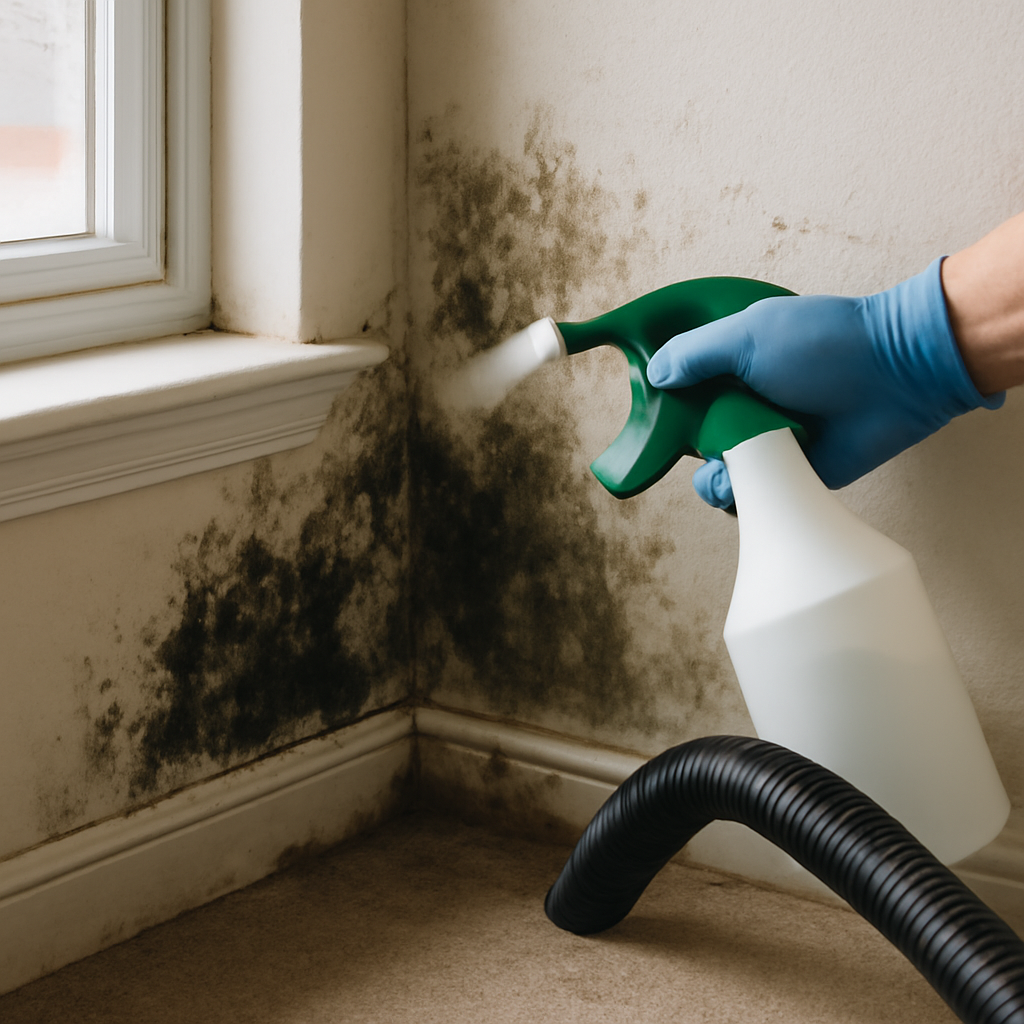
Typing “mold removal near me” into a search bar returns a flood of ads, lead-generation sites, and franchises, but very little guidance on how to tell the good firms from the rest. The right local company combines certification, transparent pricing, real containment equipment, and a willingness to be verified by an independent tester. This guide summarizes EPA and CDC guidance current as of 2026; consult a certified professional for testing decisions and your physician for any health concerns. For Front Range homeowners from Boulder to El Paso County, choosing well saves both money and a second round of cleanup.
Part of our Mold Removal & Remediation guide — start there for the full picture →
Is this mold, asbestos, or water damage? Get a free instant screen
Upload a clear photo of the suspect area. You'll get an instant AI screening opinion and what to do next. This is screening guidance, not a professional determination.
Screening guidance only. AI can be wrong. Confirm asbestos, mold type, or lead with lab testing or a licensed professional before acting.
What to Look For in a Local Mold Removal Company
Start with three non-negotiables: recognized industry certification, liability insurance, and a written scope of work delivered after an in-person inspection. A company that quotes a firm price over the phone has not seen your problem. Beyond credentials, gauge how clearly the firm explains containment, drying, and verification. Plain answers signal competence; vague reassurance signals a sales script.
Why “Near Me” Actually Matters
Local presence is not just convenient. A firm rooted in your area knows regional moisture patterns, like Front Range ice dams, swamp-cooler humidity, and clay-soil foundation seepage. It can also return quickly if a problem recurs, and it leaves a verifiable trail of nearby jobs and reviews. National lead-gen sites often sell your inquiry to whichever contractor bids highest, so prioritize companies with a genuine local footprint.
Certifications and Licensing
Colorado does not require a state license specifically for mold remediation, which shifts the burden onto you to verify credentials. Look for technicians certified through recognized remediation training programs and confirm the company carries general liability and pollution insurance. Ask how long the firm has operated in your county and whether its technicians are employees or subcontractors, since continuity matters for accountability.
Questions to Ask Before Signing
Ask how the crew will contain the work area, what equipment they use, whether they recommend independent testing, and how they handle the moisture source. Ask for the names of recent local clients. A confident firm answers all of this without hesitation.
How Local Pricing Works
Local mold removal is priced by the size and complexity of the affected area, the materials involved, and whether structural drying or reconstruction is needed. Two homes with identical square footage can cost very differently depending on hidden mold, HVAC contamination, or sewage involvement. Our detailed look at house mold removal cost breaks down the variables that move a quote.
Getting and Comparing Quotes
Collect at least two, ideally three, written quotes. Compare not just the bottom line but the scope: does each include containment, drying, and verification, or are some quietly omitted to look cheaper? A low number that skips clearance testing is not a bargain. Line-item invoices let you compare apples to apples. For context on the spread, see our guide to black mold removal cost in 2026.
Red Flags in Local Listings
Be wary of companies that diagnose by phone, demand same-day decisions, refuse written scopes, or promise to kill all mold forever. The EPA is explicit that indoor air always contains some spores, so any guarantee of total elimination is a sales pitch. Brand-new business listings with hundreds of five-star reviews overnight also deserve scrutiny.
Independent Testing vs. the Removal Company
The cleanest arrangement uses one party to test and a separate party to remove. When a single company both diagnoses the extent of mold and bills for removing it, the incentive to overstate the problem is built in. Hiring an independent inspector for pre- and post-testing keeps the scope honest and confirms the work succeeded. Our overview of how to know if your home has mold explains what testing reveals.
What a Local Service Visit Looks Like
Expect an initial inspection, a written estimate, then on the work day, containment setup, removal of affected materials, HEPA cleaning, and the start of drying. Crews verify dryness with moisture meters before rebuilding. Many homeowners can stay home for small contained jobs, while larger projects may call for temporary relocation until clearance testing passes.
Insurance and Local Claims
Homeowner policies in Colorado often cover mold removal when it stems from a sudden covered event, such as a burst pipe, but commonly exclude gradual leaks and deferred maintenance. A reputable local firm documents the moisture source and photographs the job to support your claim. Save this paperwork regardless of whether you file, since mold history factors into resale disclosure.
DIY Versus Hiring Locally
For genuinely small patches under about 10 square feet, many homeowners can clean mold themselves with an N95 respirator, gloves, and proper ventilation. Local services earn their fee on larger, hidden, or hazardous jobs that require containment and structural drying. If you are unsure which category you are in, an independent inspection settles the question before you spend on removal.
After the Job: Verifying Success
Insist on independent clearance testing before any reconstruction. The tester compares indoor spore counts to outdoor baselines and confirms surfaces are clean and dry. Passing clearance is your proof the money was well spent. A local firm confident in its work will not resist this step; one that does is telling you something.
Reading Online Reviews Critically
Reviews are useful but easy to game. Look for detailed accounts that mention the specific problem, the crew’s behavior, and whether the fix held over time, rather than generic five-star praise. A pattern of reviews describing the same strengths, clear communication, on-time arrival, thorough cleanup, carries more weight than a sudden burst of perfect ratings. Pay attention to how the company responds to negative reviews, since a professional, solution-focused reply tells you more than the complaint itself. Cross-reference reviews across multiple platforms before trusting any single source.
Local Climate and Common Front Range Mold Sources
A local firm should understand regional moisture patterns. Front Range homes face winter ice dams that push meltwater under shingles, clay soils that swell and crack foundations, and swamp coolers that add humidity in summer. Basements built into hillsides collect seepage, and homes sealed tight for energy efficiency trap interior moisture. A contractor familiar with these patterns diagnoses the source faster and fixes it more durably than an out-of-area crew working from a generic checklist. Ask how they have handled similar homes in your county.
Avoiding Lead-Generation Traps
Many search results labeled with local-sounding names are actually national lead-generation sites that sell your inquiry to whichever contractor pays most. The crew that arrives may have no real connection to your area. To find a genuinely local firm, look for a physical local address, a long-standing local phone number, and verifiable nearby jobs. A company that cannot tell you where its office is, or that routes you through a national call center, is worth approaching with caution.
What to Do Before the Crew Arrives
Clear access to the affected area, move valuables and electronics out of the work zone, and note the location of any pets so they stay safely away. Photograph the mold and any visible water damage for your own records and insurance. Write down the questions you want answered about containment, drying, and verification. A little preparation lets the crew work efficiently and gives you a baseline to compare against the finished result.
Following Up After the Job
After clearance testing passes and reconstruction is done, keep monitoring the area through the next wet season. Watch for returning stains, musty odors, or rising humidity, which signal the moisture fix did not fully hold. A reputable local firm will return to address a recurrence tied to its own work. Keep your documentation accessible, since it supports both warranty claims and eventual resale disclosure. Our overview on preventing mold from growing covers the habits that keep the fix durable.
Franchises Versus Independent Local Firms
Both national franchises and independent local outfits operate in most Front Range markets, and each has trade-offs. Franchises bring standardized processes, brand accountability, and often 24-hour emergency response, but pricing can run higher and crews may rotate. Independent local firms frequently offer more personal continuity and competitive pricing, though quality varies more between companies. Neither is automatically better; what matters is certification, insurance, transparent scope, and verifiable local work. Judge the specific company in front of you rather than the franchise label or the independent label alone.
What “Free Inspection” Really Means
Many local ads promise a free inspection, which can be genuinely useful or a sales funnel depending on the firm. A legitimate free assessment defines the problem and gives you a written scope with no obligation. A high-pressure version uses the visit to push immediate, oversold work. Treat a free inspection as a starting point, not a commitment, and never sign a same-day contract under pressure. Use the visit to gather information, then compare it against other bids before deciding.
When to Call a Professional
Reach out to a certified local company when the affected area exceeds roughly 10 square feet, when mold follows flooding or sewage, when you smell mold but cannot locate it, or when household members have asthma or weakened immunity. Verify certification and insurance, compare written scopes, and arrange independent testing. The best “near me” choice is the firm that explains its process clearly and welcomes verification.
Timing Your Search for a Local Pro
When you search matters as much as how. A burst pipe or flood is an emergency where fast water extraction and drying limit mold spread, so a 24-hour responder is worth prioritizing over exhaustive comparison shopping. Surface mold found during a renovation, by contrast, is non-urgent, leaving time to gather several quotes and check references. Match your urgency to the situation: stop the water first in a true emergency, but never let manufactured urgency from a salesperson rush a non-emergency decision into a same-day contract.
Coordinating Removal With Your Real-Estate Timeline
Mold discovered during a home sale adds time pressure of its own. Buyers may request remediation before closing, and a documented, professionally cleared job reassures all parties far more than a rushed patch. If you are on a transaction timeline, choose a local firm that can schedule promptly and provide independent clearance results in writing. Our overview on how to tell if a house has mold helps buyers and sellers understand what a clean result should include.
Building a Relationship With a Local Inspector
Beyond a one-time removal, having a trusted local inspector on call pays off over years of homeownership. An inspector who knows your home can monitor a previously remediated area, catch new moisture early, and advise on prevention specific to your foundation and climate. This ongoing relationship turns mold management from a series of emergencies into routine maintenance. Front Range homeowners with finished basements or older homes especially benefit from a periodic professional eye on the damp-prone spots.
References
- Mold Cleanup in Your Home — U.S. Environmental Protection Agency
- About Mold and Health — Centers for Disease Control and Prevention
- Mold Remediation Guidance — U.S. Environmental Protection Agency
- Mold Inspection Standards — InterNACHI
Looking for a vetted Front Range inspector to evaluate your mold before you hire a removal crew? Get in touch here, or start with our mold inspection and testing hub to understand the process first.
Mold removal & cleanup picks
For a small, contained patch (under ~10 sq ft) these EPA-friendly removers handle surface mold. Larger or recurring growth warrants a professional assessment first.
| Product | Why | Buy |
|---|---|---|
 RMR-86 Instant Mold Stain Remover RMR-86 Instant Mold Stain Remover | Fast-acting on stains; ventilate and wear PPE. | Amazon — $29.99 |
 Concrobium Mold Control Concrobium Mold Control | No-bleach formula that also helps prevent regrowth. | Amazon — $11.26 |
 Mold Armor Mold & Mildew Remover Mold Armor Mold & Mildew Remover | Widely stocked bathroom/surface remover. | Amazon — $22.98 |