Mold and Mildew Restoration Company: Homeowner Guide
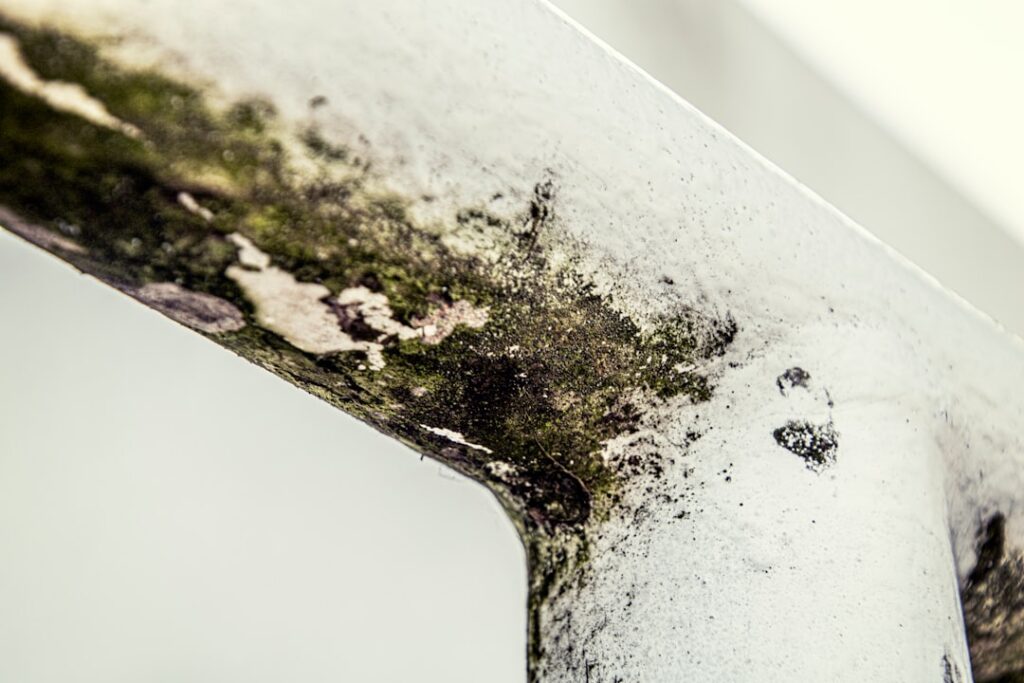
A mold and mildew restoration company picks up where the remediation contractor stops. After porous materials have been removed, surfaces have been cleaned, and the independent clearance test confirms IICRC S520 Condition 1 has been met, the home still needs reconstruction — new drywall, new paint, replacement flooring, perhaps new HVAC ductwork. That post-remediation rebuild is what restoration companies handle. This guide summarizes EPA, CDC, and IICRC guidance current as of 2026 and walks Front Range homeowners through how restoration fits into the larger mold-and-water-damage workflow.
Part of our Types of Mold guide — start there for the full picture →
Is this mold, asbestos, or water damage? Get a free instant screen
Upload a clear photo of the suspect area. You'll get an instant AI screening opinion and what to do next. This is screening guidance, not a professional determination.
Screening guidance only. AI can be wrong. Confirm asbestos, mold type, or lead with lab testing or a licensed professional before acting.
Restoration is the rebuild phase, not the cleanup phase
Many homeowners use “restoration,” “remediation,” and “removal” interchangeably. Industry usage in 2026 keeps them distinct. Remediation removes contamination — porous materials come out, semi-porous surfaces are cleaned, the affected zone is HEPA-vacuumed under containment. Restoration follows clearance and rebuilds what was removed: drywall installation, taping and mudding, primer and paint, baseboard, carpet or flooring replacement, cabinet reinstallation, and HVAC component replacement if applicable.
A single firm sometimes performs both phases, but the work is sequentially separated by an independent clearance test. The clearance letter from an ACAC CIE-credentialed consultant is what authorizes the restoration phase to start — opening up containment, removing poly sheeting, and bringing in finish-carpentry crews is the practical signal that remediation is complete. The InspectandTest mold inspection hub covers the full workflow, and the residential mold restoration guide walks through the rebuild specifics.
What a restoration company handles
The scope of work for a mold and mildew restoration company in a typical residential project includes drywall hanging, taping, mudding, and texture-matching to the surrounding original finish. It includes priming with a mold-inhibiting primer (zinc-based or shellac-based primers are common choices for surfaces that had visible growth, even after cleaning). It includes paint to match. It includes baseboard, casing, and shoe-molding reinstallation or replacement. It includes flooring — replacing carpet pad and carpet that was removed, sheet vinyl, tile, or hardwood where applicable. And it includes cabinet reinstallation and minor cabinet repair when cabinets had to be detached and moved during remediation.
HVAC restoration specifics
When the mold project involved the HVAC system, the restoration company coordinates with an HVAC contractor to replace contaminated ductwork sections, install new return-air grilles, replace insulation on exterior ducts, and verify system commissioning after restoration. The mold remediator typically handles HVAC cleaning during remediation; restoration handles ductwork replacement and reinstallation of grilles and registers.
Finish carpentry and trim
Trim restoration on older Front Range homes — Craftsman bungalows in Denver, brick foursquares in Boulder, mid-century ranches in Arvada — sometimes requires custom milling to match original profiles. Restoration companies with finish-carpentry depth can produce that match; companies that only do drywall and paint will subcontract trim work to a separate finish carpenter.
Why restoration is separated from remediation
Three reasons. First, the trades are genuinely different — remediation technicians are trained in containment and HEPA work, while restoration crews are finish-carpentry and paint-trade specialists. A single individual rarely has top-tier skill in both. Second, the clearance test creates a natural pause point, and starting restoration before clearance is granted risks rebuilding over residual contamination. Third, insurance billing often separates the two phases, with the remediation invoice authorizing the dwelling claim and the restoration invoice handling the rebuild benefit.
How restoration interacts with insurance claims
Homeowners insurance policies in 2026 vary widely on mold coverage. Most policies cover mold damage that results from a covered water-damage event (a burst supply line, an ice-dam-driven leak, a wind-damaged roof) up to a specified mold sublimit — often $5,000 to $25,000. Policies generally do not cover mold from sustained slow leaks, foundation seepage, or condensation problems that were not promptly addressed. Restoration costs typically draw against the dwelling repair benefit rather than the mold sublimit, but the policy language varies.
A mold and mildew restoration company experienced in insurance claims will document scope with Xactimate line items, photograph each phase, and coordinate with the homeowner’s claims adjuster. That documentation is most valuable when restoration costs exceed initial reserves and require a supplemental claim. Homeowners should review their policy mold sublimit and the water damage cause-of-loss language before signing a restoration contract.
Pricing ranges for restoration work
2026 restoration pricing on a typical Front Range basement project after mold remediation runs $40 to $80 per square foot of affected floor area for drywall, paint, and flooring rebuild. Custom trim or cabinet reinstallation can add $10 to $25 per linear foot of casework. HVAC component replacement adds $1,500 to $6,000 depending on duct length and accessibility. Whole-basement restoration after a major water-and-mold event commonly runs $15,000 to $45,000 for the rebuild phase alone, separate from the remediation invoice.
What separates a competent restoration company
Five attributes distinguish a competent mold and mildew restoration company. Documented sequencing with the remediation contractor, including a written handoff after the clearance letter. Use of mold-inhibiting primer on surfaces that previously had visible growth. Texture matching that is visually indistinguishable from surrounding original surfaces (skip-trowel, knockdown, or orange peel as appropriate). Coordination with the HVAC contractor when ductwork is affected. And insurance documentation discipline — Xactimate-format scope, daily photo records, and a final invoice with line-item detail.
Two patterns suggest the firm is more carpenter than restoration specialist. Refusal to wait for a clearance letter before starting work. And no familiarity with mold-inhibiting primer or with the practical difference between cosmetic paint and a remediation-aware finish. Both gaps signal that the firm is approaching the project as a routine remodel rather than as the rebuild phase of a contained mold project.
Health framing for restoration crews
By the time a mold and mildew restoration company is on site, the airspace has cleared S520 Condition 1 and PPE requirements drop substantially. Restoration crews typically work without respirators because the contamination has been removed and verified. That said, dust generated by drywall installation, sanding, and finish carpentry warrants standard nuisance-dust PPE (N95, eye protection) for the workers themselves. Occupants with asthma or chemical sensitivities may want to vacate during paint application even though the mold risk is past — VOC exposure from primer and paint is the active concern at that stage. Homeowners with sensitivities should consult their physician about timing.
When restoration overlaps with general remodeling
Homeowners sometimes use a mold event as an opportunity to upgrade — better basement flooring than what was there, a refreshed paint scheme, new cabinets in a kitchen where water-damaged uppers had to come out. That is reasonable, but the upgrades need to be billed separately from the insurance-eligible restoration scope. A reputable restoration company will draw a clean line between “like-kind-and-quality replacement” (insurance-billable) and “homeowner-elected upgrade” (homeowner pays directly), with separate line items on the invoice.
Timeline expectations for restoration work
A typical post-remediation basement restoration takes two to four weeks from clearance to completion, depending on scope and material lead times. Drywall installation, taping, and three coats of mud usually consume the first week. Primer and paint take another three to five days including cure time between coats. Flooring installation runs two to five days for carpet, three to seven days for sheet vinyl or LVP, longer for tile. Trim and cabinet reinstallation typically takes the last week. Restoration companies that promise major basements completed in five business days are usually compressing the drywall and paint phases below quality standards, leaving texture and seam visibility problems that show up six months later. Material lead times have also changed since 2024 — specialty trim profiles, custom cabinets, and certain flooring lines can take two to eight weeks for delivery, and the restoration timeline starts when the materials arrive, not when the contract is signed.
Coordination with other trades
Restoration projects often need plumbing, electrical, and HVAC trades on site at specific phases. A plumber may need to reconnect a basement bathroom sink after new drywall is up but before tile goes in. An electrician may need to swap a finished-wall electrical box after new drywall is installed. An HVAC contractor may need to reinstall a register or finish a duct termination. The restoration company project manager is responsible for scheduling these trades at the right moments — and a competent project manager either schedules them directly or coordinates with the homeowner’s trades early enough that scheduling does not delay completion. Restoration projects that drift past their planned completion date almost always trace back to a missed sub-trade scheduling step rather than to the finish carpentry crew itself.
Warranty and post-completion expectations
A reputable mold and mildew restoration company carries a written warranty on the restoration work — typically one year on labor and materials, with longer manufacturer warranties on flooring, paint, and cabinets. The warranty should specifically address texture and finish issues that may appear within the first year as drywall mud continues to cure (hairline cracks, slight texture variation, minor paint touch-ups). The warranty does not typically cover the underlying mold problem returning — that is the remediation contractor’s accountability, and the moisture-source repair contractor’s accountability. Homeowners should keep the clearance letter, the remediation invoice, the restoration invoice, and any moisture-source repair invoices together as a project file in case future questions arise during a real estate transaction or insurance event.
Material selection during restoration
Restoration is an opportunity to select materials that perform better in damp environments. Below-grade restoration after a basement mold event can use mineral wool insulation (which does not support mold growth even when wet) instead of fiberglass batts that absorb and hold moisture. Drywall replacement in moisture-prone areas can specify paperless or fiberglass-faced gypsum board that has no cellulose substrate for future mold colonization. Trim and baseboard can use PVC or moisture-resistant composite materials instead of solid wood in areas with chronic dampness exposure. Flooring can shift from carpet (the highest-risk material after a water event) to luxury vinyl plank or sealed concrete in basement applications. Restoration companies experienced with post-mold projects often recommend these upgrades as part of the scope; companies treating the work as a routine paint-and-flooring rebuild may not raise the issue.
Mold-inhibiting primer specifications
The mold-inhibiting primer step deserves attention. Two primer categories are widely used after remediation. Zinc-based primers (Sherwin-Williams Loxon and similar) provide good adhesion and mold resistance on previously affected surfaces. Shellac-based primers (Zinsser BIN, similar) provide stain-blocking properties that prevent any residual discoloration from bleeding through to the topcoat. Either is appropriate for surfaces that had visible growth during the mold event, even after professional cleaning. Conventional latex primer alone is not sufficient — it provides no mold-inhibition benefit and may not block residual stains.
The handoff from remediation to restoration
The transition between remediation and restoration is the moment where projects most often go off-track. A clean handoff includes the clearance letter from the independent CIE as the formal authorization to begin restoration, a written punch list of any conditions the restoration contractor needs to address (gaps in framing where contaminated material was removed, any electrical or plumbing rough-in needs, HVAC component replacement), and a homeowner walk-through of the work zone before containment comes down. The restoration company project manager should be present during this handoff so questions about scope and condition can be answered with the remediator still on site. Projects where the remediator demobilizes before the restorer arrives often produce miscommunications that delay the project by days or weeks.
References
- Mold Remediation Reference Guide — EPA
- About Mold and Health — CDC
- Mold Inspection Guidance — InterNACHI
- A Brief Guide to Mold, Moisture, and Your Home — EPA
Frequently asked questions
What is the difference between mold remediation and mold restoration?
Remediation removes contamination — porous materials are taken out, surfaces are cleaned, the affected zone is HEPA-vacuumed under containment. Restoration is the rebuild that follows clearance: new drywall, paint, flooring, trim, and any HVAC component replacement.
When does restoration work start?
After the independent clearance test confirms IICRC S520 Condition 1 has been met. The clearance letter from an ACAC CIE-credentialed consultant authorizes containment to come down and finish-carpentry crews to begin. Starting earlier risks rebuilding over residual contamination.
Does insurance pay for restoration after a mold event?
Restoration costs typically draw against the dwelling repair benefit rather than the mold sublimit, but the underlying mold damage must result from a covered water-loss event — a burst pipe, ice-dam leak, or wind-damaged roof. Slow leaks and condensation problems are usually excluded.
How much does mold restoration cost in 2026?
Drywall, paint, and flooring rebuild runs $40 to $80 per square foot of affected floor area on Front Range residential projects. Custom trim or cabinet work adds $10 to $25 per linear foot. Whole-basement restoration after a major event commonly runs $15,000 to $45,000.
Homeowners on the Front Range planning the restoration phase after mold remediation can reach out through our contact page for help vetting a restoration contractor.