Lead Paint Inspections: What Homeowners Should Know
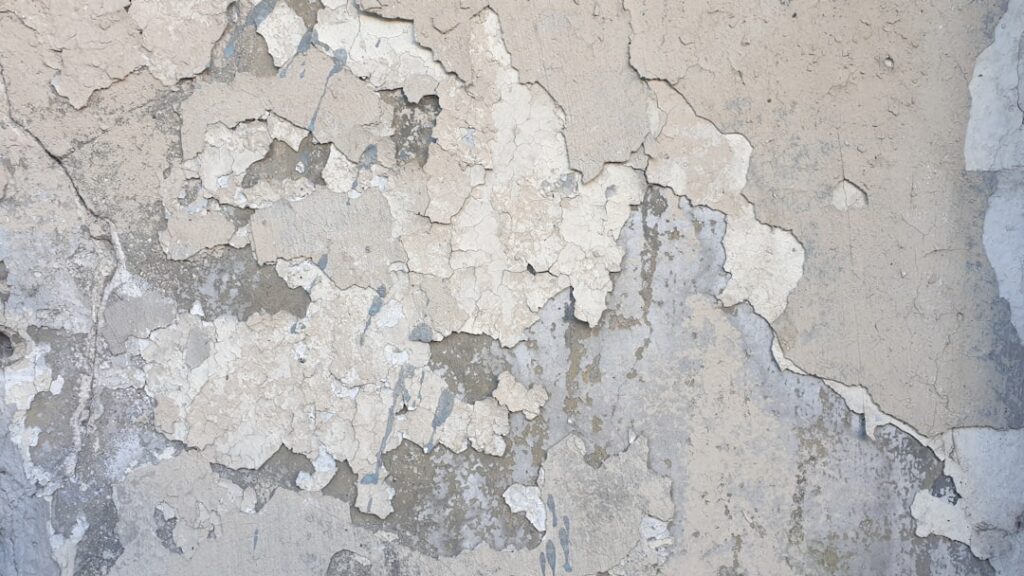
Lead paint inspections are the reliable way to learn whether the paint in an older home contains lead, and where. Homes built before 1978, when the federal government banned lead in residential paint, frequently carry lead-based coatings under newer layers, and deteriorating lead paint is a leading source of childhood lead poisoning. A proper inspection uses calibrated instruments and certified personnel rather than guesswork. This guide summarizes EPA, HUD, and CDC guidance current as of 2026; it is informational only, and you should rely on a certified lead professional and your physician for testing and health decisions rather than a web article. Below is how inspections work, what they cost, and when you need one.
Is this mold, asbestos, or water damage? Get a free instant screen
Upload a clear photo of the suspect area. You'll get an instant AI screening opinion and what to do next. This is screening guidance, not a professional determination.
Screening guidance only. AI can be wrong. Confirm asbestos, mold type, or lead with lab testing or a licensed professional before acting.
What Lead Paint Inspections Are and How They Differ From Risk Assessments
A lead paint inspection is a surface-by-surface evaluation that determines the presence of lead-based paint throughout a home. It tells you which painted components, walls, trim, windows, doors, contain lead at or above the regulatory threshold. It does not, by itself, tell you whether those surfaces currently pose a hazard.
A risk assessment is the companion service. It evaluates whether lead is actually creating exposure through deteriorating paint, lead dust, or contaminated soil, and recommends control measures. Many homeowners need a combined inspection and risk assessment to get the full picture. The distinction matters because intact, well-maintained lead paint can be lower risk than peeling paint, a theme explored in the guide on whether lead paint is dangerous.
How the Inspection Is Performed
XRF analyzers
The primary tool is a portable X-ray fluorescence, or XRF, analyzer. The technician holds the device against a painted surface, and it reads the lead content through all paint layers without damaging the surface. XRF testing is fast, non-destructive, and lets an inspector check dozens of components across a home in a single visit. Results are reported as lead concentration per unit area against the federal action level.
Laboratory paint-chip analysis
Where XRF readings are inconclusive, or on certain substrates, the inspector may collect a small paint-chip sample and send it to an accredited laboratory for analysis. Lab testing is highly accurate but destructive and slower, so it supplements rather than replaces XRF in most inspections.
Dust and soil sampling
When a risk assessment is included, the professional collects dust wipe samples from floors and window sills and may test soil near the foundation, since lead dust and contaminated soil are major exposure routes for young children. These samples go to a laboratory for quantification. Dust sampling is particularly important because the most common path to childhood lead exposure is not eating paint chips but ingesting fine lead dust that settles on floors and surfaces where children crawl and put their hands in their mouths. A surface can look clean and still carry hazardous lead dust, which is why wipe sampling adds information visual inspection cannot.
Why Pre-1978 Homes Are the Focus
The federal ban on lead in residential paint took effect in 1978, so homes built before that year are the primary concern. The older the home, the higher the likelihood and concentration of lead paint: houses built before the 1950s often contain paint with very high lead content, while those from the 1960s and 1970s carry progressively less. Even where later owners painted over the original coatings, the lead layer remains beneath, ready to become a hazard if the surface deteriorates or is disturbed during renovation.
Lead’s greatest danger is to young children and pregnant women, because lead harms the developing brain and nervous system even at low levels. The CDC notes there is no known safe blood lead level in children. That is why families with small children, or those expecting, have the strongest reason to test a pre-1978 home, and why federal disclosure rules attach to the sale and rental of such housing. The visual warning signs that often prompt testing are described in the guide on the signs of lead paint.
Who Is Qualified to Inspect
Lead inspections must be performed by individuals and firms certified under the EPA’s or an authorized state’s lead program. Certified lead inspectors and risk assessors complete accredited training and follow defined protocols, and renovation contractors disturbing lead paint must be certified under the Renovation, Repair and Painting (RRP) Rule. Using a certified professional is not optional for regulated work, and it ensures the results are defensible.
Homeowners can verify certification through the EPA or their state health department. The role and qualifications of these professionals are described further in the guide on the lead inspector and what they do, which helps clarify who is authorized to test and certify a home.
What Lead Paint Inspections Cost
Pricing depends on home size, the number of components tested, and whether a risk assessment is included. Industry estimates commonly place a lead paint inspection for a single-family home in a range of roughly 300 to 700 dollars, with larger homes and added dust or soil sampling pushing the total higher. A combined inspection and risk assessment costs more than an inspection alone.
XRF-based inspections are generally more cost-effective than extensive lab paint-chip analysis because they cover many surfaces quickly. The number of components a homeowner asks the inspector to test, whether soil and dust sampling are included, and how accessible the surfaces are all move the final figure. A targeted inspection of a few suspect areas costs less than a comprehensive whole-home survey with a full risk assessment. For a detailed breakdown of what drives the price and how it compares with related services, the guide on lead paint inspection cost walks through the variables homeowners encounter.
When Do You Need a Lead Paint Inspection?
Several situations make an inspection prudent or required. Buying or renting a pre-1978 home triggers federal disclosure obligations, and many buyers add lead testing during the inspection period. Families with young children or a pregnant household member have the strongest health reason to test, since lead exposure is most harmful to developing brains. Planning a renovation that will disturb old paint is another trigger, both for safety and because RRP rules apply.
Federal law also requires that sellers and landlords of pre-1978 housing disclose known lead-based paint and provide an EPA pamphlet, and buyers generally have a window to conduct testing. Households navigating a purchase should review the parent asbestos and lead hazard guide for how disclosure, testing, and timelines fit together.
After the Inspection: Interpreting Results and Next Steps
The inspection report identifies which surfaces contain lead-based paint and, if a risk assessment was included, which currently pose a hazard. Lead found in intact, well-maintained paint may simply require ongoing monitoring and good housekeeping. Lead in deteriorating paint, friction surfaces like windows, or chewable components calls for interim controls or abatement by a certified professional.
Options range from specialized cleaning and paint stabilization to enclosure, encapsulation, and full removal, each with different costs and durability. The choice depends on the hazard, the household, and budget. Because improper disturbance can worsen exposure, control work should follow certified methods. Anyone with health concerns from possible exposure should consult a physician, since blood lead testing is the only way to assess actual exposure in a person.
Lead Inspections for Renters and Landlords
Lead concerns are not limited to home buyers. Federal law requires landlords of most pre-1978 rental housing to disclose known lead-based paint and provide tenants with an EPA-approved pamphlet before a lease takes effect. In some jurisdictions, additional rules require periodic inspection, hazard control, or certification before a unit with young children can be rented. Renters who suspect deteriorating paint can request information about the property’s lead history and, in some areas, ask for testing.
For landlords, a documented inspection and risk assessment can be both a compliance tool and a liability shield, showing that hazards were identified and addressed responsibly. For renters, knowing whether a unit contains lead, and whether it is intact or deteriorating, informs decisions about where a family with young children lives. In either role, the same testing methods, XRF, lab analysis, and dust sampling, apply, performed by certified professionals. The disclosure paperwork involved in a transaction is covered in the guide on the lead-based paint disclosure form.
How XRF Testing Actually Works
The X-ray fluorescence analyzer at the heart of most lead inspections deserves a closer look, because understanding it clarifies why the method is trusted. The device emits low-level X-rays into a painted surface; lead atoms in the paint absorb that energy and re-emit X-rays at a characteristic signature the instrument detects and quantifies. The reading reflects lead through all the paint layers down to the substrate, which is why the technician can evaluate a component without scraping or damaging it.
This non-destructive, through-the-layers capability is what makes XRF practical for whole-home inspections. A technician can test dozens of distinct painted components, walls, trim, doors, window casings, baseboards, in a single visit, recording each result against the federal action level. The instruments are calibrated against known standards during use to keep readings accurate, and operators must be trained and certified to use them properly.
XRF does have limits. On certain substrates or with borderline readings, results can be inconclusive, which is when laboratory paint-chip analysis steps in for a definitive answer. The combination, fast XRF screening across the whole home plus targeted lab confirmation where needed, gives a thorough, defensible picture of where lead exists. That documented map is the foundation for any later decision about controls or abatement, and it is why professional testing far outperforms consumer swab kits for whole-home assessment.
Lead Inspections Versus Consumer Test Kits
Hardware stores sell inexpensive lead test swabs that change color in the presence of lead, and homeowners often wonder why a professional inspection is necessary. The swab kits have real limitations. They test only the outermost layer they contact, so they can miss lead buried under newer paint, and they are prone to both false positives and false negatives depending on the substrate, the dye, and how the test is performed. They tell a homeowner that lead may be present at one spot, not where it is throughout the home or in what concentration.
A professional inspection answers the questions a swab cannot. XRF analysis reads through all paint layers and quantifies lead against the federal action level across dozens of components, and a risk assessment determines whether that lead is actually creating a hazard through dust, deterioration, or soil. The result is a documented, defensible map of the home’s lead situation rather than a single ambiguous color change.
For low-stakes curiosity, a swab kit may satisfy a homeowner, but for any consequential decision, buying or renting a pre-1978 home, planning a renovation, or protecting young children, professional inspection is the reliable standard. The cost difference reflects the difference in certainty, and certainty is what matters when a child’s exposure is on the line. There is also a regulatory dimension: a certified inspection produces documentation that satisfies disclosure obligations and can support a renovation permit or a landlord’s compliance record, while a swab result has no such standing. When the result must hold up to scrutiny, only a professional inspection qualifies. Households curious about consumer swab options can review the guide on the 3M lead test kit and its limits.
References
- Lead-Based Paint Activities and Certification — U.S. EPA
- Lead-Based Paint Disclosure and Hazard Rules — HUD
- Childhood Lead Poisoning Prevention — CDC
Front Range homeowners with a pre-1978 home who want help arranging lead paint testing can connect with a vetted local inspector by getting in touch through our contact page.
Lead paint test kits
Instant swab kits flag lead on painted surfaces in minutes — useful before a renovation in any pre-1978 home.
| Product | Why | Buy |
|---|---|---|
 3M LeadCheck Swabs 3M LeadCheck Swabs | EPA-recognized instant swabs. | Amazon — $199.00 |
 Lead Test Kit (lab-based) Lead Test Kit (lab-based) | Mail-in for a documented result. | Amazon — $150.00 |