3M Lead Test Kit: What Homeowners Should Know
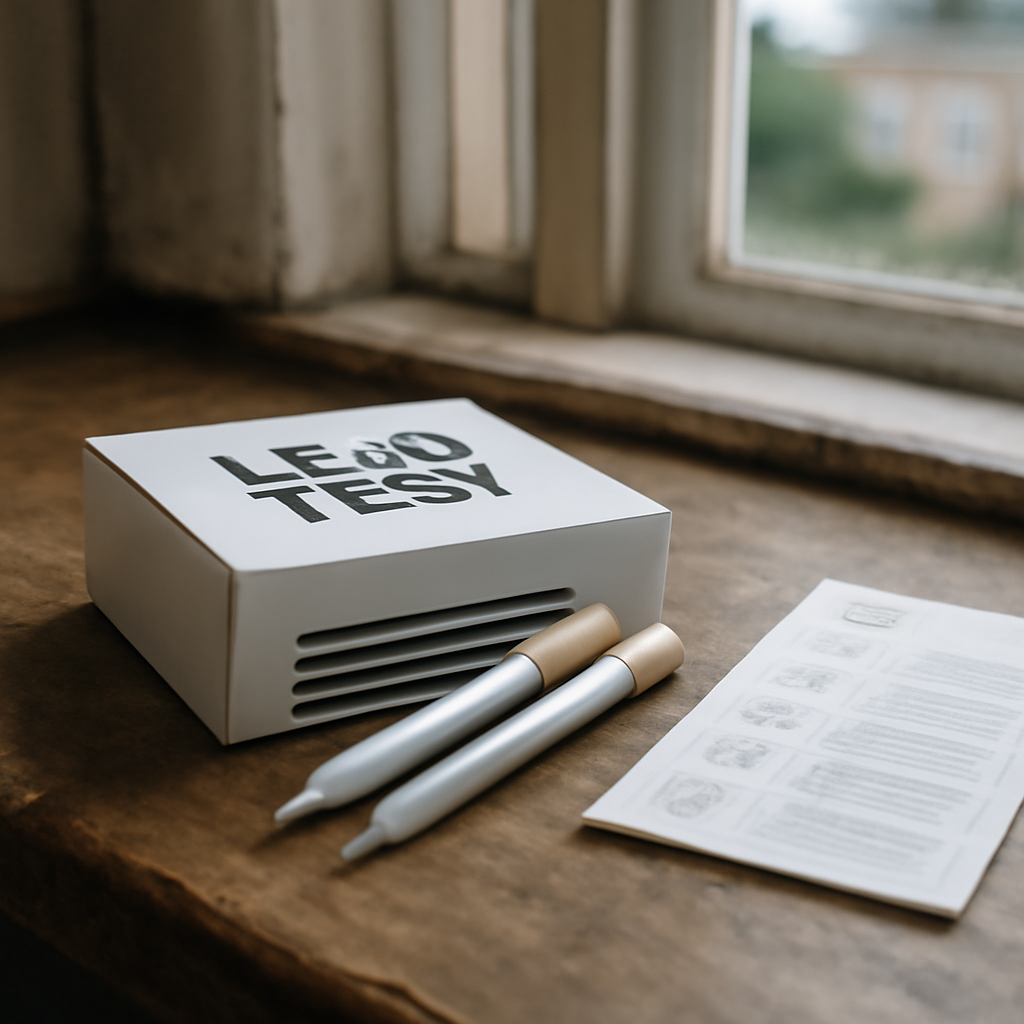
The 3M LeadCheck swab is one of the most widely sold at-home lead screening tools, and homeowners reach for it the moment they spot peeling paint in an older house. A 3M lead test kit can give a fast, useful preliminary answer, but knowing its limits is what keeps that answer from being dangerously misleading. These swabs screen surfaces for lead; they do not measure how much lead is present or guarantee a surface is lead-free. This guide summarizes EPA and CDC guidance current as of 2026 and is informational only, consult your physician about exposure and a certified professional for testing decisions. Below: how the swabs work, what they prove, and where they fall short.
Asbestos or biohazard concern? Speak with a certified contractor.
📞 Call (877) 742-8496How Does the 3M Lead Test Kit Work?
The 3M LeadCheck swab uses a chemical that turns pink or red when it contacts accessible lead on a surface. You crush the swab to mix the reagents, apply it to a freshly exposed paint surface, and read the color change within a set time. A pink or red result indicates lead is present; no color change suggests lead was not detected on that accessible layer. The kit also includes a verification card to confirm the swab is working.
The appeal is speed and price: results in seconds for a few dollars, with no lab to mail samples to. That makes the swabs a reasonable first screen for a homeowner deciding whether to dig deeper. But “screen” is the operative word. A positive result is informative; a negative result is far less conclusive than people assume, for reasons explained below. The role these kits play in a household’s overall lead awareness fits into the broader guide to lead in pre-1978 housing.
What the Swabs Can and Cannot Tell You
The crucial limitation: these swabs detect lead on the surface they touch, not lead buried under newer paint layers. In a typical older home, the original lead paint is often covered by several coats of newer, lead-free paint. A swab applied to the top coat may show no color change even though lead paint lurks beneath, a false sense of safety. To test for buried lead, you would need to expose the lower layers, which itself can disturb lead.
The swabs also do not quantify lead. The EPA regulates lead-based paint at and above a defined level, and a definitive determination of whether paint is “lead-based” under federal rules requires XRF analysis or laboratory testing by a certified professional, not a color-change swab. Certain surface colors and substrates can also interfere with reading the result. So a swab can confirm lead is present on an accessible surface, but it cannot rule lead out, and it cannot tell you how serious the hazard is. For that, homeowners turn to a certified lead inspector.
EPA Recognition and Accuracy
The EPA has a recognition program for lead test kits used in the context of its Renovation, Repair and Painting (RRP) rule, which governs contractors disturbing paint in pre-1978 homes. Historically, the 3M LeadCheck swab has been among the EPA-recognized kits for certain substrates, meaning it met the agency’s criteria for low false-negative rates on those materials when used by trained renovators. Recognition is specific to substrate types and to proper use, not a blanket endorsement for every situation.
Even an EPA-recognized kit screens only the layer it touches. RRP-certified renovators may use a recognized kit to decide whether lead-safe work practices are required, but a “negative” still does not certify a home lead-free. For the definitive determination a real estate transaction or a child’s health concern demands, accredited testing is the standard. The trade-off between speed and certainty is the same one homeowners weigh with a lead test kit for dishes and other consumer products.
How to Use a 3M Lead Test Kit Correctly
Read the instructions fully before starting, results depend on technique. Activate the swab by crushing the points and squeezing until the tip is yellow, confirming the reagents have mixed. Rub the swab firmly on the test surface for the specified time. For paint, expose the edge so the swab contacts each layer, not just the top coat, because surface-only testing misses buried lead. Read the result within the time window; a pink or red color means lead is present.
Always verify the swab against the included confirmation card; if the card does not turn the swab pink, the swab is bad and the result is unreliable. Test multiple locations rather than one spot, since paint history varies room to room. Wear gloves, work in a ventilated area, and avoid creating dust, sanding or scraping to expose layers can release lead, so disturb as little as possible. When you must access lower layers across many surfaces, that disturbance is itself a reason to call a professional who tests without spreading contamination.
When a Swab Is Enough and When It Is Not
A 3M swab is reasonable for a quick screen: you want to check a single surface before a small repair, you are curious about a specific door or windowsill, or you want preliminary information before deciding whether to hire a pro. A positive result is actionable, treat the surface as lead-bearing and follow lead-safe practices or call a professional.
A swab is not enough when the stakes are high. Buying or selling a pre-1978 home, planning a renovation that disturbs significant painted area, or addressing a child’s elevated blood lead level all call for certified testing, an XRF inspection or laboratory analysis, and often a risk assessment of dust and soil. A negative swab should never be the basis for declaring a home safe for a child. Homeowners deciding which professional service fits can review how to find lead testing services nearby.
When to Call a Certified Lead Professional
Bring in a certified lead inspector or risk assessor when a swab comes back positive and you need to know the extent, when you are renovating a pre-1978 home, or when anyone in the household, especially a child or a pregnant person, may be exposed. Professionals use XRF analyzers and accredited labs to measure lead accurately, including under multiple paint layers, and they evaluate dust and soil that swabs cannot address.
The honest framing for a 3M lead test kit is this: it is a helpful, inexpensive first screen that can flag lead, but it cannot prove a surface or home is lead-free, and it cannot tell you how dangerous the lead is. Use it to decide whether you need professional testing, then escalate to a certified inspector for anything that affects health or a real estate decision. Treating the swab as a screening tool, not a verdict, is the safe way to use it.
Where the Swabs Fit in Common Situations
Real households use these kits in a handful of recurring scenarios, and the right level of trust varies with each. A homeowner about to patch a small ding in a windowsill of a 1970s home might swab the spot to decide whether to take lead-safe precautions; that is a reasonable, low-stakes use where a positive result usefully triggers caution. A renter curious whether a peeling baseboard contains lead can swab it to inform a conversation with the landlord, though confirming a hazard for a child would still warrant professional assessment.
A do-it-yourselfer planning to sand or strip painted trim faces higher stakes, because the very act of sanding old paint can generate lead dust. Here a swab is a starting point, but because surface-only testing can miss lead under newer coats, the safer default in a pre-1978 home is to assume lead is present and either test professionally or follow lead-safe work practices regardless. The most cautious users treat a negative swab on a project surface as “not confirmed safe” rather than “confirmed clean.” This conservative posture aligns with the broader hazard awareness in the guide to lead in older homes.
Parents of young children occupy the highest-stakes category. Because lead dust harms children at low levels and because swabs cannot measure dust or buried lead, a family addressing a child’s health concern should not rely on swabs at all. The appropriate tools are a certified lead inspection and a risk assessment that samples dust and soil, services a certified lead inspector performs to defensible standards.
What the Swabs Cannot Replace
It is worth being precise about the gaps a 3M swab leaves, because each gap corresponds to a real exposure pathway. Swabs do not test dust, yet lead-contaminated dust on floors and sills is the most common way children are exposed. Swabs do not test soil, yet lead can accumulate in yard soil near painted exteriors and along old roadways. Swabs do not quantify lead, so they cannot tell you whether a positive surface meets the regulatory threshold or how much risk it poses. And swabs read only the accessible layer, so they routinely miss original lead paint sealed under decades of newer coats.
A certified risk assessment fills every one of those gaps. Using XRF analysis for paint, dust-wipe sampling for floors and sills, and soil sampling where warranted, a professional builds a complete exposure picture and recommends specific controls. That is why the EPA distinguishes a lead inspection (locating lead paint) from a risk assessment (evaluating actual hazards) and why neither is something a consumer swab can perform. The honest takeaway is not that the swab is useless, it is genuinely handy for a quick screen, but that it answers only one narrow question and should never be mistaken for the comprehensive evaluation a child’s safety or a home purchase deserves. When a swab points toward lead, the next step is professional confirmation, and the guide on finding lead testing nearby helps locate it.
Disposing of Results and Acting Safely
After using a swab, handle the result responsibly. Treat any positive as a true positive and proceed with lead-safe practices: keep the area wet to suppress dust, avoid dry sanding or scraping, contain debris, clean thoroughly with wet methods, and keep children and pregnant people away from the work. Used swabs and any debris from exposing paint layers should be cleaned up carefully rather than left to spread dust. These habits matter even for small jobs, because lead dust is the principal exposure route and is invisible.
Record what you tested and where, especially in an older home you plan to renovate over time, so you build a map of known and suspected lead surfaces. That record helps you and any contractors plan lead-safe work and informs honest disclosure if you sell. The swab, used this way, becomes a practical entry point into a larger, sensible approach to lead, one that escalates to certified testing whenever the stakes rise above a quick, low-risk repair.
How Swabs Compare to XRF and Lab Testing
Putting the 3M swab next to the professional methods clarifies its place. An XRF analyzer, the handheld instrument a certified inspector uses, reads the lead content of paint through multiple layers without damaging the surface, and it quantifies the result against the regulatory threshold. That is fundamentally more capable than a swab, which reacts only with lead on the layer it touches and gives a yes-or-no color change rather than a number. XRF can survey dozens of components in a single visit and tell you not just whether lead is present but how much and where.
Laboratory paint-chip analysis is the other professional method, used to confirm results or where XRF is inconclusive. A technician collects a physical sample and an accredited lab measures its lead content precisely. Both XRF and lab analysis are defensible for real estate transactions, renovation planning, and child-health investigations in a way a consumer swab is not. The swab’s role is narrower but still useful: a fast, cheap first screen that can flag obvious lead and prompt the decision to bring in those professional tools. Understanding that hierarchy, swab to screen, XRF and lab to decide, keeps homeowners from over-trusting the cheapest tool. When a swab or a renovation plan points toward professional evaluation, a certified lead inspector brings exactly these instruments to bear.
Cost tracks capability. A pack of swabs costs a few dollars; a professional inspection or risk assessment runs a few hundred. For a quick check before a minor repair, the swab is proportionate. For anything that affects a purchase, a renovation, or a child’s exposure, the professional cost is small against the consequences of a wrong answer. Matching the tool to the stakes is the practical wisdom that turns a cheap swab from a false-confidence trap into a genuinely helpful first step.
References
- Lead Test Kits and EPA Recognition — U.S. Environmental Protection Agency
- Lead-Based Paint Sources and Prevention — Centers for Disease Control and Prevention
- Lead-Based Paint Requirements — U.S. Department of Housing and Urban Development
Front Range homeowners who get a positive swab or want a definitive answer can contact us to connect with a certified local lead inspector.
Lead paint test kits
Instant swab kits flag lead on painted surfaces in minutes — useful before a renovation in any pre-1978 home.
| Product | Why | Buy |
|---|---|---|
 3M LeadCheck Swabs 3M LeadCheck Swabs | EPA-recognized instant swabs. | Amazon — $208.00 |
 Lead Test Kit (lab-based) Lead Test Kit (lab-based) | Mail-in for a documented result. | Amazon — $35.00 |