Asbestos Sampling: Methods, Safety, and When to Hire
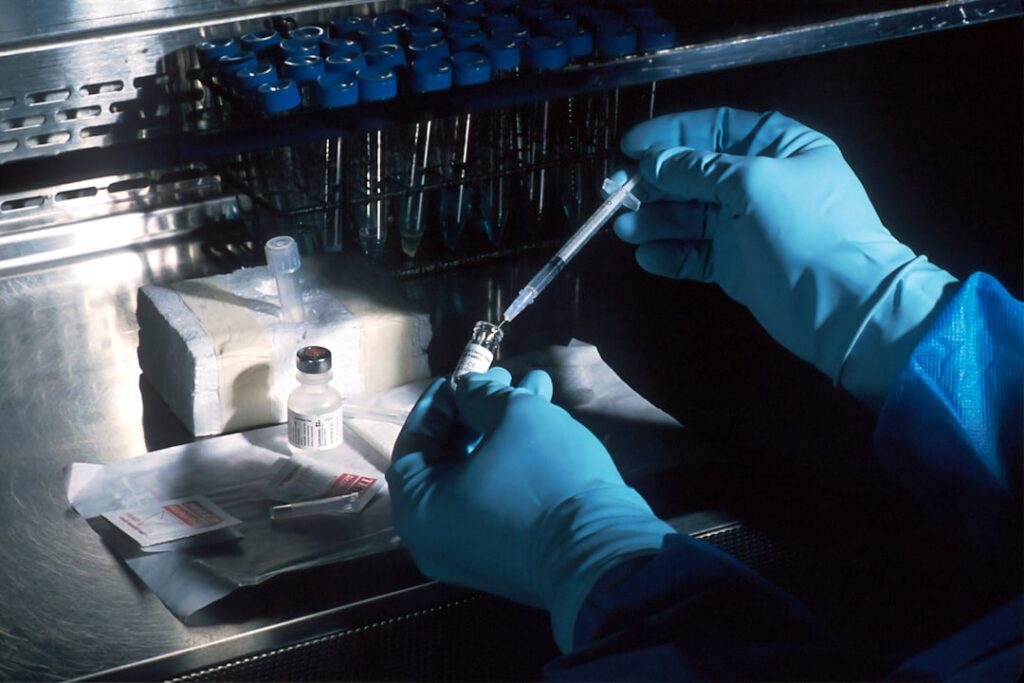
Asbestos sampling is the controlled collection of suspect material so a laboratory can confirm whether asbestos fibers are present and at what concentration. Because asbestos was used in countless building products through the late twentieth century, the only way to know whether a popcorn ceiling, floor tile, pipe insulation, or joint compound contains it is to sample and test. This guide is the comprehensive anchor for the topic and summarizes EPA, OSHA, and CDC guidance current as of 2026. It is informational only; consult a certified professional for testing and abatement decisions and your physician for health concerns.
Is this mold, asbestos, or water damage? Get a free instant screen
Upload a clear photo of the suspect area. You'll get an instant AI screening opinion and what to do next. This is screening guidance, not a professional determination.
Screening guidance only. AI can be wrong. Confirm asbestos, mold type, or lead with lab testing or a licensed professional before acting.
What Is Asbestos Sampling?
Asbestos sampling means taking a small, carefully collected piece of a building material (bulk sampling) or a measured volume of air (air sampling) and submitting it to an accredited laboratory for analysis. Sampling does not remove or fix anything; it answers a single question with certainty: does this material contain asbestos, and if so, what type and how much. That answer drives every decision that follows, from leaving a material alone to scheduling licensed abatement.
Sampling matters because asbestos is invisible and impossible to identify by sight. Two visually identical floor tiles can differ entirely in asbestos content. Disturbing asbestos-containing material releases microscopic fibers that, once inhaled, are linked to serious respiratory disease. Proper sampling, done safely, lets you make informed choices without creating the very exposure you are trying to avoid.
Bulk Sampling vs. Air Sampling
Bulk Sampling
Bulk sampling collects a physical piece of the suspect material itself. A small sample of ceiling texture, floor tile and its mastic, drywall joint compound, insulation, or another product is removed and sealed in a container for the lab. Bulk sampling identifies whether the material contains asbestos and what percentage. It is the standard first step when you want to know whether a specific building component is asbestos-containing before renovation or removal.
Air Sampling
Air sampling draws a measured volume of air through a filter that captures any airborne fibers, which the lab then counts. Air sampling answers a different question: how many fibers are currently in the breathing air. It is used to assess exposure during or after disturbance, to verify that an area is safe to reoccupy after abatement (clearance testing), and to monitor work areas. Bulk and air sampling complement each other; one identifies the source material, the other measures airborne hazard.
The Wet Method and PPE
Safe sampling minimizes fiber release, and the core technique is the wet method. The sampler lightly mists the suspect material with water (often with a few drops of detergent to help it penetrate) before cutting or removing a piece. Wetting binds fibers so they are far less likely to become airborne during collection. A small sample is taken slowly, then the spot is sealed, and the sample is double-bagged or placed in a sealed container.
Protective equipment is essential. A properly fitted respirator rated for asbestos, disposable coveralls, and gloves protect the person sampling. The work area is isolated, occupants and pets are kept away, and HVAC is shut off so fibers are not circulated. After sampling, disposable protective gear and cleanup materials are bagged as contaminated waste. These precautions matter even for a single small sample, because a careless cut can release fibers into the home.
Common Materials That Get Sampled
Asbestos appeared in a remarkable range of building products through the late twentieth century, which is why sampling targets so many different materials. Textured ceiling finishes, often called popcorn or acoustic ceilings, are among the most frequently sampled because they were widely applied and are commonly disturbed during renovation. Floor tiles, especially nine-inch vinyl-asbestos tiles, and the black mastic beneath them are another classic source. Sheet vinyl flooring and its backing also warrant testing in older homes.
Beyond floors and ceilings, suspect materials include pipe and boiler insulation, duct wrap, cement siding and shingles, roofing felts, joint compound and drywall systems, plaster, and certain wall and ceiling boards. Even some older adhesives, sealants, and window glazing contained asbestos. Because the list is long and the materials are visually unremarkable, the safe assumption in a pre-1980s building is that any suspect material could contain asbestos until a sample proves otherwise. Sampling is what converts that assumption into knowledge.
How Many Samples and From Where
One sample rarely tells the whole story. Materials are grouped into homogeneous areas, sets of material that look the same and were installed at the same time, and each homogeneous area is sampled, often more than once, to account for variation. A single ceiling, for instance, may need several samples taken from different spots, because asbestos content can vary within what looks like uniform material. Friable materials and certain product types typically call for more samples than a single bulk grab.
This is one of the strongest arguments for professional sampling. A certified inspector knows the protocols for how many samples to take, where to take them, and how to document them so the results are representative and defensible. A homeowner taking a single sample from one corner of a large ceiling may get a negative result that does not reflect the rest of the surface. Proper sampling strategy is as important as proper sampling technique.
Laboratory Analysis: PLM and TEM
Collected samples are analyzed at accredited laboratories, ideally those accredited under the National Voluntary Laboratory Accreditation Program (NVLAP). Two primary techniques are used. Polarized light microscopy (PLM) is the standard method for bulk samples; it identifies asbestos type and estimates the percentage in the material. PLM is reliable for most building materials and is what a typical bulk asbestos test uses.
Transmission electron microscopy (TEM) is a more powerful method used for air samples and for materials where PLM may underestimate very small or low-concentration fibers. TEM can detect and confirm fibers PLM might miss and is the method used for sensitive clearance air testing after abatement. Choosing PLM, TEM, or both depends on the sample type and the decision at stake; an accredited lab and a certified professional guide that choice.
DIY Sampling vs. Hiring a Professional
Sampling sits in a gray zone that the safer health-hazard tasks do not. Unlike abatement, which is licensed-only work, collecting a single bulk sample with the wet method and full PPE is something some homeowners do themselves where local rules allow. The technique is straightforward in principle: wet the material, take a small piece slowly, seal it, clean up, and ship it to an accredited lab with proper documentation.
That said, DIY sampling carries real risk if done carelessly, and many jurisdictions restrict who may sample, especially for materials destined for removal. A certified asbestos inspector knows how many samples to take, from where, and how to handle materials safely, and produces documentation that holds up for a transaction or permit. For step-by-step context on getting material tested, see the companion guides on DIY popcorn-ceiling sampling and the broader asbestos popcorn-ceiling test process.
When DIY Is Not Appropriate
Skip DIY sampling when the material is friable (crumbly) and likely to release fibers easily, when it is in poor condition, when local rules require a certified inspector, or when the result will trigger removal that demands documented sampling. Friable materials like some pipe insulation and certain ceiling textures release fibers readily and are best left to professionals. When in doubt, treat the material as if it contains asbestos and call a certified inspector.
Why Abatement Is Licensed-Only Work
Identifying asbestos is one thing; removing it is another, and removal is strictly regulated. Asbestos abatement, the removal or major disturbance of asbestos-containing material, is licensed-only work governed by EPA’s National Emission Standards for Hazardous Air Pollutants (NESHAP) and by OSHA worker-protection standards. Abatement requires specialized containment, negative-air systems, trained and licensed workers, and regulated disposal at approved facilities.
The reason is straightforward: improper removal releases enormous quantities of fibers and can contaminate an entire home, endangering occupants and anyone who enters later. A homeowner who confirms asbestos through sampling should not then attempt removal themselves. Hire a licensed abatement contractor. Sampling tells you what you have; licensed professionals handle what to do about it. Our overview of asbestos and lead hazards in older housing explains how testing, inspection, and abatement fit together.
Friable vs. Non-Friable Materials
A key distinction in asbestos work is whether a material is friable or non-friable. Friable materials can be crumbled or reduced to powder by hand pressure, which means they release fibers easily; examples include some pipe insulation, certain ceiling textures, and deteriorated products. Non-friable materials, such as intact floor tile or cement siding, bind asbestos in a hard matrix and release fibers far less readily unless they are cut, sanded, or broken.
This distinction shapes both the hazard and the handling. Friable materials are more dangerous and demand greater caution during sampling and any subsequent work, and they are more tightly regulated. Non-friable materials can still become hazardous when a renovation disturbs them, turning a stable product into airborne dust. Sampling helps you understand not just whether asbestos is present but, combined with a professional’s assessment of condition, how readily it could become an exposure risk.
When to Sample and What to Do With Results
Sample before any renovation, demolition, or repair that would disturb suspect materials in a home built before the 1980s. Common triggers include removing flooring, scraping a textured ceiling, cutting into drywall, replacing pipe insulation, or remodeling a kitchen or bath. Testing first prevents the costly, hazardous mistake of disturbing asbestos unknowingly.
When results come back, an asbestos-free finding clears the way for normal work. A positive finding means the material should be left undisturbed, managed in place, or removed by a licensed abatement contractor, depending on its condition and your plans. Keep the lab report; it documents what is in the home and guides safe decisions for years. Pairing accurate sampling with licensed abatement is how older homes are renovated without putting families at risk.
Preparing to Ship Samples to a Lab
Getting a usable result depends partly on how samples are packaged and submitted. Each bulk sample should be sealed in its own container or double bag, labeled with a unique identifier, and accompanied by a chain-of-custody form that records what each sample is and where it came from. Accredited laboratories provide submission instructions and forms; following them precisely keeps results traceable and defensible. Mislabeled or cross-contaminated samples can produce misleading results, which defeats the purpose of careful collection.
Choosing the lab matters as much as the sampling. Look for a laboratory accredited under the National Voluntary Laboratory Accreditation Program for the relevant analysis, and confirm whether it performs PLM, TEM, or both. A reputable lab states its methods and detection limits clearly and returns a report that connects each sample identifier to its result. Whether you sample yourself or hire a certified inspector, the chain from collection through labeling to an accredited lab is what turns a piece of suspect material into a result you can act on with confidence.
References
- Protect your family from exposures to asbestos — U.S. Environmental Protection Agency
- Asbestos worker-protection standards — Occupational Safety and Health Administration
- Asbestos health hazards and exposure — Centers for Disease Control and Prevention
If you are on the Front Range and need a vetted professional to sample or evaluate suspect asbestos materials, you can connect with one through our contact page.