Lead Test Kit for Dishes: What Homeowners Should Know
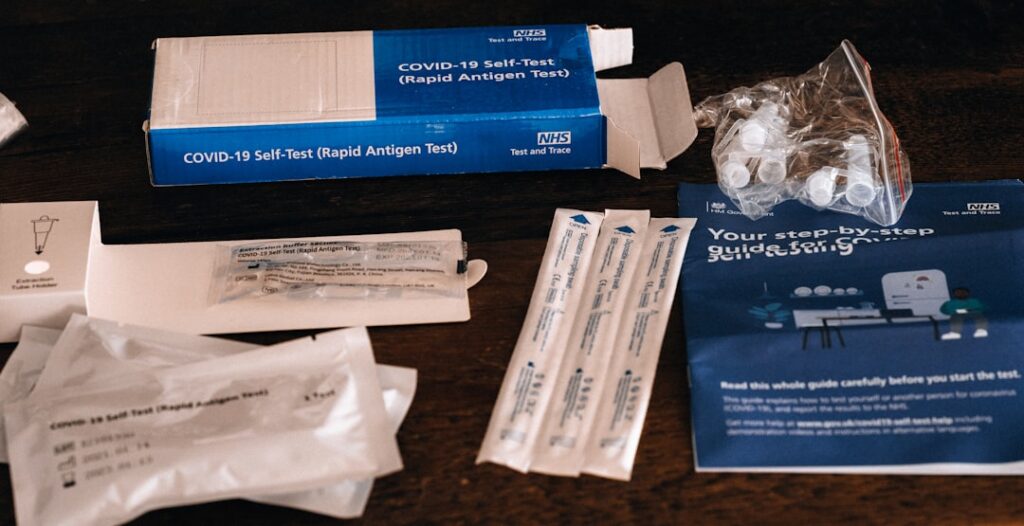
Vintage ceramics, brightly glazed pottery, imported dinnerware, and leaded crystal can all leach lead into food and drink, which is why many households reach for a lead test kit for dishes. These consumer swab kits offer a fast, inexpensive way to screen tableware at home, though they come with real limitations buyers should understand before trusting a result. This guide summarizes EPA, CDC, and FTC consumer guidance current as of 2026; use professional or laboratory testing to confirm any uncertain result, and consult your physician about lead exposure concerns.
Asbestos or biohazard concern? Speak with a certified contractor.
📞 Call (877) 742-8496What Is a Lead Test Kit for Dishes?
A lead test kit for dishes is a consumer-grade swab or solution that reacts in the presence of lead on a surface, usually by changing color. The most common type uses sodium rhodizonate or a similar reagent that turns pink or red when it contacts leachable lead. Homeowners rub the swab on the dish surface — especially the food-contact area and the glaze — and read the result within seconds to minutes.
These kits screen for lead that can migrate from the surface, which is the practical concern with tableware: lead that leaches into acidic foods like tomato sauce, citrus, or coffee. They are a first-line screening tool, not a definitive laboratory analysis. Households worried about broader lead exposure can review the pillar on lead hazards in older homes for context beyond the kitchen cupboard.
Which Dishes Are Most at Risk?
Not all dinnerware carries the same risk. Lead historically appeared in glazes and decorative paints to brighten colors and lower firing temperatures. Higher-risk items include:
- Antique and vintage ceramic dishes, especially pre-1971 American pottery
- Brightly colored or hand-painted imported pottery, including some from Mexico, China, and the Mediterranean
- Decorative or souvenir ceramics not intended for food use
- Leaded crystal glassware and decanters
- Highly decorated dishes with paint on the rim or food-contact surface
- Old or chipped glazes where the protective surface has worn through
The FDA has limited lead in tableware since the 1970s, so modern, reputable dinnerware sold for food use in the U.S. is generally low risk. The concern centers on older, imported, decorative, or damaged pieces. Households unsure about exposure can also explore the broader lead poisoning test options available through a physician.
How to Use a Lead Test Kit on Dishes
Most kits follow a similar procedure. While instructions vary by brand, the general steps are:
- Clean and dry the dish; test the food-contact surface and any decorative areas
- Activate the swab per the kit instructions (often by crushing internal ampules)
- Rub the swab firmly on the surface for the specified time, usually 30 seconds to two minutes
- Watch for a color change indicating lead; many kits also include a confirmation card
- Test a known lead-free surface as a control to confirm the kit is working
For dishes used with acidic food, some experts suggest testing after the surface has been in contact with a mild acid (such as vinegar) to simulate real leaching conditions, since that better reflects what happens during use. Always follow the specific kit’s directions, because chemistry and read times differ.
The Limits of Consumer Kits
Swab kits are useful, but they have well-documented weaknesses that homeowners should keep in mind:
- They detect surface lead, not total content. A kit may miss lead beneath an intact glaze that has not yet started leaching.
- False negatives happen. A “no color change” result is not a guarantee the dish is lead-free, especially on dark or already-colored glazes that mask the reaction.
- They are qualitative, not quantitative. Kits indicate presence, not how much lead leaches under real conditions.
- Color interpretation is subjective, particularly on patterned or dark surfaces.
Because of these limits, a positive result should be trusted (stop using the dish for food), but a negative result on a suspect piece warrants confirmation. The same honesty applies to other consumer lead products, as explained in the guide on lead-based paint testing.
When to Use a Laboratory Instead
For a definitive answer, a certified laboratory can perform a leach test that measures how much lead actually migrates from the dish under controlled acidic conditions — the method regulators use. Lab testing makes sense when:
- A swab result is ambiguous on a frequently used or heirloom piece
- Children or pregnant women regularly eat or drink from the item
- You want a quantified result rather than a yes/no indication
Lab leach testing typically costs more than a kit and takes days, but it removes the guesswork. For households testing multiple potential lead sources, coordinating with a professional who handles broader assessments — similar to those who run a water lead test kit — can be more efficient than piecemeal swabbing.
What to Do With a Positive Result
If a dish tests positive for leachable lead, the safest course is to stop using it for food and drink. Many beautiful vintage and decorative pieces can still be displayed rather than eaten from. Specific precautions include:
- Do not store acidic foods or beverages in suspect ceramics
- Avoid microwaving or heating food in questionable pieces, which can accelerate leaching
- Do not give children food or drink in untested vintage or decorative dishware
- Hand-wash rather than machine-wash old glazes, which can degrade with harsh detergents
Lead is a cumulative toxin with no known safe blood level per the CDC, and children absorb it more readily than adults. Removing a leaching dish from daily food use is a simple, high-value precaution.
Types of Lead Test Kits Compared
Not all dish-testing kits use the same chemistry, and the differences affect reliability:
Rhodizonate-based swabs
The most widely sold consumer type. They turn pink or red in the presence of lead and give results in seconds. They work best on light-colored surfaces; on dark glazes the color change can be hard to read. These detect lead at the surface but may understate lead locked beneath an intact glaze.
Sulfide-based kits
An older chemistry that darkens in the presence of lead. Less common today and harder to interpret on already-dark surfaces.
EPA-recognized kits
A small number of consumer kits have been recognized by the EPA for reliability in specific applications, mainly for paint rather than dishes. For tableware, no consumer swab matches the accuracy of a laboratory leach test, so even a recognized kit is a screening tool, not a final answer.
When buying a kit, check that it is intended for hard surfaces and ceramics, read recent user reviews, and confirm it includes a confirmation or control component so you can verify the swab is reacting properly.
How Lead Gets Into Food From Dishes
Understanding the mechanism clarifies why condition matters. Lead in a glaze is generally stable when the glaze is intact and properly fired. Problems arise when the glaze is poorly fired, worn, cracked, or chipped, allowing lead to migrate into food — a process called leaching. Several conditions accelerate it:
- Acidic foods and drinks: tomato sauce, citrus juice, coffee, tea, wine, and vinegar dressings pull lead from a glaze far faster than neutral foods.
- Heat: microwaving or serving hot food in a leaded dish increases leaching.
- Prolonged contact: storing food or drink in a leaded vessel, such as a leaded-crystal decanter holding wine, raises exposure over time.
- Surface wear: repeated washing and use erode glazes, exposing more lead over the years.
This is why a beloved daily coffee mug or a citrus-juice pitcher deserves more scrutiny than a decorative plate that only holds dry cookies at the holidays.
Other Common Sources of Lead in the Kitchen
Dishes are not the only kitchen lead source worth checking. Households auditing their exposure should also consider:
- Leaded crystal glasses and decanters, especially when used for acidic beverages or long-term storage
- Imported or antique cookware, including some glazed clay pots and brass or bronze items
- Older kettles and food storage with questionable coatings
- Drinking water from older plumbing with lead pipes or solder, a separate testing concern
- Imported spices, candies, and traditional remedies, which have occasionally been found to contain lead
A swab kit covers tableware, but a household genuinely concerned about cumulative exposure should think about water and food sources too, and consider a blood-lead test for young children through a pediatrician.
Are Lead Test Kits for Dishes Worth It?
For a few dollars, a swab kit gives households a quick way to screen suspect tableware and catch obvious lead hazards before they reach a child’s plate. The value lies in flagging the highest-risk pieces — vintage, imported, decorative, and damaged dishware — so they can be retired from food use. The kits are best treated as a screening step: trust a positive, verify an ambiguous negative with a lab, and rely on reputable modern dinnerware for everyday eating. Used that way, a lead test kit is a sensible, low-cost layer of protection.
Reading and Acting on Ambiguous Results
Many real-world test results are not a clean yes or no. A faint or partial color change, a reaction only on the decorative rim but not the center, or an unclear result on a dark glaze all leave the homeowner uncertain. How to handle ambiguity depends on how the dish is used.
For a piece used daily with acidic foods or by children, the cautious move is to retire it from food service until a lab confirms it is safe — the cost of caution is low. For a decorative plate that rarely touches food, the practical risk is small even with an uncertain result, so long as it stays out of regular food use. When in doubt, treat the dish as if it could leach lead, since erring toward caution carries little downside and protects the most vulnerable household members. A laboratory leach test resolves the uncertainty definitively when a piece matters enough to warrant the expense.
Caring for Suspect Dishware You Keep
Plenty of households own beautiful vintage or imported pieces they are unwilling to discard. Keeping them while minimizing risk is reasonable if a few rules are followed. Display rather than serve from any piece that tested positive or is strongly suspect. Avoid using questionable items for acidic foods, hot foods, or beverage storage, the conditions that accelerate leaching.
Hand-wash old glazes gently rather than running them through a dishwasher, since harsh detergents and heat degrade glazes over time and can expose more lead. Never store food in a suspect vessel, and keep leaded crystal decanters for short-term serving rather than long-term storage of wine or spirits. With these habits, a cherished collection can be preserved and enjoyed visually without becoming a daily exposure source. The guiding principle is simple: separate the pieces you eat from the pieces you merely admire.
Buying Safer Dishware Going Forward
For everyday eating, the simplest protection is choosing tableware made for food use by reputable manufacturers selling into the U.S. market, where lead in tableware has been regulated since the 1970s. Modern dinnerware from established brands is generally low risk, and many manufacturers label products as lead-free or food-safe.
When shopping, a few habits reduce risk. Favor pieces explicitly intended for food, not decorative or souvenir items. Be cautious with brightly colored imported pottery and hand-painted glazes bought while traveling, since they may not meet U.S. standards. For children, choose plain, modern, food-safe dishware rather than vintage or decorative pieces. These choices do not require testing every purchase — they simply steer the household toward categories with a strong safety record, reserving the swab kit for the older, imported, and inherited pieces where real uncertainty exists.
When to Consult a Doctor
Testing dishes addresses one exposure source, but a household worried about actual lead intake should also think about health monitoring. The only way to know a person’s lead exposure is a blood-lead test, ordered through a physician. This is especially relevant for young children, who are most vulnerable, and for pregnant women.
The CDC notes there is no known safe blood-lead level, and many pediatricians screen young children, particularly those living in or moving into older housing. If a family has been using a dish later found to leach lead, or has other potential exposure sources, raising it with a doctor allows appropriate testing and guidance. A dish test protects against future exposure; a blood test reveals past and current exposure. Pairing the two — removing leaching dishware and, where warranted, checking blood levels — gives a household the fullest understanding of its lead risk and the clearest path to reducing it.
References
- Sources of lead exposure in the home — U.S. Environmental Protection Agency
- Preventing lead exposure — Centers for Disease Control and Prevention
- Lead poisoning: protect your family — Federal Trade Commission, Consumer Advice
Front Range households concerned about lead in older homes or heirloom dishware can get in touch through our contact page to connect with a vetted local professional for broader lead assessment.
Lead paint test kits
Instant swab kits flag lead on painted surfaces in minutes — useful before a renovation in any pre-1978 home.
| Product | Why | Buy |
|---|---|---|
 3M LeadCheck Swabs 3M LeadCheck Swabs | EPA-recognized instant swabs. | Amazon — $208.00 |
 Lead Test Kit (lab-based) Lead Test Kit (lab-based) | Mail-in for a documented result. | Amazon — $35.00 |