Lead Paint Removal Cost: What Homeowners Pay
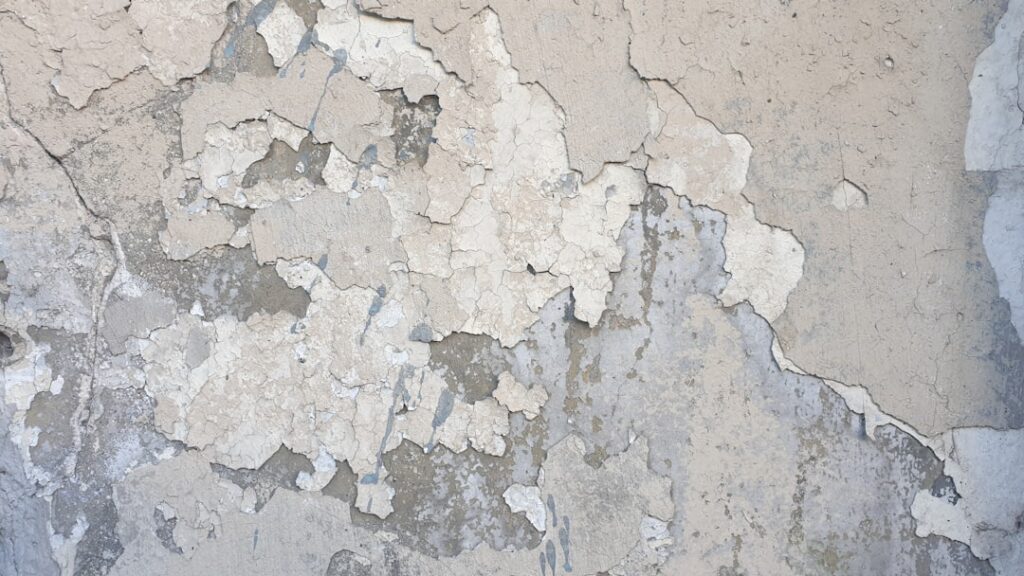
If your home was built before 1978, there is a real chance it contains lead-based paint, and dealing with it safely is not cheap. Lead paint removal cost depends on far more than square footage. It hinges on how much painted surface is affected, the method used, whether you remove or encapsulate, and the safety and disposal rules that licensed contractors must follow. This guide breaks down what drives the price, what typical projects run, and how to budget realistically. The figures here are industry estimates current as of 2026; always get written bids from certified abatement firms, and consult a professional for testing and removal decisions.
Part of our Lead Paint & Lead Testing guide — start there for the full picture →
Is this mold, asbestos, or water damage? Get a free instant screen
Upload a clear photo of the suspect area. You'll get an instant AI screening opinion and what to do next. This is screening guidance, not a professional determination.
Screening guidance only. AI can be wrong. Confirm asbestos, mold type, or lead with lab testing or a licensed professional before acting.
What lead paint removal typically costs
There is no single price, because “lead paint removal” covers everything from sealing a few window frames to gutting and abating an entire house. Industry estimates commonly place professional lead abatement somewhere in the low thousands for a focused project and well into five figures for a whole-house job. The cost per square foot varies with method, access, and how the waste must be handled.
The biggest swing factor is scope. Spot-treating a handful of friction surfaces, like windows and doors where paint chips and dust accumulate, costs far less than abating siding, trim, and interior walls throughout a home. Whole-house abatement, especially when it involves replacing components rather than stripping them, sits at the top of the range. Before you assume the worst, confirm that lead is actually present and where; a lead paint inspection tells you exactly what you are dealing with.
It is worth distinguishing between interim controls and full abatement, because the price gap is large. Interim controls, such as repainting a stabilized surface, fixing friction points, or applying an encapsulant, manage the hazard at relatively low cost. Full abatement is work specifically designed to permanently eliminate lead hazards, which is more involved, more regulated, and more expensive. Many homeowners do not need whole-house abatement at all; they need targeted control of the few surfaces that actually pose a risk. Pinning down which category your situation calls for is the single biggest lever on your final bill.
What drives the price up or down
Several variables determine where your quote lands. Understanding them helps you read bids critically and spot which costs are unavoidable versus optional.
Surface area and number of components
More painted surface means more labor, more containment, and more waste. Counts of windows, doors, and linear feet of trim often matter more than raw square footage, because friction and impact surfaces require the most careful handling.
Removal method
Methods differ sharply in cost and disruption. Wet scraping and chemical stripping are labor-intensive. Component replacement, swapping out a leaded window for a new one, can be cheaper and safer than stripping it in place. Encapsulation, covering intact paint with a specialized coating, is usually the least expensive option when the paint is stable.
Containment, cleanup, and disposal
Certified abatement requires sealing the work area, controlling dust, and disposing of lead waste according to regulations. Specialized cleaning and clearance testing after the work add cost but are not optional on a proper abatement.
Location and access
Exterior work on a two-story home needs scaffolding. Tight interior spaces slow the crew. Regional labor rates and local disposal fees also shift the total.
Testing and clearance
A proper project bookends the removal with testing. An upfront lead inspection or risk assessment identifies which surfaces actually contain lead, and post-work clearance testing, dust-wipe samples analyzed by a lab, confirms the area is safe to reoccupy. These steps add cost but are not optional on a real abatement, and a bid that omits them is not comparable to one that includes them.
Typical cost scenarios
To make the ranges concrete, it helps to walk through a few common situations. Treat these as illustrative, not quotes, since regional labor and disposal costs vary widely.
A small, targeted project, say stabilizing and repainting a few interior surfaces and addressing two or three leaded windows, sits at the lower end and is often the most cost-effective path for a family that simply wants to make a home lead-safe. A mid-size project that addresses friction surfaces throughout the home, replaces several windows, and encapsulates stable walls lands in the middle of the range. A whole-house abatement, stripping or replacing leaded components across the entire property with full containment, clearance testing, and disposal, sits at the top and can reach well into five figures on a large older home.
The lesson is that “lead paint removal cost” has no single answer because the scope drives everything. The homeowner who scopes the work tightly, addressing real hazards rather than every painted surface, almost always spends far less than the worst-case figure that first comes to mind. For the broader hazard picture, the asbestos and lead pre-1978 housing guide puts lead alongside other older-home risks.
Removal versus encapsulation: cost and trade-offs
One of the largest decisions affecting your budget is whether to remove lead paint or seal it in place. Both are recognized approaches, and the right choice depends on the paint’s condition.
Encapsulation applies a thick, durable coating that bonds to the existing paint and forms a barrier. When the underlying paint is intact and not on a high-friction surface, encapsulation is typically the most affordable and least disruptive option. It does, however, require maintenance, and it is not appropriate for chipping, peeling, or friction surfaces. Our guide to lead paint encapsulation covers when it works and when it does not.
Full removal, by contrast, eliminates the hazard rather than covering it, but it costs more and creates lead dust that must be carefully contained. For the actual methods involved, see our walkthrough on removing lead paint safely. Many homeowners end up with a mix: encapsulate the stable walls, replace or strip the high-risk friction components. This blended approach is usually the most cost-effective, because it reserves expensive removal for the surfaces that truly need it while sealing the rest at a fraction of the price. A solid risk assessment maps which surfaces fall into which category, so you are not paying to strip paint that could safely be encapsulated, nor encapsulating a friction surface that will wear through and shed dust later.
Why you should not DIY full abatement
It can be tempting to cut costs by sanding and scraping yourself, but lead dust is the core danger. Disturbing lead paint without proper containment spreads fine, toxic dust through the home, where it settles into carpet, ductwork, and soil. Children and pregnant women are especially vulnerable, and there is no safe level of lead exposure.
Federal rules reinforce this. Contractors working on pre-1978 homes for compensation must be certified under the EPA’s Renovation, Repair and Painting (RRP) Rule, which mandates lead-safe work practices. Full abatement, work specifically intended to permanently eliminate lead hazards, is governed by even stricter EPA and HUD standards and must be performed by certified abatement professionals. Homeowners can do limited maintenance, but anything that disturbs significant painted surfaces belongs to trained, equipped pros. The money you might save by going solo is small next to the cost of contaminating your home and your family.
There is also a hidden cost to a botched DIY job: cleanup. If you spread lead dust through the house, you may end up paying for professional remediation, specialized cleaning, and clearance testing anyway, on top of the health risk you created. Children who are exposed to lead can suffer lasting developmental harm, and the CDC is clear that no blood-lead level is considered safe. That is the real math behind hiring certified help. The upfront fee buys containment, proper disposal, and verification that the work actually made your home safer rather than more contaminated.
How to budget and get accurate quotes
Start with testing, not guessing. A lead inspection or risk assessment tells you which surfaces contain lead and at what levels, so you only pay to address real hazards. Armed with that, request written bids from at least three certified abatement firms.
When comparing quotes, make sure each includes the same scope: containment, removal or encapsulation method, cleanup, waste disposal, and post-work clearance testing. A low bid that omits clearance testing or proper disposal is not a real comparison. Ask each contractor to confirm EPA RRP or state abatement certification, and request proof of insurance. For the broader hazard context across the home, the asbestos and lead pre-1978 housing guide puts lead in perspective alongside other older-home risks.
Finally, build in a contingency. Older homes hide surprises, and crews sometimes uncover additional leaded surfaces once work begins. A 10 to 20 percent cushion keeps a mid-project discovery from derailing your budget.
Ways to manage the cost
Removal does not have to be all-or-nothing, and a few strategies keep spending in check without cutting corners on safety. The first is to prioritize by risk. Friction and impact surfaces, plus any chipping or peeling paint, are the real hazards and deserve the budget. Intact paint on walls and ceilings can often be encapsulated for far less than removal.
The second is to phase the work. If the whole job is not financially feasible at once, address the highest-risk surfaces first, especially in areas used by young children, and tackle the rest over time. The third is to investigate assistance. Some local and federal programs offer grants or low-interest loans for lead hazard control in qualifying homes, particularly those with young children or in older housing stock. HUD’s healthy-homes programs are a starting point worth checking.
The fourth is to combine testing with any other older-home work you are planning. If you are already testing for asbestos before a renovation, coordinating a lead inspection in the same visit saves on assessment costs. The goal throughout is the same: spend on the surfaces that genuinely threaten your family’s health, manage the rest sensibly, and never trade safety for a lower number on the invoice.
Whatever path you take, get the cost in writing and make sure the bid spells out method, containment, disposal, and clearance testing. A clear, itemized quote lets you compare contractors fairly and prevents surprise charges once the work begins. With testing to scope the job and a few certified bids to compare, most homeowners find that addressing lead paint is a manageable, plannable expense rather than the open-ended one they first feared. The peace of mind that comes from a verified, lead-safe home, especially one with young children, is worth far more than the line item it costs.
References
- Renovation, Repair and Painting Program — U.S. EPA
- Protect Your Family From Sources of Lead — U.S. EPA
- Lead Hazard Control and Healthy Homes — U.S. Department of Housing and Urban Development
- About Childhood Lead Poisoning Prevention — Centers for Disease Control and Prevention
Frequently asked questions
How much does lead paint removal cost?
Costs range widely, from the low thousands for a focused project to five figures for whole-house abatement. The total depends on surface area, method, containment, and disposal. Get written bids from certified firms for an accurate figure.
Is encapsulation cheaper than removal?
Usually, yes. Encapsulation seals intact paint with a durable coating and is the least costly option when the paint is stable. It is not suitable for peeling, chipping, or high-friction surfaces, which need removal or replacement.
Can I remove lead paint myself to save money?
Limited maintenance is possible, but full removal should be left to professionals. Disturbing lead paint spreads toxic dust, and contractors working on pre-1978 homes for pay must be EPA RRP certified.
Does insurance cover lead paint removal?
Standard homeowner policies typically do not cover lead abatement, as it is considered a maintenance issue. Some local or federal programs offer grants or loans for lead hazard control in qualifying homes.
Front Range homeowners weighing lead paint work in a pre-1978 house can connect with a vetted local inspector or assessor before committing to abatement by reaching out through our contact page.
Lead paint test kits
Instant swab kits flag lead on painted surfaces in minutes — useful before a renovation in any pre-1978 home.
| Product | Why | Buy |
|---|---|---|
 3M LeadCheck Swabs 3M LeadCheck Swabs | EPA-recognized instant swabs. | Amazon — $15.00 |
 Lead Test Kit (lab-based) Lead Test Kit (lab-based) | Mail-in for a documented result. | Amazon — $65.00 |