Kills Mold Spray: How These Products Work
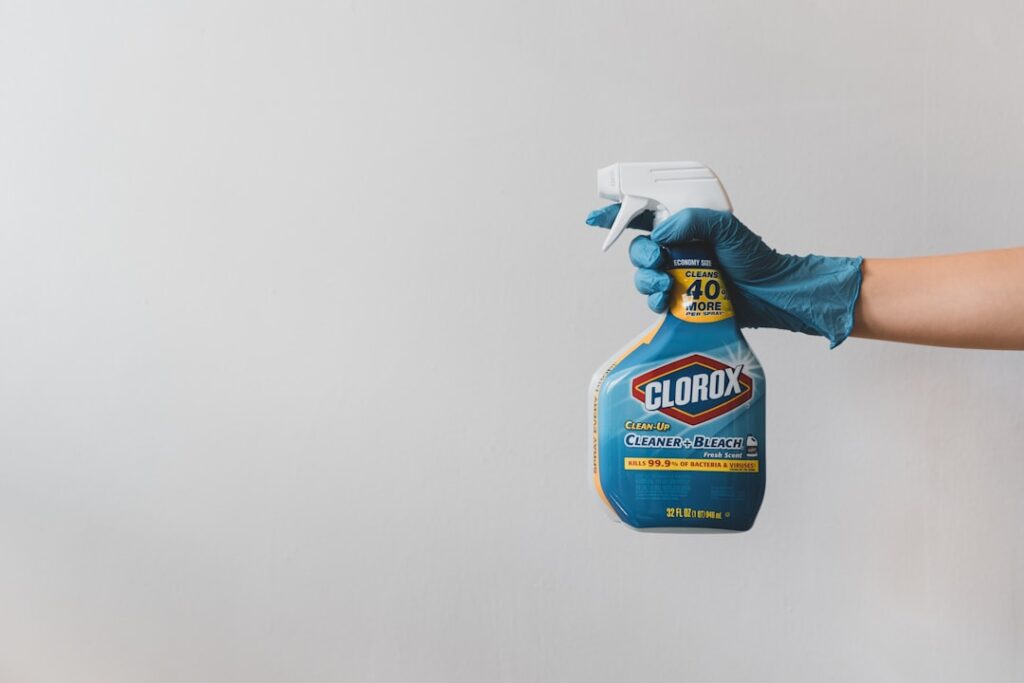
A product labeled as a kills mold spray promises a simple outcome: point, spray, and the mold dies. The promise holds on the right surface when the spray is used correctly, and it falls apart when either condition is missing. Understanding how these sprays actually destroy mold — and where they cannot reach — is the difference between a clean wall and a recurring chore. This guide summarizes EPA and CDC guidance current as of 2026 and is educational only; consult your physician about symptoms and a certified professional for large or hidden growth.
Part of our Mold Removal & Remediation guide — start there for the full picture →
Is this mold, asbestos, or water damage? Get a free instant screen
Upload a clear photo of the suspect area. You'll get an instant AI screening opinion and what to do next. This is screening guidance, not a professional determination.
Screening guidance only. AI can be wrong. Confirm asbestos, mold type, or lead with lab testing or a licensed professional before acting.
How a Kills Mold Spray Works
A spray that kills mold relies on a biocide — bleach, hydrogen peroxide, vinegar, or a quaternary ammonium compound — to break down the cells of the living colony. Surfactants in the formula help the liquid spread, cling, and lift staining so you can wipe it away. The killing happens during contact, not on impact.
That contact requirement is the single most misunderstood part. A disinfectant needs its dwell time — the minutes printed on the label — to penetrate and destroy the colony. Spraying and immediately wiping interrupts the process and leaves living mold behind. Many “it didn’t work” complaints trace back to skipping the dwell time.
The other limit is reach. A spray kills only what its liquid touches. On a hard, nonporous surface the liquid reaches the entire colony. On porous material, the visible growth is the tip of roots running deeper, and the spray never reaches them.
Where a Kills Mold Spray Succeeds
Nonporous surfaces are where these sprays earn their reputation. Glazed tile, glass, metal, sealed stone, hard plastic, and finished countertops do not let mold penetrate, so the colony sits on top and a spray plus scrubbing removes it completely.
Bathrooms, kitchens, and small spots on sealed surfaces are the natural use cases. For vertical surfaces like shower walls, a foaming or gel formula clings better than a thin spray that runs off before the dwell time finishes. Grout and caulk respond to bleaching sprays, though heavily stained caulk is often easier to cut out and replace than to restore.
On these surfaces, success is real and lasting — as long as the moisture that caused the growth is also addressed.
Where a Kills Mold Spray Fails
Porous materials defeat sprays. Drywall paper, ceiling tile, bare wood, carpet, and insulation absorb growth, and the roots thread below the surface where no spray follows. The EPA’s remediation guidance favors removing heavily colonized porous material rather than spraying it. A surface that looks clean after a spray can still hold a living colony underneath.
Scale is the other failure point. A widespread problem, soft or crumbling drywall, or a musty smell with no visible source signals growth inside the wall cavity. At that point a spray is the wrong tool, and removal with professional remediation and containment becomes the right one. Anything tied to sewage or flood water also moves past homeowner range.
Painting over growth is a related mistake. Even mold-resistant paint only hides a colony that keeps growing beneath the coat and eventually bleeds through.
Why Dwell Time Decides Everything
If one factor separates a spray that works from one that disappoints, it is dwell time. The biocide in the spray needs sustained contact with the colony to break down its cells, and that contact is measured in minutes, not seconds. The label states the figure, and respecting it is the difference between killing the mold and merely wetting it.
Several habits quietly defeat dwell time. Wiping immediately after spraying removes the product before it has worked. Spraying a thin liquid onto a vertical surface lets it run off long before the clock runs out. Applying in a hot, dry, breezy spot can let the liquid evaporate early. Each of these leaves living mold behind and creates the impression that the product is weak when the real problem is technique.
The fixes are simple. Choose a clinging foam or gel for vertical surfaces so the product stays in place. Apply enough to keep the area visibly wet for the full time. Resist the urge to wipe early. After the dwell time, scrub and then wipe residue away rather than letting it dry, since dead spores still trigger allergies. Treat the dwell time as a non-negotiable step and the same spray suddenly performs as advertised.
Reading the Label and Using It Safely
If a spray claims to kill mold, look for the EPA registration number on the label. That number indicates the antimicrobial claim was reviewed by the agency, separating a tested disinfectant from a cleaner that only lifts staining. Note the listed surfaces and the dwell time, and never mix the product with ammonia or acids, which releases toxic gas.
Most spray jobs are small. The EPA generally treats a hard-surface area under about ten square feet as a reasonable do-it-yourself scope; larger areas call for a professional. Ventilate the room, open a window, run a fan, and close the door so spores do not spread. Wear an N95 respirator, gloves, and unvented goggles, which the CDC recommends even for modest cleanups.
Mist the patch lightly, apply the spray, wait the full dwell time, scrub textured surfaces, and wipe residue away rather than letting it dry. Bag the rags and dry the surface completely with a fan. Homeowners unsure about scale can review the homeowner mold inspection and testing hub for the warning signs that change the plan.
Why the Spray Is Only Part of the Fix
A kills mold spray addresses the visible growth, never the moisture that produced it. The leak, the condensation, the chronically damp basement — that is the real cause, and a spray does nothing for it. Until the source is dried, the same patch returns within weeks.
Keep indoor humidity in the EPA’s suggested 30 to 50 percent range, and use a dehumidifier in Front Range basements that swing damp through the seasons. Run exhaust fans during and after showers, fix leaks promptly, and improve airflow in stagnant corners. For a broader comparison of formulas, a guide to which sprays kill mold and mildew on different surfaces details what each chemistry handles. The spray is a tool; moisture control is the strategy that keeps a surface clean.
When to Stop Spraying and Call a Professional
A kills mold spray is a small-job tool, and certain signs mean the job has outgrown it. Size is the clearest: once the affected area passes roughly ten square feet, the EPA’s guidance points toward professional help with proper containment so spores are not spread through the home. Soft or crumbling drywall is another, because the growth has penetrated the material rather than sitting on top.
A musty smell with no visible source usually means hidden growth inside a wall, floor, or ceiling cavity, beyond where any spray reaches. Growth that returns within weeks of each cleaning signals an unresolved moisture source that an inspection can locate. Mold after flooding or a sewage backup, or mold in HVAC ductwork, also belongs to a professional. And for anyone with asthma, allergies, or a weakened immune system, repeated spraying is riskier than letting a professional remove the growth. Spraying within these limits is reasonable; recognizing the limits is part of doing it safely.
Preventing Regrowth After the Spray
The lasting value of a kills mold spray depends entirely on what happens after the surface is clean. A killed colony stays gone only if the moisture that fed it is gone too, so prevention is where the real work lies. Mold needs damp surfaces, and removing that dampness is the single most effective long-term step.
Keep indoor humidity in the EPA’s suggested 30 to 50 percent range, using a dehumidifier in damp basements and a hygrometer to monitor the level. Run bathroom and kitchen exhaust fans during and after use to clear steam before it condenses. Fix plumbing and roof leaks promptly, since a slow drip behind a wall can feed a colony for months unseen. Improve airflow in closets, corners, and behind furniture set against exterior walls, where stagnant air traps humidity. Squeegee shower walls and wipe winter window condensation. These habits cost little and do far more to keep a surface clear than any spray, because they address the cause the spray cannot reach.
How a Colony Forms in the First Place
A kills mold spray makes more sense once you understand how a colony forms. Mold is a fungus that reproduces through microscopic spores, present in nearly every indoor and outdoor environment. Spores drift on air currents and settle on surfaces continually, invisible to the eye. Settled spores are harmless until they meet the conditions that let them grow.
Those conditions are moisture, a food source, and time. Food is almost always present, since drywall paper, wood, dust, fabric, and soap film all feed growth. Time is constant. Moisture is the condition a homeowner can control, which is why a spray addresses the visible colony but never the spores elsewhere or the water that allowed this one to form.
This is why the same spot needs spraying again and again. New spores settle within days, and a damp surface lets them rebuild a colony. A kills mold spray is best understood as a maintenance step, with drying the source being the action that actually keeps new growth from taking hold.
Storing and Disposing of the Spray Safely
Safe use of a kills mold spray continues after the surface is clean. Keep the product in its original, labeled container so contents and warnings stay clear, and store it out of reach of children and pets. The original label also keeps the all-important dwell-time guidance at hand for next time.
Store the spray away from ammonia cleaners and acids if it is bleach-based, so a dangerous mix cannot occur, keep it cool and dry to protect the formula, and respect expiration dates, since active ingredients can weaken. For disposal, follow the label and local guidance; rinsed containers of common sprays usually follow ordinary recycling or trash rules.
Cloths, brush heads, and any porous debris removed during cleaning should be sealed in plastic bags before disposal so spores are not released as the trash is handled. Treating storage and disposal as part of the job keeps the spores you killed and removed from spreading on their way out of the home.
References
- Mold Cleanup in Your Home — U.S. Environmental Protection Agency
- About Mold and Your Health — Centers for Disease Control and Prevention
- A Brief Guide to Mold, Moisture and Your Home — U.S. Environmental Protection Agency
Frequently asked questions
How long should a kills mold spray sit before wiping?
Follow the dwell time printed on the label, which is often several minutes. The spray kills during contact, so wiping immediately leaves living mold behind. Contact time is the most common reason a spray seems not to work.
Does a kills mold spray work on drywall?
It cleans the surface but cannot reach growth rooted in the paper face of drywall. Once mold penetrates porous material, the EPA generally recommends removal and replacement rather than spraying.
What does the EPA registration number on a spray mean?
It indicates the product's antimicrobial kill claim was reviewed by the agency. A spray without that number may lift staining but is not a tested disinfectant for mold.
Why does mold return after I use a kills mold spray?
Because the moisture feeding it is still there. The spray treats the visible growth; until you fix the leak, condensation, or humidity, a new colony forms within weeks.
Front Range homeowners who keep spraying the same spot may be missing a hidden moisture source — get in touch with a vetted local inspector here to find what the spray cannot reach.
Mold removal & cleanup picks
For a small, contained patch (under ~10 sq ft) these EPA-friendly removers handle surface mold. Larger or recurring growth warrants a professional assessment first.
| Product | Why | Buy |
|---|---|---|
 RMR-86 Instant Mold Stain Remover RMR-86 Instant Mold Stain Remover | Fast-acting on stains; ventilate and wear PPE. | Amazon — $29.99 |
 Concrobium Mold Control Concrobium Mold Control | No-bleach formula that also helps prevent regrowth. | Amazon — $34.27 |
 Mold Armor Mold & Mildew Remover Mold Armor Mold & Mildew Remover | Widely stocked bathroom/surface remover. | Amazon — $22.98 |