House With Black Mold: A Buyer and Seller Decision Guide
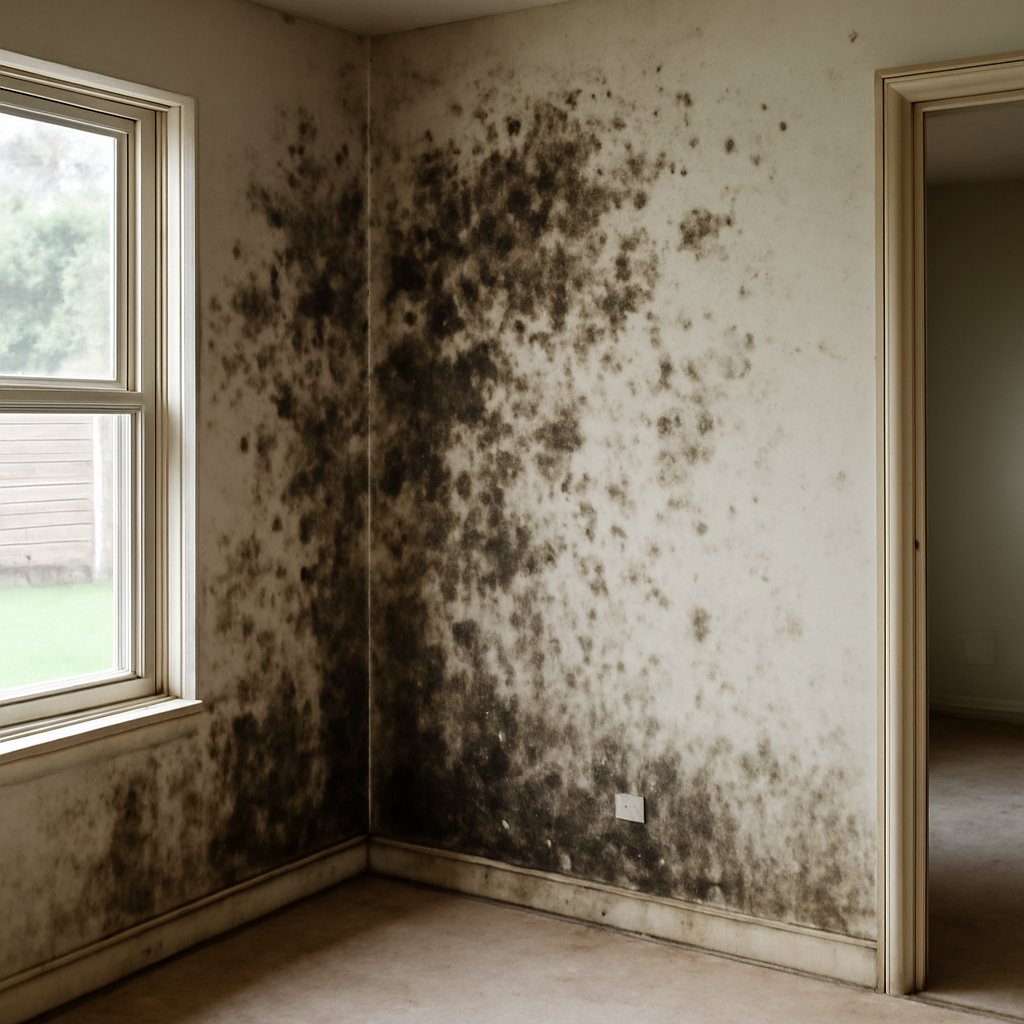
A house with black mold is not automatically a deal-breaker, and it is not automatically safe either. The framing depends on three things: where the mold is, what caused it, and whether the cause is fixed or ongoing. This guide paraphrases EPA, CDC, and NIEHS guidance on residential mold for homeowners and is not medical advice. Anyone with personal symptoms they believe are related to mold should consult a physician for evaluation. The focus below is on the property: disclosure obligations, what to look for during inspection, and the walk-vs-negotiate-vs-remediate decision.
Is this mold, asbestos, or water damage? Get a free instant screen
Upload a clear photo of the suspect area. You'll get an instant AI screening opinion and what to do next. This is screening guidance, not a professional determination.
Screening guidance only. AI can be wrong. Confirm asbestos, mold type, or lead with lab testing or a licensed professional before acting.
What to do about a house with black mold during a transaction
The short framework: identify the moisture source, scope the affected area, get a remediation estimate, and use that information to either price the remediation into the deal, demand it be done before close, or walk away. Walking away is the right answer when the affected area is large, the cause is unfixable without major structural work, or the seller refuses both disclosure and inspection access.
Buyers tend to fall into two failure modes. The first is panic — assuming any visible mold means the house is uninhabitable. The second is dismissal — assuming bleach will solve it. Neither matches what professional inspectors and remediators actually find on properties.
Disclosure obligations and what sellers must say
Most states have a property condition disclosure form that asks specifically about prior or current mold issues, water intrusion, and remediation work. Colorado’s Seller’s Property Disclosure form includes these items. A seller who has been notified of mold in the home must disclose it; failure to do so is grounds for post-close legal action in many jurisdictions.
Practical implications:
- A seller who says “I never had it tested so I do not know” is sometimes legally accurate but usually unhelpful
- A seller who has remediated should provide invoices and any clearance documentation — that paperwork is part of the disclosure record
- A seller who refuses to acknowledge visible staining when it is plainly there is a red flag for the rest of the transaction
What a NACHI or ASHI mold inspection actually covers
Standard ASHI and InterNACHI home inspections are visual and non-invasive. They will note evidence of past or present moisture, document visible mold-like substances, and recommend further evaluation if conditions warrant. They typically will not sample, will not give a species identification, and will not deliver remediation scope.
For that, a specialty mold inspection from a NACHI-certified mold assessor (or equivalent state-licensed assessor) is what most transactions need when there is visible growth. That deeper inspection includes moisture mapping, visual scoping of wall cavities with borescopes, air sampling, and surface sampling. The result is a written assessment with affected area, suspected cause, and recommended scope.
For the broader inspection picture, see our mold inspection and testing hub, and for what professional documentation looks like, the cluster guide on black mold in air sampling covers the air side of the assessment.
Where black mold typically appears in a home
Basement perimeters and below-grade walls
Front Range basements with hydrostatic pressure issues, missing exterior waterproofing, or interior framing tight against concrete are the most common location for finding active growth. Look behind insulation rather than just at finished surfaces.
Bathroom subfloors and tub surrounds
Old caulk lines and failing grout let water past the surface into the subfloor. Mold here is common, often hidden, and usually small enough in area that DIY remediation is feasible if the moisture source is fixed.
Attic sheathing under bathroom vents
Bath fans terminated in the attic instead of through the roof create a perfect mold environment on the underside of OSB sheathing. This is one of the most common findings on Front Range home inspections.
HVAC system surfaces
Coil pans, plenum interiors, and flex duct can harbor mold when condensation lines clog or insulation gets wet. This is among the most expensive to address because it affects every room the system serves.
The walk-negotiate-remediate decision
When to walk
- Active water intrusion that cannot be fixed without structural work the seller will not perform
- Mold throughout HVAC plus seller unwilling to fund full system decontamination
- Seller refuses inspection access or further evaluation
- Total estimated remediation exceeds your contingency reserve and the seller will not credit
When to negotiate
- Localized growth with a clearly fixable moisture source
- Estimate is reasonable relative to the property value
- Seller is responsive and provides documentation
When to remediate after close
- You want the work done your way with contractors you choose
- Seller credits the estimated amount in lieu of doing the work
- The area is small enough that scope is unlikely to expand once walls open
Estimating remediation cost
Industry estimates from remediation trade sources put small jobs (under 10 square feet, single material, surface or shallow penetration) at roughly $500–$2,000. Mid-sized basement projects with containment and material replacement commonly run $2,000–$8,000. HVAC contamination and crawlspace work can push five-figure totals. None of these numbers replace a written estimate from a licensed contractor on the actual property.
Living in a house with known black mold while remediation is planned
The CDC and EPA both recommend that vulnerable occupants — infants, elderly residents, anyone with asthma or immune compromise — avoid extended exposure to actively colonized spaces. For symptom concerns, this is a physician question, not a property-inspector question. Practical homeowner steps: isolate the affected room with closed doors and plastic sheeting if appropriate, run a HEPA air scrubber if possible, and keep HVAC supply registers in the affected room closed and sealed.
Insurance considerations
Most homeowners policies cover sudden, accidental water damage that leads to mold but exclude mold from long-term seepage or pre-existing conditions. A pre-purchase mold finding is by definition pre-existing for the buyer’s policy, so most insurers will not cover remediation of mold disclosed before purchase. This is part of why pricing the remediation into the offer is usually the cleanest path. Compare with related coverage patterns at risk of black mold.
Documentation to ask for and keep
- Seller’s disclosure with mold and water sections completed
- Any prior remediation invoices, scope of work, and clearance documents
- Air or surface lab reports if sampling has been done
- Photographs of the affected areas before and after any remediation
- Plumbing repair records tied to the moisture source
When to bring in additional professionals
Beyond the home inspector, a NACHI-certified mold assessor or IICRC-credentialed remediator should be on the call list before signing. For complex deals, a real estate attorney can review the disclosure documentation and craft contingency language that protects the buyer if scope expands once walls are opened.
Pre-offer inspection strategy when mold is suspected
Buyers who suspect mold before making an offer have several practical options. A pre-offer informational inspection — typically $300–$500 — gives the buyer a scoping read on the property before committing to a contract. The inspector cannot enter without seller permission, but a walk-through of accessible areas often surfaces enough information to inform the offer terms.
Some buyers structure the offer with an extended inspection contingency specifically for environmental issues. A 10-business-day environmental contingency gives time for assessor scoping and remediation estimates without burning the standard inspection period.
Mold-specific contingency clauses
Standard real estate contracts in most states have a general inspection contingency but no specific mold clause. Buyers and their agents can add language that:
- Allows mold assessment by a licensed assessor as part of the inspection
- Specifies remediation must be completed before closing with documented clearance
- Permits buyer to terminate with full earnest money return if scope exceeds a specified dollar threshold
- Requires seller to provide all historical remediation documentation
This language varies by state and brokerage. A real estate attorney is the right person to draft it for a deal where mold is a known factor.
Seller perspective: pre-listing mold remediation
Sellers with known mold issues face a choice between remediating before listing or pricing the property to reflect the issue and disclosing accordingly. The decision depends on:
- Market conditions and time pressure
- Cash available for remediation upfront
- Complexity of the remediation work
- Local buyer pool’s appetite for projects vs move-in-ready
Pre-listing remediation usually yields a better net sale price in normal markets because move-in-ready inventory commands a premium. In hot markets with limited inventory, as-is sales with remediation credits can work fine. The companion guide on why mold affects marketability covers the marketability dimension.
Lender considerations
Some loan programs flag mold findings during the appraisal process. FHA and VA appraisers, in particular, can require remediation before loan approval. Conventional appraisers may flag visible mold but generally do not require remediation as a condition of approval.
For buyers using FHA or VA financing, identifying mold during the inspection contingency window is critical because the lender may add their own remediation requirement on top of the buyer’s negotiation. A surprise lender condition after the inspection period closes can derail the deal.
How a NACHI mold inspection differs from a regular home inspection
Standard home inspection scope:
- Visual inspection of accessible systems
- Notation of visible mold-like substances with recommendation for further evaluation
- No sampling, no species identification, no remediation scope
NACHI mold inspection scope:
- Moisture mapping with meters and infrared
- Borescope inspection of suspect wall cavities
- Air sampling (typically two outdoor controls and three to five indoor samples)
- Surface sampling for species identification
- Written report with affected area, suspected cause, and recommended remediation scope
The deeper inspection runs $400–$900 for a typical residential property and is often money well spent on properties where the standard home inspection has flagged concerns. See our pillar at mold inspection and testing for the methodology side.
Front Range-specific considerations
Colorado’s climate makes some mold scenarios more common than national averages and others less so:
- Basement mold is common due to hydrostatic pressure on poorly drained foundations
- Attic mold from improperly terminated bath fans is widespread in homes built before 2000
- Bathroom mold is less aggressive than in coastal climates due to lower outdoor humidity
- Crawlspace mold is common in older homes with vented crawls; encapsulation has become standard practice in new construction
- Ice-dam-related mold in upper floors and ceilings appears after harsh winters
Local home inspectors familiar with these patterns will scope inspections differently from generalists who handle nationwide properties.
References
- EPA mold cleanup guidance — U.S. Environmental Protection Agency
- CDC mold cleanup after disasters and water damage — Centers for Disease Control and Prevention
- InterNACHI mold inspection scope — International Association of Certified Home Inspectors
- ASHI Standards of Practice — American Society of Home Inspectors
Buyers and sellers on the Front Range navigating a house with mold can reach a vetted inspector through our contact page for a pre-offer or pre-listing scoping conversation.