Home Inspection in Englewood, CO | InspectandTest
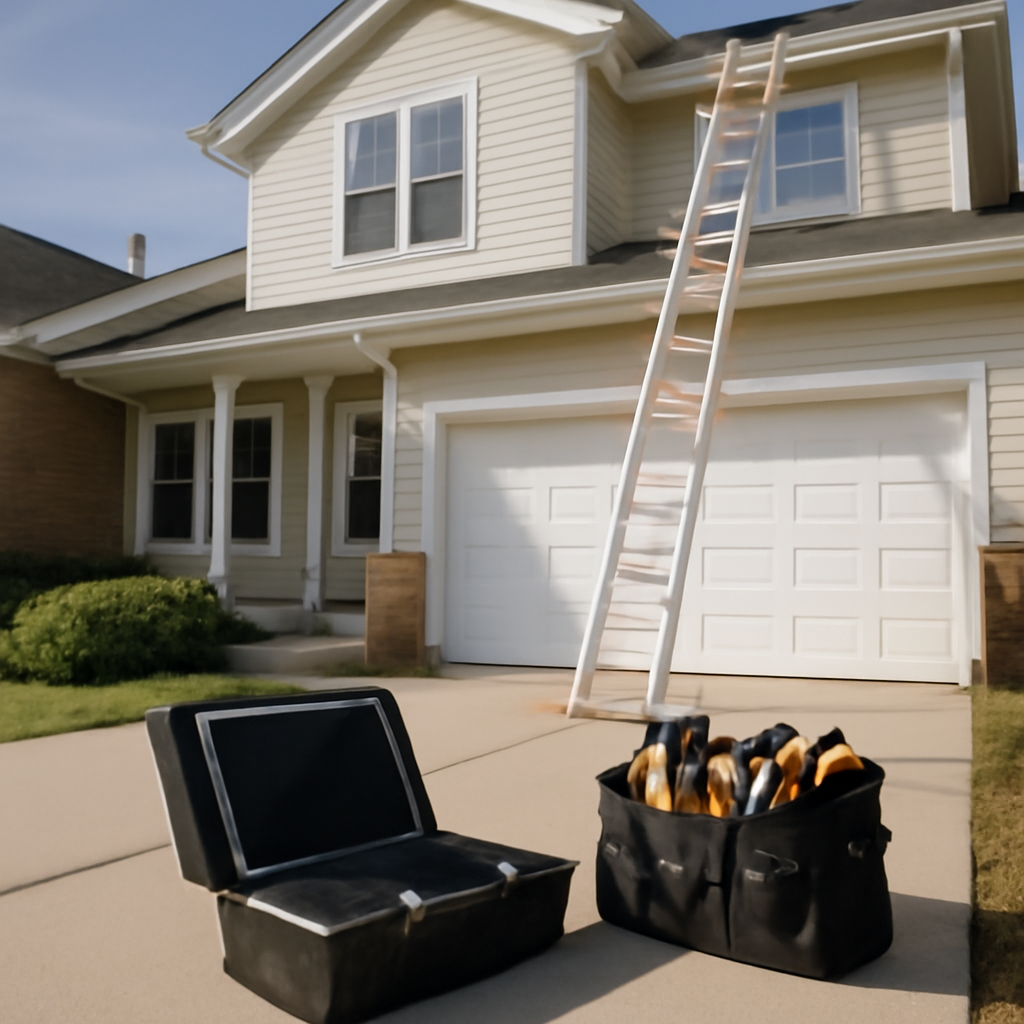
Englewood is a fully built-out inner-ring suburb just south of Denver, hugging the South Platte River in Arapahoe County. Its housing is among the oldest in the metro, dominated by 1940s-to-1960s post-war ranches and bungalows on mature, tree-lined lots. That age is exactly what makes a thorough home inspection essential here: aging clay sewer lines, original electrical systems, and pre-1978 building materials are common, and they rarely announce themselves on a walk-through. This page explains what a home inspection englewood buyers should expect, why the local housing stock demands close attention, and what an inspection costs.
Part of our Home Inspections Explained guide — start there for the full picture →
Home inspection in Englewood: what to know
A home inspection is a visual, non-invasive evaluation of a property’s major systems and components, performed by a trained inspector who reports on condition and flags items that need repair, monitoring, or further evaluation. It is not a pass-or-fail test and not an appraisal; it is a snapshot of the home’s current condition meant to inform a buyer’s decision.
In Englewood, the inspection carries extra weight because the homes are old. A typical inspection covers the roof, structure, foundation, electrical, plumbing, heating and cooling, insulation, ventilation, and the visible interior and exterior. For the full vetting framework and what national standards require, our guide to hiring a home inspector on the Front Range walks through the process. For the wider county picture, see our home inspection in Arapahoe County overview, and a focused pre-offer evaluation is covered in our Englewood pre-purchase inspection guide.
Why age changes the calculus is worth understanding. A 1955 Englewood ranch may have been beautifully maintained and still carry a 70-year-old sewer lateral, a panel that has been added to repeatedly over the decades, and original galvanized supply lines nearing the end of their service life. None of these are visible from the curb, and a fresh coat of paint can mask the very issues that matter most. The inspection exists to surface exactly the conditions that the home’s age makes likely but that a cosmetic update can hide.
Why Englewood homes need a careful inspection
Housing era is the driver. Englewood’s Old Englewood, Northwest Englewood, and Englewood Knolls neighborhoods are full of mid-century ranches and bungalows, and homes of that vintage commonly have outdated electrical, aging plumbing, and original or minimally upgraded systems. Many have been remodeled over the decades, and the quality of that work varies enormously, so an inspector spends time distinguishing solid updates from quick cosmetic fixes layered over old problems.
Infrastructure age compounds it. Englewood’s mature neighborhoods sit on aging clay sewer lines, and decades of root intrusion from those tree-lined streets make sewer-lateral problems a recurring local issue. A sewer scope, often added to the inspection, can reveal cracks, offsets, or root masses before they become a four-figure emergency. The South Platte River corridor that runs through the city also adds a moisture dimension, with high water tables and occasional drainage issues in low-lying areas that an inspector watches for in basements and crawlspaces.
The mid-century materials raise specific flags. Homes from Englewood’s dominant era frequently contain pre-1978 lead paint and asbestos-containing materials such as popcorn ceilings, vinyl floor tile, and original duct insulation. An inspector cannot test for these by sight, but a good one notes their likely presence and recommends specialized testing so buyers understand the renovation implications before they start tearing into an old ranch. The same age that gives these homes their character is what makes a careful, systems-level inspection non-negotiable.
Roofs and exteriors carry their own age story in Englewood. Many mid-century homes have been re-roofed once or more over their lives, sometimes with layers stacked over old material, and Colorado’s intense sun, wind, and periodic hail accelerate wear on roof coverings. An inspector evaluates the roof’s remaining service life, the flashing at penetrations, and the gutters and grading that carry water away from a foundation, because poor drainage is a leading cause of the basement moisture that plagues older homes near the South Platte. The mature trees that shade these streets also drop debris into gutters and send roots toward foundations and sewer lines, so the exterior evaluation ties directly back to the moisture and sewer concerns inside.
What an Englewood home inspection covers
A standard inspection follows a recognized standards of practice and walks the whole house from roof to foundation. The inspector evaluates the roof covering and flashing, the structure and foundation, grading and drainage, the electrical service and panel, the plumbing supply and drainage, the heating and cooling equipment, and the condition of the interior including windows, doors, and finishes.
Systems most likely to show age
In an Englewood home, the inspector pays particular attention to the electrical panel and wiring, since mid-century homes often have undersized service, outdated panels, or a patchwork of additions. Plumbing gets similar scrutiny, with galvanized supply lines and aging drain systems common in this vintage. The furnace and water heater are checked for age and safe operation, and the inspector looks for signs of past moisture in the basement, a real concern this close to the South Platte.
What an inspection does not include
A standard inspection is visual and does not include destructive investigation, lead or asbestos lab testing, radon measurement, or a sewer scope unless those are added. Given Englewood’s age and Arapahoe County’s Zone 1 radon status, buyers commonly add radon testing, a sewer scope, and sometimes lead or asbestos assessment to the base inspection so the picture is complete before closing.
Home inspection cost in Englewood
A standard single-family home inspection in the Englewood market typically runs about $350 to $550, depending on the home’s size, age, and complexity. Older and larger homes sit at the higher end because they take longer to inspect thoroughly. Add-on services common to Englewood’s older stock, such as a sewer scope ($150 to $250), radon testing ($135 to $250), and lead or asbestos assessment, are usually priced separately.
For a 1950s Englewood ranch, the combined cost of a thorough inspection plus a sewer scope and radon test is money well spent against the repair exposure these homes can carry. A single undiscovered sewer-line failure or an aging electrical system flagged before closing can save or renegotiate far more than the inspection costs.
Weigh the fee against the leverage it provides. An inspection that documents a failing sewer lateral or an unsafe panel gives a buyer a concrete basis to negotiate a credit or a repair, turning a few hundred dollars into thousands of dollars of protection. Skipping the inspection on an old Englewood home to win a bid means inheriting every hidden condition the age makes likely, with no recourse after closing.
The value also lies in what the inspection lets a buyer plan for. Even when a finding is not severe enough to renegotiate, knowing that a 30-year-old furnace is near the end of its life, that a panel will need upgrading before adding circuits, or that a roof has a few seasons left lets a new owner budget realistically instead of being surprised by a cluster of failures in the first year. For an Englewood ranch where multiple original systems may be aging in parallel, that forward-looking maintenance roadmap is one of the most useful things a thorough inspection delivers, well beyond the immediate negotiation.
Englewood regulations and disclosure
Colorado requires sellers to complete a Seller’s Property Disclosure form reporting known material defects, including roof, structural, plumbing, electrical, and moisture issues, as well as known radon and any environmental hazards. The disclosure reflects what the seller knows, not an independent evaluation, which is why a buyer’s own inspection remains essential even when a disclosure looks clean.
Colorado does not license home inspectors, so the credential to look for is membership in a recognized national association such as InterNACHI or ASHI, which sets standards of practice and a code of ethics. For an older Englewood home, also confirm the inspector is comfortable flagging the age-related issues, lead and asbestos likelihood, aging sewer lines, and mid-century electrical, that define this market. Englewood’s own building and permitting requirements apply to any post-purchase renovation, so buyers planning to update an old ranch should factor permitting into their plans.
Neighborhoods and areas served
Inspection demand follows the housing across Englewood: the mid-century ranches and bungalows of Old Englewood and the Broadway corridor, the post-war homes of Northwest Englewood, and the ranches of Englewood Knolls all benefit from age-aware inspection. Newer infill scattered through the city is more straightforward, but the city’s defining stock is its mid-century housing near Swedish Medical Center and the redeveloped CityCenter.
Service typically extends to adjacent Arapahoe and south-metro communities, including Littleton, Sheridan, Cherry Hills Village, and bordering Denver neighborhoods, which share Englewood’s older-housing profile. A buyer weighing a 1950s Englewood ranch against a similar-vintage home in neighboring Littleton faces the same age-driven inspection priorities, so a thorough systems-level inspection is the standard across this older south-metro band rather than a neighborhood-specific concern.
How to choose an Englewood home inspection provider
Look for an inspector who belongs to InterNACHI or ASHI, carries errors-and-omissions coverage, and provides a clear written report with photos. Ask whether they routinely inspect mid-century homes and how they handle the lead, asbestos, sewer, and radon questions that older Englewood properties raise, since an inspector fluent in this vintage adds far more value than a generalist.
Ask to see a sample report before booking. A strong report distinguishes safety issues from maintenance items, explains the significance of each finding in plain language, and recommends specialized follow-up where the visual inspection reaches its limits. For an Englewood home, that means flagging likely pre-1978 materials and recommending a sewer scope rather than glossing over the very issues the age makes probable.
Confirm the inspector lets you attend the inspection and will walk you through the home afterward. For a buyer new to mid-century housing, that walkthrough is where the report comes alive, turning a list of findings into a practical understanding of what to fix now, what to budget for, and what to monitor. That kind of hands-on guidance is the mark of an inspector worth hiring for an older Englewood purchase.
References
- Standards of Practice for home inspection — International Association of Certified Home Inspectors
- Home inspection standards and ethics — American Society of Home Inspectors
- Lead-based paint in pre-1978 housing — U.S. Environmental Protection Agency
Frequently asked questions
What do Englewood home inspections focus on?
Given the 1940s-1960s housing stock, inspectors focus on electrical panels and wiring, aging plumbing, the furnace and water heater, basement moisture near the South Platte, and likely pre-1978 lead and asbestos materials, alongside the standard roof-to-foundation review.
How much does a home inspection cost in Englewood?
A standard single-family inspection typically runs $350 to $550 depending on size and age. Add-ons common to Englewood's older homes, such as a sewer scope and radon test, are usually priced separately.
Should I add a sewer scope in Englewood?
Often yes. Englewood's mature neighborhoods have aging clay sewer lines with root intrusion from established trees, so a sewer scope can reveal cracks or offsets before they become an expensive emergency.
Does Colorado license home inspectors?
No. Colorado does not license home inspectors, so look for membership in a recognized national association like InterNACHI or ASHI, plus experience with mid-century homes and the lead, asbestos, sewer, and radon issues common in Englewood.
What does a seller in Englewood have to disclose?
Colorado sellers must complete a Seller's Property Disclosure reporting known material defects, including roof, structural, plumbing, electrical, moisture, and radon issues. It reflects what the seller knows, so a buyer's own inspection is still essential.
Englewood’s mid-century homes reward a careful, age-aware inspection that surfaces the aging systems and pre-1978 materials a walk-through hides. To connect with a vetted local inspector before your closing deadline, get in touch through our contact page.