Thermal Imaging Inspection Englewood, CO
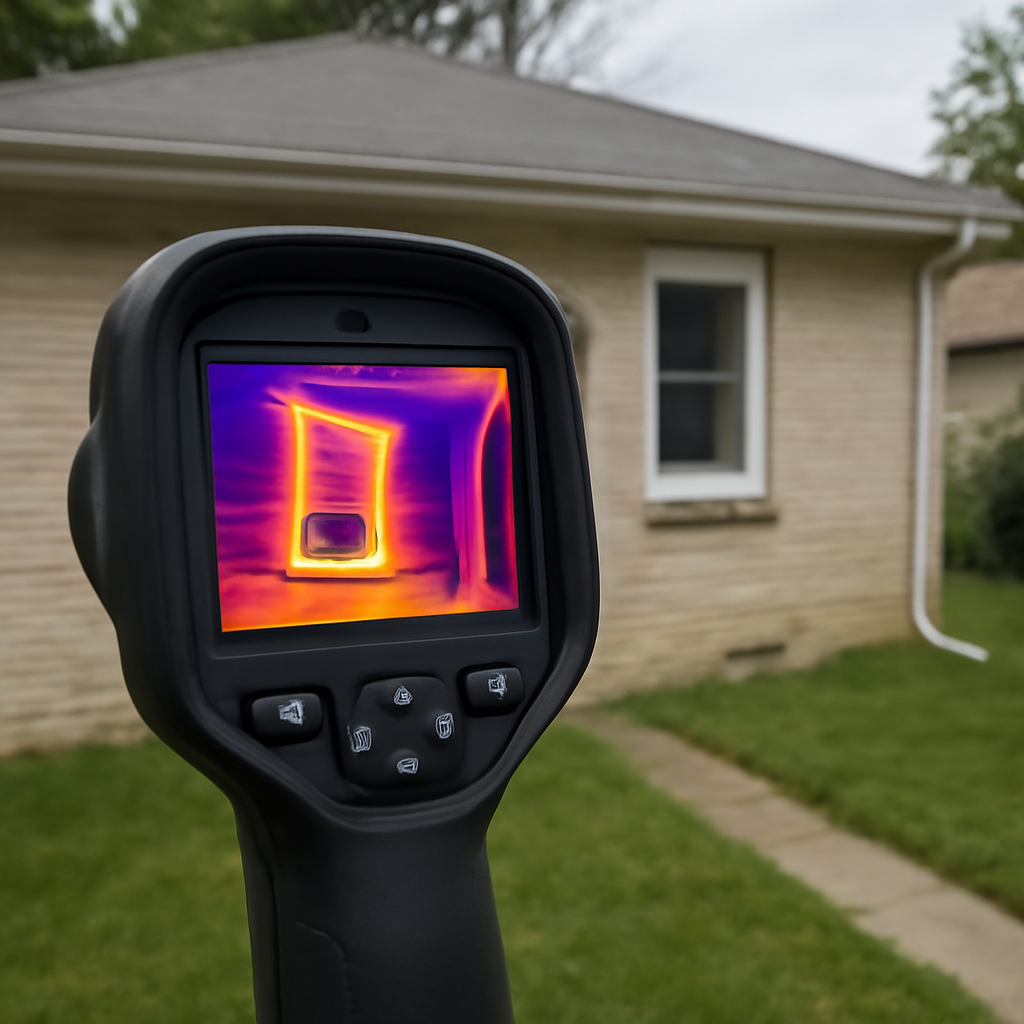
Thermal imaging uses an infrared camera to read surface temperatures a home inspector cannot see with the naked eye, revealing hidden moisture, missing or settled insulation, air leaks, and overheating electrical components. In Englewood, an old inner-ring Arapahoe County suburb along the South Platte River, that capability is especially useful. The city’s 1940s-to-1960s ranches and bungalows hide decades of moisture history, patchwork insulation, and aging electrical behind their walls, and infrared is one of the few tools that can flag those problems without opening anything up. This page explains what a thermal imaging inspection englewood homeowners should expect, why the local housing makes it valuable, and what it covers.
Part of our Thermal Imaging for Homes guide — start there for the full picture →
Thermal imaging inspection in Englewood: what to know
A thermal imaging inspection is a non-invasive scan that detects temperature differences across building surfaces. Wet materials, gaps in insulation, drafts, and electrical connections under load all show up as anomalies in the thermal pattern. The camera does not see through walls; it reads the surface temperatures those hidden conditions create, which a trained inspector then interprets in context.
In Englewood, infrared adds a layer of insight that a standard visual inspection cannot reach. It is usually performed as part of, or alongside, a full home inspection, scanning ceilings, walls, floors, around windows and doors, and at the electrical panel. For the broader inspection framework, our guide to hiring a home inspector on the Front Range explains what to expect, our thermal imaging inspection in Arapahoe County guide covers the wider area, and our Englewood home inspection guide covers the systems a full inspection reviews.
Why infrared earns its place on an old home is worth understanding. A 1955 Englewood ranch can have a slow plumbing leak inside a wall, a section of insulation that settled out of an exterior wall cavity decades ago, or a loose electrical connection quietly overheating in the panel, none of which a visual inspection can detect. Thermal imaging surfaces these as temperature anomalies, giving the inspector a reason to investigate further before a hidden problem becomes water damage, an energy drain, or a fire risk.
Why Englewood homes benefit from thermal imaging
Moisture is the first driver. Englewood sits along the South Platte River corridor, where high water tables and drainage issues can push moisture into basements and crawlspaces, and the city’s mature homes have had decades for small leaks to develop behind finishes. Infrared excels at spotting the cool, evaporative signature of damp drywall, ceiling stains forming from a slow roof or plumbing leak, and water intrusion at foundation walls, often before there is a visible stain.
Insulation and energy loss are the second. Mid-century Englewood ranches and bungalows in Old Englewood, Northwest Englewood, and Englewood Knolls were built to the standards of their era and often have thin, settled, or missing insulation by today’s expectations. Through Colorado’s cold, sealed winters, a thermal scan can map exactly where conditioned air is escaping, missing wall insulation, gaps around windows and doors, and attic bypasses, turning vague drafts into a specific, fixable list. The U.S. Department of Energy notes that infrared surveys are an effective way to locate this kind of hidden heat loss.
Electrical safety is the third, and it matters in homes this old. Mid-century Englewood homes frequently have electrical panels that have been added to repeatedly over the decades, sometimes beyond their safe capacity. Under load, a loose connection or an overloaded circuit runs hot, and a thermal camera can detect that heat at the panel or at a receptacle before it becomes a hazard. For a buyer or owner of an aging Englewood home, that early warning is exactly the kind of hidden risk infrared is built to catch.
Pest and structural clues round out the picture. Infrared sometimes reveals the thermal signature of conditions a visual inspection would miss entirely, a missing or bypassed section of ductwork dumping conditioned air into a wall cavity, a radiant-floor or baseboard heat run that has failed, or moisture trails that hint at a hidden plumbing problem behind a finished basement wall. In an Englewood ranch that has been remodeled in stages over decades, with additions and finished basements layered onto the original structure, the camera helps an inspector understand how the home actually behaves thermally rather than how its finishes suggest it should, which is often where the surprises in an old home hide.
What an Englewood thermal imaging inspection covers
A thermal scan systematically covers the home’s thermal envelope and key systems. The inspector scans ceilings and walls for moisture and insulation gaps, areas around windows and doors for air leaks, floors for radiant or plumbing anomalies, and the electrical panel and accessible circuits for hot spots, interpreting each anomaly against the home’s construction and conditions.
Moisture and leak detection
Because evaporating water cools a surface, the camera can reveal damp areas behind drywall, under flooring, or at a ceiling, signs of a roof leak, a plumbing failure, or foundation seepage. In an Englewood home near the South Platte, scanning the basement and lower-level walls is often the highest-value part of the inspection, catching moisture that has not yet stained or warped the finish.
Insulation, air leaks, and electrical hot spots
The scan maps where insulation is missing or has settled, and where air is leaking around the building envelope, the energy issues most common in mid-century homes. At the panel and at receptacles under load, the camera flags overheating connections that signal an electrical problem. Thermal imaging is a screening tool: an anomaly tells the inspector where to look more closely, with confirmation by moisture meter, visual access, or a licensed electrician as appropriate.
Thermal imaging inspection cost in Englewood
When added to a full home inspection, thermal imaging in the Englewood market typically adds about $100 to $200 to the base fee, depending on the home’s size and the depth of scanning requested. A standalone thermal scan, ordered to investigate a specific concern such as a suspected hidden leak or chronic cold room, generally runs about $200 to $400.
For an older Englewood home, bundling infrared into the inspection is usually the most efficient choice, since the inspector is already walking the property and can scan as they go. The marginal cost is small against the value of catching a hidden leak or an overheating panel before it causes damage.
Weigh the add-on against what it can find. A thermal scan that catches a slow in-wall leak near the South Platte before it rots framing, or an overheating panel connection before it fails, can prevent repairs that dwarf the cost of the scan. On a mid-century Englewood home with decades of hidden history, infrared often pays for itself in a single significant finding.
There is an energy-savings argument too. The insulation gaps and air leaks a thermal scan maps are not just comfort issues; they translate directly into higher heating bills through Englewood’s long winters. A homeowner who acts on a scan’s findings, air-sealing the leaks and topping up the thin attic and wall insulation common in mid-century homes, often recovers the cost of the scan in reduced energy use over a few seasons, on top of the comfort gain of eliminating cold rooms and drafts. For an owner planning to stay in an older Englewood home, that makes the scan as much an efficiency tool as a diagnostic one.
Englewood regulations and disclosure
Thermal imaging is a diagnostic tool rather than a separately regulated service, and Colorado does not license home inspectors. The credential that matters is the inspector’s training in infrared interpretation, since a thermal image is only as useful as the person reading it. An untrained operator can mistake a normal thermal pattern for a defect, or miss a real one, which is why thermal certification and experience are worth confirming.
Colorado’s Seller’s Property Disclosure asks sellers to report known moisture, roof, plumbing, and electrical issues, and a thermal scan can surface conditions a seller may not have disclosed because they were never visible. For a buyer, that makes infrared a useful check against an incomplete disclosure on an older Englewood home. Any electrical anomaly the scan flags should be confirmed and corrected by a licensed Colorado electrician, and any moisture finding may warrant follow-up testing for hidden mold given the home’s age and the South Platte moisture exposure.
Neighborhoods and areas served
Thermal imaging adds value across Englewood’s older housing: the mid-century ranches and bungalows of Old Englewood and the Broadway corridor, the post-war homes of Northwest Englewood, and the ranches of Englewood Knolls all hide the moisture, insulation, and electrical issues infrared is built to find. Homes near the South Platte corridor and the redeveloped CityCenter benefit particularly from moisture-focused scanning.
Service typically extends to adjacent Arapahoe and south-metro communities, including Littleton, Sheridan, Cherry Hills Village, and bordering Denver neighborhoods, which share Englewood’s older-housing profile. A buyer scanning a 1950s Englewood ranch faces the same hidden-condition questions as one buying a similar-vintage home in neighboring Littleton, so a thermal scan is a sensible companion to a full inspection across this older south-metro band.
How to choose an Englewood thermal imaging provider
Look for an inspector with documented infrared training and a quality thermal camera, ideally one who performs thermal imaging routinely rather than as an occasional extra. Ask how they interpret anomalies and whether they confirm findings with a moisture meter and visual access, since a responsible operator treats the thermal image as a starting point rather than a verdict.
Ask whether the scan will be performed under conditions that make anomalies visible. Infrared works best when there is a temperature difference between inside and outside, which Colorado’s climate usually provides, but a good inspector schedules and documents conditions so the results are meaningful. They should also explain each finding in plain language and recommend appropriate follow-up, an electrician for a hot panel, a moisture specialist for a damp wall, rather than overstating what the camera proves.
Confirm the provider includes thermal images in the written report and will walk you through them. For an owner or buyer of an older Englewood home, seeing the actual thermal anomaly alongside the explanation turns an abstract finding into an actionable item: where the moisture is, where the insulation gap sits, which circuit runs hot. That clarity is the mark of a thermal imaging provider worth hiring.
References
- ENERGY STAR: Seal and Insulate — U.S. Environmental Protection Agency (ENERGY STAR)
- Standards of Practice for home inspection — International Association of Certified Home Inspectors
- Home inspection standards and ethics — American Society of Home Inspectors
Frequently asked questions
What does thermal imaging find in an Englewood home?
Infrared reveals hidden moisture behind walls and ceilings, missing or settled insulation, air leaks around the envelope, and overheating electrical connections, conditions common in Englewood's 1940s-1960s homes that a visual inspection cannot see.
How much does thermal imaging cost in Englewood?
Added to a full home inspection, it typically adds $100 to $200. A standalone scan to investigate a specific concern generally runs $200 to $400, depending on the home's size and scope.
Can a thermal camera see through walls?
No. The camera reads surface temperatures, not what is behind them. Hidden moisture, insulation gaps, and hot electrical connections change the surface temperature, and a trained inspector interprets those patterns to flag where to look closer.
Is thermal imaging worth it near the South Platte?
Often yes. Englewood's South Platte corridor brings moisture risk to basements and lower levels, and infrared excels at catching damp areas before they stain or warp, making moisture-focused scanning especially valuable here.
Do I need a separate electrician after a thermal scan?
If the scan flags an overheating panel connection or circuit, yes. Thermal imaging is a screening tool; any electrical anomaly should be confirmed and corrected by a licensed Colorado electrician.
On Englewood’s mid-century homes, thermal imaging catches the hidden moisture, insulation, and electrical issues a walk-through misses. To add an infrared scan to your inspection with a vetted local provider, get in touch through our contact page.
Thermal imaging cameras
Infrared cameras reveal hidden moisture, missing insulation, and air leaks. Phone-attachment models are the budget entry point; standalone units have higher resolution.
| Product | Why | Buy |
|---|---|---|
 FLIR ONE Pro (phone) FLIR ONE Pro (phone) | Plugs into iPhone/Android; inspector favorite. | Amazon — $349.00 |
 Topdon TC001 Topdon TC001 | High-res phone module at a low price. | Amazon — $199.99 |
 FLIR C5 Compact FLIR C5 Compact | Standalone pocket camera with Wi-Fi. | Amazon — $611.50 |