Thermal Imaging Inspection Berthoud, CO
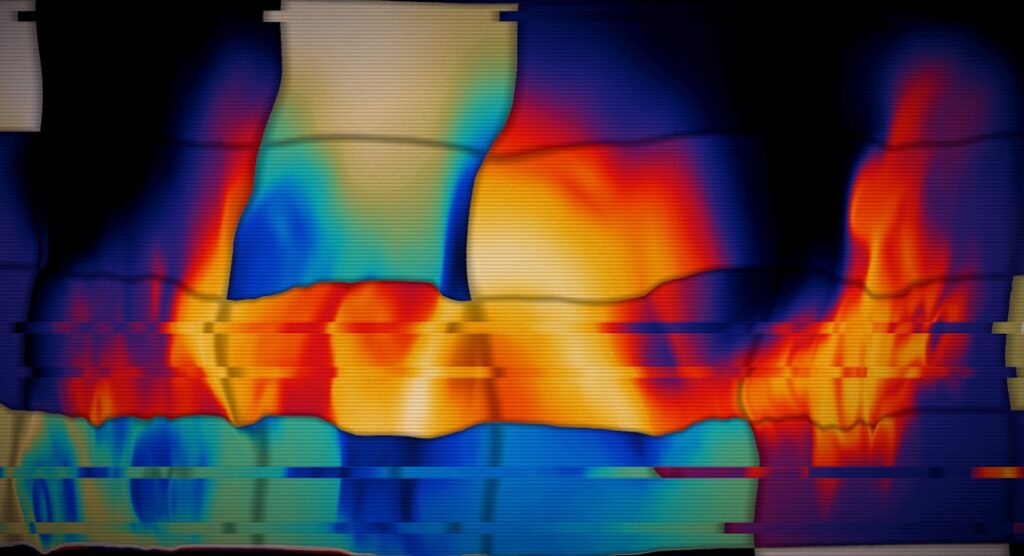
A thermal imaging inspection uses an infrared camera to read surface-temperature differences the eye cannot see, revealing hidden moisture, missing insulation, air leaks, and electrical hot spots behind finished walls and ceilings. In Berthoud, the “Garden Spot of Colorado” between Loveland and Longmont, that ability serves a market split between century-old historic downtown homes and tight new subdivisions like Heron Lakes and Hammond Farm, two very different building types that both hide problems infrared can find. This page explains what a thermal imaging inspection berthoud buyers and owners should expect, why the local stock makes it worthwhile, and how to use it alongside a standard inspection.
Part of our Thermal Imaging for Homes guide — start there for the full picture →
Thermal imaging inspection in Berthoud: what to know
An infrared camera does not see through walls; it reads the temperature of surfaces. Where moisture has wicked into drywall, where insulation is missing, or where a circuit is overheating, the affected surface registers a different temperature than its surroundings, and that pattern appears as a hot or cold area in the thermal image. A trained inspector interprets those patterns and confirms findings with a moisture meter or visual access, because a thermal anomaly points to a problem rather than proving its exact cause.
The technique is most valuable as an enhancement to a standard inspection, not a replacement for it. In a century-old downtown Berthoud home, infrared can flag a damp wall behind a finished basement or a band of missing insulation in walls that predate modern standards; in a new subdivision build, it can reveal a construction-moisture issue, an insulation gap the installer missed, or a duct leak. For the broader context of how inspectors are vetted and what an inspection should include, our guide to hiring a home inspector covers credentials and scope.
It helps to understand the limits. Thermal imaging needs a temperature difference to work, which is why Colorado’s cold winters and hot summers make it more effective here than in mild climates, the contrast between indoor and outdoor conditions sharpens the image. But infrared cannot see inside a wall directly, cannot detect a problem with no thermal signature, and depends heavily on the operator’s skill. A good infrared inspection is as much about interpretation as equipment.
Why Berthoud homes benefit from thermal imaging
The historic downtown drives one set of uses. Early-1900s Berthoud homes predate modern insulation and air-sealing standards, so missing or settled insulation, thermal bridging, and uneven heating are common. An infrared scan maps where a century-old home is losing heat, which in a cold Front Range winter translates directly into comfort complaints and higher energy bills, and it finds the damp signatures of leaks behind the finished surfaces of an old home where moisture problems hide.
The new subdivisions drive another. A brand-new Heron Lakes or Prairie Star home should be well insulated, but fast-paced construction can leave gaps an installer missed, ducts that leak conditioned air, or residual construction moisture trapped in a tight envelope. Infrared verifies that a new home was actually finished to the standard the buyer is paying for, catching insulation voids and moisture issues that a visual walk-through and a builder’s assurances would both miss. Even a year-old home benefits from that verification while the warranty applies.
Berthoud’s climate and setting reinforce the value across both. Chinook winds and hard freeze-thaw cycles stress roofs, flashings, and foundations, opening the gaps where water enters, and the town’s cold winters keep homes sealed so any moisture lingers. Infrared excels at finding the cool, damp signatures of intrusion around roof penetrations, behind basement walls, and under windows where condensation collects. Catching a slow leak as a thermal anomaly before it becomes visible staining or mold is one of the most practical uses of the technology in this housing stock.
What a Berthoud thermal imaging inspection covers
An infrared inspection scans accessible interior surfaces, walls, ceilings, floors, the electrical panel, and around windows, doors, and plumbing, looking for temperature anomalies that suggest moisture, insulation gaps, air leakage, or electrical heat.
Moisture and insulation scanning
The inspector scans for the cool signatures of damp drywall and the temperature patterns of missing or compressed insulation. In a downtown Berthoud home, common findings include insulation gaps in old walls and moisture behind finished basements; in a new build, missed insulation, duct leaks, and construction moisture. Each anomaly is confirmed with a moisture meter or visual check before it goes in the report.
Electrical and air-leak detection
A scan of the electrical panel and accessible circuits can reveal overheating connections, while scans around windows, doors, and rim joists show where conditioned air escapes. Pairing infrared with a standard home inspection in Berthoud gives a buyer both the visible-condition report and the hidden-issue map in one coordinated visit, the most efficient way to evaluate a historic or new-build property.
Thermal imaging inspection cost in Berthoud
Thermal imaging is most often offered as an add-on to a standard inspection, typically running an extra $100 to $250 depending on the size of the home and the scope of the scan. A standalone infrared scan, ordered separately to investigate a specific moisture or energy concern, may cost somewhat more because it carries its own trip and setup time. For a Berthoud home, historic or new, bundling it with the core inspection is usually the most economical path.
Weigh the add-on fee against what it can catch. A thermal scan that reveals a slow leak behind a finished basement wall in a downtown home, before it becomes a mold problem, or an insulation void in a new build that the buyer can have the builder fix under warranty, can save far more than its cost. In Berthoud’s mix of aging downtown homes and fast-built subdivisions, the infrared upgrade frequently surfaces a hidden issue that a visual inspection alone would have left undiscovered.
For owners not in a transaction, a targeted infrared scan is a smart diagnostic when chasing a comfort or energy complaint, a room that never heats evenly, a suspected leak, or a draft no one can locate. Spending a modest amount to map the problem precisely often prevents the trial-and-error expense of opening walls or over-insulating the wrong areas, which is exactly the kind of guided repair that makes the technology worth its cost in both old and new Berthoud homes.
Berthoud regulations and disclosure
Colorado does not license home inspectors, and thermal imaging is an unregulated specialty, so the operator’s training matters as much as the camera. Reputable Berthoud inspectors who offer infrared carry certification through bodies such as InterNACHI or ASHI and have specific thermography training, which is what separates a meaningful scan from a few pretty pictures. The seller’s property disclosure reports known defects, but hidden moisture and insulation issues are precisely the problems a disclosure often misses, which is part of infrared’s value.
Any electrical anomaly an infrared scan reveals should be referred to a licensed electrician, and any moisture finding that suggests possible mold belongs in a follow-up moisture or mold assessment. The thermal inspection’s role is to detect and document; correcting the underlying issue falls to the appropriate licensed trade or, in a new build, to the builder under warranty. A credible inspector is clear about that boundary rather than overstating what the camera can prove.
Neighborhoods and areas served
Thermal imaging demand in Berthoud spans Historic Downtown Berthoud, the newer subdivisions of Heron Lakes, Prairie Star, Hammond Farm, and Vantage, and rural parcels through the surrounding farmland near the Little Thompson River and toward Carter Lake. Service typically extends to adjacent Loveland, Longmont, Johnstown, Mead, and Campion, which share the same Front Range climate where strong seasonal temperature contrast makes infrared effective.
Because the building types differ so much, the patterns an infrared scan reveals shift by neighborhood: insulation gaps and hidden moisture in the century-old downtown, missed insulation and duct leaks in the new subdivisions. A buyer comparing an older downtown home against a new build benefits from a skilled scan tailored to each, and the same well-interpreted thermal work that helps a downtown homeowner chase a leak helps a new-build buyer verify the home was finished correctly.
How to choose a Berthoud thermal imaging inspector
Look for an inspector with documented thermography training and certification through InterNACHI or ASHI, not just possession of an infrared camera. Ask how they confirm thermal findings, a credible operator backs up anomalies with a moisture meter or visual access rather than reporting raw thermal images as conclusions. Experience with both century-old construction and new subdivision builds helps them interpret what the camera shows in a Berthoud context.
Confirm whether infrared is offered as an add-on to a full inspection or as a standalone scan, and what the scope includes, interior walls and ceilings, the electrical panel, windows and doors, and accessible plumbing. A good inspector explains the limits honestly, that imaging needs a temperature differential, cannot see directly inside walls, and points to problems rather than proving them, so a buyer’s expectations match what the technology delivers.
Ask to see how thermal findings appear in a sample report. The best infrared work pairs each thermal image with a plain-language explanation and a recommended next step, confirm with a moisture meter, refer to an electrician, have the builder address an insulation void, rather than leaving a buyer to interpret colorful images alone. In Berthoud’s mix of historic and new stock, that clarity of interpretation is what makes a thermal inspection genuinely useful rather than merely impressive.
Thermal imaging for energy and comfort in Berthoud
Berthoud’s strong seasonal temperature swings make thermal imaging a useful energy tool, not just a defect-finder. In a century-old downtown home that predates modern insulation standards, an infrared scan during cold weather maps exactly where heat escapes, through under-insulated walls, an uninsulated attic hatch, or the rim joist above the foundation. The Department of Energy identifies air sealing and insulation as among the most reliable ways to cut home energy use, and infrared is the diagnostic that shows an owner where those dollars will actually pay off rather than guessing.
New subdivision homes benefit differently. A tight, energy-efficient envelope is only as good as its installation, and a scan can reveal an insulation void a busy crew skipped or a duct leak bleeding conditioned air into an attic. For a buyer of a recent Heron Lakes or Prairie Star home, verifying that the insulation and air-sealing they paid for are actually performing is a way to hold the builder accountable while the warranty still applies, catching efficiency shortfalls that would otherwise show up only as unexpectedly high utility bills.
For owners chasing a specific comfort complaint, a targeted scan often pinpoints what trial and error cannot. A room that never heats evenly, a persistent draft, or a cold spot along a wall has a thermal signature an infrared camera can locate precisely, allowing a focused fix instead of guesswork. Whether the home is a restored downtown classic or a new build near Carter Lake, that ability to see where heat, air, and moisture are moving makes thermal imaging a practical instrument for keeping a Berthoud home comfortable and efficient through the region’s demanding seasons.
References
- Residential standards of practice — International Association of Certified Home Inspectors
- Finding a qualified home inspector — American Society of Home Inspectors
- ENERGY STAR: Seal and Insulate — U.S. Environmental Protection Agency (ENERGY STAR)
Frequently asked questions
What can a thermal imaging inspection find in a Berthoud home?
Hidden moisture behind walls, missing or settled insulation, air leaks around windows and doors, and overheating electrical connections. The infrared camera reads surface-temperature differences, and a trained inspector confirms each finding before reporting it.
How much does thermal imaging cost in Berthoud?
As an add-on to a standard inspection it typically runs an extra $100 to $250 depending on home size and scope. A standalone scan to investigate a specific concern may cost more because of separate trip and setup time.
Is thermal imaging useful on a brand-new Berthoud home?
Yes. Fast-paced subdivision construction can leave insulation gaps, duct leaks, or trapped construction moisture. Infrared verifies a new home was finished to standard and can catch issues the builder should fix under warranty.
Can an infrared camera see through walls?
No. It reads the temperature of surfaces, so it detects the thermal signature a hidden problem leaves on a wall or ceiling, not the inside of the wall itself. Findings are confirmed with a moisture meter or visual access.
Why does thermal imaging work well in Colorado?
Infrared needs a temperature difference to work, and Colorado's cold winters and hot summers create strong contrast between indoor and outdoor conditions, which sharpens the image and makes hidden moisture and insulation gaps easier to detect.
In Berthoud’s historic and new homes alike, a skilled thermal scan reveals the hidden moisture, insulation gaps, and electrical hot spots a visual inspection cannot. To connect with a vetted Front Range inspector who offers infrared imaging, get in touch through our contact page.
Thermal imaging cameras
Infrared cameras reveal hidden moisture, missing insulation, and air leaks. Phone-attachment models are the budget entry point; standalone units have higher resolution.
| Product | Why | Buy |
|---|---|---|
 FLIR ONE Pro (phone) FLIR ONE Pro (phone) | Plugs into iPhone/Android; inspector favorite. | Amazon — $349.00 |
 Topdon TC001 Topdon TC001 | High-res phone module at a low price. | Amazon — $199.99 |
 FLIR C5 Compact FLIR C5 Compact | Standalone pocket camera with Wi-Fi. | Amazon — $611.50 |