Green Mold: What Homeowners Need to Know
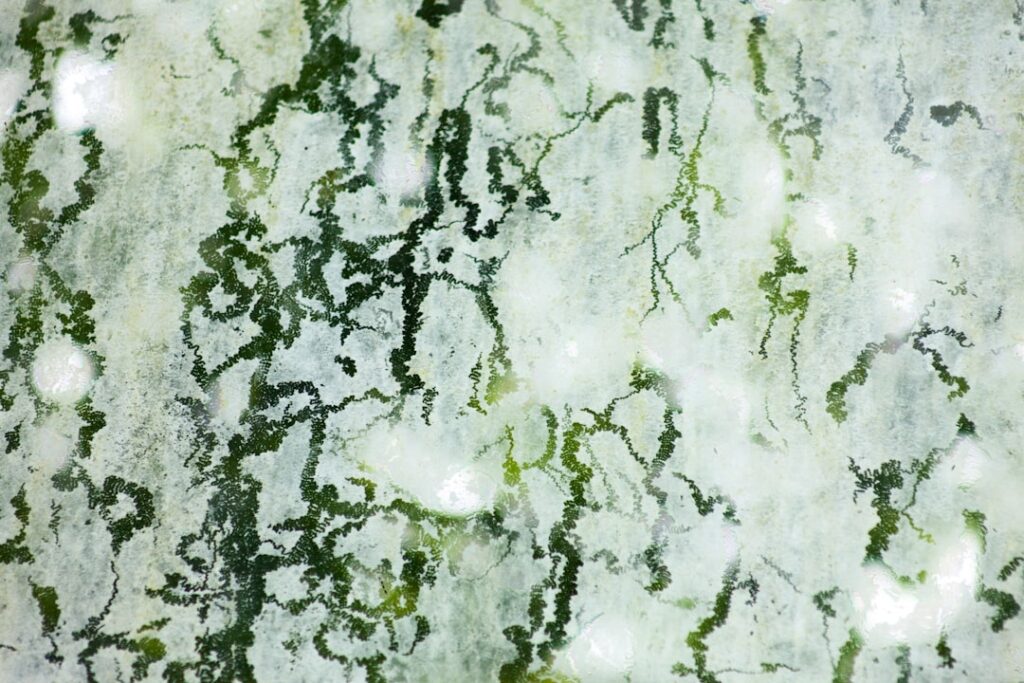
Green patches on a wall, a windowsill, or a forgotten loaf of bread all share the same cause: airborne spores landing on a damp surface and taking hold. Green mold is one of the most common colors homeowners see, and the color alone says little about how dangerous it is. What matters more is where it grows, how much there is, and whether the moisture feeding it gets fixed. This guide summarizes EPA and CDC guidance current as of 2026; consult your physician for symptoms and a certified professional for testing and remediation decisions in your own home.
Is this mold, asbestos, or water damage? Get a free instant screen
Upload a clear photo of the suspect area. You'll get an instant AI screening opinion and what to do next. This is screening guidance, not a professional determination.
Screening guidance only. AI can be wrong. Confirm asbestos, mold type, or lead with lab testing or a licensed professional before acting.
What is green mold?
Green mold is not a single species. The green color is shared by several common household genera, most often Cladosporium, Penicillium, and Aspergillus. Each can appear green, though their shade and texture vary from velvety to powdery.
Color is an unreliable identifier. The same species can look green, blue, or black depending on its surface and stage of growth. Laboratory analysis is the only way to name the species with confidence, which is why the EPA states that sampling is rarely necessary for cleanup decisions; if you can see mold, the response is the same regardless of color.
Where green mold grows in a home
Green mold favors damp, organic, and poorly ventilated surfaces. Common sites include bathroom grout, window frames where condensation collects, basement walls, and the soil of overwatered houseplants.
It also appears on food. The fuzzy green growth on bread or citrus is usually Penicillium, the same genus that gave us penicillin, though household strains are not the medicinal kind. Food showing mold should be discarded rather than scraped, since the visible patch is only part of the colony.
In Front Range homes, green mold often shows up on north-facing window frames in winter, where warm indoor air meets cold glass and condenses.
The common green-mold genera
Cladosporium is one of the most widespread, appearing as olive-green to brown patches on damp walls, fabrics, and window frames, and it tolerates cooler conditions than many molds. Penicillium spreads quickly in water-damaged buildings and on food, showing a blue-green, often powdery surface. Aspergillus is a large group with many green species; some are harmless in small amounts, while others matter for people with weakened immune systems. None of these can be told apart reliably by eye, which is the practical reason the cleanup response does not change with the shade of green.
Green mold versus black mold
Homeowners often worry that black mold is dangerous and green mold is harmless, but that split does not hold up. Color reflects species and growth stage, not toxicity, and the same species can look different on different surfaces. The so-called toxic black mold, Stachybotrys, is one specific organism, and plenty of dark molds are not it.
The EPA’s stance is consistent across colors: if you can see mold, clean it up and fix the moisture, regardless of hue. Treating a green patch as safe because it is not black can let a moisture problem grow unchecked. The sensible response is the same for both: assess the size, protect yourself, remove the growth, and dry the surface.
Is green mold dangerous?
The CDC notes that exposure to damp, moldy environments can cause nasal congestion, throat irritation, coughing, wheezing, and eye irritation, and can worsen asthma in sensitive people. These effects are tied to mold and dampness generally, not to the green color specifically.
People with allergies, asthma, or compromised immune systems face higher risk. Some Aspergillus species can cause infections in immunocompromised individuals, which is why anyone in that group should avoid disturbing mold and let someone else handle cleanup. Symptoms are a medical question for a clinician, not something to diagnose from a wall stain.
Who should be cautious
Certain groups should take green mold more seriously than others. Infants and young children, older adults, and anyone with a chronic lung condition tend to react more strongly to damp, moldy indoor air. People undergoing treatment that suppresses the immune system face the highest concern, since some molds that are harmless to most people can cause infections in them. For these households, even a modest amount of mold is worth addressing promptly, and the cleanup is best handled by someone not in the at-risk group. Anyone noticing persistent respiratory symptoms that improve away from home should raise it with a doctor.
Green mold versus mildew
Mildew is a surface growth that tends to look flat, powdery, and gray, white, or sometimes greenish. Mold, by contrast, often grows fuzzy or slimy and penetrates the material it sits on. Mildew usually wipes away from a non-porous surface, while mold rooted in drywall or grout resists a simple wipe. Our comparison of black mold versus mildew breaks down the differences in more detail.
How to clean green mold safely
Before cleaning, ventilate the area and put on an N95 respirator, gloves, and eye protection. The EPA’s threshold of roughly 10 square feet separates a reasonable DIY job from one that warrants a professional.
On hard, non-porous surfaces, scrub with detergent and water, then dry thoroughly. The EPA does not recommend routine bleach use; soap and water plus complete drying is the first-line method.
Porous materials that are heavily contaminated, such as soaked drywall or moldy carpet, generally cannot be cleaned reliably and should be removed and replaced. Bag these materials before carrying them through the house to limit spore spread.
Detergent and water is the EPA’s first-line method, not bleach. The water in bleach can soak into porous materials and feed regrowth once the chlorine evaporates, and bleach fumes irritate the lungs. White vinegar or 3 percent hydrogen peroxide are gentler alternatives that handle many small green-mold spots on hard surfaces without the harsh smell. Whatever you use, the scrubbing and the drying matter more than the chemical, since physically removing the mold and denying it moisture is what actually stops it.
Fix the moisture first
Cleaning without correcting the water source guarantees a return. Find and stop the leak, condensation, or humidity problem before or alongside the cleanup. Keeping indoor humidity below roughly 60 percent is the single most effective prevention step.
Surface by surface
Different materials call for different handling. Sealed tile, glass, and finished metal are non-porous and clean easily with detergent and water. Grout and natural stone are semi-porous; they take more scrubbing and may hold a faint stain even after the mold is gone. Drywall, bare wood, and ceiling tile are porous, and heavy growth on them usually means removal rather than cleaning. Fabric, carpet, and upholstery that are soaked and moldy are rarely worth saving. Matching the method to the material avoids both wasted effort on a surface that cannot be cleaned and unnecessary replacement of one that can.
Preventing green mold
Control moisture and you control mold. Run bathroom and kitchen exhaust fans, fix plumbing leaks promptly, and use a dehumidifier in damp basements. Wipe condensation off window frames in winter before it feeds growth.
Houseplant owners should avoid overwatering, since saturated potting soil grows green mold on its surface. Improving air circulation in closets and corners discourages the stagnant, humid pockets mold prefers.
Storage habits matter more than people expect. Cardboard boxes, stacked paper, and fabric stored against a cool basement wall trap moisture and feed green mold, so plastic bins raised off the floor are a better choice. Leaving a small gap between furniture and exterior walls lets air move and prevents the cold, condensation-prone pocket behind a sofa or headboard. In a damp Front Range basement, a dehumidifier set to hold humidity in the 40 to 50 percent range removes the conditions green mold needs to start.
Seasonal prevention
Winter brings the condensation problem to the front. Warm indoor air meeting cold window glass and uninsulated exterior corners creates the damp surfaces green mold favors, so wiping condensation off windowsills on cold mornings interrupts the cycle. Summer brings higher outdoor humidity, which can push basement levels up even without a leak. Checking the wettest rooms each season and acting on a rising humidity reading, rather than waiting for a visible patch, keeps the problem from taking hold.
Is green mold on food the same problem?
The green fuzz on bread, cheese, and fruit is the same family of organisms, but the food situation differs from a wall. Mold on soft, moist foods spreads invisible threads well beyond the visible patch, so the safe move is to discard the item rather than cut the mold away. Firm foods like hard cheese or a dense carrot are a partial exception; cutting well around and below the spot can salvage them, though when in doubt, throwing it out is the safer choice.
Food mold and household mold share a cause: moisture and time. Keeping the refrigerator clean, storing produce properly, and not letting leftovers linger cuts food mold the same way humidity control cuts wall mold. The green color on a loaf of bread is a useful reminder that the same spores drifting through the kitchen can settle on a damp wall.
When to call a professional
Call a remediation pro when the affected area exceeds about 10 square feet, when mold recurs after cleaning, when it hides behind walls or under flooring, or when a household member has asthma or a weakened immune system. A professional can locate the moisture source and verify that the cleanup was complete.
For the broader picture on assessment and testing, the mold inspection and testing hub explains what an inspection includes, and our guide to what mold remediation involves covers containment standards for larger jobs.
Testing is rarely the first step. The EPA notes that sampling is usually unnecessary, because the response to visible mold is the same regardless of species: remove it and fix the moisture. Testing has a place when there is a dispute, a health concern that needs documentation, or a hidden source that must be located, and in those cases a qualified professional collects and interprets the samples. Spending money to name a green mold before cleaning it rarely changes what you do next.
A professional also catches what a homeowner misses. Green mold on a wall surface can be the visible edge of a larger problem inside the cavity, and an inspector with a moisture meter and the right experience can tell whether the wall behind it is wet. For a recurring patch that defies cleaning, that diagnosis is the part that actually solves the problem, since it points to the water feeding the growth rather than the growth itself.
References
- A Brief Guide to Mold, Moisture and Your Home — U.S. Environmental Protection Agency
- About Mold and Dampness — Centers for Disease Control and Prevention
- Mold Cleanup in Your Home — U.S. Environmental Protection Agency
- Mold Health Topic — National Institute of Environmental Health Sciences
If green mold keeps reappearing in your Denver-area or Front Range home, reach out through our contact page and we’ll connect you with a vetted local inspector who can trace the moisture behind it.