Well Foot Valves: Lost Prime, Short Cycling, and Check Valves

A shallow-well jet pump only works if the pipe between the pump and the water stays full. The part that makes that possible sits out of sight at the bottom of the suction line, often many feet down a well casing or under the surface of a cistern or spring box. That part is the foot valve, and when it starts leaking back, the symptoms show up in the basement or pump house rather than in the well: a pump that loses prime, runs without building pressure, or kicks on in the middle of the night when nobody is using water. This guide explains what a foot valve does, how to tell a failing one from a pressure switch or tank problem, why submersible systems use inline check valves instead, and what homeowners and buyers in rural parts of the Colorado Front Range can expect when one needs replacing.
Part of our Plumbing & Water guide — start there for the full picture →
What a Foot Valve Is and Why It Matters
A foot valve is a one-way check valve combined with a strainer, installed at the lower end of the suction pipe on a pump that sits above the water. Water can flow up through it toward the pump, but a flapper, poppet or ball closes when flow stops, so the column of water in the pipe cannot drain back into the well. The strainer screen or perforated cage around the inlet keeps gravel, sand, leaves and larger debris from being drawn into the pipe.
The reason it matters comes down to how jet pumps work. A shallow-well jet pump does not push water up from below; it lowers the pressure in the suction pipe and atmospheric pressure pushes water up to fill it. That only works with a solid column of water. If the column drains back down, the pump is left spinning air, which it cannot move effectively. Restoring the column is called priming, and it usually means pouring water into a priming port on the pump until the pipe and pump body are full again.
A foot valve that seals well lets the system hold prime indefinitely. A foot valve that leaks lets the column slowly fall, and the pump has to work harder, run longer, or lose prime entirely.
Where foot valves are used
- Shallow-well jet pumps. The classic use. The suction pipe runs from the pump down into a shallow well, and the foot valve hangs near the bottom, above the well floor so it does not pull in sediment.
- Two-pipe deep-well jet pumps. These use a jet assembly down in the well with a drive pipe and a suction pipe. A foot valve is commonly fitted below the jet assembly.
- Cisterns, ponds, springs and irrigation intakes. Any time a surface-mounted pump draws from a source below it, a foot valve or an equivalent check valve is usually part of the setup.
Many homes on the Front Range are on municipal water and never deal with any of this. The rural edges of Larimer, Boulder, Weld, Jefferson, Douglas and El Paso counties are a different story, and older acreage properties, cabins in the foothills and homes with a cistern or a hand-dug well are where jet pumps and foot valves still turn up.
Signs of a Leaking or Failing Foot Valve
Foot valves fail in a few predictable ways. Debris can lodge in the seat so the flapper cannot close fully. Rubber seals stiffen, crack or swell over time. Springs weaken or corrode. The strainer can clog with sediment, iron bacteria or mineral scale, which starves the pump of water even when the check function still works. Each of these shows up as one or more of the following symptoms.
The pump loses prime
The most telling symptom is a pump that needs priming again and again. If the system worked after priming but loses it after sitting overnight or for a few days, water is draining back somewhere. A leaking foot valve is a prime suspect, though a leak anywhere on the suction side, including a cracked pipe, a loose fitting or a failed seal on the pump itself, can produce the same result because air enters and water leaves.
The pump runs but builds little or no pressure
When the column has partly drained, the pump may run for a long time before pressure comes up, or may never reach the cut-out pressure at all. Some homeowners notice the pump sounding different, with more rattle or a higher pitch, because it is moving a mix of air and water. Running a pump that is not moving water can overheat it and damage the impeller and shaft seal, so a pump that runs continuously without building pressure should be shut off until the cause is found.
Pressure drops when no water is being used
A slow leak-back through the foot valve can let pressure in the house fall overnight even with every fixture closed. The gauge near the pressure tank creeps down, and eventually the pressure switch turns the pump on for a short burst with no apparent demand. That pattern of unexplained pump starts is often described as phantom cycling.
Short cycling
Short cycling means the pump turns on and off rapidly. A leaking foot valve can contribute, but short cycling is more commonly caused by a waterlogged or failed pressure tank, a tank precharge that is set wrong, or a pressure switch that is dirty, pitted or misadjusted. That is why diagnosis should look at the whole system rather than just the bottom of the pipe.
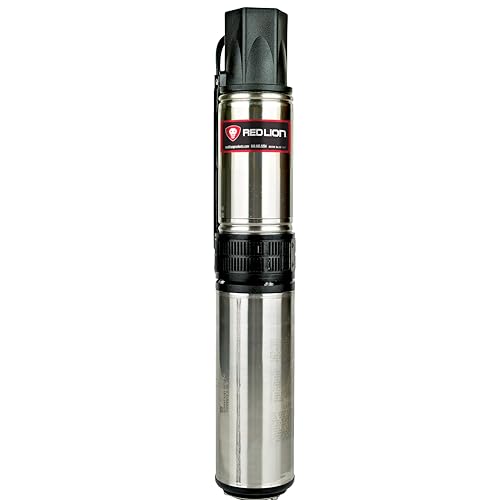
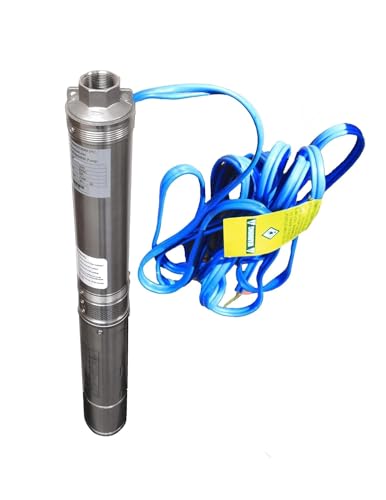
Best Well Pump: our top 3 picks
| Product | Best for | Key features | Price | Buy |
|---|---|---|---|---|
| Red Lion RL12G07-2W2V | Household drilled wells to 200 ft |
| $485.00as of Nov 19, 2026 2:27 pm GMT+0000 | Buy now →Check current price |
| Acquaer CJE100-1 | Wells from 25 to 90 ft |
| $208.99as of Nov 19, 2026 2:27 pm GMT+0000 | Buy now →Check current price |
| Hallmark 1 HP 230V | No-control-box 1 HP submersible |
| $159.97as of Nov 19, 2026 2:27 pm GMT+0000 | Buy now →Check current price |

Prices are Amazon’s listed prices as of the time shown and change often; check Amazon for today’s price. As an Amazon Associate we earn from qualifying purchases.
Ruling Out the Pressure Switch, Tank and Pump
Because the symptoms overlap, a sensible sequence is to rule out the components that are easy to reach before pulling pipe out of a well.
- The pressure tank. A tank that has lost its air charge, or a bladder tank whose bladder has failed, gives the pump almost no drawdown, which makes it start and stop every time a faucet opens. Checking the precharge with the pump off and the tank drained is a quick test. Our guide to the well pressure tank covers how bladder tanks work, how precharge is set and how failure shows up.
- The pressure switch. Burned or pitted contacts, a clogged sensing tube or nipple, or a switch set to the wrong cut-in and cut-out pressures can all mimic pump problems. See the well pressure switch guide for common settings and failure signs. Switches carry line voltage, so the power should be off before anyone opens the cover.
- The pump itself. Worn impellers, a failing motor, a bad capacitor or a leaking shaft seal can reduce output or let air in. A clogged jet or venturi on a jet pump also cuts flow.
- The suction line. Leaks in buried or in-well suction pipe let air in. A small hole above the water line may not leak water at all; it simply breaks the vacuum.
- The well. If the water level in the well drops below the foot valve during heavy use, the pump draws air no matter how good the valve is. Seasonal drawdown in dry years can produce symptoms that look like valve failure.
Foot Valves vs Check Valves on Submersible Pumps
Submersible pumps are far more common in newer and deeper wells, and they do not use a foot valve in the traditional sense. A submersible pump sits in the water near the bottom of the well and pushes water up rather than pulling it, so there is no suction column to hold. Instead, submersible systems rely on one or more inline check valves in the drop pipe and sometimes another at or near the surface.
Those check valves serve a related purpose. They keep the water in the drop pipe from draining back each time the pump stops, which keeps pressure in the system, reduces the hammer and reverse spin that drain-back can cause, and means the pump does not have to refill the whole riser on every start. Many submersible pumps also have a check valve built into the discharge. Manufacturers and well contractors typically specify additional check valves at intervals on very deep settings, and those intervals depend on the pump and the installation.
The symptoms of a failed check valve on a submersible system look a lot like a failing foot valve: pressure falling with no water in use, the pump starting for no reason, and a thump or water hammer in the pipe when the pump stops. A failing check valve on a submersible is not something homeowners can service themselves. Getting to it means pulling the pump and drop pipe, which requires a pump hoist or rig and a well contractor.
Do not confuse it with a sump pump check valve
The term check valve also comes up with basement sump pumps, and the overlap causes confusion when people search for parts. A sump check valve sits on the discharge pipe above a sump pump to stop pumped water from falling back into the pit. It has nothing to do with drinking water and is a far simpler job to replace. Our sump pump check valve guide covers that part separately.
Replacing a Foot Valve: What the Job Involves
On a shallow well with an accessible casing, replacing a foot valve usually means pulling the suction pipe up out of the well, cutting or unthreading the old valve, fitting a new one with the strainer intact, and lowering the pipe back to the right depth. The installer then primes the pump, brings the system to pressure and checks that it holds.
A few details make the difference between a lasting repair and a repeat visit:
- Depth. The valve should sit far enough below the lowest expected water level to stay submerged during peak use, and far enough above the bottom of the well to avoid drawing in sediment. The right height depends on the well.
- Material. Foot valves are commonly made of brass, bronze, stainless steel or plastics such as PVC. The choice depends on water chemistry, depth and the pipe material. Corrosive or very hard water may shorten the life of some metals.
- Size. The valve should match the suction pipe size and the pump’s flow rate. An undersized valve restricts flow and can cause cavitation.
- Joints. Every threaded or glued joint on the suction side has to be airtight. Thread sealant or tape suitable for potable water is used, and any damaged pipe is replaced while it is out of the well.
- Sanitary seal. The well cap or seal should be reinstalled properly so insects, rodents and surface water cannot get in.
Why testing the water after well work makes sense
Any time pipe, pumps or valves go down a well, there is a chance of introducing bacteria from hands, tools or the ground surface. The EPA advises private well owners to test their well immediately when any part of the well system is replaced or repaired, and the CDC lists the same trigger in its well testing guidance. Many contractors disinfect the well after the work as a matter of routine, but a follow-up lab test is the only way to confirm the result. Our guide to well water testing explains which tests to order and how to collect a sample.
The EPA notes that private wells are not regulated by the federal government under the Safe Drinking Water Act, and are not regulated by most states, which leaves well owners responsible for the safety of their water. It estimates that more than 23 million U.S. households rely on private wells. The CDC recommends testing at least once a year for total coliform bacteria, nitrates, total dissolved solids and pH, using a state-certified laboratory.
What Foot Valve Repairs Tend to Cost
Prices depend heavily on the region, well depth, access and what else turns up once the pipe is out. As a rough 2026 guide, hedged accordingly:
- The valve itself. Residential foot valves are generally inexpensive parts, commonly ranging from tens of dollars for basic plastic models to more for heavy brass or stainless units.
- Service call and replacement on a shallow, accessible well. Often a few hundred dollars including labor, priming and testing, though minimum service charges and travel to rural properties can push that up.
- Deeper or harder-to-reach wells. More pipe to pull, tight pump houses, buried well heads or pitless adapters that need excavation all add labor.
- Additional repairs. Replacing corroded suction pipe, a worn pressure switch or a failed tank at the same visit adds parts and labor, but can be more economical than separate trips.
- Pump replacement. If the pump has been damaged by repeated dry running, the bill climbs into a different range. Our guide to well pump replacement cost covers jet and submersible pumps.
Quotes should state what is included: the valve, any pipe, disinfection, priming, a pressure test and whether a water test is part of the job or a separate charge.
DIY or hire a pro?
Some owners of shallow wells with easy access do replace their own foot valves. Doing so means working with an open well, which is a contamination risk, and with line-voltage pump controls, which are a shock risk. Deep wells, submersible systems and anything involving the pitless adapter belong with a licensed well contractor. Colorado regulates water well construction and pump installation, and some work requires a licensed contractor, so it is worth checking state and county rules before starting.
What Home Inspectors Check, and What They Do Not
Buyers are often surprised to learn how little of a well system a standard home inspection covers. The ASHI Standard of Practice states that inspectors are not required to inspect wells, well pumps and water storage-related equipment, determine water quality, or measure water supply flow and pressure and well water quantity. Inspectors can still note what they see: a pump that cycles rapidly while fixtures run, a gauge that does not hold, rust at the tank, wiring problems at the switch or evidence of past leaks.
For a home on a private well, a separate well inspection by a qualified well contractor is the usual recommendation. That typically includes a flow or yield test, an evaluation of the pump, tank and controls, and a check of the well cap and casing. Pairing it with a lab water test gives a far more complete picture than the general home inspection alone.
Our plumbing and water inspections section explains which specialty inspections are worth adding for homes with wells, and the main guide to hiring a home inspector covers how to choose and schedule them.
More Questions About Well Foot Valves
How long does a well foot valve usually last?
A well foot valve typically lasts several years to a decade or more, but its life depends heavily on water quality rather than age alone. Sand, silt, iron and scale wear the seat and can hold the flapper or poppet open, while a valve sitting in a sandy well bottom fails much sooner than one hung clear of sediment.
Brass and stainless valves generally outlast plastic bodies in aggressive water. Many homeowners only learn the valve has worn when the pump starts losing prime, so a sudden change in pressure behavior on an older jet-pump system is a reasonable cue to suspect the foot valve.
Can a bad foot valve damage a well pump?
Yes, a failing foot valve can shorten the life of a jet pump. When the valve leaks, water drains back down the suction line, the pump loses prime and may run dry, which overheats seals and impellers. Frequent restarts from pressure bleeding back also add wear to the motor and pressure switch contacts.
The practical rule is to shut the pump off if it runs without moving water and to diagnose the cause before re-priming repeatedly. A licensed well or pump contractor can confirm whether the foot valve, a suction-line leak or the pump itself is responsible.
How deep should a foot valve sit in a well?
A foot valve is generally set a few feet above the bottom of the well and well below the lowest expected water level. Hanging it too close to the bottom invites sand and sediment into the valve, while setting it too shallow risks the intake breaking the surface when the water table drops in a dry season or during heavy use.
Shallow-well jet pumps can only lift water about 25 feet in practice, so the setting also has to suit the pump type. A well contractor will usually check static and pumping water levels before choosing the depth.
Does a foot valve need a screen or strainer?
Most foot valves include a built-in strainer, and keeping one in place is strongly recommended. The screen stops gravel, debris and larger sediment from lodging in the valve seat, which is the most common reason a foot valve stops sealing.
A strainer does not replace proper well construction, though. In wells that produce a lot of fine sand, the screen can clog and starve the pump, so the right fix may be a sediment filter after the pressure tank, a different valve setting, or well rehabilitation. Clogged strainers usually show up as weak flow rather than lost prime.
References
- Private Drinking Water Wells — U.S. Environmental Protection Agency
- Protect Your Home’s Water — U.S. Environmental Protection Agency
- Guidelines for Testing Well Water — Centers for Disease Control and Prevention
- ASHI Standard of Practice for Home Inspections — American Society of Home Inspectors
Frequently asked questions
What does a foot valve do on a well?
It is a check valve with a strainer at the bottom of a jet pump's suction pipe. It lets water flow up to the pump and closes when the pump stops, so the pipe stays full and the pump keeps its prime.
How do you know if a foot valve is bad?
Common signs include a pump that keeps losing prime, a pump that runs without building pressure, and pressure that drops overnight with no water in use. Suction-line leaks, tank and switch problems can cause similar symptoms, so the whole system should be checked.
Do submersible well pumps have a foot valve?
Not in the traditional sense. Submersible pumps push water up rather than pulling it, so they rely on check valves in the drop pipe and often one built into the pump discharge to prevent drain-back.
How much does it cost to replace a foot valve?
The part itself is usually inexpensive. A service call to pull the suction pipe, replace the valve, prime and test on an accessible shallow well often runs a few hundred dollars, with more for deep wells, rural travel or extra repairs. These are general 2026 ranges.
Should well water be tested after a foot valve is replaced?
Yes. The EPA and CDC both list repairing or replacing any part of a well system as a reason to test. A lab test for total coliform bacteria confirms the work did not contaminate the well.
Can you have a foot valve and a check valve on the same line?
Yes, but extra check valves on a jet-pump suction line are often discouraged because each one adds friction and another place to leak or chatter. Many installers rely on the foot valve alone on the suction side, and add an in-line check valve only where the system design calls for it.
What causes water hammer after a foot valve is replaced?
Water hammer after foot valve work usually comes from a valve that slams shut when the pump stops, often a swing-style valve or one mismatched to the flow. A spring-loaded poppet valve generally closes more gently. Loose piping and air trapped in the line can also make the banging worse.
Can a foot valve freeze in winter?
A foot valve submerged in the well rarely freezes because it sits below the frost line and in water. Freezing problems usually occur in exposed suction piping, well pits or pump houses without heat. Insulating and heating those areas protects the line, and a frozen line can mimic a failed foot valve.
Buying a property on a private well and not sure what the pump, tank and valves are hiding? Reach out to us and we can point you toward Front Range inspectors and well specialists who evaluate the whole system.