Faucet Cartridges: Drips, Stiff Handles and Replacement
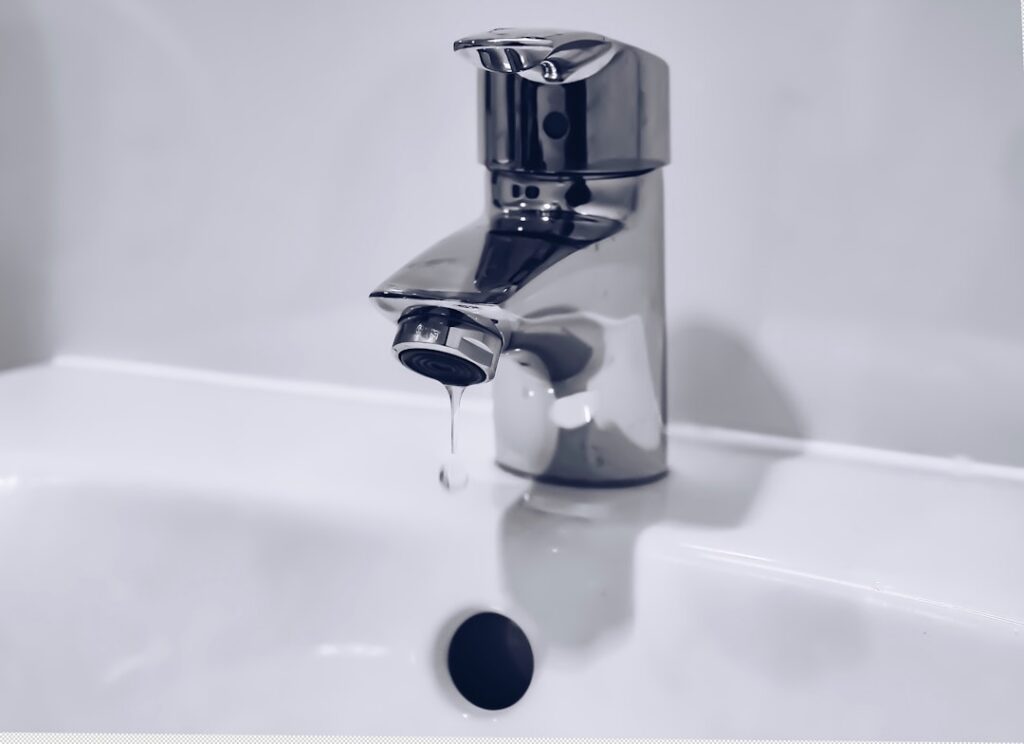
A kitchen faucet that drips no matter how hard the handle is pushed, a bathroom lever that grinds when turned, or a shower that runs too hot or too cold are often traced back to one small part: the faucet cartridge. In most faucets sold over the last few decades, the cartridge is the valve. It sits under the handle, controls how much water flows and how hot and cold mix, and seals the supply when the faucet is off. When its seals wear or mineral scale builds up inside it, the faucet starts to leak or stiffen. The good news is that a cartridge is usually replaceable without changing the whole faucet. The challenge is identifying the right one, since there are hundreds of shapes and sizes across brands and models. This guide explains how cartridges compare with older ball and compression designs, what the common symptoms mean, how to identify a replacement, how hard water affects the part, and what repairs typically cost.
Part of our Plumbing & Water guide — start there for the full picture →
What a Faucet Cartridge Is and How It Works
A faucet cartridge is a self-contained valve that fits into the faucet body and is held in place by a retaining nut or clip. The handle attaches to a stem on top of the cartridge. Moving the handle rotates or lifts that stem, which lines up openings inside the cartridge with the hot and cold inlets and the outlet to the spout.
There are two broad types:
- Ceramic disc cartridges: two polished ceramic discs slide against each other. When their openings line up, water flows; when they do not, the discs seal against each other. Ceramic disc valves are common in modern single-handle and many two-handle faucets and are known for long life when water is clean.
- Plastic or brass stem cartridges with rubber seals: a sleeve with ports and O-rings. Lifting or turning the stem moves the ports past the inlets. These were common in many older single-handle faucets and are still used in some designs.
Single-handle faucets usually have one cartridge that controls both volume and temperature. Two-handle faucets have a separate cartridge or valve stem for hot and cold, often a quarter-turn ceramic cartridge in newer models. Shower and tub valves use cartridges as well, frequently with pressure-balancing or thermostatic features built in. Our shower cartridge replacement guide covers those valves separately.
Cartridge vs Ball vs Compression Faucets
Knowing which kind of valve a faucet uses determines which parts to buy and how the repair goes.
Compression faucets
Compression faucets are the traditional two-handle design with a separate hot and cold handle that turns several times from off to full on. Inside, a threaded stem pushes a rubber washer down onto a brass seat to stop the flow. They are simple and inexpensive to repair, but the washers wear out, and overtightening a dripping handle accelerates the wear. A worn seat may need to be dressed with a seat wrench or replaced. Many older Colorado homes, especially in pre-1970s neighborhoods, still have compression valves on laundry sinks, hose bibs and original bathroom fixtures.
Ball faucets
Ball faucets use a single handle on top of a hollow metal or plastic ball with holes in it. The ball sits on spring-loaded rubber seats over the hot and cold inlets, and rotating the handle moves the ball’s openings over the inlets. They were widely used in single-handle kitchen faucets for decades. Repair kits usually include new seats, springs, a cam and O-rings. Ball faucets have more small parts than cartridge faucets, and leaks around the base of the handle or the spout are common as the O-rings age.
Cartridge faucets
Cartridge faucets, whether ceramic disc or stem-and-seal, are the most common design in current production. Because the moving parts and seals are bundled into one replaceable unit, most repairs consist of swapping the whole cartridge rather than replacing individual washers and springs. That makes the repair faster and more predictable, provided the correct cartridge can be found.
How to tell which one you have
- Handles that turn multiple times and get tighter at the end: usually compression.
- A single lever with a rounded cap and a ball-shaped dome under the handle: often a ball faucet.
- A single lever that moves up and down and side to side smoothly, or two handles that turn only a quarter or half turn: usually a cartridge.
The surest way to know is to shut off the water and take the handle off.
Common Symptoms of a Failing Cartridge
Most cartridge problems show up in a handful of ways:
- Drips from the spout when the faucet is off. The internal seals or ceramic discs are no longer sealing. Debris or scale on a ceramic disc can also cause this.
- Leaks around the handle or under the faucet. Worn O-rings on the outside of the cartridge or a loose retaining nut may be the cause.
- A stiff, gritty or grinding handle. Mineral scale or worn internal parts increase friction. Lubricating the O-rings with plumber’s silicone grease sometimes helps on stem-type cartridges; a scaled ceramic cartridge usually needs replacement.
- Poor temperature control. The faucet runs mostly hot or mostly cold, or the mix drifts. In single-handle faucets, a worn cartridge or a misadjusted temperature limit stop may be responsible.
- Reduced flow from one side. Scale or debris in the cartridge inlets, or a clogged aerator, can choke flow.
- A handle that does not return to the same position or feels loose, which may be a worn stem or broken internal part.
Not every drip is the cartridge. Leaks under the sink may come from supply line connections, the faucet’s own hoses on pull-down models, or the drain. Our kitchen faucet leaking guide sorts through the different leak locations and what each one usually means.
Low flow is often the aerator
If the faucet operates normally but the stream has become weak or sprays sideways, check the aerator at the tip of the spout before blaming the cartridge. Aerators collect sediment and scale, especially after plumbing work disturbs the pipes. Our faucet aerator guide explains how to clean or replace one.
Hard Water, Scale and Colorado Supplies
Mineral content in Colorado water varies widely by source. Many mountain-fed municipal supplies along the Front Range are relatively soft, while some groundwater wells and supplies on the plains and in parts of the state carry more calcium and magnesium. Hardness can also change seasonally as utilities blend sources. Water utilities typically publish hardness figures in their annual water quality reports, which is the best place to check a specific address.
Where water is harder, scale can build up on ceramic discs, O-rings and the small passages in a cartridge. Common effects include stiffer handles, drips that start after only a few years, and cartridges that are difficult to remove because scale has cemented them into the faucet body. Practical steps that may help include:
- Cleaning aerators periodically to catch debris before it reaches the cartridge.
- Operating rarely used faucets, such as those in guest bathrooms, every so often so internal seals do not seize.
- Considering whole-house water treatment where hardness is high, after reviewing the utility’s report or testing well water.
- Using a cartridge puller when a scaled cartridge will not come out, rather than forcing it with pliers and damaging the faucet body.
Sediment from aging galvanized pipes, construction debris after plumbing repairs and sand from some wells can also damage ceramic discs, which are durable but not immune to grit.
Identifying the Right Replacement Cartridge
Finding the correct faucet cartridge is usually the hardest part of the job. Cartridges differ in length, diameter, number and shape of the stem splines, orientation tabs, hot and cold rotation direction, and whether they include temperature-limit stops. A cartridge that looks almost right will often not seal or will put hot water on the wrong side.
Ways to narrow it down include:
- Find the brand and model. Look for a logo on the handle or escutcheon, check the original paperwork, or look under the sink for a tag on the supply hoses. Many manufacturers have online parts lookup tools organized by model.
- Take the old cartridge to the store. Counter staff at plumbing supply houses can often match it by sight, and many cartridges have part numbers molded on the body.
- Use the manufacturer’s warranty. Many major faucet brands offer long or lifetime warranties on cartridges for the original owner. A call to customer service with the model number may produce a free replacement.
- Avoid generic “universal” parts unless they are a confirmed match. Aftermarket cartridges exist for popular models and can work well, but compare dimensions carefully.
The repair, at a high level
The basic sequence for most cartridge faucets is to shut off the supply valves under the sink, open the faucet to relieve pressure, plug the drain so small parts cannot fall in, remove the handle cap and screw, remove the handle, unscrew the retaining nut or pull the clip, pull the cartridge straight out and install the new one in the same orientation. Taking a photo at each step helps with reassembly. Supply valves in older homes sometimes fail to shut off completely or start leaking once they are moved, so it is worth knowing where the main water shutoff is before starting.
Common repair mistakes
Most failed cartridge repairs come down to a few avoidable errors:
- Installing the cartridge rotated the wrong way, which reverses hot and cold or limits the handle’s travel. Many cartridges have a tab or a “hot” marking that must face a specific direction.
- Skipping the temperature limit stop. Single-handle tub, shower and some lavatory valves have an adjustable stop that limits how far the handle turns toward hot. If it is lost or set incorrectly, the faucet can deliver hotter water than before.
- Overtightening the retaining nut, which can crack plastic parts or make the handle stiff.
- Reusing old O-rings or seats when the new cartridge did not include them, leaving a leak at the body.
- Forcing a stuck cartridge with pliers and scoring the faucet body, which can turn a cartridge swap into a faucet replacement.
- Forgetting to flush debris. Running the water briefly with the aerator removed after the repair clears grit that could otherwise damage the new cartridge or clog the aerator.
Pull-down and touchless kitchen faucets
Many kitchen faucets now have pull-down sprayers, diverters, and in some cases a solenoid valve and battery pack for touchless operation. These add parts that can leak or fail independently of the cartridge. A drip from the sprayer head, a weak spray or a leak under the sink may involve the hose, the diverter or the solenoid rather than the main valve.
When the whole faucet should go
Replacing the faucet may make more sense than replacing the cartridge when the body is cracked or corroded, parts are no longer available, the finish is failing, or the faucet is old enough that other components are also wearing out. Our guides to bathroom faucet replacement and kitchen faucet replacement cover what that job involves.
Why Small Drips Matter
A dripping faucet is easy to ignore, but EPA’s WaterSense program says a leaky faucet that drips at the rate of one drip per second can waste more than 3,000 gallons per year, which it equates to the water needed for more than 180 showers. EPA notes that old and worn faucet washers and gaskets frequently cause faucet leaks, and that worn toilet flappers, dripping faucets and other leaking valves are common household leaks. According to WaterSense, the average family can waste 180 gallons per week, or 9,400 gallons annually, from household leaks.
When the faucet itself is due for replacement, efficiency is worth considering. EPA states that WaterSense labeled bathroom sink faucets and accessories use a maximum of 1.5 gallons per minute, which can reduce a sink’s flow by 30 percent or more from the standard 2.2 gallons per minute without sacrificing performance. EPA notes that WaterSense criteria currently apply only to private bathroom sink and bar sink faucets, not to kitchen faucets. Since a lot of faucet water is heated, the savings also reduce water-heater energy use.
What Faucet Cartridge Replacement Costs
Prices vary by brand, model, region and how stubborn the old part is. As rough 2026 guidance rather than quotes:
- Replacement cartridge: commonly in a range of about $10 to $50 for many standard models, with premium brands, thermostatic or specialty cartridges costing more.
- Compression washers and O-ring kits: often just a few dollars.
- Ball faucet repair kits: typically low cost, in a similar range to basic cartridges.
- Cartridge puller tool: usually inexpensive, and worth having when a cartridge is scaled in place.
- Plumber to replace a cartridge: frequently somewhere around the low hundreds of dollars including the part, depending on trip charges and access.
- Full faucet replacement: typically higher, driven largely by the faucet chosen and whether supply valves need replacing.
Checking the warranty first can eliminate the parts cost entirely on many name-brand faucets.
What a home inspector checks
The ASHI Standard of Practice calls for inspecting interior water supply and distribution systems, including fixtures and faucets. In practice, inspectors run faucets, look for drips, leaks under sinks, poor flow and reversed hot and cold, and note visible corrosion. They do not disassemble faucets, so a stiff handle or a slow drip is typically reported as a repair item rather than diagnosed down to the cartridge. Our plumbing and water inspections section covers the rest of the plumbing review, and our main guide to hiring a home inspector explains how to choose one. For leaks inside the toilet tank, see our toilet flush valve guide.
References
- Fix a Leak Week — U.S. Environmental Protection Agency, WaterSense
- Bathroom Faucets — U.S. Environmental Protection Agency, WaterSense
- Statistics and Facts — U.S. Environmental Protection Agency, WaterSense
- ASHI Standard of Practice for Home Inspection — American Society of Home Inspectors
Frequently asked questions
How do I know if my faucet cartridge is bad?
Common signs include drips from the spout when the faucet is off, leaks around the handle, a stiff or grinding handle, and poor temperature control. A weak stream alone is more often a clogged aerator than a failed cartridge.
Are faucet cartridges universal?
No. Cartridges vary in length, diameter, stem splines and orientation, even within a single brand. Match the brand and model, or bring the old cartridge to a plumbing supply store to compare.
How long does a faucet cartridge last?
Lifespan varies with design, use and water quality. Ceramic disc cartridges often last many years, but hard water, sediment and debris can shorten their life considerably.
Can a dripping faucet waste much water?
Yes. EPA says a faucet dripping once per second can waste more than 3,000 gallons a year. Replacing a worn cartridge or washer usually stops the drip.
How much does it cost to replace a faucet cartridge?
Many standard cartridges cost roughly $10 to $50, while a plumber often charges in the low hundreds of dollars including the part. Many brands cover cartridges under warranty. These are rough 2026 ranges.
Want every faucet and fixture checked before closing on a home? Send us a note and we will match you with a Front Range inspector who runs the plumbing from the kitchen to the basement.