Electrician Hourly Rate: Typical Costs, Minimums and Fees
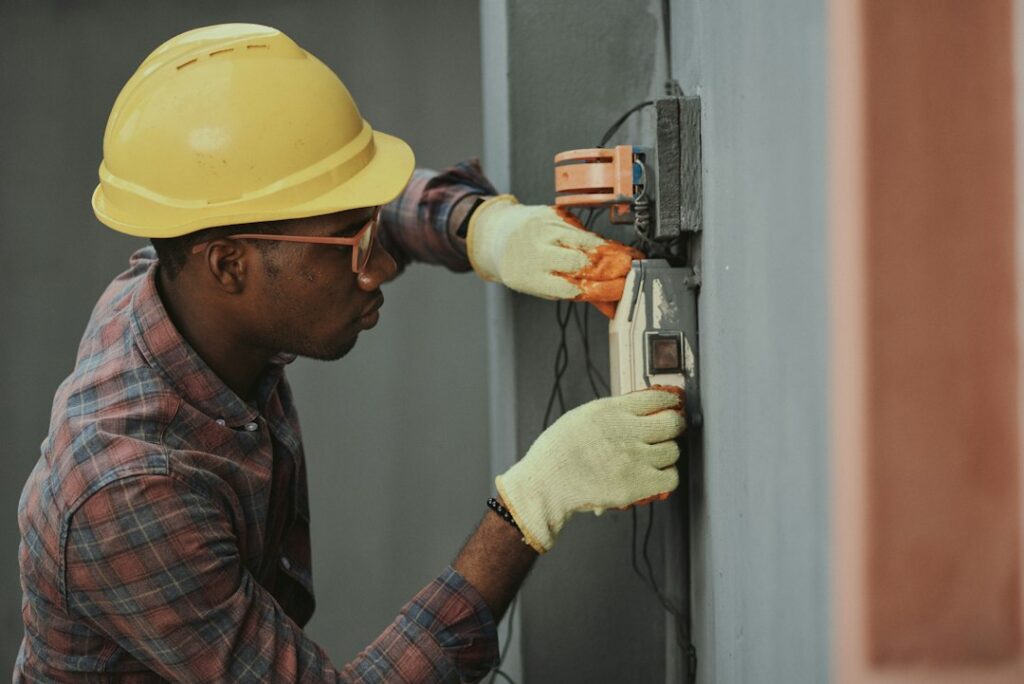
A typical electrician hourly rate in 2026 runs roughly $75 to $150 per hour nationally for a licensed journeyman or master electrician doing residential work, with apprentices billed lower and evening, weekend or emergency calls often billed at about one and a half to two times the standard rate. Most electricians also charge a trip or service-call fee, commonly about $50 to $150, or a minimum of one hour, so even a quick outlet swap rarely costs only a few minutes of labor. Many shops skip hourly billing for common tasks and quote a flat price instead. This guide explains the typical ranges, how hourly and flat-rate billing compare, what pushes an electrical bill up, which jobs genuinely need an electrician, how to read a quote and how a home inspection can narrow down what needs attention. All figures are typical national ranges, so get local written quotes before hiring.
Part of our Home Electrical guide — start there for the full picture →
Electrical problem? Talk to a licensed electrician.
📞 Call (877) 560-2714Typical Electrician Rates at a Glance
Electrical labor is priced by skill level, time of day and the type of work. The table summarizes typical national ranges for residential service.
| Rate or charge | Typical national range, 2026 (get local quotes) | Notes |
|---|---|---|
| Apprentice (billed with a licensed electrician) | About $40–$75 per hour | Works under supervision; often helps on larger jobs |
| Journeyman electrician, standard hours | About $75–$125 per hour | Outlets, fixtures, switches, circuit additions |
| Master electrician or electrical contractor | About $100–$175+ per hour | Panels, services, permits, troubleshooting, design |
| Trip or service-call fee | About $50–$150 | Sometimes credited toward the repair |
| Minimum charge | Often one hour of labor | Applies even to short visits |
| Evenings, weekends, holidays, emergencies | Often 1.5x–2x standard rate | Some shops use a flat emergency fee |
| Flat-rate task pricing | Varies by task | Fixed price quoted before work starts |
Rates usually run higher in large metro areas and in mountain communities, where travel time adds to every call. Specialty work, such as service upgrades, generator interlocks, EV charger circuits and troubleshooting intermittent faults, may be priced above general service rates. For an overview of who to call for which electrical problems, see our electrical hiring guide.
Hourly vs Flat-Rate: How Electricians Bill
The billing model often matters more than the rate itself.
Time and materials
With hourly billing, you pay for time on site, sometimes including travel, plus materials at the shop’s markup. Small, well-defined jobs can be inexpensive this way. The risk is the unknown: an old box with no room for a new device, aluminum branch wiring, a buried junction or a failed neutral can turn one hour into several. Hourly billing is the norm for diagnostic and troubleshooting work, where nobody can know the scope in advance.
Flat-rate task pricing
Many residential electrical contractors use a pricing book with fixed prices for common tasks, such as replacing a receptacle, installing a ceiling fan on an existing box, adding a GFCI device or swapping a breaker. You see the price before work starts, which removes surprise. The task price is designed to cover slower cases, so a quick job may cost more than it would hourly.
Project quotes
For larger work, such as a panel replacement, a new circuit for a kitchen remodel or a subpanel in a garage or basement, electricians typically quote a fixed project price that includes labor, materials, permit and inspection. Those quotes should be itemized enough that you can compare them.
A worked example
Suppose an electrician charges a $100 trip fee (credited if the work proceeds), $110 per hour with a one-hour minimum, and needs 2.5 hours to add a new outlet on an existing circuit, with $35 in materials. The labor is $275, the trip fee is credited, and the bill comes to about $310 before permit fees and tax. A flat-rate shop might quote a single figure for the same job. If it is in the same range, the flat rate buys certainty; if it is far higher, ask what is included. These numbers are illustrative only, not typical prices for a specific market.
What Drives the Cost of an Electrical Visit
- Diagnosis. Tracing an intermittent fault, a tripping breaker or a dead circuit can take longer than the repair itself.
- Access. Fishing wire through finished walls, insulated attics or ceilings under a second floor adds time. Drywall repair is often excluded.
- Age of the wiring. Older homes may have ungrounded circuits, cloth-insulated wire or overcrowded boxes. Some repairs trigger code-required updates to nearby work.
- Panel capacity. Adding circuits to a full panel may require tandem breakers where allowed, a subpanel or a panel upgrade. Our guide to the main breaker explains how service size limits what a home can add.
- Materials. Copper wire, breakers, AFCI and GFCI devices and specialty fixtures vary widely in price. Electricians typically mark up materials.
- Permits and inspections. New circuits, panels and service changes usually require a permit and inspection. Check with your city or county building department.
- Urgency and travel. After-hours calls and long drives to rural or foothill properties raise the bill.
Code updates are the cost driver homeowners most often miss. When an electrician modifies or extends a circuit, the local code may require bringing parts of that circuit up to current requirements, such as adding arc fault or ground fault protection or replacing a box that is too small for the number of wires. Those requirements are set by the jurisdiction, not the electrician, and they vary. A careful electrician will mention them when quoting rather than adding them mid-job, so ask up front whether the planned work is likely to trigger any upgrades and what they would add to the price. Asking the same question of each contractor also keeps competing quotes comparable.
Typical Labor Time for Common Electrical Jobs
These are rough rules of thumb for straightforward residential work with reasonable access. Older wiring, finished surfaces and code updates can extend them.
| Job | Typical labor time (rule of thumb) | What can stretch it |
|---|---|---|
| Replace a standard outlet or switch | Under 1 hour | Overcrowded box, damaged wire ends |
| Install a GFCI receptacle or breaker | About 0.5–1.5 hours | Shared neutrals, nuisance tripping to track down |
| Replace a light fixture or ceiling fan on an existing box | About 1–2 hours | Box not fan-rated, high ceilings |
| Add a new outlet on an existing circuit | About 1.5–3 hours | Fishing through finished walls or across studs |
| Run a new dedicated 240-volt circuit | About 3–6 hours | Distance from panel, panel space, wall access |
| Troubleshoot a dead or tripping circuit | About 1–3+ hours | Intermittent faults, hidden junctions |
| Replace a main panel | Typically a full day or more | Service changes, utility coordination, permit inspection |
For a dryer, range or EV circuit, our guide to the 220 outlet explains why these circuits take longer and why panel capacity matters.
Emergency Electrical Calls: When to Pay the Premium
Some electrical problems justify an immediate call at after-hours rates. Others can wait for normal hours if the affected circuit is turned off.
Call right away
- Burning smell, smoke, scorching or heat at an outlet, switch, fixture or the panel
- Sparking, buzzing or crackling at the panel
- A breaker that trips immediately every time it is reset
- Partial power loss that may indicate a failing service connection; contact the utility as well
- Water in contact with wiring or electrical equipment
If there is smoke or fire, leave the home and call 911. If there is a downed service line or a problem at the meter, contact the electric utility. Our guide to the electric meter explains which parts of the service belong to the utility and which belong to the homeowner.
Usually safe to schedule
- A single dead outlet on a circuit that otherwise works
- A light fixture that has stopped working with no burning smell
- A GFCI that will not reset, once the circuit is off and nothing appears damaged
The U.S. Fire Administration reports that in 2021, an estimated 24,200 residential building electrical fires were reported to U.S. fire departments, causing an estimated 295 deaths, 900 injuries and over $1.2 billion in property loss. That is the reason warning signs such as heat and burning odors deserve prompt attention even at a premium rate. USFA also advises not overloading outlets or power strips and replacing wall outlets if plugs do not fit snugly.
DIY or Hire: Which Jobs Need an Electrician
Hiring an electrician by the hour can feel expensive for simple work, but the trade-off is safety and compliance. OSHA notes that electricity has long been recognized as a serious workplace hazard, with dangers such as electric shock, electrocution, fires and explosions, which is why trained electricians follow strict safety practices on the job.
As a general guide, homeowners commonly handle tasks like replacing a bulb, swapping an LED retrofit trim into an existing can or plugging in a GFCI tester. ENERGY STAR, for example, describes LED retrofit kits for existing recessed lights as “no electrician needed,” while adding wiring for new overhead lighting is “generally a job for an electrician.” Anything involving new circuits, the panel, service equipment, aluminum wiring or a problem you cannot explain should go to a licensed electrician. Local rules on homeowner electrical work vary, so check with your building department before starting.
A simple outlet tester can help you describe a problem accurately before calling, which can shorten diagnosis time.
Apprentice, Journeyman and Master: What the Levels Mean for Your Bill
Electrical shops often send a crew rather than a single person, and the mix of skill levels on the invoice affects the total.
Apprentices
Apprentices are in training and work under the supervision of licensed electricians. Their billed rate is lower, and on larger jobs, such as running several circuits for a remodel, an apprentice handling pulls and prep can reduce the overall labor cost. On a small service call, a two-person crew billed at combined rates may cost more than a single electrician would.
Journeymen
Journeyman electricians handle most routine residential work, such as devices, fixtures, circuits and many troubleshooting calls. Their rate is the one most homeowners see on typical service invoices.
Masters and contractors
Master electricians and electrical contractors typically take responsibility for permits, design, panel and service work and complex diagnosis. A higher hourly rate can still produce a lower bill if experience shortens troubleshooting time. Ask who will actually be on site and how each person is billed.
Repair or upgrade: a rule of thumb
When an electrician recommends replacing rather than repairing, the logic usually turns on age and repeat visits. As a rule of thumb, if the same panel, circuit or device has needed several paid visits in a short period, or the repair cost is approaching a large share of the replacement price, replacement is often the better value. Panels with known problems, scorched bus bars or no capacity for planned loads are common candidates. Ask the electrician to explain the specific condition behind the recommendation and, for large jobs, get a second written quote before committing.
Licensing and Choosing an Electrician in Colorado
Colorado requires licensed electricians. Verify a license with the state’s Department of Regulatory Agencies (DORA) before hiring, and confirm the details that apply to your job directly with the electrician and your local building department.
Additional checks:
- Ask for proof of liability insurance
- Confirm who pulls the permit and schedules the inspection
- Ask whether the person on site is licensed or working under a licensed electrician’s supervision
- Ask how labor warranty claims are handled
- Read recent reviews for patterns, such as surprise fees or high-pressure upselling
How to Read an Electrical Quote or Invoice
For anything beyond a small repair, get two or three written quotes. For urgent visits, ask for pricing in writing (a text or email is fine) before work starts.
What should be on it
- Trip or diagnostic fee, and whether it is credited
- Hourly rate and estimated hours, or the flat task price
- Itemized materials, including breaker and device types such as AFCI or GFCI
- Permit and inspection fees
- After-hours surcharge, if any
- Scope of patching and cleanup, or a clear note that it is excluded
- Labor warranty and manufacturer warranties
Red flags
- No price before work starts, or reluctance to put it in writing
- Panel or whole-house rewire pitches without a clear explanation, photos or a description of what is wrong
- Suggestions to skip the permit on new circuits or panel work
- Same-day-only discounts on large jobs
- Lump-sum “materials and labor” with no breakdown
- Unwillingness to confirm a license or show insurance
Questions to ask
- Do you bill hourly or flat-rate, and is there a trip fee?
- When do after-hours rates begin?
- What could make this job take longer than expected?
- Will this work need a permit, and will you schedule the inspection?
- Does my panel have capacity for this, and how did you check?
Ways to Reduce What You Pay
- Batch small jobs into one visit to pay the trip fee and minimum once.
- Label your panel before the visit; unlabeled breakers add time to almost every job.
- Clear access to the panel, attic hatch and work areas.
- Describe symptoms precisely, including when a breaker trips and what was running at the time.
- Plan electrical work into remodels while walls and ceilings are open.
- Supply fixtures only with agreement, since the electrician may limit warranty on customer-supplied parts.
Front Range Electrical Factors
- Lightning and surges. Summer thunderstorms are common along the Front Range, and some homeowners add whole-house surge protection at the panel during other electrical work.
- Older homes and additions. Many older neighborhoods have original panels and wiring, plus additions wired at different times. That can make troubleshooting slower.
- Winter loads. Space heaters and heat tape for freezing pipes add winter load to circuits that may already be near capacity.
- Local permits. Denver, Aurora, Colorado Springs, Fort Collins and county jurisdictions each run their own electrical permit process. Check with your city or county building department.
How a Home Inspection Fits In
The ASHI Standard of Practice directs a home inspector to inspect the service drop, service entrance conductors, service equipment and main disconnects, service grounding, the interior components of service panels and subpanels, conductors, overcurrent protection devices, a representative number of lighting fixtures, switches and receptacles, and ground fault and arc fault circuit interrupters. The inspector also describes the amperage rating of the service and the predominant branch circuit wiring method.
That gives buyers and homeowners a prioritized list before paying hourly rates. Common findings include double-tapped breakers, missing GFCI protection in wet areas, open junction boxes, ungrounded outlets, signs of overheating and amateur wiring. An inspection is visual, not a full electrical evaluation, so flagged issues are usually referred to a licensed electrician for further evaluation and repair. If you are buying a home and want the electrical system checked before closing, contact our team to schedule a Front Range inspection.
More Questions About Electrician Rates
Do electricians charge for estimates?
Many electricians provide free estimates for larger projects such as panel upgrades, rewiring or new circuits, but charge a service-call fee for diagnostic visits. Troubleshooting a problem like a dead circuit or tripping breaker requires on-site testing, so that time is usually billed even if no repair follows. Some contractors credit the diagnostic fee toward the repair if the homeowner proceeds. Asking whether an estimate is free, and whether any service fee is credited, before scheduling the visit avoids confusion on the invoice.
How much does an electrician charge to install a ceiling fan?
Installing a ceiling fan where a light fixture already exists typically costs a few hundred dollars in labor, often around $150 to $350, depending on ceiling height and fan complexity. The price rises when the electrical box is not fan-rated and must be replaced, when new wiring or a wall switch is needed, or when the ceiling is vaulted. Fans with remote controls or integrated lighting can add time. Ask whether the quote includes a fan-rated box, because hanging a fan from a standard light box is a common safety problem.
Is it worth paying more for a master electrician?
Paying more for a master electrician is usually worth it for complex work such as panel replacements, service upgrades, troubleshooting persistent faults or design-heavy remodels. For simple, well-defined tasks like swapping fixtures or adding outlets on existing circuits, a licensed journeyman working under a reputable contractor is often a better value. The key protections are a valid license, proper insurance and permits where required. Many companies send the right level of electrician for each job, so homeowners can ask who will do the work.
How much does an electrician cost on weekends?
Weekend electrician rates are typically higher than weekday rates, often time-and-a-half or more, and some companies add a separate after-hours service fee. Holiday and overnight calls often cost even more. Emergencies such as burning smells, sparking, a hot panel or a total power loss not caused by the utility can justify the premium. Non-urgent work, like adding outlets or replacing a fixture, is usually cheaper to schedule during normal business hours, and making the situation safe by turning off the breaker can help it wait.
References
- Appliance and Electrical Fire Safety — U.S. Fire Administration
- Electrical Safety Overview — Occupational Safety and Health Administration
- How to Choose and Install Recessed Lighting — ENERGY STAR
- ASHI Standard of Practice for Home Inspection — American Society of Home Inspectors
Frequently asked questions
How much does an electrician charge per hour?
A typical national range is about $75 to $150 per hour for licensed residential work, with master electricians and specialty work at the higher end and apprentices billed lower. Most also charge a trip fee or a one-hour minimum.
Why is there a minimum charge for small electrical jobs?
The minimum covers travel, vehicle and tool costs and the time needed to diagnose the problem safely. Batching several small tasks into one visit is the easiest way to get more value from the minimum.
Is flat-rate electrical pricing better than hourly?
Flat-rate pricing gives a fixed number before work starts, which protects against a job running long. It can cost more than hourly on simple tasks, so compare written quotes for the same work.
How much more do emergency electricians charge?
After-hours, weekend and holiday calls are often billed at about 1.5 to 2 times the standard rate, or with a flat emergency fee. Burning smells, heat or sparking justify the premium; a single dead outlet usually does not.
How can homeowners verify an electrician's license in Colorado?
Colorado requires licensed electricians. Verify a license with the state's Department of Regulatory Agencies (DORA), and ask for proof of insurance and who will pull any required permit.
Do electricians charge for travel time?
Many electricians charge a trip or service-call fee that covers travel, while others bill travel time at the hourly rate, especially for distant or rural locations. Some companies set a service area with a flat fee and charge extra beyond it. Asking how travel is billed before booking helps compare quotes accurately.
Do electricians charge more for small jobs?
Small electrical jobs often cost more per task because electricians charge a minimum fee, commonly a one-hour minimum or a fixed service charge, to cover travel and setup. Grouping several small tasks into one visit, such as replacing outlets, adding a GFCI and swapping a fixture, usually lowers the cost per item considerably.
Can homeowners buy their own materials to save on electrical work?
Some electricians allow homeowners to supply fixtures or devices, but many prefer to provide materials so they can stand behind the quality and warranty. Contractors may charge the same labor rate either way and decline to warranty customer-supplied parts. Buying decorative items like fixtures and fans is common, while wiring, breakers and boxes are usually best left to the electrician.
Want the electrical system in a home you are buying checked before you start paying hourly rates? Get in touch with our team to arrange a Front Range home inspection.