Can You Use Bleach on Mold? What to Know
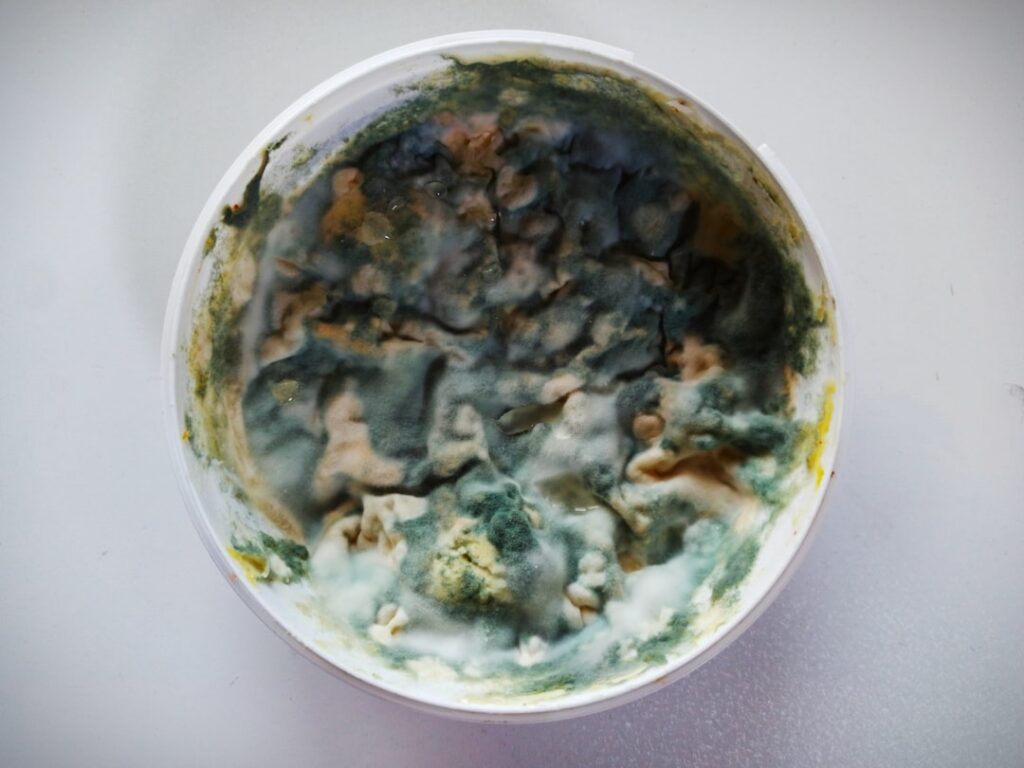
Reaching for the bleach bottle is instinctive when mold appears, but instinct and effectiveness do not always line up. So can you use bleach on mold? On hard, non-porous surfaces, yes; on the porous materials where mold causes lasting damage, it mostly disappoints. This guide summarizes EPA and CDC guidance current as of 2026 and is educational only; consult your physician about symptoms and a certified professional for large or persistent growth.
Is this mold, asbestos, or water damage? Get a free instant screen
Upload a clear photo of the suspect area. You'll get an instant AI screening opinion and what to do next. This is screening guidance, not a professional determination.
Screening guidance only. AI can be wrong. Confirm asbestos, mold type, or lead with lab testing or a licensed professional before acting.
Can you use bleach on mold effectively?
Bleach can remove mold and its staining from non-porous surfaces such as tile, glass, sealed metal, and plastic. On these materials the growth sits on top, so bleach reaches it directly. The trouble starts with porous materials, where the EPA notes that mold grows roots into the substrate that surface treatments cannot eliminate.
The CDC’s guidance is that soap and water scrubbing handles routine mold cleanup, and the EPA states that bleach is not required. That positioning matters: many homeowners assume bleach is the gold standard, when in practice it is one acceptable option for hard surfaces and a poor one for drywall, wood, and grout.
The science of why bleach struggles on porous surfaces
Household bleach is mostly water carrying sodium hypochlorite. On a porous surface, the chlorine reacts at the surface but cannot travel into the material, while the water content soaks deeper. That residual moisture can sustain the very mold roots, called hyphae, that survived the treatment.
The result is a stain that lightens and a colony that lives on below. Within weeks, fresh growth reappears, and the homeowner repeats a cycle that never resolves the problem. For a closer look at this failure pattern, our guide on bleach on black mold details when the chemistry works and when it merely masks the issue.
Surfaces where bleach is a reasonable choice
Bleach performs well on bathroom tile, shower glass, sealed countertops, tubs, and finished metal fixtures. For these, a diluted solution, roughly one cup of bleach per gallon of water, removes both the mold and the discoloration. Apply, let it dwell briefly, scrub, rinse, and dry the surface completely.
Drying is not optional. Any moisture left behind invites recolonization, so a fan or good airflow after cleaning is part of the job. On these non-porous surfaces, bleach plus thorough drying is a legitimate small-scale solution.
Where bleach should not be your tool
Avoid relying on bleach for drywall, unsealed wood, carpet, insulation, and ceiling tiles. The EPA advises removing porous materials with significant growth rather than disinfecting them in place. Attempting to bleach moldy drywall typically yields a cosmetic improvement followed by regrowth; replacement, as covered in our guide to removing mold from drywall, is the lasting fix.
Handling bleach safely
Bleach demands respect. Never combine it with ammonia or vinegar, since those mixtures release toxic gases that can injure the lungs. The CDC specifically warns against mixing cleaning products for this reason.
Ventilate the room, wear non-porous gloves and eye protection, and consider an N95 respirator because the fumes irritate the airways. People with asthma, allergies, or chemical sensitivities should avoid bleach indoors and use a gentler agent or delegate the task. Keep bleach away from fabrics and surfaces it can discolor or corrode.
Effective alternatives to bleach
Several substitutes work across more situations. Distilled white vinegar penetrates slightly into porous surfaces and disrupts many mold species, though it acts slowly. Hydrogen peroxide has antifungal activity and decomposes safely into water and oxygen. Detergent and water, the EPA’s baseline recommendation, physically removes mold from most surfaces when scrubbed well.
For ongoing prevention, the most important “product” is moisture control. No cleaning agent keeps mold away if the underlying dampness persists, which is why diagnosis matters. Our broader mold inspection and testing hub explains how to locate the water source that feeds recurring growth.
What the EPA recommends over bleach
The EPA reframes the goal: remove mold and control moisture rather than chase a kill. Because dead spores can still cause allergic reactions, a bleached surface that still harbors residue is not truly clean. Scrubbing with detergent and water, then drying, meets the agency’s standard for most small jobs without any chlorine at all.
The agency also insists on fixing the water problem first. A leak, condensation, or high humidity left unaddressed will undo any cleaning. This is why remediation professionals treat moisture as the first and last step of every job.
Surface-by-surface guidance
The right answer changes with the material. On bathroom tile and glass, bleach removes both growth and staining and is a reasonable choice followed by drying. On grout, a porous material, bleach lightens the surface but tends to allow regrowth; a borax paste left to sit in the pores often holds longer. On caulk and silicone sealant, mold frequently roots into micro-cracks, and replacing the bead is usually more durable than repeated bleaching.
On painted drywall, bleach works only while the paint film is intact; once the film is breached, the porous drywall beneath absorbs water and the treatment fails. On bare or unsealed wood, vinegar or a borax solution penetrates the grain better than bleach, though heavy growth in framing may need sanding or replacement. Matching the cleaner and the method to the surface is what determines whether the mold stays gone.
The dead-mold misconception
Many homeowners assume that killing mold equals solving the problem, but the EPA frames the goal differently: remove the growth and control the moisture. Dead spores can still trigger allergic reactions, so a surface where bleach killed the mold but left residue is not truly clean. This is why “does bleach kill mold” is the wrong question; the better question is whether the mold and its moisture source are actually gone.
That reframing matters for bleach specifically, because its visible whitening effect creates a strong impression of success. A bleached stain looks resolved even when living growth persists beneath a porous surface, leading to repeated treatments that never fix the underlying dampness. Recognizing that removal and moisture control, not a kill, define success helps avoid that cycle.
When the job is too big for any household cleaner
Bleach and other home cleaners are wrong for large areas, hidden growth inside walls, HVAC contamination, and any mold tied to sewage or floodwater. The EPA suggests professional remediation for growth beyond roughly ten square feet, where containment, negative air pressure, and HEPA filtration are needed to keep spores from spreading. In these cases, bleach offers a false sense of completion while the colony continues. A professional also brings the equipment to find and correct the moisture source, which is the only thing that keeps mold from returning regardless of the cleaner used.
What household bleach actually is
Knowing the makeup of bleach explains its behavior. Household chlorine bleach is a dilute solution of sodium hypochlorite, commonly around five to six percent, with the remainder being water. The hypochlorite is the active agent that oxidizes and removes mold and its color; the water is simply the carrier. On a non-porous surface, the active agent does its work and the water evaporates, leaving a clean surface once dried.
On a porous surface, that carrier water is the problem. The hypochlorite reacts and is spent at the surface, unable to migrate into the material, while the water soaks in and lingers in the pores. That residual moisture can keep the embedded mold roots alive, which is precisely why a bleached drywall stain reappears. The same property that makes bleach work on tile undermines it on drywall, a distinction that comes directly from what bleach is made of.
Detergent, vinegar, or bleach: a practical decision
Faced with a moldy surface, most homeowners are really choosing among three options. Detergent and water, the EPA baseline, removes mold from nearly any surface through scrubbing, with no fumes or mixing hazard, though it may leave staining on a discolored non-porous surface. Vinegar penetrates slightly into porous materials and disrupts many species, working slowly and leaving a fading odor. Bleach removes growth and lifts staining on hard, non-porous surfaces but fails on porous ones and carries handling hazards.
The decision comes down to surface and goal. For a porous surface, skip bleach and use vinegar or remove the material. For a non-porous surface where staining matters, bleach is reasonable with ventilation and protection. For most everyday cleanup where you just want the growth gone, detergent and thorough drying do the job with the least risk. There is rarely a reason to reach for bleach reflexively when the surface and the goal point to a safer, equally effective choice.
Confirming a cleanup actually worked
Whether you used bleach or another agent, the cleanup is not finished until you confirm it held. Dry the surface completely, because any lingering moisture invites recolonization no matter how well you scrubbed. Then monitor the area over the following weeks. A surface that stays clean tells you the moisture source was resolved; returning growth tells you it was not.
If mold comes back, the productive response is to find the water, not to apply more bleach. Recurring growth points to condensation, a slow leak, poor ventilation, or high humidity, and addressing that source is the only durable fix. Keeping indoor relative humidity between 30 and 50 percent, venting moisture-heavy rooms, and repairing leaks promptly remove what the mold depends on. The recurrence is a useful signal: it means the problem is moisture rather than insufficient cleaning, which points you toward the fix that ends the cycle instead of repeating it.
Protecting yourself while cleaning
Cleaning mold disturbs the colony and releases spores, so protection is part of every job regardless of the agent used. The CDC and EPA recommend an N95 respirator rather than a cloth or surgical mask, non-porous gloves that reach up the forearm, and goggles without vent holes. Bleach adds the hazard of irritating fumes, which is one more reason to ventilate thoroughly and avoid using it in enclosed spaces.
Reduce exposure with ventilation and basic containment. Open windows, run a fan toward the outside, and for larger spots seal the room with plastic sheeting to keep spores from spreading. Misting the surface lightly before scrubbing weighs down spores so fewer become airborne. People with asthma, allergies, or weakened immune systems should avoid doing the work themselves and let someone else handle it, since the spore exposure during cleanup is exactly when sensitive individuals are most at risk. The protective gear is not optional even for small jobs, because the act of scrubbing is what lifts spores into the air you breathe. A few dollars of disposable respirators and gloves cost far less than the discomfort of a reaction, and they let you finish the job without trading a mold problem for a health one. Treating protection as a routine first step, rather than an afterthought, is the mark of a cleanup done correctly regardless of which agent you reach for. The same discipline applies to the cleanup site itself: keep children and pets out of the area while you work and until it has dried and aired out, since they are often more sensitive to both spores and cleaning fumes. A little preparation, gear on, area ventilated, bystanders cleared, makes the difference between a controlled task and one that spreads spores or exposes the household unnecessarily.
References
- Mold Cleanup in Your Home — U.S. Environmental Protection Agency
- About Mold and Health — Centers for Disease Control and Prevention
- A Brief Guide to Mold, Moisture and Your Home — U.S. Environmental Protection Agency
- Mold and Dampness Indoors — American Lung Association
If mold keeps returning in your Front Range home after cleaning, get in touch through our contact page to connect with a vetted local inspector who can trace the moisture source.