Best Deck Paint (2026): 6 Coatings Compared by Deck Condition
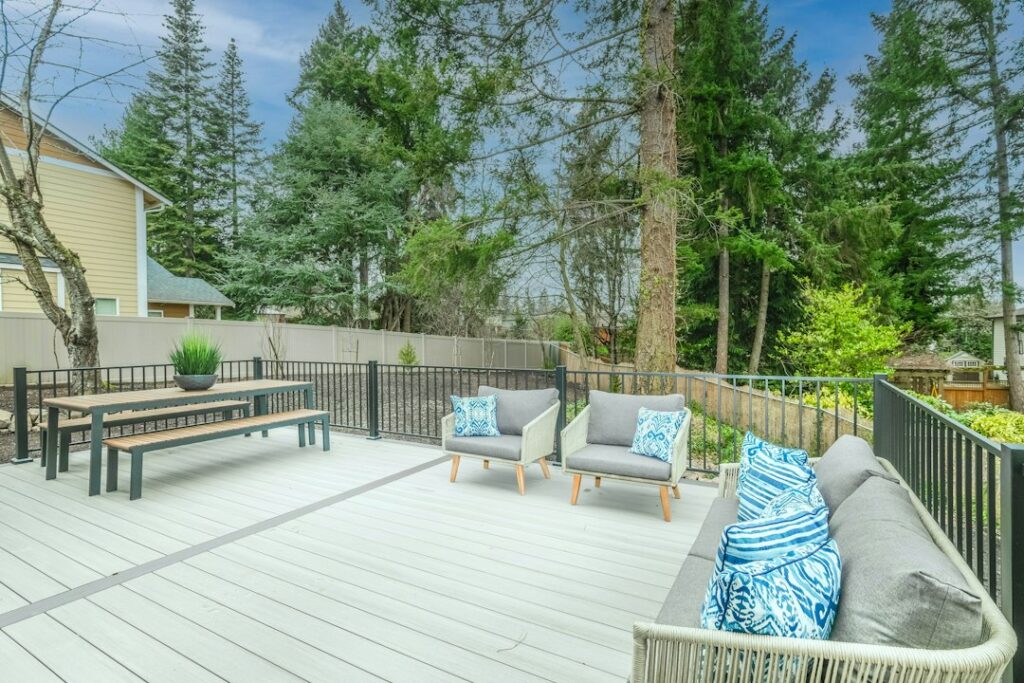
The best deck paint for your project depends less on color than on the condition of the boards underneath. Sound, previously painted boards can take a conventional porch and floor enamel. Gray, checked and splintering boards need a thick resurfacer that bridges cracks. Stairs and shaded areas that stay damp need texture for grip. And a deck that is soft, loose or rotting needs repair, not paint. This guide compares six coatings by that first question, then covers prep, lead-paint precautions on older decks, how paint behaves in Colorado sun and snow, and when to stop and get the structure checked.
Part of our Structure & Exterior guide — start there for the full picture →
As an Amazon Associate we earn from qualifying purchases.
How we compared: we compared 9 current Amazon listings on what each states: chemistry, film type, coverage per gallon, texture, surfaces named and recoat or cure guidance. Eight are deck paints or coatings; one is a semi-transparent stain and sealer that we used for contrast but did not pick. Rollers, brushes, sprayers and furniture paint that came up in the same searches were set aside. We did not lab-test any product or apply it hands-on. Prices and availability change often, so check the current listing before buying.
Quick picks: the best deck paints by deck condition
| Product | Best for | Key features | Price | Buy |
|---|---|---|---|---|
| KILZ Porch and Patio Floor Paint | Best for sound, smooth boards |
| $40.29as of Nov 19, 2026 10:44 pm GMT+0000 | Buy now →Check current price |
| KILZ Over Armor Resurfacer | Best for weathered, cracked decks |
| — | Buy now →Check current price |
| Liquid Rubber Deck Coating | Best waterproof membrane |
| $99.95as of Nov 19, 2026 10:44 pm GMT+0000 | Buy now →Check current price |
| Ames Safe-T-Deck | Best barefoot-friendly texture |
| $57.95as of Nov 19, 2026 10:44 pm GMT+0000 | Buy now →Check current price |
| RTG Anti-Slip Paint | Best for stairs and small areas |
| $34.99as of Nov 19, 2026 10:44 pm GMT+0000 | Buy now →Check current price |
| TotalBoat TotalTread | Best for docks and wet decks |
| $129.99as of Nov 19, 2026 10:44 pm GMT+0000 | Buy now →Check current price |
Prices are Amazon’s listed prices as of the time shown and change often; check Amazon for today’s price. As an Amazon Associate we earn from qualifying purchases.
The 6 picks, compared listing by listing
1. KILZ Porch and Patio Latex Floor Paint (Slate Gray) — Best for Sound, Smooth Boards

100% acrylic latex low-lustre enamel for decks, porches and patios; 300 to 400 sq ft per gallon, recoat in 4 to 6 hours.
Check price on Amazon$40.29 as of Nov 19, 2026 10:44 pm GMT+0000 — prices change; see Amazon for current price.Why we like it
- Highest stated coverage among the deck paints
- Fast dry: touch in 1 hour, recoat in 4 to 6
- Goes over previously painted or primed surfaces
- Lifetime limited warranty on the label
| Specification | Details |
|---|---|
| Chemistry | 100% acrylic latex, water-based |
| Finish | Low-lustre enamel, smooth |
| Coverage | 300 to 400 sq ft per gallon smooth; 200 to 300 rough |
| Dry / recoat | Dry to touch in 1 hour; recoat in 4 to 6 hours |
| Uses named | Porches, floors, decks, basements, patios, siding, trim; not for vehicle tires |
| Model / warranty | L573711; lifetime limited warranty (see label) |
KILZ L573711 — 100% acrylic latex porch and floor enamel, 300–400 sq ft/gal, 1-hour touch dry, 4–6 h recoat
The Only Smooth-Finish Deck Paint on the Shelf
Seven of the eight deck coatings on this shelf are textured: the two resurfacers, the two Liquid Rubber textured colors, the granulated Ames coating, the RTG anti-slip paint and TotalBoat’s non-skid. KILZ Porch and Patio is the only conventional smooth enamel, and that is exactly why it is the right pick for boards that are still flat, tight and previously painted. A smooth film is easier to clean and recoat, and it shows the wood grain profile rather than burying it.
It also states the best coverage among the deck-specific products, 300 to 400 sq ft per gallon on smooth surfaces. The thick resurfacers cover a fraction of that because they are building a much heavier film.
What it will not do is fill cracks or hide splinters. A low-lustre finish can also be slippery when wet, so stairs and shaded areas may need an anti-slip additive or a textured product. The listing says it is for previously painted or primed surfaces, so bare wood needs a primer first.
Pros
- Best stated coverage of the deck paints
- Quick dry and recoat
- Smooth finish is easy to clean
- Works on decks, porches and siding
Cons
- No texture for wet-weather grip
- Will not bridge cracks or splinters
- Bare wood needs a primer first
Check KILZ Porch and Patio Floor Paint price on Amazon
2. KILZ Over Armor Textured Resurfacer (Redwood) — Best for Weathered, Cracked Decks
Thick textured resurfacer that fills cracks up to 1/4 inch on wood, composite and concrete; about 75 sq ft per gallon.
Check price on AmazonWhy we like it
- Fills cracks up to 1/4 inch per listing
- Hides splinters on aging boards
- Rated for wood, composite and concrete
- Textured surface adds grip
| Specification | Details |
|---|---|
| Type | Thick, textured, solid-color deck resurfacer |
| Crack filling | Up to 1/4 inch |
| Coverage | About 75 sq ft per gallon with 2 coats |
| Surfaces | Wood decks, porches, docks, composite, concrete patios and pool decks |
| Finish | Textured, slip-resistant, described as waterproof |
| Model | L392501 (redwood) |
KILZ Over Armor L392501 — textured resurfacer, fills cracks to 1/4 in, ~75 sq ft/gal (2 coats), wood/composite/concrete
The Only Listing That States a Crack-Fill Width
Several listings say they restore old surfaces, but Over Armor is the only one that puts a number on it: cracks up to a quarter inch. That makes it the most specific choice for gray, checked boards that would show every flaw through a thin paint. It is also the only deck coating on the shelf that names composite decking as a suitable surface.
The coverage is the honest cost of a thick product. About 75 sq ft per gallon for two coats means a 12 by 16 foot deck, at 192 sq ft, needs roughly three gallons before railings and stairs. The listing also advises filling large cracks and damaged areas before applying.
Resurfacers are a commitment. Once a thick textured film is on a deck, going back to a stain or bare wood means stripping or replacing boards. The listing does not state a recoat or dry time.
Pros
- Bridges cracks up to 1/4 inch
- Slip-resistant texture
- Wood, composite and concrete in one product
Cons
- Low coverage per gallon
- Hard to reverse once applied
- Dry and recoat times not stated
Check KILZ Over Armor Resurfacer price on Amazon
3. Liquid Rubber Polyurethane Deck Coating (Textured Stone Grey) — Best Waterproof Membrane

Textured polyurethane coating that builds a flexible membrane; about 50 sq ft per gallon, applied at 50 to 100 F.
Check price on Amazon$99.95 as of Nov 19, 2026 10:44 pm GMT+0000 — prices change; see Amazon for current price.Why we like it
- Builds a flexible polyurethane membrane
- Most detailed application guidance on the shelf
- Smooth or textured versions available
- Names wood, concrete, plywood and metal
| Specification | Details |
|---|---|
| Chemistry | Polyurethane membrane coating |
| Coverage | About 50 sq ft of final coverage per gallon; about 4 gallons for a 200 sq ft deck |
| Application temperature | 50 to 100 F; avoid hot direct sun and evening dew |
| System | Brand cleaner, primer on most surfaces, geo-textile at seams |
| Texture | Textured (extra grip); smooth version sold separately |
| Model / weight | 16003; 9.3 lb per gallon |
Liquid Rubber 16003 — textured polyurethane deck membrane, ~50 sq ft/gal, apply 50–100 F, primer + seam fabric system
The Only Listing That States an Application Temperature Range
None of the other deck coatings gives an application temperature window. Liquid Rubber states 50 to 100 F and warns against hot direct sun and late-day application when dew is expected. That level of detail is useful on the Front Range, where a deck can swing from cool morning dew to hot afternoon sun in a few hours.
It is also the most honest listing about coverage. One gallon gives about 50 sq ft of finished coverage, and a 200 sq ft deck needs about four gallons, because waterproofing comes from building the membrane to thickness, not from one heavy coat. That is the lowest coverage on the shelf. The listing also asks for the brand’s cleaner, primer on most surfaces and geo-textile fabric at seams, so the real cost is a system, not a single can.
A membrane is a good fit for a plywood deck over living space or a deck that sheds water onto a patio below. On a standard gapped-board deck, a full waterproof membrane is more than most buyers need.
Pros
- Flexible membrane, not just a paint film
- Clear temperature and prep instructions
- Textured version adds grip
Cons
- Lowest coverage per gallon on the shelf
- Needs primer and seam fabric on most jobs
- Overkill for ordinary gapped decking
Check Liquid Rubber Deck Coating price on Amazon
4. Ames Safe-T-Deck Granulated Coating (Greyhound) — Best Barefoot-Friendly Texture

Granulated acrylic deck coating with a matte, slip-resistant texture; 150 sq ft per gallon per coat, two coats minimum.
Check price on Amazon$57.95 as of Nov 19, 2026 10:44 pm GMT+0000 — prices change; see Amazon for current price.Why we like it
- Textured but described as barefoot-friendly
- Adhesion said to lock down splinters
- Can be tinted to 12 custom colors
- Brush, roll or hopper-gun spray
| Specification | Details |
|---|---|
| Chemistry | Granulated, water-based acrylic |
| Finish | Textured, slip-resistant matte |
| Coverage | 150 sq ft per gallon per coat; 2 coats minimum |
| Surfaces | Exterior wood and concrete or masonry |
| Application | Brush, roller or drywall hopper sprayer; water cleanup, low VOC |
| Model / origin | SD1GHD; made in the USA |
Ames Safe-T-Deck SD1GHD — granulated acrylic, matte textured, 150 sq ft/gal/coat, 2-coat minimum, low VOC, USA-made
The Only Textured Coating Described as Barefoot-Friendly
Texture usually trades comfort for grip. Liquid Rubber steers barefoot traffic to its smooth version, and Ames is the only textured coating on the shelf described as barefoot-friendly, which matters on a deck beside a hot tub or where kids run around without shoes. Its listing also says the coating’s adhesion locks down splinters in dimensional lumber, which positions it between a smooth paint and a crack-filling resurfacer.
At 150 sq ft per gallon per coat with a two-coat minimum, it lands in the middle on coverage: about double Over Armor and three times Liquid Rubber, but well under the smooth KILZ enamel. It is also the only listing that mentions a drywall hopper sprayer, a practical option for big decks.
The listing does not name a crack-fill width, so it will not hide wide checks the way Over Armor claims to. Dry and recoat times are not stated.
Pros
- Grip without a harsh texture
- Tintable to custom colors
- Several application methods
Cons
- Two coats minimum doubles the work
- No stated crack-fill width
- Dry and recoat times not listed
Check Ames Safe-T-Deck price on Amazon
5. RTG Deck, Porch and Patio Anti-Slip Paint (Quart, White) — Best for Stairs and Small Areas
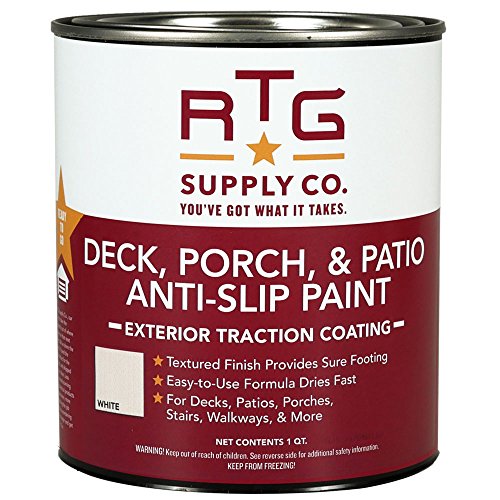
Water-based polyurethane anti-slip paint for wood, masonry and sealed concrete; one quart covers 80 to 100 sq ft.
Check price on Amazon$34.99 as of Nov 19, 2026 10:44 pm GMT+0000 — prices change; see Amazon for current price.Why we like it
- Quart size suits stairs, landings and ramps
- No priming needed per listing
- Non-abrasive traction additive
- Clear/amber option keeps wood visible
| Specification | Details |
|---|---|
| Chemistry | Water-based polyurethane, low odor, low VOC |
| Coverage | One quart covers 80 to 100 sq ft |
| Surfaces | Properly prepared sealed concrete, masonry and wood |
| Texture | Textured, with a traction additive described as non-abrasive |
| Colors | White, light gray, sand, clear/amber |
| Roller guidance | 1/4 to 3/8 inch nap for smooth surfaces; 1/2 to 3/4 inch for masonry |
RTG 512596 — water-based polyurethane anti-slip paint, quart covers 80–100 sq ft, no primer, 4 colors incl. clear/amber
The Only Anti-Slip Coating With a Clear Option
RTG is the only listing on the shelf that offers a clear/amber version, so it can add traction to stair treads without covering a stained or natural wood look. It is also the only listing that gives roller nap guidance for different surface textures, which helps avoid a thin, patchy coat on rough boards.
Sold by the quart, it covers 80 to 100 sq ft, so it is sized for stairs, a landing or a ramp rather than a full deck surface. That makes it a sensible partner for the smooth KILZ enamel: paint the field with KILZ, then treat the stairs with RTG. Confirm compatibility between products on a test area first; the listing does not address topcoating other paints.
Pros
- Clear option keeps wood visible
- No primer needed per listing
- Roller guidance included
Cons
- Quart size only covers small areas
- Concrete must already be sealed
- Compatibility over other paints not stated
Check RTG Anti-Slip Paint price on Amazon
6. TotalBoat TotalTread Non-Skid Deck Paint (Light Gray, Gallon) — Best for Docks and Wet Decks

Marine one-part polyurethane non-skid paint with rubberized texture; 350 to 400 sq ft per gallon on wood and fiberglass.
Check price on Amazon$129.99 as of Nov 19, 2026 10:44 pm GMT+0000 — prices change; see Amazon for current price.Why we like it
- Marine-grade polyurethane built for constant wetting
- Rubberized texture, less abrasive than silica
- High coverage for a textured coating
- Second coat adds more traction
| Specification | Details |
|---|---|
| Chemistry | One-part polyurethane, marine non-skid |
| Coverage | 350 to 400 sq ft per gallon |
| Texture | Rubberized, low-glare, high-traction |
| Surfaces | Fiberglass, wood, primed aluminum and metals, previously painted surfaces, concrete |
| Uses named | Boat decks, docks, stairs, steps, patios |
| Model / weight | TB-0121G; 11.5 lb per gallon |
TotalBoat TB-0121G — 1-part polyurethane non-skid, 350–400 sq ft/gal, rubberized low-glare texture, wood/fiberglass/metal
The Highest Stated Coverage Among the Textured Coatings
Among the seven textured coatings on the shelf, TotalTread states the best coverage at 350 to 400 sq ft per gallon. It reaches that number because its texture comes from a rubberized additive in a relatively thin film, not from a thick resurfacing layer. Two TotalTread listings appear on the shelf, a gallon and a quart in sand beige.
It is designed for boats, which makes it a natural fit for a lake dock, a hot-tub surround or a deck that stays wet in the shade. For ordinary residential decks it is a niche choice: the color range is limited to four marine neutrals, and the listing does not discuss bare pressure-treated lumber or primers for wood.
Pros
- Best coverage of the textured options
- Comfortable rubberized grip
- Bonds to wood, fiberglass and primed metal
Cons
- Limited color range
- No guidance for bare treated lumber
- Will not fill cracks
Check TotalBoat TotalTread price on Amazon
Paint, resurfacer or stain: which does your deck need?
A quick way to decide is to look at the boards and the existing finish.
- Boards are flat and tight, and already painted. A smooth porch and floor enamel is the simplest choice. Repaint every few years before the film breaks down.
- Boards are gray, checked or splintering, but solid. A thick resurfacer or granulated coating hides flaws and adds grip. Expect lower coverage and a finish that is hard to reverse.
- The deck is plywood or sheds water onto living space below. A membrane-style coating is the category built for that job.
- The boards are bare or stained, and you like the wood look. A penetrating stain or sealer, like the Ready Seal listing we used for contrast, soaks in rather than forming a film. Stains wear away gradually instead of peeling, which makes recoating easier.
Film-forming paints and coatings on a horizontal surface hold water against the wood if the film cracks, and that is where peeling starts. Whatever you choose, follow the label’s guidance on moisture content and dry weather. Our main deck paint guide explains film versus penetrating finishes in more detail, and our paint sheen guide covers how gloss level affects slip and cleanability.
Prep: the step that decides how long deck paint lasts
- Inspect first. Probe boards, joists and posts with a screwdriver. Soft spots are rot, and paint will not stop it.
- Fix fasteners. Drive down popped nails or replace them with deck screws; set screw heads flush.
- Clean. Use a deck cleaner suited to the existing finish and rinse well. Let the wood dry for the time the coating label requires, often two days or more.
- Remove loose paint. Scrape and sand failing areas. A coating is only as strong as the layer beneath it.
- Prime when the label says so. Bare wood and some stained wood need a primer for paint to bond.
- Watch the forecast. Most products need dry weather and mild temperatures during application and the first day of cure.
Sanding creates fine wood dust. OSHA notes that wood dust from sanding and cutting can cause allergic and other respiratory symptoms and is associated with cancer, so wear a well-fitted respirator, not just a paper mask, for heavy sanding.
Lead paint and older treated wood: two cautions
Lead-based paint on pre-1978 decks and porches
The EPA notes that the federal government banned lead-based paint for residential use in 1978 and that about three-quarters of U.S. homes built before then still contain some. Porches, railings and deck stairs on older homes are common places for it. Scraping and sanding lead paint creates hazardous dust and chips, and contractors working on pre-1978 homes must follow EPA’s lead-safe work practice rules. Test before scraping; our guide to sanding lead paint explains safer methods, and the lead-based paint addendum guide covers what buyers should receive at sale.
CCA-treated decks built before 2004
The EPA says wood treated with chromated arsenicals (CCA) was used for residential decks before 2004, and that manufacturers stopped producing it for homeowner uses at the end of 2003. EPA does not require removing existing CCA structures. It notes that regularly applying a penetrating coating such as an oil- or water-based stain may reduce leaching, and it advises wearing goggles and a dust mask when sawing CCA wood and washing hands afterward. Never burn treated wood scraps.
How to estimate how much coating to buy
Coverage on this shelf ranges from about 50 to 400 sq ft per gallon, so a quick estimate prevents a mid-project run to the store. Measure the deck surface (length times width), then add stairs: each tread and riser together adds roughly the width of the stair times one foot. Railings add surprising area, especially balusters; many people paint railings with a separate exterior paint.
Divide the total by the label’s coverage rate and multiply by the number of coats. As a worked example, a 12 by 16 foot deck is 192 sq ft. A smooth enamel at 300 sq ft per gallon needs about two gallons for two coats. The same deck with a granulated coating at 150 sq ft per coat needs about three gallons for two coats, and with a membrane coating at 50 sq ft per gallon, about four. Rough, weathered boards absorb more, so buy toward the low end of each label’s range and keep one unopened can for touch-ups.
Front Range conditions that shorten a deck finish
Decks along the Front Range take a beating that coastal product photos do not show:
- Strong sun at altitude. South- and west-facing decks fade and chalk faster. Lighter colors stay cooler underfoot.
- Freeze-thaw cycles. Water that gets under a cracked film expands when it freezes and lifts more paint each winter.
- Snow and shovels. Metal shovel edges scrape textured coatings. Use a plastic shovel and leave a thin layer of snow rather than scraping to bare boards.
- Hail. Spring and summer hail can chip thick coatings; keep a small amount of matching product for touch-ups.
- Dry air. Low humidity speeds drying, which can cause lap marks with fast-drying paints. Work in shade and keep a wet edge.
Apply in late spring or early fall, when overnight temperatures stay above the label minimum and afternoon sun is less intense.
When paint is not the answer
A deck is a structure, and paint can hide the problems that matter most. Stop and get a professional evaluation if you see:
- soft, spongy or cracked boards, joists or posts;
- a ledger board attached with nails only, or no visible flashing where the deck meets the house;
- loose or wobbly railings or stairs;
- rusted connectors, hangers or fasteners;
- a deck that sways when people move on it.
The ASHI Standard of Practice includes attached and adjacent decks, balconies, stoops, steps, porches and their railings in a standard home inspection, and ASHI also publishes a separate residential deck inspection standard. Our structure and exterior inspection guide explains what an inspector looks at. For porch floors specifically, see our porch floor paint guide. If you are on the Front Range and want a deck checked before you invest in a new finish, contact us to connect with a vetted local inspector.
Frequently asked questions
What is the best paint for an old wood deck?
For weathered boards with checks and splinters, a thick textured resurfacer is designed to bridge small cracks and add grip. For flat, sound boards that are already painted, a smooth acrylic porch and floor enamel is easier to apply and maintain. Replace rotted boards before using either.
Is it better to paint or stain a deck?
Paint forms a film that hides wood and blemishes but can peel when moisture gets beneath it. Stain soaks in, shows the wood and wears away gradually, which makes recoating simpler. Previously painted decks usually need to stay painted unless the old film is fully removed.
How much deck paint do I need?
Coverage varies widely by product type. Smooth porch paints state 300 to 400 square feet per gallon, granulated coatings about 150 per coat, thick resurfacers about 75 per gallon for two coats, and membrane coatings about 50. Measure the deck, stairs and railings, then divide by the label rate.
Can I paint a pressure-treated deck right away?
New pressure-treated lumber is often wet from treatment and usually needs time to dry before paint will bond. Follow the coating label's guidance on moisture and dry time, and use a primer if the label calls for one on bare wood.
Do I need to test for lead before scraping deck paint?
If the home or porch was built before 1978, testing before scraping or sanding is a good idea. EPA notes most homes built before then still contain some lead-based paint, and scraping creates hazardous dust. Contractors working on pre-1978 homes must follow EPA lead-safe practices.
Can you paint composite decking?
Some composite decking can be painted with products made for composite, but many manufacturers advise against it and painting may void the warranty. Check the manufacturer's guidance before applying any coating to composite boards, and test a small hidden area first.
What weather is best for painting a deck?
The best deck painting weather is dry, mild days around 50 to 90 degrees F with no rain forecast for at least 24 hours. Avoid painting in direct midday sun, which dries paint too quickly, or late in the day when dew may settle.
Do you need to prime a deck before painting?
Priming a deck is recommended for bare wood, stain-bleeding woods like cedar and redwood, and surfaces where adhesion is uncertain. Many deck coatings are self-priming. Follow the product label for whether a primer is needed.
More Questions About Deck Paint
How long does deck paint last?
Deck paint typically lasts about 2 to 5 years on horizontal surfaces before it needs touch-ups or recoating, and longer on railings and vertical surfaces that see less wear and standing water. High foot traffic, snow shoveling, furniture dragging, and strong sun shorten life. Thick resurfacers can last longer but are harder to remove later. Proper cleaning, drying, and priming according to the label are the biggest factors in how long deck paint holds up.
Can you paint over a stained deck?
You can paint over a stained deck if the old stain is well worn, clean, and compatible with the new paint, though oil-based stains often need time to weather or a primer before latex paint will bond. Clean the deck thoroughly, scuff glossy areas, and test adhesion in a small spot. Painting over a fresh oil stain usually causes peeling. Once a deck is painted, switching back to a transparent stain later requires full stripping.
Is deck paint slippery when wet?
Deck paint can be slippery when wet, especially smooth glossy finishes, so many deck coatings include grit or texture for traction. Anti-slip additives can be mixed into some paints. Stairs, pool decks and shaded areas that stay damp need extra traction. Avoid high-gloss finishes on walking surfaces, and clean algae and mildew promptly, since these increase slipperiness. On exterior stairs, contrasting nosing strips or a textured coating on each tread add traction and make step edges easier to see at night or in snow.
How much does it cost to paint a deck?
Painting a deck yourself typically costs the price of cleaner, primer, paint and supplies, while hiring a pro typically costs more per square foot with labor. Industry estimates vary with deck size, railings, stairs and prep work. Decks needing heavy scraping, board replacement, or lead paint precautions cost more. Thick resurfacing coatings cost more per gallon and cover less area. Measure square footage and add railings and stairs separately when estimating materials.
References
- Lead Renovation, Repair and Painting Program — U.S. Environmental Protection Agency
- Chromated Arsenicals (CCA) — U.S. Environmental Protection Agency
- Wood Dust — Occupational Safety and Health Administration
- ASHI Standard of Practice — American Society of Home Inspectors