Basement Mold Testing: What Homeowners Need to Know
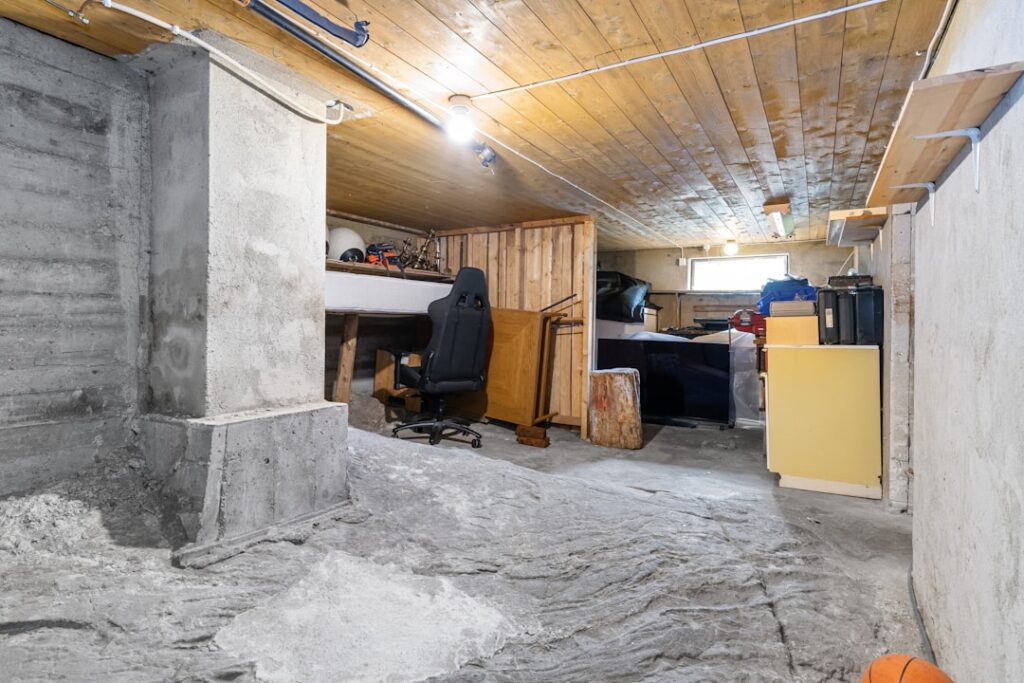
Basements concentrate every condition mold needs: cooler temperatures that hold humidity, slow air circulation, frequent contact with groundwater, and an inventory of cardboard boxes, fabric, and wood furniture that feed colonies once they start. Basement mold testing differs from upstairs testing because the question is rarely “is there any mold” — it is more often “where is the moisture coming from, and how widespread is the problem.” This guide summarizes EPA and CDC guidance current as of 2026 — consult your physician for symptoms and a certified professional for testing decisions.
Part of our Mold Testing & Inspection guide — start there for the full picture →
Is this mold, asbestos, or water damage? Get a free instant screen
Upload a clear photo of the suspect area. You'll get an instant AI screening opinion and what to do next. This is screening guidance, not a professional determination.
Screening guidance only. AI can be wrong. Confirm asbestos, mold type, or lead with lab testing or a licensed professional before acting.
Why Basements Are High-Risk for Mold
Three physical factors make basements predictable mold habitat. The first is temperature: basement walls and slabs sit in contact with soil that holds steady at 50 to 55 degrees Fahrenheit year-round in the Colorado Front Range. When warmer indoor air contacts those cooler surfaces, water vapor condenses, and any organic surface above 60 percent relative humidity for more than a few days starts supporting growth. The second factor is hydrostatic pressure: groundwater pushes against foundation walls and slabs, and any crack, cold joint, or pipe penetration becomes a wicking path.
The third factor is occupant behavior. Basements collect storage — cardboard, books, holiday decorations, off-season clothing — that absorbs moisture from the surrounding air and serves as a substrate. They also tend to be visited less often, so a slow plumbing leak or a sweating water heater drain pan can run for weeks before anyone notices. Finished basements add drywall and carpet to the equation, both of which feed mold once wet and trap moisture against framing.
Front Range homes face additional pressure during spring snowmelt, when the water table rises and lateral pressure on foundations peaks. Homes with poor exterior grading, cracked or absent gutters, or window wells without working drains see chronic foundation moisture. The big-picture overview of these risks is on our [mold inspection and testing hub](https://inspectandtest.net/mold-inspection/), and the methodology overlaps with our home mold check walkthrough.
Moisture-First Inspection Before Sampling
Effective basement mold testing starts with moisture mapping. A pin-style moisture meter ($20 to $40) and a hygrometer ($15 to $25) cover the essentials. Walk the perimeter of the basement and check every wall at three heights: near the floor, at waist level, and near the ceiling. Foundation walls below grade often read elevated moisture continuously without visible damage; the question is whether the moisture migrates into framing, drywall, or storage above. A reading above 16 percent moisture content in wood framing or above 1 percent on drywall scales calls for attention.
Walk the cold joint where the foundation wall meets the slab. This seam is the most common path for water entry during high water tables or after heavy rain, and white mineral efflorescence along the joint is a sure sign of past or present moisture. Look at the underside of any joists running over a crawl space access or unfinished section. Check the corners of window wells, the area around the sump pump, and any utility penetration where pipes or wires pass through the foundation wall.
Hygrometer readings tell the airborne story. Continuous indoor relative humidity above 60 percent in a basement signals either inadequate ventilation, a vapor source (a wet slab, condensing pipes, or a leaking humidifier), or both. Run a hygrometer in the basement for at least 48 hours to capture daily swings rather than relying on a single reading. Front Range basements that read in the 70s during summer monsoon weeks need active dehumidification regardless of whether visible mold has appeared yet.
Choosing a Basement Mold Test Method
Three sampling approaches cover the basement use case. Settle plate kits are cheap and broadly available but produce only a snapshot of one hour of falling spores in still air. They are most useful when paired with an outdoor control and run in multiple basement zones — say, near the sump pump, in the storage area, and at the bottom of the stairs. Settle plates work well as a screening signal for finished basements where overall airborne loads matter for occupant exposure.
Tape lift kits target visible patches. A discolored area on basement drywall, a fuzzy growth on a joist, or a stain on a stored cardboard box can all be sampled directly. Tape lifts confirm species and density on a known surface and are more directly actionable than settle plates when something visible already exists. The lab returns whether the stain is truly fungal — sometimes it is mineral efflorescence, soot from a furnace, or biofilm from previous water — and which genera are present.
Air cassette sampling with a calibrated pump produces volumetric counts that rival professional protocol. Cassettes are essential when occupants report respiratory symptoms specifically related to time spent in the basement, when finished basement air cycles into upstairs HVAC, or when documentation for a real estate transaction or insurance claim is needed. Most homeowners hire a professional to run cassettes because the equipment requires calibration and the interpretation requires familiarity with mold genera and their indoor versus outdoor norms.
Hidden Mold Behind Finished Basement Walls
Finished basement framing creates hidden cavities that hold water and grow mold for years before anyone sees a stain. The original drywall often sits with its bottom edge an eighth-inch off the slab, but during a wet event, water wicks up from the floor into the gypsum board through capillary action. The mold grows on the back side of the drywall and on the framing studs facing the foundation wall, both invisible to a flashlight inspection of the finished surface.
Two non-destructive methods help locate hidden growth. Thermal imaging cameras detect temperature differentials behind walls; cold spots in winter often correspond to wet drywall, missing insulation, or active groundwater intrusion. Pinless moisture meters scan up to three-quarters of an inch into drywall and read elevated readings on cavity moisture even when the surface looks dry. Together they map suspect areas without cutting holes.
When the non-destructive screen flags an area, exploratory openings are the next step. A small inspection cut — typically four inches square at the bottom of a wall, low enough to be covered by baseboard — exposes the cavity for a direct look. If growth is visible, sampling and remediation follow. If the cavity is dry and clean, the cut is repaired with fresh drywall and trim. This sequence costs less than blind remediation and produces real evidence rather than guesswork.
Working With a Mold Inspector
A professional basement mold assessment combines moisture mapping, thermal imaging, multiple air samples, surface samples on suspect areas, and a written report. Expect the inspector to walk the entire basement, take photographs, run paired indoor and outdoor air samples, and document moisture meter readings on a floor plan. A thorough basement assessment in a Front Range home typically takes two to four hours and costs $400 to $800 depending on home size and sample count.
Verify three credentials before hiring. The inspector should hold certification from InterNACHI’s mold program, the IICRC (with Applied Microbial Remediation Technician credentials), or the American Council for Accredited Certification. The inspector should carry errors and omissions insurance covering mold-specific work — not all general home inspector E&O policies extend to mold sampling. And the inspector should have no financial interest in remediation contracts. Inspectors who also sell remediation services have an obvious conflict; the cleanest arrangement is hiring an inspector who only inspects.
The report should contain numbered findings, photographs of each finding, moisture meter readings annotated to a floor plan or sketch, lab analysis with raw spore counts by genus, and prioritized recommendations. Reports that read like marketing copy (“severe mold infestation requiring immediate remediation”) without backing data are a red flag. Reports that distinguish between confirmed findings and recommended further investigation are the standard.
Common Basement Moisture Sources
Resolving basement mold permanently requires fixing the moisture source. Six sources cover the majority of Front Range cases. Exterior grading that slopes toward the foundation funnels rainwater into the wall; the fix is regrading or installing a swale to direct water away. Gutters that spill at the foundation overload the foundation drainage; downspout extensions of at least six feet, ideally with splash blocks or buried drain lines, send water away from the wall. Window wells without working drains fill with water and weep through casement seals; clearing and re-stoning the well or installing a covered well solves it.
Foundation cracks and cold joints leak hydrostatic groundwater during wet seasons. Interior crack injection, exterior waterproofing, or in severe cases interior drain tile with a sump pump address the entry path. Plumbing leaks in basements are easy to overlook because the leaking joint may be behind drywall or above a finished ceiling; moisture meters and routine visual inspection catch them before they spread. Condensation on cold-water supply lines, ductwork, or HVAC equipment drips slowly onto framing; pipe insulation and drain pan maintenance solve it. Humidifiers running too aggressively add airborne moisture; turning them down or off in summer corrects the imbalance.
Finally, dehumidification is the easiest and often most overlooked control. A dedicated basement dehumidifier with a built-in pump, set to maintain 45 to 50 percent relative humidity, prevents the conditions mold needs even when minor moisture sources persist. Whole-house dehumidification tied to the HVAC system works for finished basements that share air with upstairs living space. Either approach beats waiting for visible growth.
References
- EPA mold cleanup in your home — Environmental Protection Agency
- CDC mold facts and health information — Centers for Disease Control and Prevention
- Colorado Department of Public Health mold guidance — CDPHE
- InterNACHI mold inspection standards — International Association of Certified Home Inspectors
Frequently asked questions
How much does basement mold testing cost?
DIY settle plate or tape lift kits run $30 to $80 per sample. Professional basement assessments with moisture mapping, thermal imaging, and multiple air samples typically cost $400 to $800 in the Colorado Front Range. Cassette air sampling without a full inspection runs about $100 to $150 per sample.
Can I clean basement mold myself?
EPA guidance allows homeowners to clean less than ten square feet of visible mold on hard, non-porous surfaces using soap, water, and proper ventilation with an N95 respirator. Larger areas, mold on porous materials like drywall and carpet, and any contamination from sewage require professional remediation.
What humidity level prevents basement mold?
Keep basement relative humidity between 30 and 50 percent. Above 60 percent, mold growth becomes likely on any organic surface within a few days. Use a dedicated dehumidifier with built-in pump if the basement runs humid in summer.
How do I find hidden mold in a finished basement?
Pinless moisture meters and thermal imaging cameras locate elevated moisture and temperature differentials behind walls without cutting holes. When the screen flags an area, a small exploratory opening at the bottom of the wall confirms the cavity condition before remediation.
Should I test the basement after remediation?
Yes. Post-remediation verification — usually paired indoor and outdoor air samples plus a visual inspection — confirms the cleanup was effective and the area is safe to reopen. A clearance test with results comparable to outdoor controls is the standard benchmark.
Front Range homeowners weighing whether their basement moisture problem warrants a professional inspection can reach a vetted local inspector through our contact page for an outside opinion before they decide.