Asbestos Rock: What Homeowners Need to Know
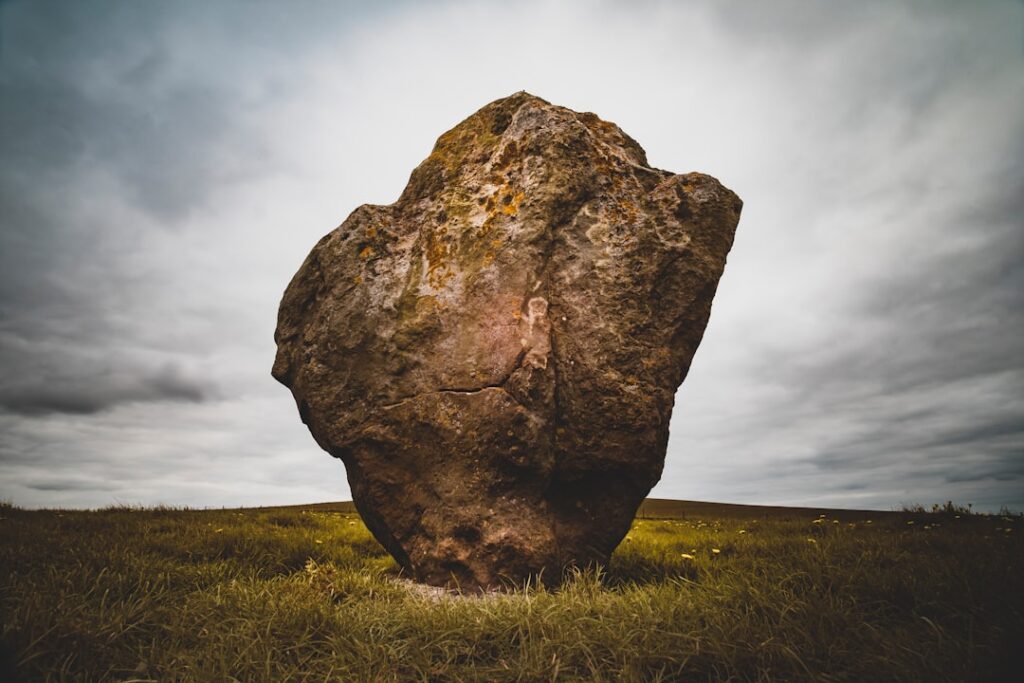
Asbestos is often pictured as a man-made building product, but it begins as a group of natural minerals found in certain rocks. The term asbestos rock refers to the rock formations that contain these fibrous minerals, which were mined for the same heat-resistant, fibrous qualities that made asbestos useful in construction. The same minerals can also occur naturally in the ground, where disturbing the rock releases fibers into the air. This guide summarizes EPA, CDC, and OSHA guidance current as of 2026; it is general information rather than a diagnosis, and a certified professional should make any testing or exposure decisions. Understanding where asbestos comes from clarifies both its history and its everyday risks.
Is this mold, asbestos, or water damage? Get a free instant screen
Upload a clear photo of the suspect area. You'll get an instant AI screening opinion and what to do next. This is screening guidance, not a professional determination.
Screening guidance only. AI can be wrong. Confirm asbestos, mold type, or lead with lab testing or a licensed professional before acting.
What Is Asbestos Rock?
Asbestos rock is rock that contains naturally occurring asbestos minerals, which are silicate minerals that crystallize into long, thin, separable fibers. The two main mineral families are serpentine, whose primary asbestos form is chrysotile (white asbestos), and amphibole, which includes amosite, crocidolite, tremolite, actinolite, and anthophyllite. These minerals form deep in the earth under specific geological conditions and become exposed at the surface through mining, weathering, or earth-moving. When the rock is crushed, cut, or otherwise disturbed, it can release microscopic asbestos fibers.
The same fibrous structure that made asbestos commercially valuable is what makes it hazardous. Asbestos is a known carcinogen, and inhaled fibers can contribute to serious lung disease over many years. The distinction between processed building asbestos and naturally occurring asbestos in rock is mainly one of context; the mineral and its hazard are the same. Our guide on how to identify asbestos covers the testing that confirms its presence in any material.
The Mineral Families Behind Asbestos
Asbestos is not a single substance but a commercial term for several fibrous silicate minerals. Serpentine asbestos, chrysotile, has curly fibers and accounted for the large majority of commercial asbestos used worldwide. Amphibole asbestos minerals have straight, needle-like fibers and include the types often considered especially hazardous. All asbestos types are regulated as carcinogens, and the geological origin of each lies in specific rock formations where the minerals crystallized.
Chrysotile formed in serpentinite, a rock created when certain mantle rocks were altered by water over geological time. Amphibole asbestos minerals occur in other metamorphic and igneous settings. The presence of these rocks at or near the surface determines where naturally occurring asbestos can be a concern, which is why the issue is regional rather than universal. Some areas have abundant asbestos-bearing rock, while others have essentially none.
Chrysotile and the 2024 Rule
Chrysotile, the serpentine form, was the dominant asbestos in commercial use and the last type still imported into the United States, which is why the EPA’s 2024 rule targeted it for a phased ban. The mineral’s curly fibers were valued for textiles, gaskets, and many building products. Even as commercial use winds down, chrysotile and other asbestos minerals remain in the ground where geology placed them, so the natural-occurrence question persists independent of manufacturing.
Why the Fiber Shape Matters
The physical shape of asbestos fibers is central to both their usefulness and their danger. The fibers are long, thin, and durable, able to separate into ever-finer strands. That structure let manufacturers spin asbestos into cloth, mix it into cement, and use it as insulation. The same thinness allows the fibers, once airborne, to be inhaled deep into the lungs, where their durability means the body cannot easily clear them. Amphibole fibers, being straight and needle-like, are often regarded as more biologically persistent than the curly chrysotile fibers, which is part of why the amphibole types draw particular concern. The broader context of these minerals and the homes that contain their products is covered in our asbestos and lead hazard hub for older housing.
Where Naturally Occurring Asbestos Is Found
Naturally occurring asbestos (NOA) appears where asbestos-bearing rock reaches the surface or near-surface, which is concentrated in particular geological regions. In the United States, parts of California, the Appalachian belt, and other areas with serpentine and certain metamorphic rocks are known for NOA. The concern is greatest where development, road building, mining, or quarrying disturbs these formations, grinding the rock and releasing fibers into the air and dust.
For most homeowners, naturally occurring asbestos is not a daily concern, because it is tied to specific geology and to activities that disturb the rock. People living in or near known NOA areas, or where construction is cutting into asbestos-bearing rock, face the most relevant exposure pathway. Local and state environmental agencies in affected regions publish maps and guidance, and the EPA provides information on NOA for areas where it is present.
Is This a Concern on the Front Range?
Colorado’s geology includes a variety of rock types, and questions about naturally occurring asbestos are best answered by state and local environmental authorities rather than assumed. The Colorado Department of Public Health and Environment regulates asbestos and is the authoritative source for whether NOA is a documented concern in a particular area. For the typical Front Range homeowner, the more common asbestos issue remains the processed building materials in older homes rather than rock in the ground, but anyone concerned about a specific site should consult the state agency.
From Rock to Building Product
The journey from asbestos rock to the materials in an older home explains why the two topics are linked. Miners extracted asbestos-bearing rock, then milled and processed it to separate the fibers from the surrounding mineral. Those fibers were then blended into cement for siding and roofing, spun into textiles, mixed into insulation, and added to floor tile, joint compound, and dozens of other products. The rock was the raw source; the building materials were the refined result. Understanding this chain helps a homeowner see that the asbestos in a 1960s floor tile and the asbestos in a serpentine outcrop are fundamentally the same minerals.
This connection also explains why building asbestos is so widespread while naturally occurring asbestos is regional. Processed asbestos products were shipped and sold across the country regardless of local geology, so a home far from any asbestos-bearing rock can still contain plenty of asbestos in its materials. The natural deposits are fixed by geology, but the manufactured products traveled everywhere, which is why the home-materials concern is nearly universal in older housing while the rock concern is local.
How Asbestos Rock Becomes a Hazard
Like building asbestos, asbestos rock poses little risk when undisturbed. The hazard comes from disturbance that releases fibers into breathable air. Crushing rock for aggregate, cutting roadbeds, quarrying, grading land, and even heavy off-road activity on exposed NOA can generate airborne fibers. Construction and earth-moving in asbestos-bearing areas are the activities that turn a geological feature into an exposure pathway, which is why those regions regulate dust control during such work.
Because the fibers are microscopic and the health effects of asbestos appear only after many years, the risk from NOA is managed through dust suppression, controlled work practices, and avoiding unnecessary disturbance of asbestos-bearing rock. Wetting surfaces, limiting grinding, and following local guidance reduce airborne fibers. These measures parallel the containment used in building abatement, applied to outdoor earth-moving rather than indoor removal.
What Homeowners Should Do
For most households, the practical asbestos concern is inside the home, in the floor tile, insulation, joint compound, and siding of older houses, rather than in rock. The same core principle applies to both: do not disturb suspect material, and confirm content through testing before any activity that could release fibers. A homeowner who suspects asbestos in building materials should arrange professional testing, and one who lives in a documented NOA area should follow state and local guidance on land disturbance and dust control.
Anyone planning to crush, cut, or move rock on a property in a region known for naturally occurring asbestos should check with the state environmental agency first, since regulations may apply. The goal in every case is to keep fibers out of the air people breathe. General health information aside, anyone worried about a past exposure should consult a physician, as asbestos-related conditions develop over years and are a matter for medical evaluation rather than self-diagnosis.
The Bottom Line on Asbestos Rock
Asbestos begins as natural minerals in specific rock formations, and that origin explains both its commercial history and the concept of naturally occurring asbestos. The hazard, whether from processed building products or disturbed rock, comes from releasing fibers into the air, and the protective principle is the same: leave it undisturbed, test before disturbing, and rely on professionals and regulations to manage removal or land disturbance. For the typical homeowner, older-home building materials are the more likely concern, while NOA is a regional issue best addressed through state and local authorities. That approach aligns with EPA, CDC, and OSHA guidance and keeps a household safe from a hazard that traces all the way back to the rock it forms in.
Telling Asbestos Rock From Look-Alikes
Many fibrous or layered minerals resemble asbestos to the untrained eye, and some harmless rocks have a fibrous appearance that prompts worry. Conversely, asbestos can be present in rock that does not look obviously fibrous. This is the same lesson that applies to building materials: appearance is not a reliable guide, and only laboratory analysis under a microscope can confirm whether a sample contains asbestos minerals. A homeowner who finds a suspicious fibrous rock or material should not crush or handle it to investigate, since that is precisely the disturbance that releases fibers.
For those genuinely concerned about a rock or soil on their property in a region known for naturally occurring asbestos, the right step is to contact the state environmental agency for guidance rather than attempting a home identification. The agency can advise whether the local geology warrants concern and how to proceed. For building materials, a certified asbestos inspector and an accredited lab provide the same authoritative answer. In both cases, the principle holds: confirm through proper testing, and avoid disturbing anything suspect in the meantime.
Asbestos rock is a reminder that this hazard is rooted in nature, not invented in a factory. The minerals existed long before anyone mined them, and they remain in the ground in certain regions today. Whether the concern is a serpentine outcrop in a NOA area or a sheet of old floor tile in a Front Range basement, the safe response rests on the same foundation of testing before disturbing and leaving the work to professionals where the risk is real.
A Note on Vermiculite and Mineral Mixtures
One natural material worth mentioning is vermiculite, a mineral used in some older attic insulation and in garden products. Certain vermiculite was contaminated with amphibole asbestos from the rock it was mined alongside, which is how an otherwise non-asbestos mineral became an asbestos concern. This illustrates a broader point about asbestos rock: asbestos minerals can occur as contaminants mixed into other materials, not only as pure deposits. A homeowner who finds old, pebble-like attic insulation should treat it as a potential asbestos concern and have it evaluated rather than disturbing it.
The lesson from vermiculite and similar mixtures is that the asbestos question is not always obvious from a material’s main purpose. A product mined or processed from asbestos-bearing rock can carry asbestos along with it, even when asbestos was never the intended ingredient. This is one more reason that testing, rather than assumption, is the standard for any suspect material in or around an older home, and why state agencies and certified inspectors are the right resources when a question arises.
References
- Learn About Asbestos and Its Sources — U.S. Environmental Protection Agency
- Asbestos Minerals and Health Effects — Centers for Disease Control and Prevention
- Asbestos Information for Colorado — Colorado Department of Public Health and Environment
Front Range homeowners with questions about asbestos in an older home’s materials can connect with a vetted local inspector for testing guidance by getting in touch through our contact page.