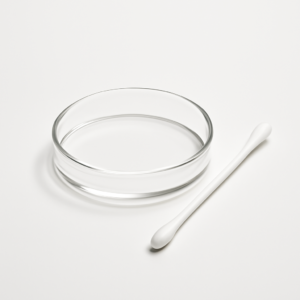
Mold Armor FG500 DIY Test Kit
The Mold Armor FG500 is a two-pack of do-it-yourself culture tests: each kit holds a petri dish, a swab and a growth medium, and the listing says visible growth can…
The Mold Armor FG500 is a two-pack of do-it-yourself culture tests: each kit holds a petri dish, a swab and a growth medium, and the listing says visible growth can appear in as little as 48 hours. It suits a homeowner who wants a quick, low-commitment look at a musty room, a furnace or air-conditioning system, or a visible spot. What sets it apart is the optional mail-in step, where certified US-based microbiologists identify the mold type for an extra fee.
Specifications
| Specification | Details |
|---|---|
| Model | FG500 |
| Pack size | 2 kits (one petri dish each) |
| Kit contents | Petri dish, swab, mold growth medium |
| Test methods | Indoor air settle test, heating/cooling system sample, surface swab of visible growth |
| Time to visible growth | As little as 48 hours |
| Use locations | Indoor or outdoor |
| Lab identification | Optional mail-in analysis, extra fee |
| Identification guide / gloves | Not stated in listing |
Mold Armor FG500 — 2-pack petri-dish culture kit, 3 sampling methods, growth in ~48 hrs, optional paid mail-in microbiologist ID
How It Compares
The Only Petri-Dish Kit Here With a Mail-In Microbiologist Option
Of the 18 similar listings pulled for comparison, 10 are actual home mold tests; the rest are unrelated items such as an arsenic water kit, a leather scrap bundle and a model kit. Among those 10, most are culture-plate kits like this one, and six of them handle identification by asking buyers to email photos of their plates. Seeml Labs is the one other listing built around a real lab, but it uses tape and swab samples rather than a growth plate, and it bundles the lab fee into the kit. The FG500 sits between the two: grow the sample at home, then mail it for professional identification only if the result warrants it.
Capacity is the clear trade-off. This pack gives two dishes, while competing culture kits list 4, 6, 8 or 12 plates, and several of them add gloves, label sheets and a printed mold identification guide. The FG500 listing mentions none of those extras. Detekt claims growth in as little as 24 hours and Healthful Home sells a 5-minute cassette that screens for specific mold groups, so the 48-hour window here is typical rather than fast.
The listing also does not state a shelf life for the growth medium, the incubation temperature it expects, or what a “normal” amount of growth looks like. That last gap matters, because spores are present in nearly every home and an open dish will usually grow something.
Who It’s For — and Who Should Skip It
It fits someone who wants one or two targeted checks, such as a single basement bedroom plus the furnace supply air, and who values having a microbiologist route if the plate looks alarming. It is also a familiar hardware-store brand, which some buyers prefer over unbranded multi-plate kits.
Skip it if the goal is to compare many rooms, retest after cleanup, or check a whole house during a purchase. A two-dish pack runs out quickly, and a settle plate cannot say how many spores are in the air or whether the count is higher than outdoors. Buyers in a real-estate transaction are better served by a professional inspection with lab-analyzed air samples.
Using It at Home
- Pick the right method. Use the surface swab only where growth is visible, the air settle test in a closed room with fans off, and the heating/cooling method at a supply register while the system runs.
- Mind Colorado conditions. Front Range indoor air is often dry, so growth usually traces back to a specific moisture source: a finished basement after snowmelt, a leaking water heater, a crawl space, or an evaporative (swamp) cooler that stays damp through summer. Test near those sources rather than random rooms.
- Keep the dish warm and labeled. A cool basement can slow growth past the 48-hour mark, so incubate at normal room temperature and note where and when each sample was taken.
- Treat growth as a clue, not a verdict. Some colonies on an air plate are expected. Heavy growth, a persistent musty smell, or staining on drywall points to a moisture problem that needs finding.
If the plate is crowded, the odor will not clear, or anyone in the household has respiratory symptoms, contact a professional inspector to locate the moisture source and take lab-analyzed samples.
Pros
- Three sampling methods cover air, HVAC and surfaces
- Optional mail-in identification by certified microbiologists
- Usable indoors or outdoors for a baseline comparison
- Simple contents with little setup
Cons
- Only two dishes per pack
- Lab identification costs extra
- No identification guide, gloves or labels mentioned
- Cannot measure spore concentration
Related Guides
- Mold Armor test kit guide
- Best at-home mold test kits
- What a musty mold smell means
- Common household mold types
- How to clean mold safely
As an Amazon Associate we earn from qualifying purchases. Product details come from the current Amazon listing; we have not lab-tested this unit, and prices and availability change.
$19.96 as of Nov 20, 2026 8:21 am GMT+0000
Prices change often — check the live price on Amazon. As an Amazon Associate we earn from qualifying purchases.