When Did Lead Paint Stop Being Used? Your Home
Lead paint stopped being used for residential purposes in the United States in 1978, when the federal government banned it. That date is easy to state, but the more useful question for a homeowner is what it means for a specific house. If your home was built before 1978, the year of the ban turns into a set of real-world consequences: disclosure rights when you buy or rent, testing decisions, and legal rules about how renovations must be done. This guide summarizes EPA, HUD, and CDC guidance current as of 2026 to translate the 1978 cutoff into practical next steps. For health symptoms consult your physician, and for testing decisions consult a certified professional.
Part of our Lead Paint & Lead Testing guide — start there for the full picture →
Is this mold, asbestos, or water damage? Get a free instant screen
Upload a clear photo of the suspect area. You'll get an instant AI screening opinion and what to do next. This is screening guidance, not a professional determination.
Screening guidance only. AI can be wrong. Confirm asbestos, mold type, or lead with lab testing or a licensed professional before acting.
The Quick Answer and Why the Year Matters to You
The Consumer Product Safety Commission banned lead-based paint for residential use in 1978. For a homeowner, the practical meaning is simple. If your home was built in 1978 or later, lead paint is generally not a concern. If it was built before 1978, federal law presumes it may contain lead paint, and a whole framework of disclosure, testing, and safe-work rules applies to you.
That presumption is not just bureaucratic caution. According to federal estimates, the majority of pre-1978 homes contain some lead-based paint, with the highest concentrations in the oldest housing. So the 1978 date is less a historical footnote than a switch that turns on a set of rights and responsibilities for anyone living in or buying an older home. If you want the full backstory of how the phase-out unfolded, the companion timeline of when lead paint use ended traces the dates from early warnings through the 1978 ban. This article focuses instead on what those dates mean for the house you actually live in or plan to buy.
What Pre-1978 Status Means for Your Risk
Living in a pre-1978 home does not mean your family is in danger today. Intact, well-maintained lead paint that nobody disturbs poses limited risk. The hazard appears when that paint deteriorates or is disturbed. Lead becomes dangerous as dust and chips, generated by chalking paint, friction on windows and doors, and especially by sanding, scraping, or demolition during renovation.
Children under six and pregnant women face the greatest risk, because lead harms the developing nervous system and there is no known safe level of lead exposure for children. The CDC emphasizes that childhood lead exposure can affect learning and behavior even at low levels. This is why the practical advice for pre-1978 homes centers on two things: keeping existing paint intact and well-maintained, and handling any disturbance correctly. A home where the paint is sound and nobody is sanding it is a very different risk picture than one mid-renovation with dust everywhere.
Where Lead Paint Hides
In older homes, lead paint concentrates on surfaces that took durable coatings: window sashes and sills, door frames, baseboards, stair railings, porches, and exterior siding. Friction surfaces like windows generate lead dust through normal use, making them a priority for inspection. Soil around the exterior of an older home can also accumulate lead from decades of weathered exterior paint, which is a frequently overlooked exposure path for children who play in the yard.
Your Disclosure Rights and the Seller’s Duties
The 1978 cutoff drives a key federal protection for buyers and renters. Under the federal Residential Lead-Based Paint Hazard Reduction Act, sellers and landlords of pre-1978 housing must disclose known lead-based paint and hazards, provide any relevant records, and give buyers and tenants the EPA pamphlet on protecting families from lead. Buyers must also be offered a ten-day window to conduct a lead inspection or risk assessment before becoming obligated under the contract.
These rules exist precisely because of the 1978 ban: any home predating it triggers them. Buyers should use that ten-day window when purchasing an older home, especially one with young children in the household or with paint in poor condition. The disclosure form documents what the seller knows, but it does not guarantee the home is lead-free, which is why testing remains the only way to be sure. Renters have rights too, since landlords of pre-1978 units carry the same disclosure obligations as sellers.
Testing: How to Know What You Actually Have
Construction date tells you probability; testing tells you reality. For a pre-1978 home, homeowners have several testing routes. A certified lead inspector or risk assessor can use an X-ray fluorescence analyzer to scan surfaces non-destructively and tell you exactly which components contain lead. A risk assessment goes further, identifying not just where lead is but where it poses an active hazard through dust and deterioration.
Laboratory paint-chip analysis confirms lead content in a collected sample, and DIY swab kits offer a fast preliminary screen, though they are less reliable than professional methods. The right level of testing depends on your plans. A family simply living in a stable home may only need to monitor paint condition, while anyone planning to renovate should test the surfaces they intend to disturb. The overview of asbestos and lead hazards in the pre-1978 housing hazard guide puts lead testing in the broader context of older-home safety, since these homes often carry more than one legacy hazard worth checking.
Recognizing Deteriorating Lead Paint
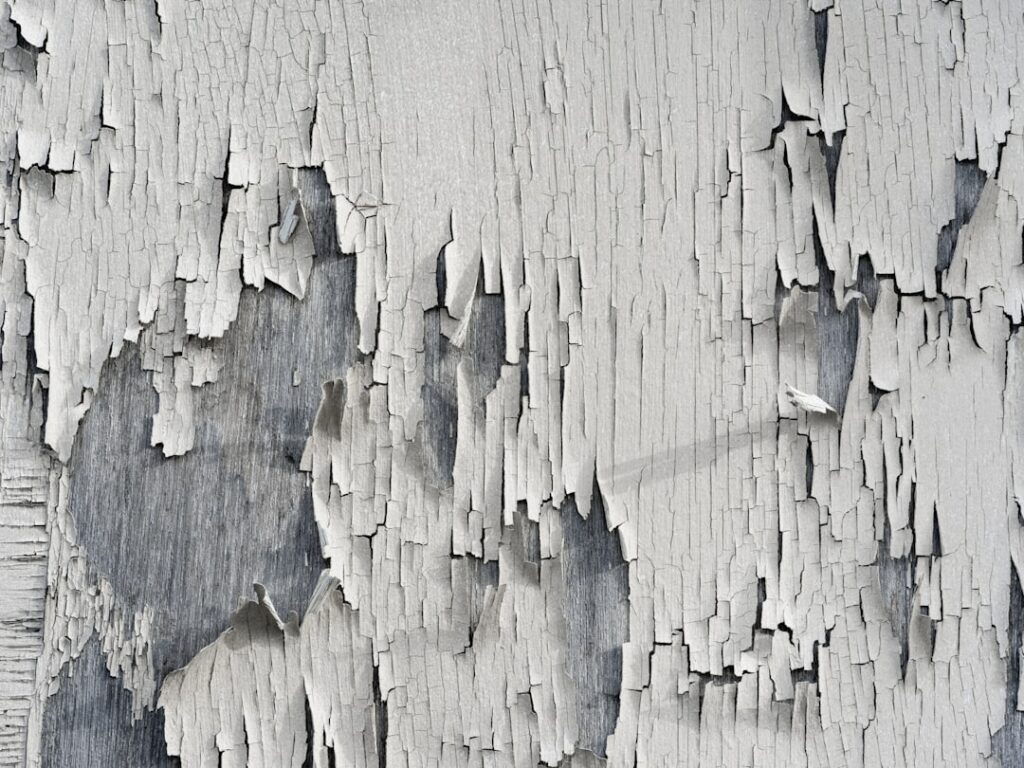
Because the danger in a pre-1978 home comes from disturbed or deteriorating paint, learning to spot trouble is a practical skill. Lead paint that is failing often shows a distinctive cracking pattern sometimes described as alligatoring, where the surface breaks into small scaly segments resembling reptile skin. Chalking, where the surface sheds a fine powder when rubbed, is another sign of aging paint that may release lead. Peeling, flaking, and chipping anywhere in the home, but especially on windows, doors, and porches, all warrant attention.
Friction and impact surfaces deserve the closest watch. Window sashes that grind against their frames, doors that rub the jamb, and stair treads that take constant wear generate lead dust through ordinary use even when the paint looks reasonably intact. Spotting these conditions early lets a homeowner stabilize the paint before it becomes a dust hazard, which is far easier and safer than dealing with widespread contamination later. Regular visual checks of these high-risk areas are a simple, free habit that meaningfully lowers a household’s exposure.
Renting and Selling a Pre-1978 Home
The 1978 cutoff shapes obligations on both sides of a transaction. If you own a pre-1978 home and plan to sell or rent it, you carry the disclosure duties: informing buyers or tenants of any known lead paint, sharing relevant records, and providing the required EPA pamphlet. Sellers must also give buyers the opportunity to test. Failing to meet these obligations can expose an owner to liability, so understanding them protects sellers and landlords as much as it protects buyers.
For owners considering improvements before a sale, lead-safe practices apply to any pre-sale renovation that disturbs paint, just as they would for an owner-occupant. A documented lead inspection or a record of professional abatement can actually be a selling point, reassuring buyers that the home’s lead status is known and managed rather than a hidden unknown. Transparency tends to keep deals on track, whereas undisclosed problems discovered later can unravel a sale entirely.
Renovating Safely: The RRP Rule
The single most important consequence of the 1978 date for many homeowners is the EPA’s Renovation, Repair and Painting Rule, known as RRP. Under this rule, contractors who disturb painted surfaces in pre-1978 homes, child-care facilities, and schools must be certified and must follow lead-safe work practices. That means containing the work area, minimizing dust, using HEPA vacuums, and cleaning thoroughly.
For homeowners, the takeaways are concrete. If you hire a contractor for work on a pre-1978 home, confirm they are EPA RRP certified, because hiring an uncertified contractor for such work is both unsafe and a regulatory violation on their part. If you do the work yourself, the RRP rule does not legally bind you in your own home, but following the same lead-safe practices protects your family. Dry sanding and open-flame paint removal are exactly the wrong approaches and should be avoided entirely on any surface that might contain lead.
Practical Next Steps for Pre-1978 Homeowners
Turning the 1978 date into action comes down to a short checklist. First, confirm your home’s build year; anything before 1978 puts you in scope. Second, inspect painted surfaces for deterioration, paying special attention to windows, doors, and high-friction areas, and keep intact paint maintained. Third, if you have young children or are pregnant, consider professional testing or a risk assessment and ask your pediatrician about blood-lead screening.
Fourth, before any renovation that disturbs paint, test the surfaces and hire only RRP-certified contractors or follow lead-safe practices yourself. Fifth, when buying or renting a pre-1978 home, exercise your disclosure and inspection rights. None of this requires panic. A pre-1978 home with intact, maintained paint and lead-safe renovation habits is a perfectly livable home; the 1978 date simply tells you which precautions apply.
Maintaining a Lead-Safe Home Over Time
Beyond the one-time decisions of buying or renovating, living safely in a pre-1978 home is an ongoing practice. Keep painted surfaces in good repair so they do not chip or peel, and address deterioration promptly using lead-safe methods rather than dry scraping. Clean floors, window sills, and window wells regularly with wet methods to control any settled dust, since these are the spots where lead dust collects and where small children most often pick it up.
Simple household habits reduce exposure further: wiping shoes or removing them at the door keeps exterior lead-laden soil out, frequent handwashing protects children, and good nutrition can reduce how much lead the body absorbs. For families who want certainty, periodic blood-lead testing for young children, arranged through a pediatrician, is the most direct way to confirm that the home’s precautions are working. With these routines in place, a home built before the 1978 ban can be maintained as a safe place to live for years.
It also helps to keep the risk in proportion. Millions of families live safely in pre-1978 homes by following these straightforward precautions, and a home’s age alone is not a reason to avoid buying or to feel alarmed. The 1978 date is best understood as a prompt to be informed and deliberate rather than fearful. Knowing your home’s status, maintaining its paint, renovating with lead-safe methods, and testing when the stakes are high together make older housing entirely livable, which is exactly the outcome the disclosure and renovation rules are designed to support.
References
- Protect Your Family From Sources of Lead — U.S. Environmental Protection Agency
- Lead-Based Paint Disclosure Rule — U.S. Department of Housing and Urban Development
- About Childhood Lead Poisoning — Centers for Disease Control and Prevention
- Renovation, Repair and Painting Program — U.S. Environmental Protection Agency
Frequently asked questions
When did lead paint stop being used?
Lead-based paint was banned for residential use in the United States in 1978. For homeowners, that means a home built in 1978 or later is generally not a lead-paint concern, while a pre-1978 home is presumed to potentially contain it.
What does a pre-1978 home mean for my family?
Intact, maintained lead paint poses limited risk, but deteriorating or disturbed paint creates hazardous dust and chips. Children under six and pregnant women are most vulnerable, so keeping paint intact and renovating safely are the key precautions.
What are my rights when buying a pre-1978 home?
Federal law requires sellers and landlords of pre-1978 housing to disclose known lead paint, share records, and provide an EPA pamphlet. Buyers must be offered a ten-day window to conduct a lead inspection or risk assessment before being bound.
Do I need a special contractor to renovate a pre-1978 home?
Yes, if the work disturbs paint. The EPA's RRP rule requires contractors to be certified and to use lead-safe work practices in pre-1978 homes. Always confirm RRP certification before hiring, and follow the same practices if you do the work yourself.
Front Range homeowners with a pre-1978 house can get connected with a vetted local inspector through our contact page for lead testing or a risk assessment before they renovate.
Lead paint test kits
Instant swab kits flag lead on painted surfaces in minutes — useful before a renovation in any pre-1978 home.
| Product | Why | Buy |
|---|---|---|
 3M LeadCheck Swabs 3M LeadCheck Swabs | EPA-recognized instant swabs. | Amazon — $15.00 |
 Lead Test Kit (lab-based) Lead Test Kit (lab-based) | Mail-in for a documented result. | Amazon — $35.00 |