What Color Mold Is the Most Dangerous: Plain-Language Guide
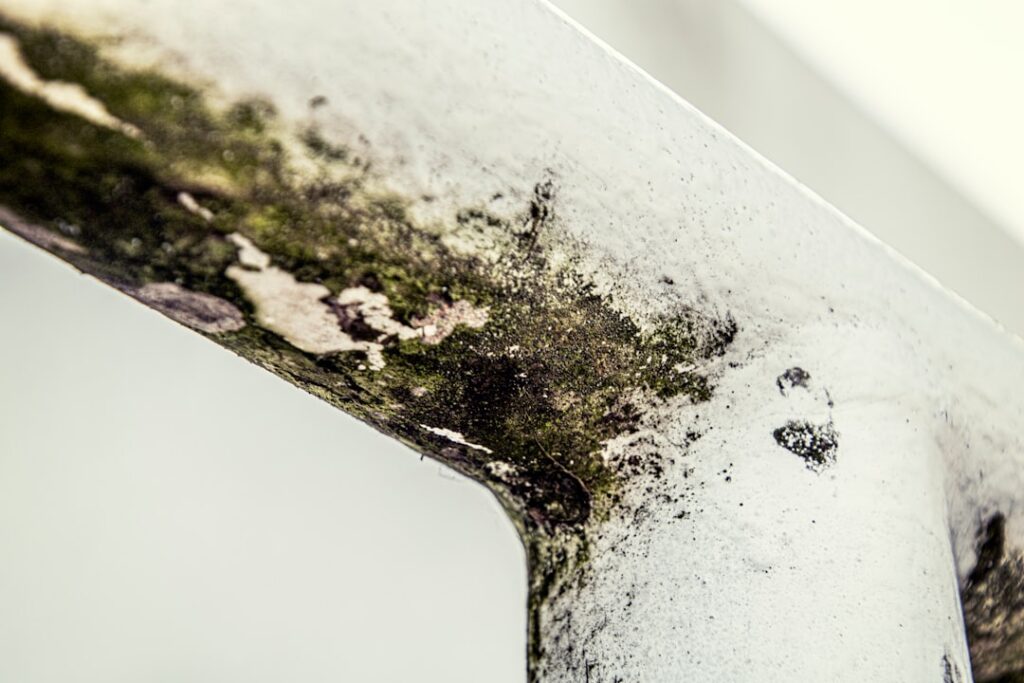
The question of what color mold is the most dangerous comes up constantly because the public has been trained to fear black mold above all else. The honest answer is that color is one of the worst diagnostics available for mold risk. Many species shift color over their lifespan. Several look-alikes can mimic black mold. And the same species can present in different shades depending on the substrate, the light, and the moisture available. This guide summarizes EPA and CDC guidance current as of 2026 — consult a certified mold inspector for testing and your physician for symptom evaluation.
Part of our Types of Mold guide — start there for the full picture →
Is this mold, asbestos, or water damage? Get a free instant screen
Upload a clear photo of the suspect area. You'll get an instant AI screening opinion and what to do next. This is screening guidance, not a professional determination.
Screening guidance only. AI can be wrong. Confirm asbestos, mold type, or lead with lab testing or a licensed professional before acting.
The Short Answer: No Color Is Reliably “The Most Dangerous”
The EPA does not rank mold danger by color, and neither does the CDC. Their public guidance focuses on three variables: dampness, the size of the colony, and the susceptibility of the people exposed. Color is mentioned only as a way for homeowners to describe what they are seeing, not as a diagnostic. The most cited dangerous species — Stachybotrys chartarum, certain Aspergillus species, and some Penicillium isolates — can all appear in shades that overlap with the harmless varieties. A green-tinted patch on grout might be a benign Cladosporium colony or a more concerning Aspergillus. The shade alone does not separate them.
The CDC has been particularly direct about this. Their published position is that “the term toxic mold is not accurate,” and that the focus should be on reducing exposure to any indoor mold growth rather than on classifying species or colors as universally dangerous or safe.
What Actually Drives Mold Risk
The variables that determine how risky a given mold colony is for a given household include:
- Colony size and surface area. A patch larger than ten square feet warrants professional remediation under EPA guidance regardless of color.
- Substrate. Porous materials like drywall, carpet pad, and ceiling tile typically need to be removed; hard non-porous surfaces can usually be cleaned.
- Length of moisture exposure. Sustained wet conditions allow deeper colony establishment and broader species diversity.
- Air movement between the colony and occupied spaces. A colony behind a sealed wall poses less inhalation risk than one in an active HVAC system.
- Occupant sensitivity. Asthma, allergy, immune compromise, and active respiratory illness all raise the precaution level.
Color does not appear on this list. Every certified mold inspector’s risk assessment uses some version of these variables, not a color chart.
The Reputation of Black Mold and What It Misses
Stachybotrys chartarum acquired its reputation as the most dangerous mold during a series of media-driven cycles in the late 1990s and early 2000s. The publicity outran the science, and follow-up investigations were unable to confirm the most dramatic early claims. The CDC’s current position is that no specific mold species has been definitively linked to a unique disease pattern outside of one historical cluster.
What that means in practice is that the fear of black-colored mold has been over-calibrated relative to other risks. Aspergillus species in attic sheathing and HVAC systems can cause invasive infections in immunocompromised patients. Penicillium can trigger asthma flares in sensitized children. Cladosporium in bathroom grout can produce constant low-grade allergic symptoms in tens of millions of households. None of these species draws the cultural attention that black mold does, but all of them collectively cause more day-to-day symptom burden than rare Stachybotrys exposure.
Color-Based Species Guesses and Their Risk Profiles
While color cannot deliver a diagnosis, certain shade ranges do point at species clusters that tend to behave differently. The rough mapping:
- Greenish-black, slimy on chronically wet cellulose — consistent with Stachybotrys. Real risk in large colonies for sensitive occupants, but not the universal villain it is sometimes portrayed as.
- Fuzzy black with yellow underlayer — likely Aspergillus niger. Allergic risk and serious infection risk for immunocompromised people.
- Velvety dark green to black under sinks — likely Alternaria. Significant allergy trigger for sensitized individuals.
- Powdery dark olive to black on grout — likely Cladosporium or mildew. Low individual-patch risk but cumulative allergy burden in chronically affected bathrooms.
- White or pink turning dark — likely Penicillium or Aspergillus in transition. Allergy and asthma risk.
- Orange or pink slime on bathroom surfaces — usually not mold at all but a bacterial biofilm (Serratia marcescens). Different cleaning approach.
Even these mappings are rough. Lab confirmation remains the only way to be certain of species, and most homes do not need that certainty to make a good cleanup decision.
Why “What Color Mold Is Most Dangerous” Is the Wrong Question
The question itself assumes that color carries the risk signal. It does not. The right question is: how much mold is growing, on what material, fed by what moisture source, and who in the household is most likely to react? Reframed that way, the cleanup decision becomes straightforward. A small patch on a hard surface in a healthy household is DIY-scale. A large patch on drywall in a home with an asthmatic child is professional-scale. The species and the color are footnotes.
Homeowners who want a deeper comparison of the supposedly dangerous and the supposedly harmless varieties can read our companion guide on regular mold versus black mold, which expands on the species-level differences.
Vulnerability Trumps Species Almost Every Time
For most healthy adults, small indoor mold colonies cause mild allergy symptoms at most. For a small population of vulnerable people, even small colonies can trigger significant illness. That population includes:
- People with moderate to severe asthma
- People with diagnosed mold allergies
- People undergoing chemotherapy or with active blood cancers
- People with organ transplants on immunosuppressants
- People with cystic fibrosis or severe COPD
- Infants and very young children
For households with anyone in these categories, the precaution level rises across the board. Any visible mold should be removed promptly, and the threshold for calling a professional rather than handling it DIY is lower. None of those decisions depend on color.
What About Pink, Orange, or Red Growth?
Colored growth in homes is not always mold. Pink-to-red biofilm on shower walls is almost always Serratia marcescens, a bacterium that thrives on soap residue. It is not dangerous to healthy people but is annoying because it returns quickly without a behavior change. Orange staining on basement walls is more often iron-oxidizing bacteria or mineral seepage than mold. Bright yellow or white growth on damp wood can be slime molds, which are biologically distinct from true fungi.
The cleanup logic for these non-mold growths overlaps with mold remediation in some ways and diverges in others. Most of them respond to surface cleaning if the moisture source is corrected. None of them produce mycotoxins in the way some mold species can.
When the Color Justifies Calling a Professional
A few visual scenarios warrant escalation regardless of which species the patch turns out to be. Active growth larger than the size of a sheet of paper. A patch that has clearly expanded between two viewings a week apart. A patch on a substrate that has been wet for more than a week. Visible growth inside HVAC ductwork. Mold in a home where any vulnerable occupant lives. Any visible mold in a home undergoing a real estate transaction.
In these cases, the professional will start with the moisture story, not the color. They will use a pin moisture meter to map the dampness, a thermal camera to find wet framing behind walls, and a careful visual inventory to identify every suspect surface. Lab sampling is offered as an option, not a default. The full scope of work involved is covered in our overview of the mold inspection process.
Practical Color Discipline for Homeowners
The best mental discipline for homeowners is to use color as a way to describe what they are seeing, not as the basis for a verdict. A homeowner can report to an inspector that they have a greenish-black slimy patch about the size of a notebook page on the back of a basement wall behind the water heater. That description gives the inspector useful information. A homeowner who concludes they “definitely have black mold” before any moisture work is done has skipped the most important step.
Color in the right context narrows the species candidate list. Color in isolation just provides false confidence. Front Range homeowners who treat the color as a first clue, then trace the water source, then decide on cleanup scope, are following the same workflow professional inspectors use. The discipline is what protects the home and the occupants.
Front Range Examples of Color-Based Misjudgments
A few field examples illustrate why color alone does not carry the day. A Highlands Ranch homeowner saw a small fuzzy black patch in a master bathroom and concluded immediately that they had toxic black mold. The remediation quote they received based on that assumption was over four thousand dollars. A second-opinion inspector identified the colony as Aspergillus tied to a poorly vented exhaust fan, recommended a one-square-foot drywall replacement, and the actual repair cost under three hundred dollars. The color triggered the panic; the species and the moisture source determined the right response.
A different Boulder homeowner ignored what looked like a small olive-green patch behind a washing machine because it did not match the dramatic “black mold” images they had seen online. Six months later, the colony had spread into the framing behind the laundry room, the species turned out to be Cladosporium fed by a slow supply-line drip, and the repair scope had grown to several thousand dollars. The shade looked harmless, but the moisture story was already serious. Visible growth combined with a wet substrate warrants attention regardless of the color, and ignoring it because it does not look “bad enough” is a costly mistake.
A third case in Aurora involved a homeowner who panicked when they saw a pink streak in their shower and called for emergency mold remediation. The streak turned out to be Serratia marcescens, a bacterium responding to soap residue. The fix was changing cleaning products and ventilating the bathroom better — not a mold remediation project at all. Color drove the wrong response in every direction in that case.
The Practical Bottom Line
What color mold is most dangerous is a question that mostly produces misleading answers. The factual answer is that no single color reliably identifies the most dangerous species, and no single species is universally the most dangerous across all households. The factual answer is also that any visible mold colony on a chronically wet substrate inside a home warrants attention, regardless of what shade it appears in.
Homeowners who want a defensible decision framework should anchor on three questions, in this order: where is the water coming from, how large is the colony, and who in the household is most likely to react. Answers to those questions tell a homeowner whether the situation is a thirty-minute weekend job or a multi-thousand-dollar professional remediation. The color in the photograph does not.
References
- Mold and Health — U.S. Environmental Protection Agency
- About Mold and Health — Centers for Disease Control and Prevention
- A Brief Guide to Mold, Moisture, and Your Home — U.S. Environmental Protection Agency
- Mold and Indoor Air — National Institute of Environmental Health Sciences
Frequently asked questions
Is black mold the most dangerous color of mold?
Not consistently. The EPA and CDC do not rank danger by color. Black-pigmented species include both relatively low-risk varieties and higher-risk ones. The size of the colony, the moisture source, and occupant sensitivity matter more than the pigment.
What about pink or orange mold in my shower?
Pink or red growth in showers is almost always Serratia marcescens, a bacterium, not a mold. It is annoying but generally low risk for healthy people. Orange staining on basement walls is more often mineral deposition than mold.
Does color tell me how to clean a mold patch?
No. The EPA's cleanup guidance applies across species and colors. The decision points are colony size, substrate porosity, moisture source, and occupant sensitivity. Color is a description, not a treatment plan.
Which mold species poses the highest risk to vulnerable people?
For immunocompromised individuals, certain Aspergillus species pose serious infection risk. For asthma sufferers, Penicillium and Alternaria are common triggers. Stachybotrys can affect sensitive people but is not uniquely dangerous compared with other indoor molds.
Front Range homeowners trying to assess whether a mold patch in their home warrants concern can get in touch through our contact page for a referral to a certified local inspector.