Wagner Moisture Meter: Pinless Prosumer Brand Guide
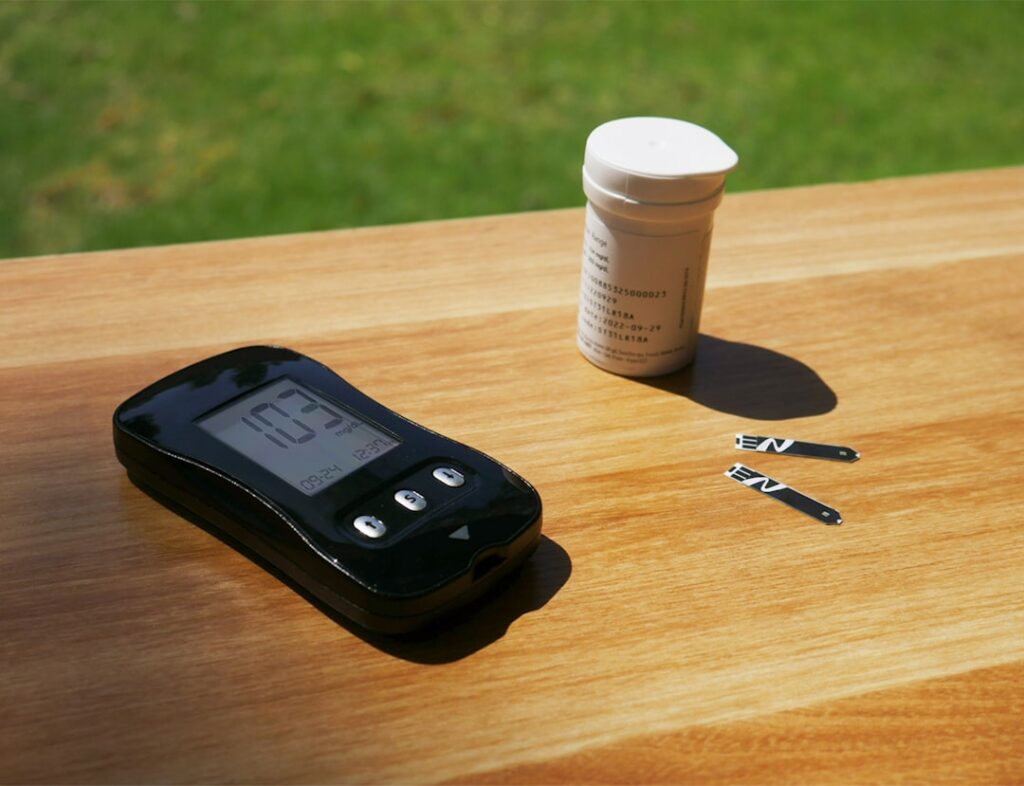
Wagner Meters has been the prosumer leader in pinless moisture measurement for several decades. The company is American-made (Rogue River, Oregon), focuses almost entirely on moisture measurement, and dominates the high-end pinless market in particular. Their products range from $150 entry-tier pinless meters to $500+ professional concrete-moisture systems. For homeowners or working professionals who want pinless accuracy beyond what value-tier meters from General or Klein provide, Wagner is usually the first brand worth considering. This guide walks through the product family, what pinless does well, where Wagner sits relative to alternatives, and which model fits which use case.
Part of our Moisture Meters & Water Damage Detection guide — start there for the full picture →
The Wagner product family
Orion 910 — entry pinless
The Orion 910 is Wagner’s entry-tier pinless meter at around $150-$180. Single-mode wood-specific calibration. Three-quarter-inch sensing depth. LCD readout with audio alarm. Battery is a single 9V. Designed for woodworking and lumber moisture measurement. Good fit for furniture makers and hobbyist woodworkers.
Orion 920 — multi-species wood
The Orion 920 adds wood-species selection (over 70 species presets) for accurate readings across hardwoods and softwoods. Around $220-$260. Same three-quarter-inch sensing depth as the 910. The species selection matters for woodworkers because moisture readings vary by wood density — oak reads differently than pine at the same actual moisture content.
Orion 930 — flooring focus
The Orion 930 is the hardwood-flooring-installer model. Same physical platform as the 920 plus the IntelliSense feature that compensates for the surface area being scanned. Around $260-$320. Popular among professional flooring installers because hardwood flooring moisture content drives long-term installation outcomes (cupping, gapping, buckling).
Orion 940 — flagship pinless
The Orion 940 is Wagner’s flagship pinless meter. Around $370-$420. Adds calibration verification on power-up, expanded species library, ambient temperature and humidity tracking, and data logging with USB output. Three-quarter-inch sensing depth. The choice for working professional inspectors and serious woodworkers who need data logging and verification.
Orion 950 — premium flagship
The Orion 950 is the highest-spec consumer pinless meter Wagner makes. Around $450-$500. Adds dual-depth sensing (1/4 inch and 3/4 inch from the same unit), wireless data sync, and broader temperature compensation. The dual-depth feature lets the user scan at shallow depth first (catches surface moisture) and then deep (catches cavity moisture) without changing tools.
Wagner C575 — pin/pinless combo
Outside the Orion line, the C575 is Wagner’s pin-and-pinless combo at around $180-$220. Pinless mode for scanning, pin mode (with replaceable pin assembly) for confirmation readings. A more affordable choice for users who want both capabilities in one tool.
Rapid RH 4.0 EX — concrete slab moisture
The Rapid RH product line addresses a different problem — moisture inside concrete slabs before flooring installation. Concrete slabs release moisture for months or years after pouring, and flooring installed over insufficiently dried slabs fails. The Rapid RH system uses sensor probes embedded into drilled holes in the slab; each probe records relative humidity inside the slab over time. Smart sensor models pair with a phone app for remote logging.
The Rapid RH platform is the industry-standard slab-moisture test in commercial flooring installation, following ASTM F2170. Pricing is structured around probe kits and the reading device, with full kit pricing in the $300-$800 range depending on number of probes.
What pinless does well
Pinless meters using capacitance read through the surface to a defined depth without leaving holes. This matters for finished surfaces — painted drywall, refinished hardwood floors, finished trim — where pin holes would be visible. It also matters for screening large areas quickly. A working inspector can sweep a pinless meter across an entire room wall in under a minute, marking hot spots for follow-up.
The sensing depth is the key parameter. Wagner’s standard 3/4-inch depth captures the typical drywall thickness and the surface layer of solid wood. The Orion 950’s dual-depth feature handles both surface and cavity-depth questions on the same tool. Compared to pin meters, the trade-off is that the reading averages across the sensed volume rather than indicating a precise point — useful for area screening, less useful for localized depth profiling.
What Wagner does better than the cheaper brands
Calibration. Wagner pinless meters use specific dielectric reference for each species or material setting. Cheaper pinless meters from value-tier brands either use a generic dielectric curve or omit species selection entirely. The difference shows up as accuracy in non-typical materials.
Sensor consistency. The Wagner sensor area is large and produces a stable, repeatable reading across the scanned area. Cheaper pinless meters have smaller sensing areas and produce readings that jump as the meter is moved. For real measurement work, sensor consistency matters more than initial accuracy.
Build quality. The Wagner Orion line is housed in plastic with metal hardware that survives daily field use. The value-tier brands use lighter construction; for occasional use that’s fine, for daily work it’s a wear point.
Software and data. The Orion 940 and 950 include data logging, USB or wireless sync, and (for the 950) Bluetooth integration with the Wagner Smart Logger app. None of the value-tier meters offer this.
Calibration verification. The 940 and 950 include a “calibration check” on power-up against an internal reference. Other meters require external check blocks; Wagner brings the verification inside the device.
Where Wagner sits relative to alternatives
For value-tier pin meters, General Tools and Klein remain the budget choice — see our General Tools moisture meter walk-through. For prosumer pinless work, Wagner competes mainly with Lignomat and Calculated Industries. For professional pin meters and integrated electrical/moisture meters, Protimeter, Tramex, and Delmhorst occupy the space.
Wagner’s dominance is specifically pinless. Their pin and pin/pinless combos exist but are not market leaders in those formats. A user who needs primarily pin readings might consider Delmhorst or Lignomat first. A user who needs primarily pinless scanning of walls and floors should consider Wagner first.
Use-case fit
Hardwood flooring installer
The Orion 930 with IntelliSense was specifically designed for this user. The species library handles common flooring woods; the surface area compensation matters for measuring across plank widths. We cover the flooring-specific application in our hardwood floor moisture meter walk-through.
Working home inspector
The Orion 940 is the common professional pick for an inspector who wants pinless screening capability in their tool kit alongside a pin meter for confirmation. Calibration verification and data logging support report-generation workflows.
Woodworker or furniture maker
The Orion 910 for entry-level use or the 920 for multi-species work. Both handle the standard kiln-dried-lumber moisture content questions that drive woodworking dimensional stability decisions.
Commercial flooring contractor
The Rapid RH 4.0 EX system for slab moisture testing prior to flooring installation. Required by most major flooring manufacturer installation specifications.
Occasional homeowner
The C575 pin/pinless combo at $180-$220 covers most homeowner scenarios at a price point that doesn’t sting. For one-time use only, even value-tier General Tools meters work.
Calibration and care
Wagner pinless meters drift less than pin meters because they have no exposed wear surfaces. Annual factory calibration is available; many professional users follow this schedule, particularly when readings feed into reports with legal weight. The 940 and 950 self-check on power-up; if the self-check fails, factory calibration is needed. The 910, 920, and 930 require external reference checks.
Battery life is generous — 50+ hours of continuous use on standard 9V batteries. Replacement is straightforward. Sensor surface care is the main maintenance item; wipe with a soft dry cloth before each scan to remove dust or surface contamination. Don’t use solvents on the sensor face; isopropyl alcohol is safe if needed.
Pricing perspective
Wagner pinless meters are not cheap relative to value-tier units, but the pricing has been stable for years and the products hold resale value better than off-brand alternatives. An Orion 940 purchased today and sold in 5 years typically retains 50-60% of new value if maintained — better than the typical electronics depreciation curve. For working professionals this stability is part of the value proposition.
For broader category context our parent home inspection tools hub covers selection across the moisture-meter category.
What to look for at purchase
Buy from authorized resellers or directly from Wagner Meters. Counterfeit pinless meters with Wagner branding have appeared on third-party marketplace listings; the counterfeits use cheaper components and don’t deliver the calibration consistency that makes Wagner worth the price. Authorized dealers include direct purchase from Wagnermeters.com, Amazon “sold by Wagner Meters” listings, and major industrial supply houses (Grainger, Zoro, McMaster-Carr).
Wagner versus other prosumer pinless meters
Lignomat is Wagner’s closest competitor in the prosumer pinless tier. The Lignomat Ligno-DuoTec BW and Ligno-VersaTec offer pinless functionality at similar price points to Wagner’s Orion line. Differences: Lignomat tends to bias toward woodworker users with strong species-specific calibration for furniture lumber; Wagner tends to bias toward construction and inspection users with stronger building-material support. Both brands produce reliable, durable meters. The choice often comes down to personal preference, dealer availability, and specific feature mix.
Protimeter (sold under the Amphenol Industrial group) operates in the professional tier above Wagner. The Protimeter Surveymaster and Aquant are pin-and-pinless dual-function meters with rugged housings, audible alarms, and integration with Protimeter’s broader inspection-tool ecosystem. Pricing runs $300-$600 retail. For working professional inspectors, Protimeter is the common pick; for serious homeowners and prosumer users, Wagner is usually a better value match.
Wagner versus pin-only specialists
Delmhorst makes pin-only meters that are widely used in agricultural, woodworking, and industrial moisture-measurement contexts. The Delmhorst BD-2100, J-2000, and similar models offer high-accuracy pin readings with extensive species libraries. For users who need only pin readings — woodworkers checking lumber, agricultural hay moisture, paper-industry applications — Delmhorst is often a better choice than Wagner. For users who need pinless scanning capability, Wagner is the better choice.
Smart Logger app and data integration
The Wagner Smart Logger app pairs the Orion 950 with iOS and Android devices via Bluetooth. Readings sync automatically to the phone, tagged by location, material, and timestamp. The app exports reports as PDFs or CSV files suitable for inclusion in inspection reports or insurance claims. For working professional users, the data-integration capability significantly reduces the friction of producing detailed reports from a day of field measurements.
Users without the 950 can still use the 940’s USB data-logging feature with a computer-side application. The workflow is slightly more cumbersome (cable transfer rather than wireless) but produces equivalent end results.
Warranty and service
Wagner Meters offers a one-year manufacturer warranty against defects on most models, extending to two or three years on the higher-end Orion models. Service is U.S.-based; meters needing factory calibration or repair go to Wagner’s Oregon facility. Turnaround typically runs 5-10 business days. Annual factory calibration is offered as a separate service at around $75-$125 depending on model. For users producing reports that may face legal or insurance scrutiny, factory calibration documentation is worth having on file.
Where the Wagner brand sits in the broader market trajectory
Wagner Meters has been a stable presence in the prosumer pinless market for decades. The product line evolves slowly — the Orion series refresh happens roughly every five years rather than annually. This stability is part of the value proposition for working users; equipment purchased today will likely still be supported with parts and software updates five years from now. Compared to some Asian-manufactured brands that turn product lines over rapidly, Wagner’s stability matters for users who view the meter as a long-term tool.
References
- InterNACHI overview of moisture meter principles — International Association of Certified Home Inspectors
- ASHI standards on moisture measurement in residential inspection — American Society of Home Inspectors
- A Brief Guide to Mold, Moisture and Your Home — U.S. Environmental Protection Agency
- ICC standards for construction moisture management — International Code Council
Frequently asked questions
Is a Wagner moisture meter worth the price?
For users who scan large areas regularly — flooring installers, inspectors, serious woodworkers — Wagner's pinless accuracy and durability typically pay back versus repeated value-tier meter replacements. For one-time homeowner use after a leak, value-tier pin meters from General or Klein at $25-$75 are usually adequate.
Which Wagner model is right for hardwood flooring?
The Orion 930 was specifically designed for hardwood flooring installation, with the IntelliSense surface compensation and species library that handles common flooring woods. The Orion 940 is the next step up if data logging matters.
How does the Rapid RH compare to other concrete tests?
The Rapid RH 4.0 EX measures relative humidity inside the slab following ASTM F2170. This is the industry-standard method for concrete-slab moisture testing prior to flooring installation. Surface conductivity tests (Tramex CMEX on a slab) provide quicker comparative readings but don't satisfy ASTM F2170 for installation acceptance.
What is the calibration check on the Orion 940?
On power-up, the meter self-checks against an internal reference to verify it's reading within tolerance. Cheaper meters require external check blocks for the same verification. The check confirms calibration drift hasn't compromised accuracy between factory calibration intervals.
Moisture meters for home inspection
Pin meters read deep but leave marks; pinless meters scan surfaces non-destructively. Many inspectors carry both.
| Product | Why | Buy |
|---|---|---|
 Klein Tools ET140 Pinless Klein Tools ET140 Pinless | Non-destructive scanning; affordable. | Amazon — $49.14 |
 General Tools MMD4E General Tools MMD4E | Best-selling pin meter for drywall/wood. | Amazon — $39.98 |
 Lignomat Mini-Ligno Lignomat Mini-Ligno | Trusted by woodworkers; species-calibrated. | Amazon — $99.00 |