Pinless Moisture Meter: A Homeowner Guide
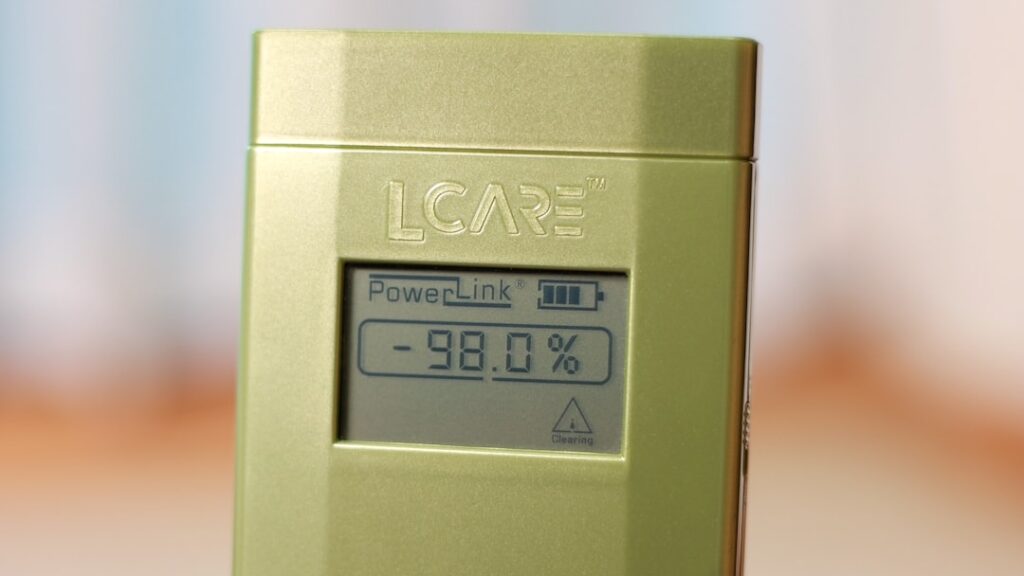
A pinless moisture meter lets you check a wall or floor for hidden dampness without driving two metal pins into the surface. You press a flat sensor plate against the material, and the meter reads the moisture beneath without leaving a mark. That non-destructive scanning makes it a favorite for finished surfaces and broad sweeps. It is not always the more accurate choice, though, and knowing when a pin meter wins matters just as much. This guide explains how the technology works in plain language, drawing on inspection-industry and building-science references rather than any single brand.
What is a pinless moisture meter?
A pinless meter, also called a non-invasive or scanning meter, measures moisture using electromagnetic sensing rather than physical contact pins. A sensor plate on the back of the unit emits a low-frequency field into the material and reads how that field changes with moisture.
Because it leaves no holes, a pinless meter suits finished walls, hardwood floors, and cabinetry where puncture marks would be unwelcome. You can sweep it across a large area quickly, mapping where moisture is higher or lower without touching the surface in a damaging way.
How does pinless sensing work?
Water changes the dielectric properties of a material, meaning how it stores and responds to an electromagnetic field. The meter’s sensor reads that change. Drier material returns one signal; wetter material returns a stronger one, which the meter displays as a relative scale or a percentage estimate.
The key word is relative. A pinless meter is excellent at comparing one spot to another, so you can find the wettest area on a wall. Its readings are best used to flag where moisture is elevated rather than to certify an exact moisture content.
Why the reading is comparative
The electromagnetic method responds to several things at once, not moisture alone. Material density, the presence of dense objects in the scan field, and surface contact all influence the number. That is why two pinless meters, or even the same meter on slightly different materials, can show different values for the same moisture level. The practical takeaway is to use the meter to compare a suspect area against a known-dry reference nearby, rather than treating a single number as an absolute measurement. The difference between the suspect spot and the dry reference tells the story.
Pin versus pinless: the real difference
Both meter types earn a place in a serious kit, and the choice depends on the task.
Pin meters
A pin meter drives two electrodes into the material and measures electrical resistance between them, since wet material conducts better than dry. Pin meters read at the pin depth, can pinpoint moisture at a precise location, and tend to give a more direct moisture-content number on wood. The trade-off is the two small holes they leave.
Pinless meters
A pinless meter scans a volume of material below the plate without marking it, covering ground fast. It is ideal for sweeping a whole wall or floor to locate problem zones, then handing off to a pin meter for confirmation. InterNACHI training commonly describes this two-tool workflow as best practice.
Why many inspectors carry both
The two tools answer different questions, so pairing them is common. The pinless meter answers where, sweeping broadly to find the wettest areas without marking finished surfaces. The pin meter then answers how much and exactly where, giving a precise reading at a point worth a small hole. Used together, they combine the speed and non-destructive scanning of the pinless tool with the precision of the pin tool. A homeowner buying one tool can choose a combination meter that offers both modes in a single device.
Understanding scan depth
Pinless meters read to a fixed depth below the sensor, often around three-quarters of an inch to an inch and a half depending on the model. That depth is a strength and a limit. It samples a volume rather than a point, so it can catch moisture a shallow pin would miss, but it cannot tell you exactly how deep the water sits.
The reading also blends everything within that depth. Metal studs, plumbing, foil-faced insulation, or wire mesh behind the surface can skew the signal, producing a false high reading. Knowing what is behind a wall helps interpret an unexpected spike.
Working around hidden objects
When a reading spikes unexpectedly, the first question is whether something dense sits behind the surface. Moving the meter a few inches in each direction shows whether the high reading follows a line, which suggests a stud or pipe, or covers an irregular area, which is more consistent with moisture. Tapping to locate a stud, or checking the layout of plumbing, often explains a surprising number. This habit keeps a homeowner from tearing into a dry wall because the meter read high over a metal stud.
Accuracy and calibration
Pinless meters are calibrated for specific material types, commonly with separate scales for wood and for masonry or drywall. Using the wood scale on concrete, or the reverse, gives misleading numbers.
Surface contact matters too. A clean, flat sensor pressed firmly against a smooth surface reads best; a textured or uneven surface introduces air gaps that lower the reading. For these reasons, treat pinless numbers as comparative indicators and verify critical findings with a pin meter or laboratory check. Our explainer on how a moisture meter works covers the underlying physics in more depth.
When a pinless meter is the right choice
Reach for pinless when the surface must stay unmarked, when you need to scan a large area quickly, or when you are mapping the extent of a damp zone. It excels at the first pass: finding where moisture is, before deciding where to probe more precisely.
Home inspectors often use a pinless meter to sweep around windows, under sinks, and along basement walls during a walkthrough, then mark the suspect spots for closer study. Pairing it with a thermal imaging or digital infrared camera speeds this up, since the camera highlights anomalies and the meter confirms moisture.
Common home uses
Beyond a formal inspection, a pinless meter earns its keep in everyday situations. After a roof leak or an overflowing tub, it shows how far the water spread inside the wall or floor. Before laying new flooring, it checks that a slab or subfloor is dry enough to proceed. During a damp spell, it tells you whether a basement wall is genuinely wet or merely cool to the touch. Each of these uses leans on the meter’s strength: a quick, non-destructive read that points you to the right next step.
How readings are displayed
Pinless meters present their results in a few different ways, and knowing the format prevents misreading. Some show a relative scale, often a bar graph or a 0-to-100 index, where a higher number simply means wetter relative to drier. Others display a percentage that estimates moisture content, calibrated for a chosen material. A color or audible alert may flag readings above a set threshold.
The temptation is to treat a percentage as an exact, certified figure, but on a pinless meter it is an estimate shaped by material type, density, and surface contact. The most reliable use is comparative: read a known-dry area, read the suspect area, and judge the difference. A large jump signals likely moisture far more dependably than the absolute number alone, which is why experienced users watch the trend across a surface rather than fixating on one reading.
Temperature and surface conditions
Conditions at the surface affect what a pinless meter reports. A wet or even slightly damp surface film can read high while the material beneath is dry, so wiping a surface before scanning avoids a false positive. Salts and certain treatments in the material can also influence the electromagnetic reading. Extreme cold or condensation on the sensor pad can throw off results too.
Firm, flat, full contact between the pad and the surface is essential. On a textured wall, popcorn ceiling, or irregular masonry, air gaps form between the pad and the material, lowering the reading and potentially hiding real moisture. For those surfaces, a pin meter that makes direct contact through the texture often gives a more trustworthy result, which is another reason the two tools pair well.
Caring for the meter
A moisture meter is a precision instrument, and a little care keeps it accurate. Keep the sensor pad clean and free of debris, since grit and residue degrade contact and skew readings. Store the meter in a stable, dry environment rather than a hot vehicle or a damp basement. Replace the battery before it weakens, because a low battery can produce erratic readings on some models.
Many quality meters include a calibration check, often a built-in reference block or a self-test on startup. Running that check periodically confirms the meter still reads true. A meter that has been dropped, left in extreme conditions, or is giving readings that defy common sense should be checked against a known reference before you trust it for a decision with real cost attached.
Limitations to keep in mind
A pinless meter does not give a certified exact moisture content, cannot tell you the depth of the moisture, and can be fooled by metal or dense material behind the surface. It also will not distinguish between a one-time spill that is drying and active, ongoing intrusion; only repeated readings over time show a trend.
For any decision with real cost attached, such as tearing out drywall or filing a claim, confirm the finding with a second method. A pinless meter is a screening instrument, and its honest role is to point you toward the spots that deserve a closer, more definitive look rather than to settle the question on its own. Used that way, it is one of the most efficient tools a homeowner or inspector can carry, and used as a final word it can mislead, so the distinction is worth keeping clearly in mind.
Buying considerations
Look for a model with selectable material scales, a clear display, and a documented scan depth that suits your surfaces. A combination meter that offers both pin and pinless modes gives the most flexibility for a homeowner who wants one tool.
The home inspection tools hub sets moisture meters alongside thermal cameras and borescopes, so the pinless meter stays one instrument in a coordinated kit rather than a single answer to every moisture question. For most homeowners, a combination meter with both modes and selectable material scales offers the best balance of versatility and value, covering quick non-destructive sweeps and precise confirmation in a single device that fits in a drawer until a leak or a damp wall makes it useful.
Tracking a problem over time
A single reading is a snapshot, but moisture is often a moving story. A wall that reads damp today might be drying after a one-time spill, or it might be getting wetter from an active leak. Only repeated readings over days or weeks reveal which. Marking the spot and re-checking it on a schedule turns the meter from a one-time check into a monitoring tool. If the reading falls steadily, the material is drying as it should. If it holds high or climbs, water is still arriving, and the source needs finding. This trend-watching is especially useful after a roof leak or plumbing repair, when the question is whether the area has truly dried before closing it back up.
When to call a professional
If a meter flags persistent or widespread moisture, a building leak, or possible mold, a professional inspector can confirm the source and extent. Trained inspectors carry both meter types, interpret false positives, and pair readings with thermal imaging and visual inspection. For a home purchase or an insurance question, that verified read is worth far more than a single screen number.
References
- Moisture Meters for Inspectors — InterNACHI
- A Brief Guide to Mold, Moisture and Your Home — U.S. Environmental Protection Agency
- Home Energy Assessments — U.S. Department of Energy
- About Mold and Dampness — Centers for Disease Control and Prevention
Moisture meters for home inspection
Pin meters read deep but leave marks; pinless meters scan surfaces non-destructively. Many inspectors carry both.
| Product | Why | Buy |
|---|---|---|
 Klein Tools ET140 Pinless Klein Tools ET140 Pinless | Non-destructive scanning; affordable. | Amazon — $49.97 |
 General Tools MMD4E General Tools MMD4E | Best-selling pin meter for drywall/wood. | Amazon — $39.98 |
 Lignomat Mini-Ligno Lignomat Mini-Ligno | Trusted by woodworkers; species-calibrated. | Amazon — $99.00 |