Testing Black Mold: What Homeowners Need to Know
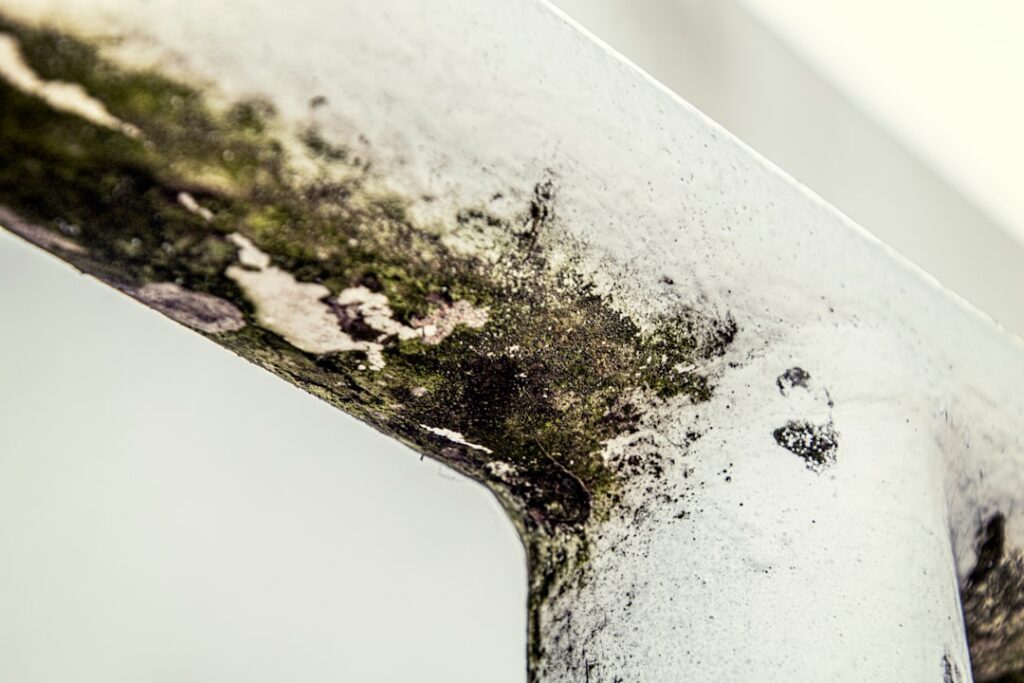
“Black mold” is a phrase that drives panicked Google searches and inflated remediation quotes. Testing black mold in practice usually means confirming whether a dark patch is Stachybotrys chartarum, the toxigenic species most often referenced by the media, or one of the dozens of harmless-to-allergenic species that also appear dark on visual inspection. Color alone does not identify a species. This guide covers what black mold actually is, how it gets tested, and when species identification changes the response. This guide summarizes EPA and CDC guidance current as of 2026 — consult a certified mold inspector for testing decisions and your physician for symptom evaluation.
Is this mold, asbestos, or water damage? Get a free instant screen
Upload a clear photo of the suspect area. You'll get an instant AI screening opinion and what to do next. This is screening guidance, not a professional determination.
Screening guidance only. AI can be wrong. Confirm asbestos, mold type, or lead with lab testing or a licensed professional before acting.
What “Black Mold” Actually Means
Many mold species appear black or dark green. Cladosporium, Alternaria, Aspergillus niger, Ulocladium, and several others all stain surfaces dark. Stachybotrys chartarum — the species the public associates with “toxic black mold” — has a distinctive sooty-black, slimy appearance when wet and a dusty texture when dry. It tends to grow on chronically wet cellulose-rich materials such as paper-faced drywall, ceiling tile, and wallpaper. The CDC notes that any prolonged indoor mold exposure can affect sensitive individuals regardless of species, but Stachybotrys produces mycotoxins that have received the most regulatory attention.
Color is not a reliable identifier. A microscopic look at spore morphology, or DNA analysis, is required for confident species ID. The parent mold inspection and testing hub covers the diagnostic sequence.
When Species Identification Matters
For DIY cleanup of small areas — under 10 square feet on non-porous surfaces — species identification rarely changes the response. The cleanup protocol is the same regardless. Species ID earns its cost when:
- An occupant has documented mold sensitization or immunocompromise.
- Insurance claims require documentation of toxigenic-species presence.
- A landlord-tenant dispute hinges on whether the growth is harmless surface staining.
- Real-estate transactions require disclosure of identified toxigenic mold.
- Post-remediation clearance requires confirmation that water-damage indicators are absent.
Tape-Lift Sample for Species ID
The fastest and cheapest way to identify the species in a visible black patch is a tape-lift sample. A piece of clear lift tape is pressed against the growth, peeled off, and mounted on a slide for shipment to an AIHA-accredited lab. The lab examines spore morphology under microscope and reports genus, sometimes species. Cost runs $30 to $60 per sample.
Tape lifts answer the species question directly. They do not measure airborne concentration. For that, air-spore sampling is required. The black-mold detection guide covers tape-lift collection technique.
Air-Spore Sampling for Stachybotrys
Stachybotrys spores are heavier and stickier than most indoor molds, which means they don’t aerosolize as readily as Aspergillus or Penicillium. A negative air-spore sample does not rule out Stachybotrys growth — the colony may exist and shed spores at a low rate. Conversely, a positive Stachybotrys finding in air sampling is meaningful because the species rarely shows up in clean indoor environments.
Calibrated cassette sampling for 5 to 10 minutes per location, with a paired outdoor control, runs $50 to $200 per sample. The spore-test measurement guide covers result interpretation.
ERMI for Historical Detection
The Environmental Relative Moldiness Index uses qPCR DNA analysis on settled dust to detect 36 species, including Stachybotrys. Because DNA persists after spore viability is gone, ERMI captures species the home has hosted over time. Useful when:
- The home has documented water-damage history.
- Occupants have symptoms but visible growth has been removed.
- Post-remediation verification needs species-level documentation.
ERMI cost runs $250 to $400. The method does not replace air-spore sampling for active-growth diagnosis.
Bulk Material Samples
When a wall is opened during remediation and growth extends beyond visible staining, a piece of cut drywall or insulation sent to the lab provides species identification with more material than a tape-lift can capture. Useful for remediator documentation and insurance claims.
Visual Field-Identification Limits
Some patterns help narrow possibilities without lab confirmation:
Slimy Black on Wet Drywall
Often Stachybotrys when associated with chronic water damage and cellulose-rich substrate. Still requires lab confirmation for documentation purposes.
Black Dots in Caulk or Grout
Usually Cladosporium or Aspergillus niger. Cosmetic cleanup with hydrogen peroxide or caulk replacement is typically sufficient.
Black Streaks on Bath Ceiling
Frequently a mixture of mold, soap residue, and skin oil. Cleaning with mild detergent often reveals whether actual growth is present.
Sooty Black on Cool Walls
Sometimes confused with mold, soot deposition is a separate phenomenon — combustion products from candles or fireplaces collecting on cooler surfaces. A damp cloth test distinguishes — soot wipes clean, mold does not.
Health Context
The CDC and NIH note that exposure to any indoor mold can cause health effects in sensitive individuals, including allergic reactions, asthma exacerbations, and irritation. Stachybotrys exposure has been associated with more severe respiratory effects in case reports, though scientific consensus on the magnitude of risk continues to evolve. For symptomatic occupants, the priority is exposure reduction — physical removal of the growth and correction of moisture sources — regardless of confirmed species. Consult an allergist or pulmonologist for symptom evaluation.
Cleanup Protocol Is Largely Species-Independent
For both Stachybotrys and less-toxigenic black-appearing species, the EPA cleanup workflow is similar:
- Fix the moisture source.
- Contain the area; wear N95 or higher PPE.
- Remove and replace porous contaminated materials.
- Clean non-porous surfaces with detergent or an EPA-registered antimicrobial.
- HEPA-vacuum settled spores.
- Dry to under 20 percent moisture content before reconstruction.
For Stachybotrys specifically, the EPA suggests stronger PPE — P100 cartridges, full coveralls — for larger jobs and engaging a certified mold remediation contractor for any area beyond a small contained patch. The wall-substrate protocol guide covers the substrate decisions.
When to Test Before Cleanup
A homeowner who plans to clean a small visible black patch themselves doesn’t need pre-cleanup testing in most cases. Pre-cleanup testing matters for:
- Insurance documentation before disturbing the growth.
- Landlord-tenant disputes where the tenant needs to document hazard before moving.
- Sensitized-occupant homes where remediation contractor selection depends on confirmed species.
Cost Versus Value
One tape-lift sample at $40 to $60 confirms or rules out Stachybotrys on a visible patch within a week. For a homeowner where the cleanup response would change based on the result — for example, an insurance claim or a sensitized occupant — the test cost is justified. For a homeowner planning routine cleanup either way, the money goes further toward remediation supplies and PPE.
Why Media Coverage Distorts the Picture
News reporting on “toxic black mold” tends to cluster around dramatic cases where Stachybotrys exposure correlated with severe respiratory illness in infants and immunocompromised individuals. Those cases are real but unrepresentative. The CDC has explicitly noted that the scientific evidence linking Stachybotrys exposure to specific severe symptoms in healthy adults remains limited, even as evidence for mold-allergy and asthma-exacerbation effects from many species is well established. The implication for homeowners is that any visible mold in a damp environment deserves attention — not just black-colored growth — and that the remediation response should focus on physical removal and moisture control regardless of confirmed species.
Stachybotrys-Specific Growth Conditions
Stachybotrys chartarum has distinctive growth requirements that help homeowners assess whether their visible patch could realistically be the species:
- It requires sustained moisture — typically chronic dampness for weeks, not just a single water event.
- It strongly prefers cellulose-rich substrates such as paper-faced drywall, ceiling tile, cardboard, and wallpaper.
- It rarely grows on synthetic materials, glass, or sealed surfaces.
- It appears slimy and dark when actively wet, dusty and sooty when dried.
A black patch on bathroom grout or shower caulk is almost never Stachybotrys — those locations dry out between uses and favor Aspergillus niger or Cladosporium. A black patch on damp drywall behind a long-standing water leak is a much more plausible Stachybotrys site.
Lab Turnaround and Documentation
Tape-lift sample turnaround is typically 3 to 7 business days from an AIHA-accredited lab. Rush options at 24 to 48 hours are available at additional cost. The lab report identifies genus, sometimes species, and notes relative density of spores observed on the tape. For insurance or real-estate purposes, retain the lab report alongside before-and-after photos and any contractor invoices to build a complete documentation package.
Common False Identifications
Several non-mold conditions visually resemble black mold and lead to unnecessary testing:
Efflorescence on Masonry
White-to-grayish mineral salts that bloom on basement walls and brick chimneys after water has migrated through the material. Often mistaken for mold but actually deposits left when water evaporates. A simple test: efflorescence wipes off with a damp cloth and doesn’t return. Mold persists.
Soot Deposition
Combustion byproducts from candles, gas fireplaces, and kitchen cooking deposit on cooler surfaces — typically exterior walls, ceiling corners, and around HVAC supply registers. Soot looks dark and dirty but isn’t biological. A damp cloth removes it cleanly.
Mildew on Bathroom Surfaces
Mildew is a surface-only mold that affects glass, tile, and grout. It’s typically lighter — pink, gray, or light green — and cleans easily with common bathroom products. Many homeowners conflate mildew with toxigenic mold because both are technically mold.
Asphalt Streaking on Roof Sheathing
Old asphalt shingles can shed dark particles that stain attic sheathing in patterns that mimic mold growth. Look for proximity to roof penetrations and check whether the staining moves with the underlying wood grain.
Remediation Contractor Selection
If lab results confirm Stachybotrys, the homeowner choice of remediator matters more than for routine mold work. Look for IICRC S520 certification, demonstrated experience with toxigenic-mold projects, and willingness to provide post-remediation clearance testing by an independent third party. The professional hiring guide covers credentials in additional detail. Avoid contractors who offer to both remediate and verify clearance — independent third-party verification is the standard for defensible documentation.
Practical Steps if Stachybotrys is Suspected
For a homeowner who finds a dark patch in a chronic-moisture area and suspects Stachybotrys, a practical workflow:
- Don’t disturb the patch. Photograph it with date stamps.
- Order a tape-lift kit from an AIHA-accredited lab. $40 to $60.
- Collect the sample wearing N95 respirator and nitrile gloves. Press tape carefully without scraping.
- Ship per kit instructions. Wait 3 to 7 business days for lab results.
- If lab confirms Stachybotrys, plan professional remediation rather than DIY cleanup.
- Identify and correct the chronic moisture source — typically a long-standing plumbing leak, roof leak, or condensation issue.
- Contract an IICRC S520-certified remediator with independent clearance testing.
What Insurance Often Covers
Stachybotrys remediation tied to a documented sudden water-damage event (burst pipe, washing-machine failure, storm damage) usually falls within standard homeowner policy coverage. Gradual leaks discovered after months or years often fall outside coverage. Some policies specifically exclude mold remediation regardless of source. Reading the policy and consulting the agent before filing a claim helps homeowners set realistic expectations.
References
- Stachybotrys chartarum Information — Centers for Disease Control and Prevention
- Mold Testing or Sampling — U.S. Environmental Protection Agency
- Mold Health Effects — National Institute of Environmental Health Sciences
- Black Mold Resource — InterNACHI
Homeowners who find a dark patch and want confirmation before pricing remediation can reach a vetted Front Range inspector through our contact page for a tape-lift collection and lab-report walk-through.