Radon Mitigation in Pueblo, Colorado | InspectandTest
When a Pueblo home tests at or above the EPA’s 4 pCi/L action level, mitigation is the engineered fix that brings it back down. Pueblo and Pueblo County sit in EPA Radon Zone 1, the highest-risk category, and the city’s tradition of basement living, finished lower levels used as bedrooms and rentals, puts occupants in the very spaces where radon concentrates. Radon is a colorless, odorless radioactive gas and the second-leading cause of lung cancer after smoking, so reducing a high reading is a genuine health step. This page explains how radon mitigation pueblo owners should approach the work, why local conditions shape the system, and what it costs. This summary reflects EPA and CDPHE guidance current as of 2026; consult a certified professional for mitigation decisions.
Part of our Radon Mitigation Systems guide — start there for the full picture →
Radon mitigation in Pueblo: what to know
Radon mitigation is the installation of a system that lowers indoor radon to a safe level and keeps it there. The most common and effective approach is active sub-slab depressurization: a fan draws soil gas from beneath the foundation and vents it above the roofline before it can enter living space. A properly designed system routinely brings a high reading well below 4 pCi/L and holds it there for the life of the fan.
Mitigation follows testing, never the reverse. You mitigate because a measured result, ideally a documented short-term or long-term test, showed a level worth reducing. If you have not yet tested, our companion page on radon testing in Pueblo explains how to get that number, and our plain-language radon guide for Front Range homeowners covers the science behind the gas and the fix.
System design depends on the house. A Pueblo home’s foundation type, slab versus crawl space versus a finished basement, and the permeability of the soil beneath it determine fan size, suction-point location, and pipe routing. A finished-basement home in University Park may need the suction point placed to avoid disturbing a basement bedroom, while an older Bessemer home with a partial basement or crawl space may require sealing exposed soil before the fan can work efficiently.
A good mitigation is verified, not assumed. After installation, a post-mitigation test confirms the system actually brought the level below 4 pCi/L, and a system monitor (a simple manometer on the pipe) lets the homeowner see at a glance that the fan is still pulling. Skipping the verification test means trusting that the work succeeded without proof, which defeats the purpose of spending on the system in the first place, especially when a basement bedroom is involved.
Why Pueblo homes need radon mitigation
Geology sets the stage. The formations beneath Pueblo County carry uranium, and as it decays it releases radon that migrates upward into the lowest levels of a home. That is the reason the EPA designates Pueblo as Zone 1: the soil-gas source is strong and widespread, so elevated readings are common rather than exceptional, and many sit high enough to warrant a system.
Climate and lifestyle make the readings worse. Cold Pueblo winters keep homes sealed for months while furnaces create slight negative pressure that actively pulls soil gas indoors, concentrating radon in finished basements just as families occupy them. Because so many Pueblo basements serve as bedrooms and rental units, the highest-radon space in the house is also where people sleep, which is precisely the exposure mitigation is designed to eliminate.
The housing mix shapes the work. University Park and Pueblo West subdivisions are full of finished-basement homes where the lower level is both the highest-radon and most-occupied space, making mitigation a direct health benefit. Older homes in Bessemer, the Mesa Junction, and the Historic Northside may have stone or partial foundations and crawl spaces that need sealing as part of the system. Across both, the goal is the same: cut the soil-gas entry and vent what remains above the roof.
What a Pueblo radon mitigation system covers
A professional installation begins with a diagnostic look at the foundation and a plan for where to draw suction. The installer cores a hole through the slab, runs PVC piping to an exterior or attic-mounted fan, and vents it above the roofline, then seals slab cracks, control joints, and sump openings so the fan can establish a vacuum under the whole slab.
Active sub-slab depressurization
This is the workhorse method for Pueblo’s slab and basement homes. A continuously running fan maintains a slight vacuum beneath the foundation, intercepting radon before it enters and exhausting it outside. Because it runs around the clock, it addresses the sealed-winter concentration that ventilation cannot, and it typically reduces levels by 90 percent or more, an especially meaningful reduction for a basement bedroom.
Crawl spaces and sealing
Homes with crawl spaces, common in older Pueblo housing, often need a sealed vapor barrier over exposed soil with the suction drawn from beneath that membrane. Sealing visible slab cracks and the sump pit is part of nearly every job, because an unsealed opening lets the fan pull conditioned indoor air instead of soil gas, wasting energy and reducing effectiveness. After the work, a post-mitigation test verifies the result before the job is considered complete.
Radon mitigation cost in Pueblo
A typical residential radon mitigation system in the Pueblo market runs about $1,200 to $2,500 installed, with most standard slab-on-grade and basement homes landing near the middle of that range. Complicating factors raise the price: multiple suction points for a large or compartmentalized slab, crawl-space encapsulation, a long or concealed pipe route, or a more powerful fan for tight soils can push a job toward or past the high end.
Weigh that one-time cost against the benefit. A roughly $1,500 system that takes a finished basement from 8 pCi/L to below 2 pCi/L cuts a family’s exposure by the majority and runs for years on a fan that uses about as much electricity as a light bulb. Against the EPA’s estimate that radon contributes to thousands of lung-cancer deaths annually, and Pueblo’s Zone 1 status, the system is one of the better-value health investments a homeowner can make, particularly where the basement is used for sleeping.
The decision is rarely whether to mitigate once a home reads well above 4 pCi/L; it is who installs it and how. A bargain installation that skips the post-mitigation verification test, undersizes the fan, or leaves the sump unsealed can leave radon higher than the homeowner believes. Paying a fair price for a verified, properly sealed system is worth more than the cheapest bid, because the entire point is a result you can trust.
Colorado regulations and disclosure
Colorado requires radon disclosure in residential real-estate transactions, and the Seller’s Property Disclosure asks sellers to report known radon results and any existing mitigation system. An installed system is a selling point that should be documented with its post-mitigation test result. CDPHE runs the state radon program and references the 4 pCi/L action level. Colorado does not license home inspectors, and while the state recognizes national radon credentials, you should confirm your installer follows recognized mitigation standards rather than assuming any contractor qualifies.
Disclosure works in the seller’s favor when handled well. A Pueblo seller who mitigated and kept the post-mitigation test can present a clean result as reassurance, turning a former liability into a documented fix, which matters in a market where buyers know basements are often bedrooms. A buyer who discovers a high reading during the contingency typically requests either mitigation before closing or a credit, so a seller who acts first controls the narrative and the cost.
Neighborhoods and areas served
Mitigation work spans Pueblo wherever readings come back high: finished-basement homes in University Park, Belmont, and adjacent Pueblo West, older partial-basement and crawl-space houses in Bessemer, the Mesa Junction, and the Historic Northside, and rental properties with basement units throughout the city. The Zone 1 designation applies citywide, so systems are installed across every neighborhood rather than concentrated in one area.
Service typically extends across the Pueblo metro and into adjacent Pueblo West, all sharing the regional geology that drives elevated readings. Because the soil-gas source is regional, the mitigation approach carries across the area with adjustments for each home’s foundation. A landlord mitigating a Bessemer basement rental and a homeowner protecting a University Park basement bedroom will see the same sub-slab depressurization method adapted to each structure.
Pueblo’s older foundations occasionally complicate an otherwise standard installation. Many homes in Bessemer, the Mesa Junction, and the Historic Northside were built generations ago with rubble-stone, brick, or poured foundations that have settled, cracked, and been patched over the decades, and a slab that is broken into multiple poorly connected sections may not let a single suction point establish a vacuum across the whole footprint. In those homes an installer may need multiple suction points, more aggressive sealing of an old fieldstone wall, or a sub-membrane approach in a dirt-floored cellar. A contractor experienced with Pueblo’s steel-era housing anticipates these conditions and prices the diagnostic work honestly, rather than quoting a one-size system that underperforms once it meets a century-old foundation.
How to choose a Pueblo radon mitigation provider
Ask whether the installer holds a recognized national radon-mitigation credential and follows AARST or EPA mitigation standards. A good contractor performs a diagnostic before quoting, vents above the roofline rather than at grade, seals slab and sump openings, installs a visible system monitor, and, critically, runs a post-mitigation test to prove the result. An installer who skips the verification test is asking you to trust an unproven fix.
Confirm the quote spells out fan size, suction-point count, pipe routing, and whether the post-mitigation test is included. For a finished-basement home, ask how the installer will route piping to minimize disruption to a basement bedroom or living area. A straight provider explains the trade-offs, an exterior versus interior pipe run, an attic versus exterior fan, rather than defaulting to whatever is fastest for the crew.
If you are buying a Pueblo home with an existing system, have it inspected and re-tested rather than assuming it works; fans fail and seals degrade over years. Coordinating mitigation with a full home inspection in Pueblo gives you one connected view of the home’s condition and its radon system. A contractor who welcomes that scrutiny, and proves the fix with a fresh test, is the one worth hiring.
References
- Consumer’s guide to radon reduction — U.S. Environmental Protection Agency
- Colorado radon program and mitigation — Colorado Department of Public Health and Environment
- Radon and lung cancer — Centers for Disease Control and Prevention
Frequently asked questions
How does radon mitigation work in Pueblo homes?
The standard method is active sub-slab depressurization: a continuously running fan draws soil gas from beneath the foundation and vents it above the roofline before it can enter living space, typically cutting levels by 90 percent or more.
How much does radon mitigation cost in Pueblo?
A typical residential system runs about $1,200 to $2,500 installed. Multiple suction points, crawl-space encapsulation, or a long pipe route can push a job toward or past the high end.
At what radon level should a Pueblo home be mitigated?
The EPA action level is 4 pCi/L. At or above that reading, EPA and CDPHE recommend mitigation. Pueblo sits in Zone 1, so high readings warranting a system are common, especially in basement bedrooms.
Does a mitigation system need to be tested afterward?
Yes. A post-mitigation test confirms the system brought the level below 4 pCi/L. Skipping it means trusting an unproven fix. A visible system monitor also shows the fan is still pulling.
Is a radon system a selling point in Pueblo?
It can be. Colorado's disclosure asks about radon results and existing systems, so a documented mitigation with a clean post-mitigation test reassures buyers, who know Pueblo basements are often used as bedrooms.
In Zone 1 Pueblo, where basements double as bedrooms, a verified mitigation system is the durable answer to a high radon reading, and the post-mitigation test is what proves it worked. To connect with a vetted local installer who tests the result rather than assuming it, get in touch through our contact page.
Test your home for radon
Radon is invisible and odorless, so a test is the only way to know your level. A short-term kit gives a first reading in days; a digital monitor tracks it over time.
| Product | Why | Buy |
|---|---|---|
 AirChek Charcoal Radon Test Kit | Lab fee usually included; EPA short-term protocol. | Amazon — $21.95 |
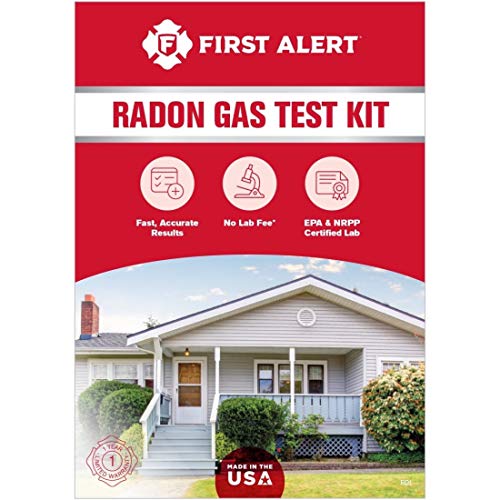 First Alert RD1 Radon Test Kit | Widely stocked; 48-hour charcoal test. | Amazon — $17.95 |
 Airthings Corentium Home | Digital monitor with a long-term average. | Amazon — $99.99 |