Radon Mitigation in Morgan County, Colorado
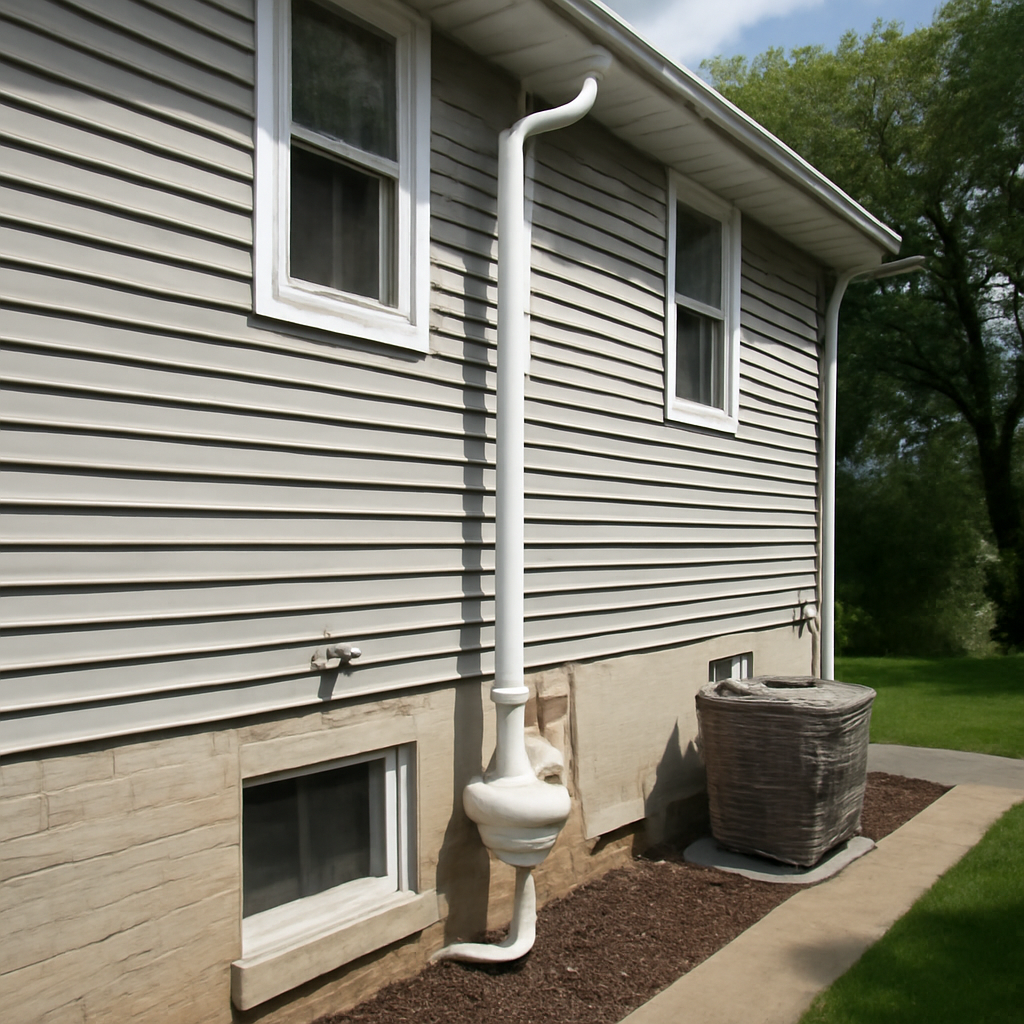
Radon mitigation morgan county homeowners pursue after a test comes back at or above the 4 pCi/L action level, and in a county sitting entirely in EPA Radon Zone 1, that result is common. Morgan County is a far-eastern-plains agricultural county along the South Platte River and I-76, well east of the Front Range metro at roughly 4,300 feet, with farming, feedlots, and food processing anchoring its economy. With uranium-bearing plains soils, older full-basement homes in Fort Morgan and Brush, and many rural wells, mitigation here may address both soil-gas radon and radon-in-water. This page is a county-level hub: it covers how mitigation works, what it costs, the rural water dimension, and links to our related Morgan County service pages. This summary reflects EPA and CDPHE guidance current as of 2026; consult a certified mitigation professional for system design.
Part of our Radon Mitigation Systems guide — start there for the full picture →
Radon mitigation in Morgan County: what to know
Radon mitigation is the engineered reduction of indoor radon to a safe, durable level, most often through active sub-slab depressurization. A fan draws soil gas from beneath the foundation slab and vents it above the roofline before it can enter the living space, reversing the pressure that pulls radon indoors. The EPA recommends action at 4 pCi/L and notes that any reduction lowers risk, with well-designed systems routinely bringing levels well below the threshold.
Because every Morgan County home rests on Zone 1 plains soils, mitigation is a frequent outcome of testing here. The right system depends on the foundation: a full Fort Morgan basement, a Brush slab-on-grade, and a rural crawlspace each call for a different approach to drawing soil gas from beneath the home. Older basements with permeable stone or block walls can need extra sealing for a system to establish negative pressure, which a certified mitigator designs for.
For the full picture of how radon reduction works and what to expect from a system, our plain-language Front Range radon guide covers the fundamentals. This page focuses on the Morgan County picture, including the well-water treatment that distinguishes rural farm-property mitigation from a town install on the municipal supply.
Why Morgan County homes need radon mitigation
The county’s Zone 1 geology drives the need. Uranium-bearing plains soils continuously generate radon, and the gas seeps into homes through foundation cracks, slab penetrations, sump pits, and crawlspace floors. Across Fort Morgan, Brush, and the surrounding farmland, a test above the action level is common enough that mitigation is a routine part of buying or owning here.
Older basements make reduction worthwhile. Morgan County’s pre-1978 downtown homes often have full basements where bedrooms and living space sit directly over the soil-gas source, and the cold, sealed eastern-plains winters keep homes closed for months, concentrating the gas. Mitigation matters most exactly where the county’s older housing puts people, in the occupied lower level.
Rural wells add a second front. Many farm properties around Wiggins, Snyder, and the outlying farmland draw water from a well, and groundwater moving through uranium-bearing rock can carry dissolved radon into the home, where showering and laundry release it into the air. A soil-gas system alone does not address that water pathway, so a complete plan on a well property may pair a sub-slab system with a water treatment unit. Town homes on the Fort Morgan or Brush municipal supply, where radon is removed before delivery, do not face this, which makes farm-property mitigation planning distinct.
What Morgan County radon mitigation covers
A standard mitigation project begins with a diagnostic look at the foundation to determine where and how to draw soil gas. The mitigator then installs the system, seals major entry points, and conducts a post-mitigation test to confirm the level has dropped below the action threshold.
Sub-slab depressurization and sealing
The core of most systems is a suction point cut into the slab, connected by sealed PVC piping to an inline fan that exhausts above the roofline. In an older Fort Morgan basement, the mitigator also seals the sump lid, foundation cracks, and the permeable joints common in stone or block walls so the fan can establish negative pressure across the whole floor rather than losing suction to gaps.
Crawlspace and well-water systems
Rural homes near Wiggins or Snyder with crawlspaces are mitigated by sealing the crawlspace floor with a heavy membrane and drawing soil gas from beneath it, a sub-membrane depressurization approach. On farm properties with elevated radon-in-water, a separate aeration or granular activated carbon unit treats the well water before it enters the home, addressing the pathway a sub-slab system cannot reach.
Radon mitigation cost in Morgan County
A standard residential sub-slab depressurization system in the Morgan County market typically runs about $1,200 to $2,500 installed, depending on the foundation, the number of suction points, and the sealing an older basement requires. Pre-1978 full-basement homes in Fort Morgan and Brush can sit toward the higher end because permeable stone and block walls take more sealing to hold negative pressure.
Radon-in-water treatment is a separate cost on well-served farm properties, generally running from roughly $3,000 to $5,000 or more for an aeration or GAC system, since it is a more involved installation than a soil-gas fan. Rural travel can add a modest charge for outlying communities. Against the long-term health risk that mitigation removes, and the fact that a system runs for years on a small amount of electricity, the cost is a durable one-time investment for a Morgan County home.
Colorado regulations and disclosure
Colorado now requires radon mitigation professionals to be certified, which means the person designing and installing a system in Morgan County should hold the appropriate credential. A certified mitigator follows established standards for system design, fan placement, and the post-mitigation test that verifies the result, and that documentation matters in a real-estate transaction.
For a home sale, Colorado requires sellers to provide a radon disclosure, and an installed, documented mitigation system is a clear answer to a buyer’s radon concern. When a pre-purchase test reads high in this Zone 1 county, a seller who installs a certified system, or a buyer who negotiates one as a condition of closing, resolves the issue with a verifiable post-mitigation result rather than an open question at the deadline.
Communities and areas served across Morgan County
Mitigation demand turns up county-wide, and the foundation type shifts the approach with each community. In Fort Morgan, the county seat and largest town, older full-basement homes need soil-gas systems with thorough sealing of permeable walls. Brush shares that older-stock profile. Wiggins, along I-76 to the west, and the farm properties around Snyder and the Riverside corridor more often involve crawlspaces and wells, bringing sub-membrane systems and water treatment into the plan.
Coverage extends along the South Platte and I-76 toward the Weld and Adams county lines to the west. Because mitigation follows a test, homeowners usually arrive here from a high reading; our companion page on radon testing in Morgan County explains the measurement that precedes a system. For nearby live coverage to the west, our radon mitigation in Brighton page details a comparable South Platte community in adjacent Adams County.
System longevity and follow-up testing
A radon mitigation system is built to run continuously for years, and its longevity depends on the fan, the seals, and periodic verification. The inline fan typically lasts many years before needing replacement, and a system monitor, usually a simple manometer on the vent pipe, lets a homeowner confirm at a glance that the fan is still pulling suction. Across Morgan County’s seasonal temperature swings, that visual check is an easy habit that catches a failed fan before radon levels climb back up.
Follow-up testing closes the loop. The EPA recommends retesting every two years and after any major renovation, because changes to a foundation, an addition, or new basement finishing can alter how soil gas moves under a home. In the river valley, where a high water table and freeze-thaw cycles keep working on older foundations, a new crack can open a fresh entry path, so periodic retesting confirms the system is still holding the level below the action threshold.
The well-water side needs its own follow-up. An aeration or GAC unit treating radon-in-water requires periodic maintenance and testing to confirm it is still stripping radon effectively, since media and components wear over time. A complete maintenance plan on a rural Morgan County farm property tracks both the soil-gas system and the water treatment unit, since a home with both pathways mitigated needs both checked to stay protected.
What to expect during a Morgan County mitigation install
A typical sub-slab depressurization installation takes most of a day, and knowing the steps helps a Morgan County homeowner prepare. The mitigator begins with a diagnostic, often using smoke or pressure-field testing to confirm where suction will reach under the slab. In an older Fort Morgan or Brush basement with a permeable stone or block foundation, that diagnostic is especially important, since the mitigator must confirm the system can establish negative pressure despite walls that leak air more readily than modern poured concrete.
The visible result is a sealed PVC pipe and an inline fan. The pipe runs from the suction point through the basement and up to exhaust above the roofline, where the radon disperses harmlessly. The fan runs continuously and draws very little electricity, and a manometer on the pipe gives the homeowner a simple, permanent gauge of whether the system is working. In an older home, the mitigator also spends extra time sealing the sump lid, foundation cracks, and the joints in a block wall so the fan is not fighting a leaky envelope.
On a farm property, the water side is coordinated with the soil-gas work. Where a well test showed elevated radon-in-water, the aeration or GAC unit is planned alongside the sub-slab system so both pathways are addressed in the overall project. A post-mitigation test a few days after the install confirms the air level has dropped below the action threshold, and on a well property a follow-up water test confirms the treatment unit is stripping radon, giving the Morgan County homeowner documentation that both concerns are resolved.
How to choose a Morgan County radon mitigation provider
Look for a certified radon mitigation professional who performs a diagnostic before quoting, designs the system to your specific foundation, and includes a post-mitigation test to prove the result. On a well-served farm property, ask whether the provider can also address radon-in-water, since a mitigator who handles only soil gas leaves the water pathway open. A clear warranty on the fan and a documented post-test are what a homeowner should expect.
For a home purchase, coordinating mitigation with the inspection and test timeline keeps the radon resolution on schedule for the contingency period. That fits both the older-basement town homes and the well-served farm properties of Morgan County and gives buyers a verified result before closing rather than an unfinished item at the deadline. Asking whether the mitigator has worked with permeable older foundations is worthwhile in Fort Morgan and Brush, where the success of a system depends on thorough sealing of stone and block walls.
The energy side is worth a brief word as well. A sub-slab system continuously exhausts a small volume of conditioned air along with the soil gas, but a well-designed system minimizes that loss, and the modest electricity the fan uses is far outweighed by the health benefit of holding radon below the action level. In a cold-winter county like Morgan, a mitigator can route and seal the system to limit conditioned-air loss, so an older Fort Morgan home gains radon protection without a meaningful penalty to heating efficiency through the long plains winter.
References
- Consumer’s guide to radon reduction — U.S. Environmental Protection Agency
- Colorado radon mitigation program — Colorado Department of Public Health and Environment
- Radon and lung cancer risk — Centers for Disease Control and Prevention
Frequently asked questions
How much does radon mitigation cost in Morgan County?
A standard sub-slab depressurization system typically runs $1,200 to $2,500 installed. On well-served farm properties, separate radon-in-water treatment such as aeration or GAC generally adds $3,000 to $5,000 or more, and outlying homes may carry a trip charge.
Does a soil-gas system handle radon in my well water?
No. A sub-slab system addresses soil-gas radon only. Elevated radon-in-water, a concern on Morgan County farm wells, requires a separate aeration or granular activated carbon unit that treats the water before it enters the home.
Do older Fort Morgan basements need special mitigation?
Often yes. Pre-1978 stone and block basements are permeable, so the mitigator must seal walls, cracks, and the sump lid thoroughly for the fan to establish negative pressure. That extra sealing can place these homes at the higher end of the cost range.
How often should I retest after mitigation?
The EPA recommends retesting every two years and after any major renovation. In the river valley, a high water table and freeze-thaw can open new foundation cracks, so periodic retesting confirms the system is still holding.
A high radon reading in Zone 1 Morgan County is solvable, and on a farm property the right plan addresses both the soil gas and the well water. To connect with a vetted, certified local mitigation professional, reach out through our contact page.
Test your home for radon
Radon is invisible and odorless, so a test is the only way to know your level. A short-term kit gives a first reading in days; a digital monitor tracks it over time.
| Product | Why | Buy |
|---|---|---|
 AirChek Charcoal Radon Test Kit | Lab fee usually included; EPA short-term protocol. | Amazon — $21.95 |
 First Alert RD1 Radon Test Kit | Widely stocked; 48-hour charcoal test. | Amazon — $17.95 |
 Airthings Corentium Home | Digital monitor with a long-term average. | Amazon — $99.99 |